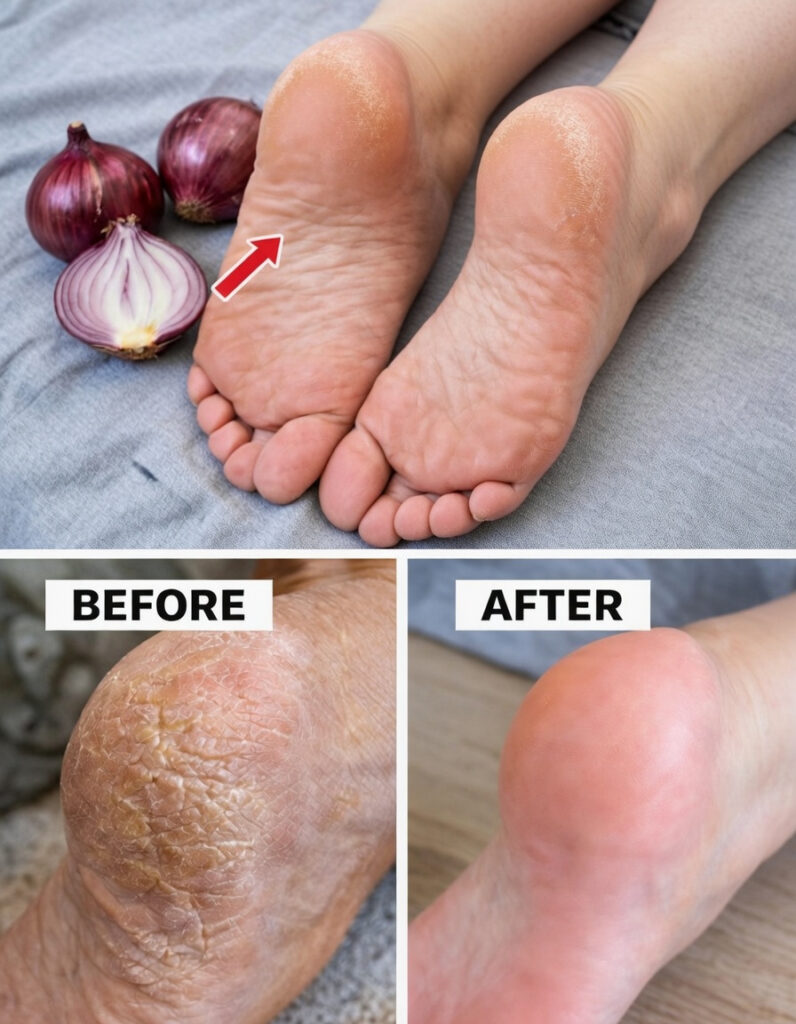
Natural Ways to Soothe Cracked Heels and Restore Softness
Few things are more frustrating than putting on your favorite sandals and feeling the sharp pull of dry, split heels. Rough, flaky skin on the feet can make walking uncomfortable and may also make you feel less confident in open shoes. This is especially common after age 45, during dry weather, or if you spend long hours standing.
The encouraging news is that you may not need expensive tools or complicated treatments to start caring for your heels. A few simple ingredients from your kitchen can help support moisture and softness. Even better, one easy overnight method—paired with a few gentle soaking options—can make a noticeable difference when used consistently.
What Leads to Cracked Heels?
Heel cracks usually develop when the skin becomes too dry, thick, and inflexible. Once that happens, pressure from walking can cause the hardened skin to split.
Common triggers include:
- Frequent hot showers
- Not drinking enough water
- Wearing open-back shoes
- Dry or low-humidity climates
- Long periods of standing
- Lack of regular foot moisturizing
If ignored, small cracks can deepen and become more uncomfortable over time.
Natural care methods aim to do two things:
- Add moisture back into the skin
- Loosen and remove dead, hardened buildup gently
General dermatology guidance supports the idea that regular hydration and mild skin care habits can help improve rough, dry feet over time.
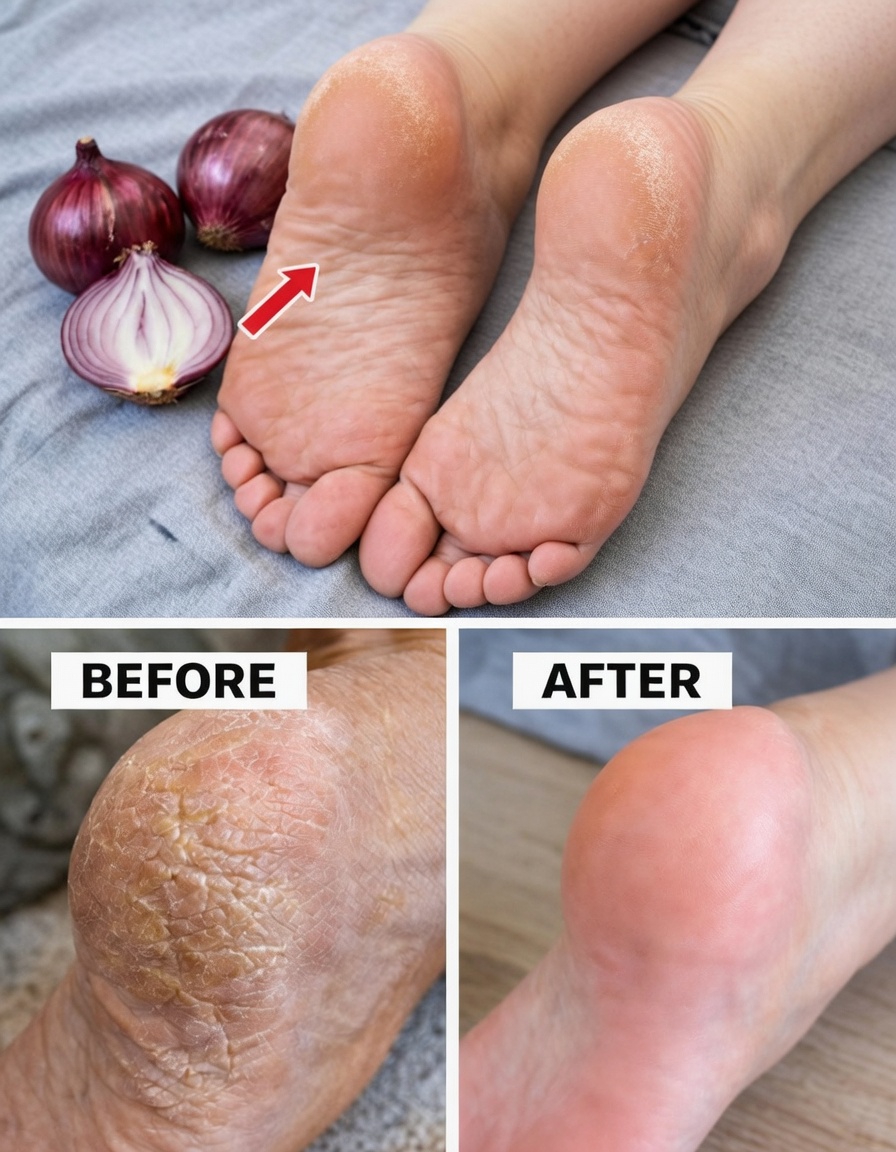
Why Try Natural Home Remedies?
Many people prefer home remedies because they are:
- Easy to find
- Budget-friendly
- Gentle when used correctly
- Simple to add to a regular routine
These remedies mainly work by moisturizing the skin, lightly exfoliating thick areas, and calming irritation. Often, the best results come from using them in the right order rather than relying on just one step.
5 Natural Home Remedies for Cracked Heels
Below are five widely used at-home options that may help improve heel softness and comfort. They rely on familiar ingredients known for their moisturizing or skin-softening qualities.
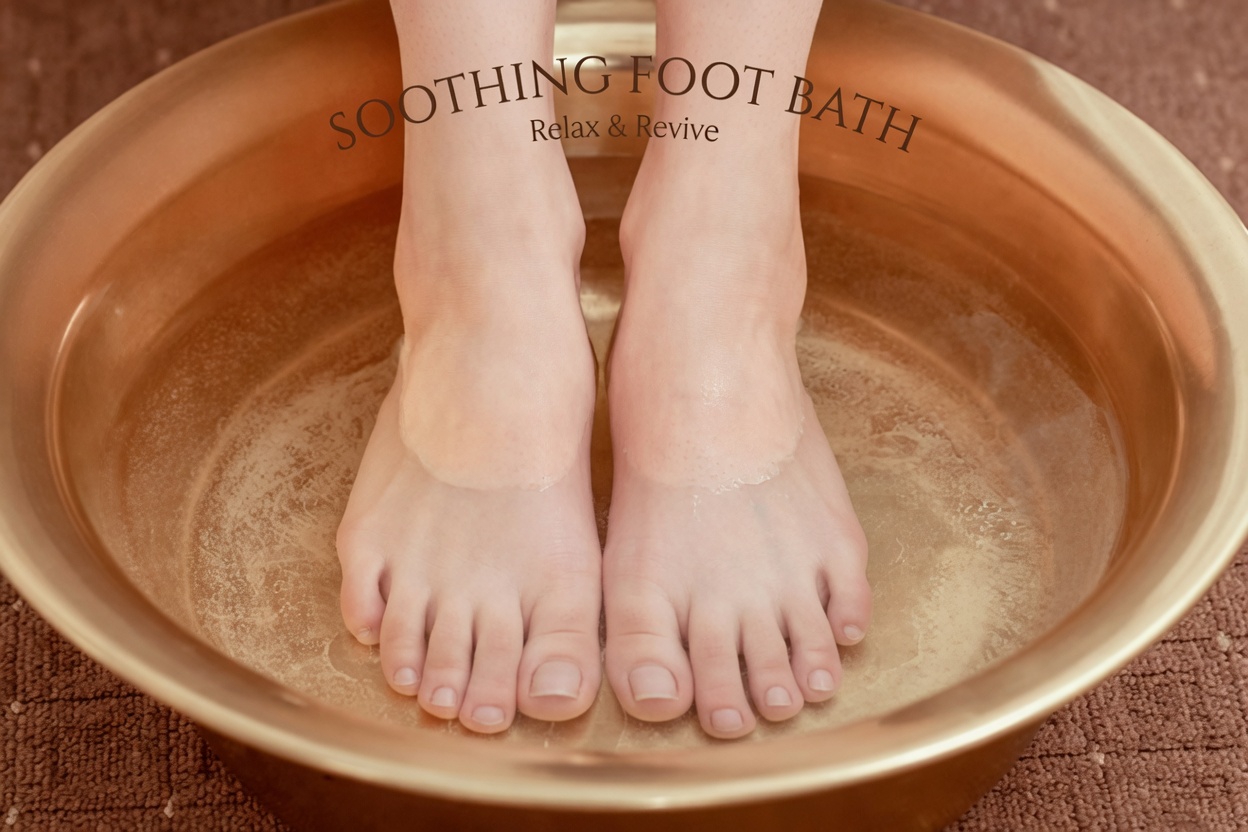
5. Warm Foot Soak with Apple Cider Vinegar or Lemon Juice
Start by filling a basin with warm—not hot—water. Add about 1/2 cup of apple cider vinegar or freshly squeezed lemon juice, then soak your feet for 10 to 15 minutes.
The mild acidity may help soften thickened skin and loosen calluses without harsh scrubbing. Some dermatology sources suggest that gentle acidic soaks can help prepare rough skin for follow-up care.
After soaking:
- Pat your feet dry carefully
- Avoid rubbing too hard
- Move on to your moisturizer or treatment while skin is still freshly softened
A soak is a great first step, but it works best when followed by a moisture-sealing treatment.
4. Raw Honey for Moisture and Comfort
After cleaning or soaking your feet, spread a thin layer of raw honey over your heels. Leave it on for about 20 minutes, or wear socks and keep it on overnight.
Honey is often used in skin care because it acts as a humectant, meaning it helps draw moisture into the skin. It is also valued for its naturally soothing and freshening qualities.
Many people like honey because it feels gentle and can be used as a simple mask before bed.
3. Virgin Coconut Oil for Overnight Hydration
Massage a generous amount of virgin coconut oil into your heels before going to sleep, then put on clean cotton socks.
Coconut oil contains fatty acids that help create a protective layer on the skin, which can reduce moisture loss overnight. Research on plant-based oils suggests they may help improve skin dryness and overall comfort.
Benefits of using coconut oil include:
- Deep overnight hydration
- A smooth, easy-to-apply texture
- A simple daily routine you can maintain long term
2. Ripe Banana Mask for Softening Dry Skin
Mash one ripe banana into a smooth paste and apply it directly to rough heels. Let it sit for 15 to 20 minutes before rinsing thoroughly.
Bananas contain vitamins such as:
- Vitamin A
- Vitamin B6
- Vitamin C
These nutrients may help support skin softness and elasticity. In traditional home care, banana masks are often used as a natural way to soften dry, coarse skin.
This remedy is especially helpful if your heels feel hard and rough but are not severely cracked.
1. Petroleum Jelly for a Strong Overnight Moisture Seal
One of the most effective and simplest options is petroleum jelly. After a soak or mask, apply a thick coat over your heels and cover your feet with clean cotton socks before bed.
Petroleum jelly works as an occlusive barrier, which means it helps trap moisture in the skin while you sleep. Dermatologists commonly recommend this type of product for very dry skin because it helps prevent water loss so effectively.
If you want one remedy that stands out, this is often the strongest final step—especially when used after soaking or applying coconut oil.
Quick Comparison of the Remedies
| Remedy | Main Benefit | Suggested Frequency | Difficulty |
|---|---|---|---|
| Apple cider vinegar or lemon soak | Helps soften callused skin | 3–4 times per week | Very easy |
| Raw honey | Attracts moisture and soothes | 3–5 times per week | Easy |
| Virgin coconut oil | Deep hydration | Nightly | Very easy |
| Banana mask | Natural vitamin support for softness | 2–3 times per week | Easy |
| Petroleum jelly | Seals in moisture overnight | Nightly after prep | Very easy |
Many people get the best results by combining two or three of these methods.
How to Build a Safe Heel-Care Routine
Before trying any remedy, speak with a doctor or podiatrist if you have:
- Diabetes
- Open wounds
- Bleeding heel cracks
- Signs of infection
- Severe pain
Safety should always come first.
Here is a simple routine you can begin with:
- Prepare a warm foot soak using vinegar or lemon if desired.
- Soak for 10 to 15 minutes.
- Dry your feet completely.
- If needed, use a soft pumice stone with very gentle pressure.
- Apply your chosen treatment generously.
- For overnight methods, wear cotton socks to hold moisture in.
Important precautions:
- Patch-test first on a small area
- Use clean tools every time
- Stop immediately if stinging, redness, or irritation develops
- Never apply strong remedies to broken or infected skin without medical advice

Daily Habits That Help Your Heels Stay Soft
You may wonder how long it takes to notice results. For many people, regular care leads to visible improvement within 1 to 2 weeks. Deep cracks may take longer depending on severity and daily habits.
To support faster improvement:
- Drink enough water throughout the day
- Avoid very hot showers, which can strip natural oils
- Choose closed-back shoes when possible to reduce friction
- Moisturize your feet every day, even when you are not doing a full treatment
Easy Planning Guide
| Step | Details | Key Precautions |
|---|---|---|
| Soak prep | Warm water plus 1/2 cup vinegar or lemon juice | Do not use very hot water; dry feet well afterward |
| Application | Apply a thick layer and massage gently | Patch-test 24 hours beforehand |
| Overnight seal | Wear cotton socks over the treatment | Avoid using on broken skin unless advised by a professional |
| Frequency | 3–7 times weekly depending on the remedy | Watch for redness or sensitivity |
When to See a Professional
Home care may be helpful for mild to moderate dryness, but certain symptoms need medical attention right away.
Seek professional guidance if you notice:
- Increasing pain
- Bleeding
- Swelling
- Pus
- Signs of infection
- Cracks that do not improve
A healthcare professional can recommend the safest treatment based on your skin condition and overall health.
Enjoy Smoother, More Comfortable Heels
There is no reason to keep struggling with rough, painful heels when a few simple remedies may help. Gentle soaking, consistent moisturizing, and a strong overnight barrier can work together to make your feet feel softer and more comfortable.
Start with the method that feels easiest—perhaps a warm soak tonight—then build a routine you can maintain. Small, steady steps often lead to the best results. And if you have any underlying health concerns, make professional advice part of your plan.
With regular care, slipping back into sandals can feel comfortable again.
Frequently Asked Questions
How soon can I expect smoother heels?
Many people begin noticing softer skin within 1 to 2 weeks of consistent care. More severe cracks may take longer, especially if dryness, friction, or dehydration continue.
Can I combine more than one remedy?
Yes. Many people pair remedies successfully. For example:
- A vinegar soak
- Followed by coconut oil
- Finished with petroleum jelly and cotton socks
Just add new remedies one at a time so you can monitor how your skin reacts.
Are these remedies suitable for sensitive skin or medical conditions?
They may be too harsh for some people, especially those with sensitive skin, allergies, diabetes, open cracks, or circulation issues. If you have any medical condition or are unsure, speak with a doctor or podiatrist before trying them.