Vitamin K and Blood Clot Concerns in Seniors: What You Really Need to Know
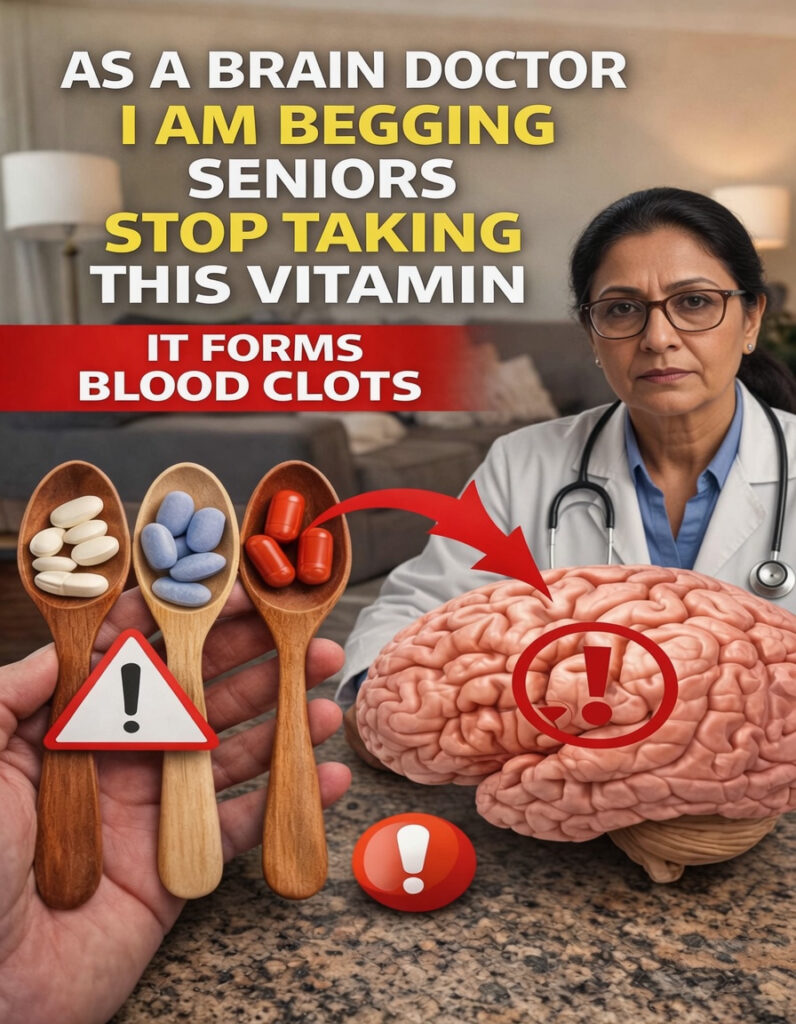
Many older adults take daily vitamins to protect their bones, support heart health, and maintain energy with age. Recently, however, viral posts and dramatic social media claims have led many people to worry that one vitamin in particular may make blood thicker and increase the risk of clots. As a result, some seniors have started questioning supplements they once trusted.
That concern is understandable, especially when alarming advice spreads quickly through friends, family, and online communities. Still, the science tells a much calmer story. One important detail—often left out of those warnings—is that consistency matters far more than fear.
What Vitamin K Does in the Body
Vitamin K is a fat-soluble vitamin with two primary forms:
- Vitamin K1: mainly found in leafy green vegetables
- Vitamin K2: produced in small amounts by gut bacteria and also present in fermented foods
This nutrient has been studied for many years because it plays a crucial role in helping the body make proteins needed for normal blood clotting. According to research from the National Institutes of Health, too little vitamin K can make it harder for the body to stop bleeding properly after everyday cuts or injuries.
The problem is that this natural function is often misunderstood. Because vitamin K helps the body clot when necessary, some headlines wrongly suggest that it automatically creates dangerous clots. That is not the full picture.
In reality, vitamin K becomes a concern mainly when intake changes sharply—especially in people already taking medications that affect clotting. Many seniors use blood thinners such as warfarin, and sudden increases or decreases in vitamin K can influence how those drugs perform. The issue is not that vitamin K is harmful. The real issue is maintaining balance and staying in communication with a healthcare provider.
How Vitamin K Affects Blood Clotting
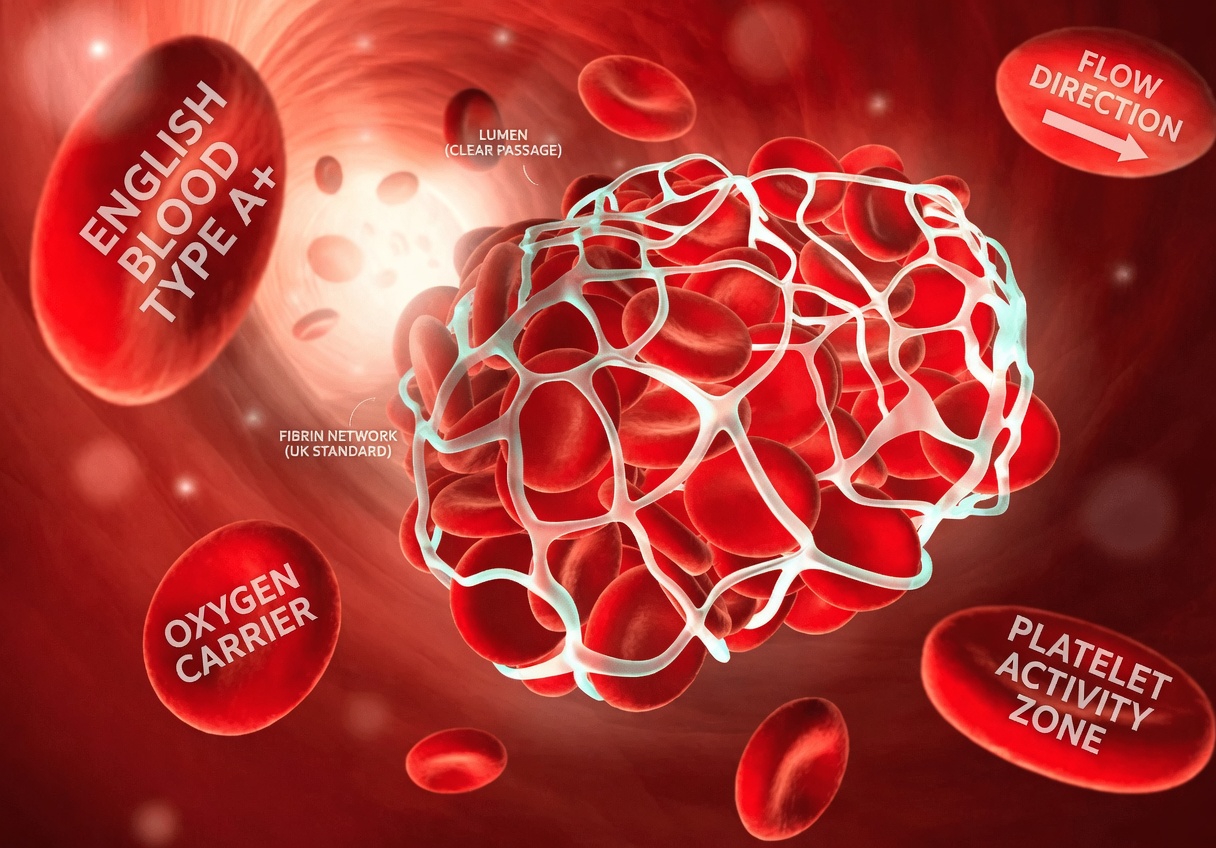
Blood clotting is a highly regulated process designed to protect the body from excessive bleeding. Vitamin K helps activate several clotting factors made in the liver, allowing this system to work as intended. Peer-reviewed studies have consistently shown that stable vitamin K intake supports a stable clotting response.
Problems may arise when someone suddenly starts taking large supplemental doses, especially if they are also on medication for heart disease, stroke prevention, or circulation issues. In those situations, the body’s clotting balance can shift.
Still, there is another side to this discussion. Many older adults already consume significant amounts of vitamin K through food without realizing it. Leafy greens, broccoli, and fermented foods can all contribute meaningful amounts. According to expert guidance from organizations such as the Cleveland Clinic, the main concern is usually irregular intake, not the nutrient itself. That is why many doctors focus on keeping intake steady rather than removing vitamin K from the diet completely.
Why Seniors Need to Pay Closer Attention
As people age, several factors can make vitamin K management more important:
- More seniors are prescribed blood-thinning medications for atrial fibrillation, stroke prevention, or other cardiovascular conditions.
- Metabolism and eating habits often change over time.
- Some multivitamins and supplements contain vitamin K in amounts people may overlook.
- Health trends can lead to sudden changes in diet or supplement use.
What many online warnings fail to explain is that most healthy seniors eating a normal diet are not at high risk. For the majority of older adults, vitamin K-rich foods are not a danger. The issue is usually limited to people with medication interactions or those making extreme changes in intake.
Research suggests that seniors who maintain a steady amount of vitamin K—whether from diet or from supplements supervised by a doctor—rarely experience major problems. Trouble is more likely when someone suddenly starts taking high-dose supplements or abruptly avoids all green vegetables.
Vitamin K Foods vs. Supplements
To understand the difference more clearly, it helps to compare common sources of vitamin K.
1. Leafy Greens and Vegetables (Vitamin K1)
Examples include:
- Kale
- Spinach
- Broccoli
- Swiss chard
- Collard greens
These foods provide vitamin K in moderate, natural amounts along with fiber, minerals, and antioxidants. Because they are part of regular meals, they are less likely to cause dramatic spikes when eaten consistently.
2. Fermented Foods (Vitamin K2)
Common sources include:
- Natto
- Sauerkraut
- Aged cheeses
- Some fermented dairy products
Vitamin K2 is a different form of the nutrient, and some research suggests it may also support bone and vascular health.
3. Supplements
Vitamin K supplements often come in concentrated doses through capsules, tablets, or softgels. These products can provide more vitamin K than a standard meal, which is why they deserve extra caution—especially for seniors taking blood thinners.
The biggest takeaway is simple: food-based vitamin K is usually easier to manage than high-dose supplements. Many nutrition professionals recommend getting nutrients from meals first unless a doctor advises otherwise.
Safe Ways to Manage Vitamin K Intake
There is no need for panic or drastic lifestyle changes. A few simple habits can make vitamin K intake much safer and more predictable.
Five practical steps to start now
-
Track what you eat for a week
Use a notebook or an app to estimate how much vitamin K you normally get. -
Take medications consistently
Try to take your prescriptions at the same time each day and pair them with regular eating habits. -
Talk to your doctor before adding any supplement
Bring the bottle or supplement label to your appointment. -
Keep greens consistent
Avoid eating huge amounts one day and none the next. -
Follow recommended blood testing schedules
Regular testing can quickly show whether your medication or diet needs adjustment.
These habits help maintain the steady balance your body and your treatment plan depend on.
A Lesser-Known Benefit: Brain Health
For adults over 60, healthy blood flow to the brain becomes increasingly important. Balanced clotting supports circulation while reducing the chances of unwanted complications. Some emerging research also suggests vitamin K may contribute to brain cell protection and help limit inflammation, although more evidence is still needed.
The key point remains unchanged: experts are generally more concerned about sudden changes in vitamin K intake than about moderate daily amounts from a balanced diet.
Common Myths About Vitamin K
Myth 1: Vitamin K automatically raises clot risk
This is misleading. Vitamin K supports normal clotting, which the body needs to prevent excessive bleeding. According to respected sources such as the Mayo Clinic, problems are uncommon and are usually linked to medication interactions rather than vitamin K alone.
Myth 2: Seniors should avoid vitamin K completely
This is also false. Most older adults benefit from eating vitamin K-containing foods as part of a healthy diet. Eliminating these foods without medical guidance can do more harm than good.
Myth 3: Supplements and food act the same way
Not always. Whole foods tend to provide vitamin K in more manageable amounts, while supplements may deliver concentrated doses that require closer monitoring.
Myth 4: The body gets vitamin K only from food
Not quite. Gut bacteria can produce some vitamin K naturally. Supporting digestive health with fiber-rich foods and probiotics may help the body maintain healthy levels without relying on extra supplements.
Easy Everyday Habits for Seniors
Making small dietary changes is often more effective than chasing health trends. Consider these practical ideas:
- Add spinach to an omelet instead of choosing a processed breakfast item
- Include broccoli or kale with dinner a few times a week
- Try yogurt or other fermented foods as part of breakfast or snacks
- Grow leafy greens at home if you enjoy gardening
- Review your multivitamin label to see whether it contains vitamin K
The goal is not to become afraid of food or supplements. The goal is to stay informed and consistent. Most seniors who work with their doctor and avoid extreme changes do very well.
Final Thoughts: Balance Matters More Than Hype
Vitamin K is an essential nutrient that helps support normal blood clotting, bone strength, and possibly brain health as well. For seniors, the most important strategy is not avoidance—it is steady intake and medical guidance when needed.
Instead of reacting to viral claims or sensational warnings, focus on consistency, healthy meals, and open discussions with your healthcare provider. When vitamin K is handled thoughtfully, it remains a valuable part of healthy aging rather than something to fear.
FAQ
1. Does vitamin K always increase the risk of blood clots?
No. Vitamin K helps the body clot normally, but that does not mean it automatically causes dangerous clots. Problems usually happen only with sudden large changes in intake or when certain medications are involved.
2. Can I still eat salads if I take blood thinners?
Yes. In most cases, you can continue eating salads and green vegetables. The important thing is to keep your intake consistent so your doctor can adjust your medication appropriately.
3. Are multivitamins safe for seniors worried about clotting?
They can be, but the label should be checked carefully. If the product contains vitamin K, show it to your doctor or pharmacist to make sure it fits safely into your overall treatment plan.
Disclaimer
This article is for informational purposes only and should not replace medical advice, diagnosis, or treatment from a qualified healthcare professional. Always consult your doctor before making changes to your diet, supplements, or medications.