Pumpkin Seeds (Pepitas/Auyama Seeds): A Simple Daily Food for Energy, Sleep, and Heart Support
Constant fatigue, restless nights, and growing concerns about heart health are common as we get older. Many people chase complicated “quick fixes,” yet overlook everyday foods that can meaningfully support energy, sleep quality, and overall wellness.
One surprisingly powerful option is pumpkin seeds—often called pepitas (hulled pumpkin seeds) or auyama seeds in regions where auyama squash is popular. With the right routine, a small daily serving can deliver an impressive mix of nutrients that many diets fall short on.
What Are Pumpkin Seeds (and Why Are They Sometimes Called Auyama Seeds)?
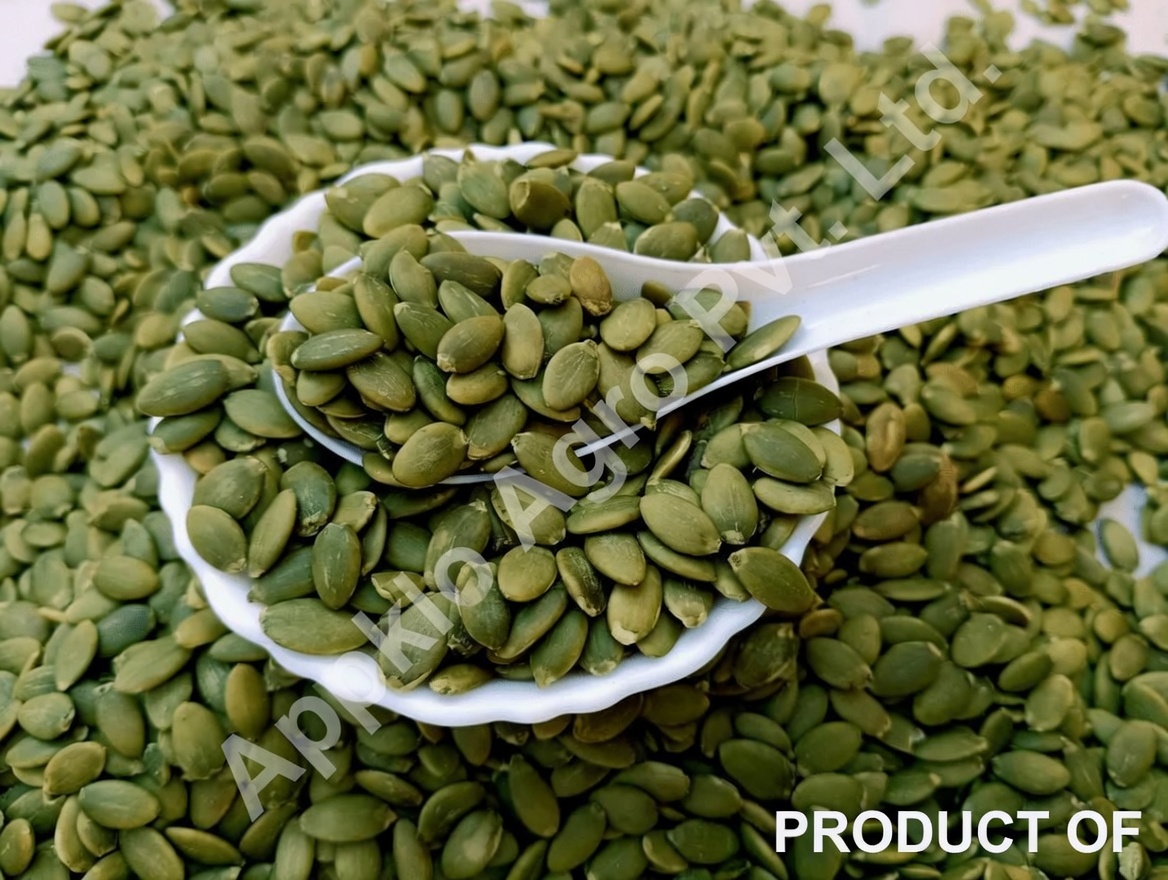
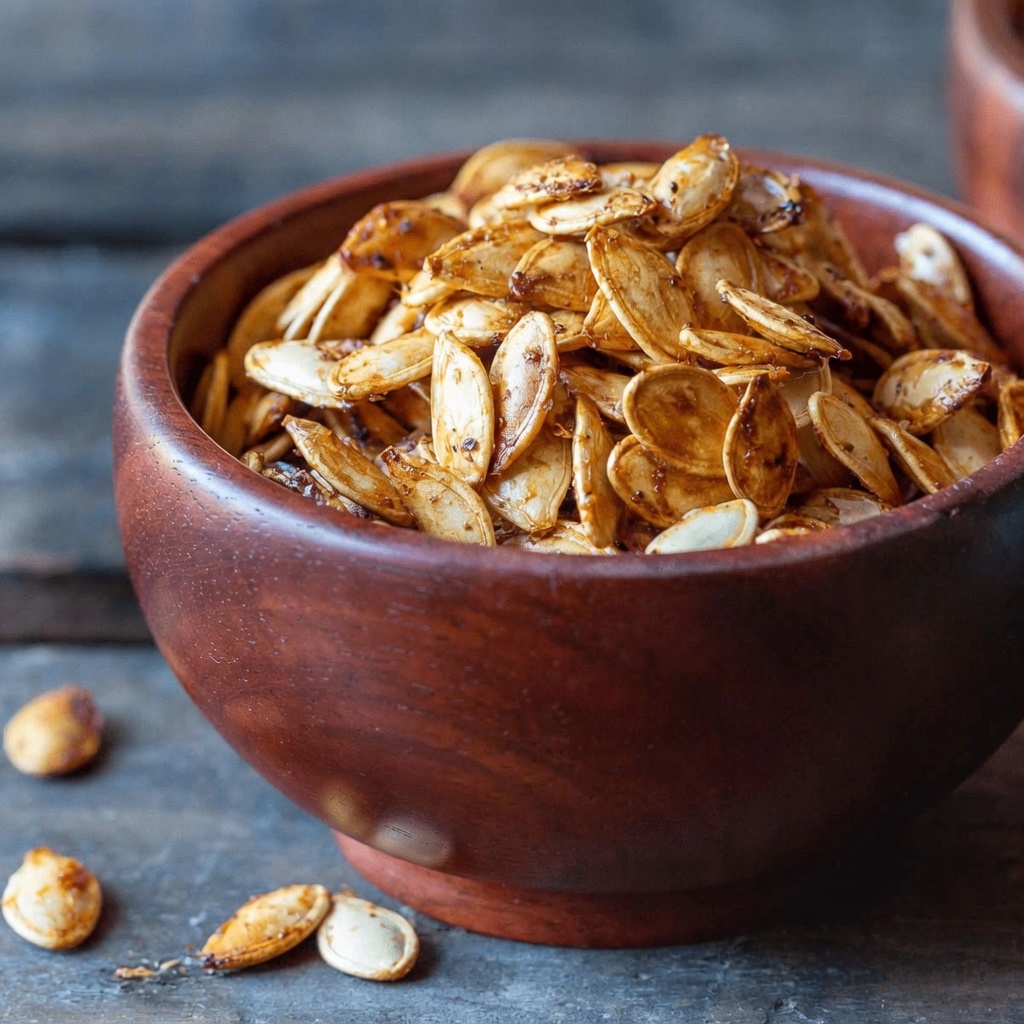
Pumpkin seeds come from multiple pumpkin and squash varieties, including auyama, a squash frequently used in Latin American cooking. The seeds are typically flat and oval, with a green kernel inside a white shell. Many stores sell them hulled (as pepitas) for convenience.
Beyond being a crunchy snack, pumpkin seeds are known for their nutrient density, offering a lot of value in a small handful.
Nutrition Snapshot: What You Get in a 1-Ounce Serving
A typical 1-ounce (28g) serving of roasted pumpkin seeds provides approximately:
- 150–170 calories
- 7–10g plant-based protein
- 10–15g fats, mostly unsaturated
- 1–5g fiber (more if you eat them with the shell)
- Key minerals, including:
- Magnesium (up to ~150mg, close to 40% of daily needs)
- Zinc (~2–3mg)
- Iron (varies by brand and preparation)
They also contain antioxidants such as vitamin E and polyphenols, which support overall cellular health.
Why Pumpkin Seeds Stand Out Nutritionally
Pumpkin seeds are especially valuable because they combine several nutrients that commonly run low in modern eating patterns:
- Magnesium: One of the best food sources. Magnesium supports 300+ biochemical processes, including muscle function, nerve signaling, and energy production.
- Zinc: Essential for immune function and healthy hormone balance.
- Healthy fats: Mostly unsaturated fats, including omega-6 fats (useful in moderation as part of a balanced diet).
- Tryptophan: An amino acid linked to mood and sleep regulation through its role in serotonin and melatonin pathways.
This well-rounded profile is why pumpkin seeds are often considered a compact “nutrient powerhouse.”
Evidence-Informed Benefits of Pumpkin Seeds
Below are key ways pumpkin seeds may support wellness based on nutritional science and the known roles of their nutrients.
1. Heart Health Support
Pumpkin seeds provide magnesium, which helps support healthy blood pressure already within normal ranges. Their unsaturated fats and antioxidant compounds also fit well into heart-conscious eating patterns. Major health sources frequently highlight pumpkin seeds as a top natural magnesium choice.
2. Better Sleep Quality
Pumpkin seeds contain tryptophan, which the body can convert into serotonin and melatonin—important for sleep-wake rhythm. When combined with magnesium and zinc, this nutrient trio may be especially helpful for winding down and supporting more restful sleep.
3. Immune Resilience
Zinc and iron play important roles in immune defense. Regular intake can help support your body’s natural resilience, especially during seasonal shifts.
4. Digestive Comfort and Longer-Lasting Fullness
The fiber in pumpkin seeds supports healthy digestion and can help you feel satisfied longer—useful for mindful snacking and balanced meals.
5. Antioxidant Support
Pumpkin seeds contain vitamin E, carotenoids, and polyphenols, which help combat oxidative stress and support overall cellular wellness.
6. Prostate Wellness (Men)
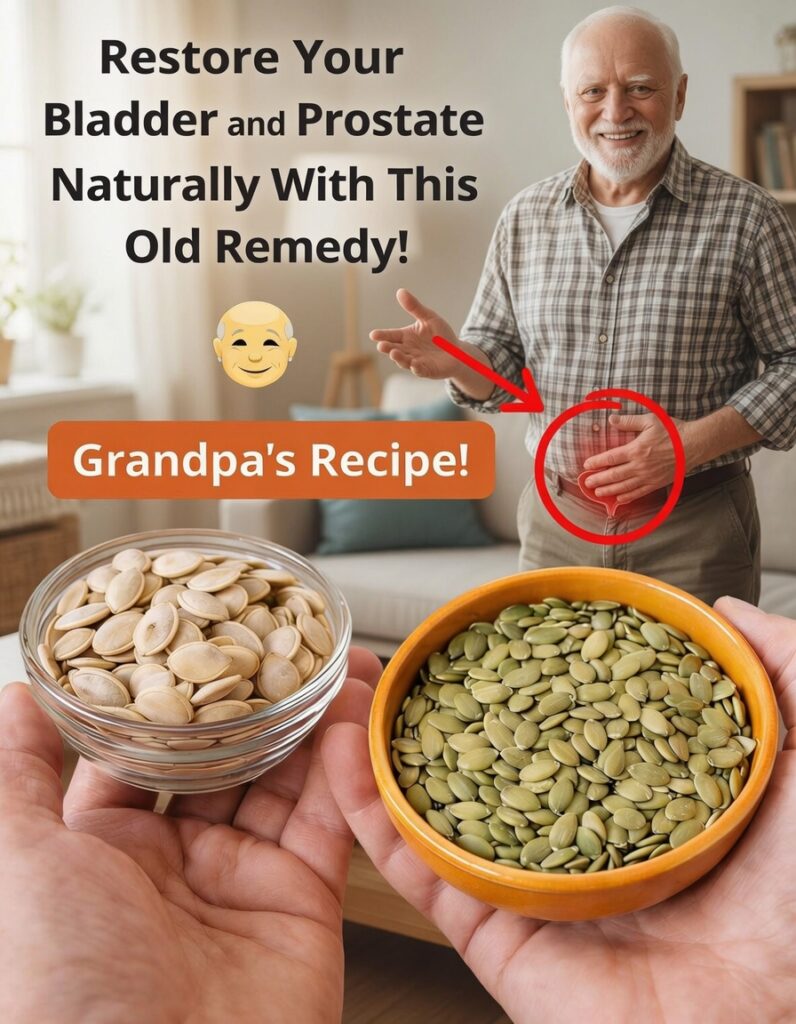
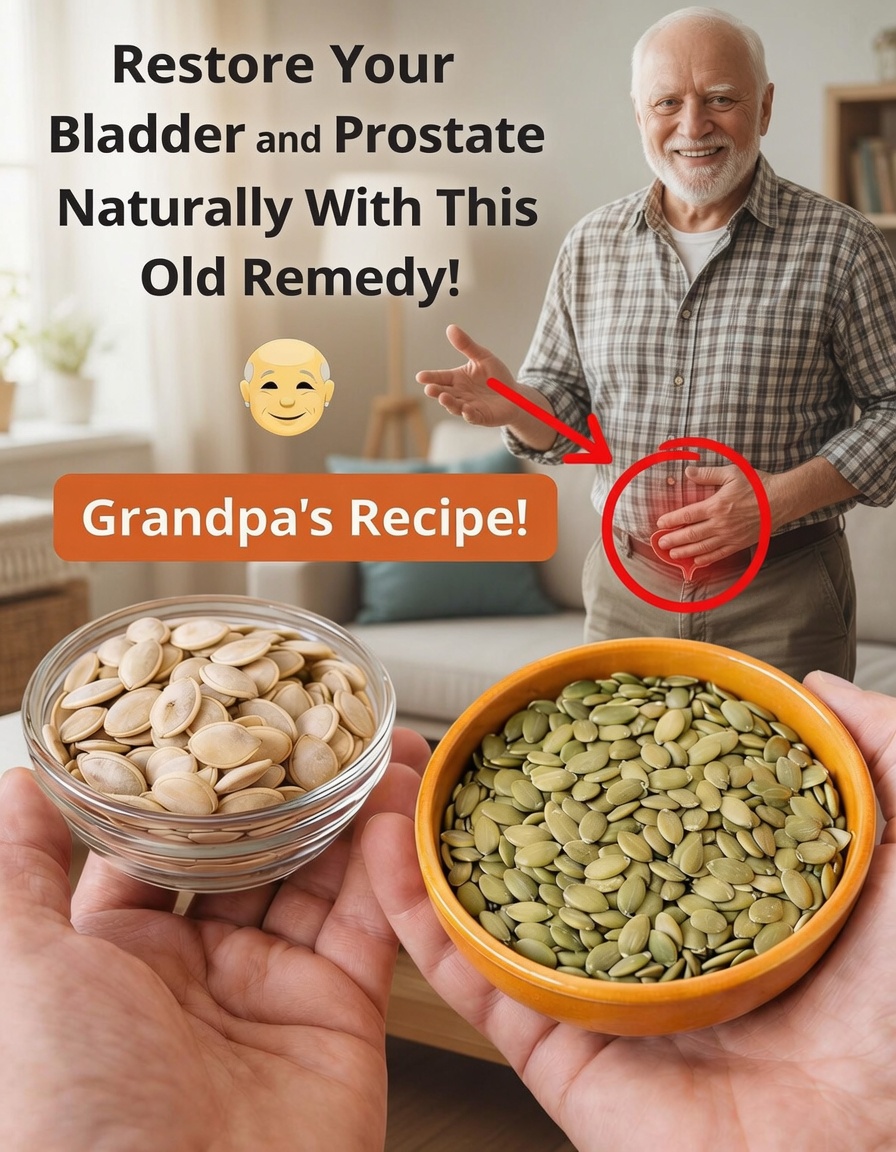
Some research suggests pumpkin seeds may help support prostate comfort, including symptoms commonly associated with benign prostate enlargement—likely due to their mix of zinc and plant compounds.
7. Skin and Hair Nutrition
With zinc, healthy fats, and antioxidants, pumpkin seeds can support healthier-looking skin and stronger hair over time as part of a nutrient-rich diet.
Emerging research also continues to explore pumpkin seeds for areas like blood sugar support and inflammation balance.
Pumpkin Seeds vs. Common Snacks: A Quick Nutrient Comparison
In 1 ounce, pumpkin seeds typically deliver:
- Pumpkin seeds: ~37% DV magnesium, ~20% DV zinc, ~8g protein
- Almonds: ~20% DV magnesium, ~6% DV zinc, ~6g protein
- Chips: minimal micronutrients, often high sodium
For nutrient density, pumpkin seeds consistently outperform many popular snack options.
How to Add Pumpkin Seeds to Your Day (Simple, Practical Ideas)
Use these easy strategies to make pumpkin seeds a consistent habit:
- Pick the right kind: Choose raw or dry-roasted and unsalted to limit added sodium. If available, consider organic or non-GMO for quality.
- Start with a small daily amount: Aim for 1 ounce (a small handful) and adjust based on how you feel.
- Snack with purpose: Eat them plain as an afternoon snack for steady energy.
- Upgrade meals: Sprinkle on yogurt, oatmeal, salads, or grain bowls for crunch and nutrients.
- Blend or grind: Add to smoothies, or grind into a powder to thicken soups and sauces.
- Roast at home: Toss raw seeds with spices and bake at 300°F (150°C) for 15–20 minutes, stirring halfway through.
Absorption tip (often overlooked)
To support mineral absorption, soak pumpkin seeds overnight, then rinse and eat as-is or roast. This can help reduce phytic acid naturally.
Easy evening habit (to maximize the sleep-friendly nutrients)
Try a small handful 1–2 hours before bed, ideally with herbal tea, as part of a consistent wind-down routine.
Key Takeaway: Small Seed, Meaningful Impact
Pumpkin seeds (pepitas/auyama seeds) offer a simple, affordable way to add magnesium for heart support, tryptophan for sleep routines, and zinc for immune function—all in a convenient daily serving. For many people, a consistent “handful-a-day” habit can be a practical upgrade to overall wellness.
Frequently Asked Questions
Are pumpkin seeds safe to eat every day?
Yes—most people can enjoy them daily in moderation, typically 1–2 ounces as part of a balanced diet.
Do I have to remove the shell?
Not necessarily. The shell adds fiber, but hulled pepitas are easier to chew. Both options work.
Can pumpkin seeds support weight management?
They can help. The combination of protein, fiber, and healthy fats promotes fullness, which may reduce mindless snacking when portion sizes are managed.
Disclaimer
This article is for informational purposes only and does not provide medical advice. Pumpkin seeds can support nutrition but are not a treatment or cure for any condition. Consult a healthcare professional before making major dietary changes, especially if you have allergies, digestive concerns, or underlying medical conditions. Individual results may vary.