
How Everyday Food Choices May Influence Long-Term Health
More people are paying close attention to how daily eating habits can affect health over time. Yet with endless diet advice online, it is often difficult to know what is supported by research and what is simply hype. That uncertainty can create stress around meal choices and raise questions about whether small decisions today may shape future well-being.
The encouraging news is that nutrition science does offer practical guidance. By understanding which foods are linked to higher health risks and learning a few realistic alternatives, you can make meals feel simpler, healthier, and less confusing. Below are five commonly eaten foods and drink categories that research has associated with increased cancer risk, along with easy swaps you can start using right away.
Understanding the Link Between Diet and Cancer Risk
Major health organizations, including the World Health Organization and the American Cancer Society, have studied how eating patterns relate to disease risk. It is important to remember that no single food directly causes cancer by itself. However, regular intake of certain foods may raise risk when combined with other influences such as genetics, inactivity, smoking, alcohol use, and overall lifestyle.
Being informed does not mean becoming fearful. It means gaining the knowledge to make better choices more consistently.

1. Processed Meats: A Category Worth Limiting
Processed meats include products such as bacon, sausages, hot dogs, deli slices, and cured meats that are preserved by smoking, salting, curing, or chemical additives. Research has found strong links between frequent consumption of processed meat and certain cancers, especially colorectal cancer.
According to findings from the International Agency for Research on Cancer, processed meat has been placed in a high-risk classification for some cancers. This concern is largely tied to compounds created during processing and preservation.
Examples to watch:
- Bacon
- Salami
- Pepperoni
- Hot dogs
- Canned meats
- Deli meats
Why this matters:
- Regular intake may increase exposure to nitrates and other chemical compounds
- It may contribute to inflammation in the body
- Repeated consumption over time is associated with a greater health risk
Smarter alternatives:
- Use fresh chicken, turkey, or fish in sandwiches
- Season meals with herbs, garlic, pepper, and spices instead of cured meats
- Keep processed meats for occasional use rather than daily meals
2. Red Meat: Quantity and Cooking Method Matter
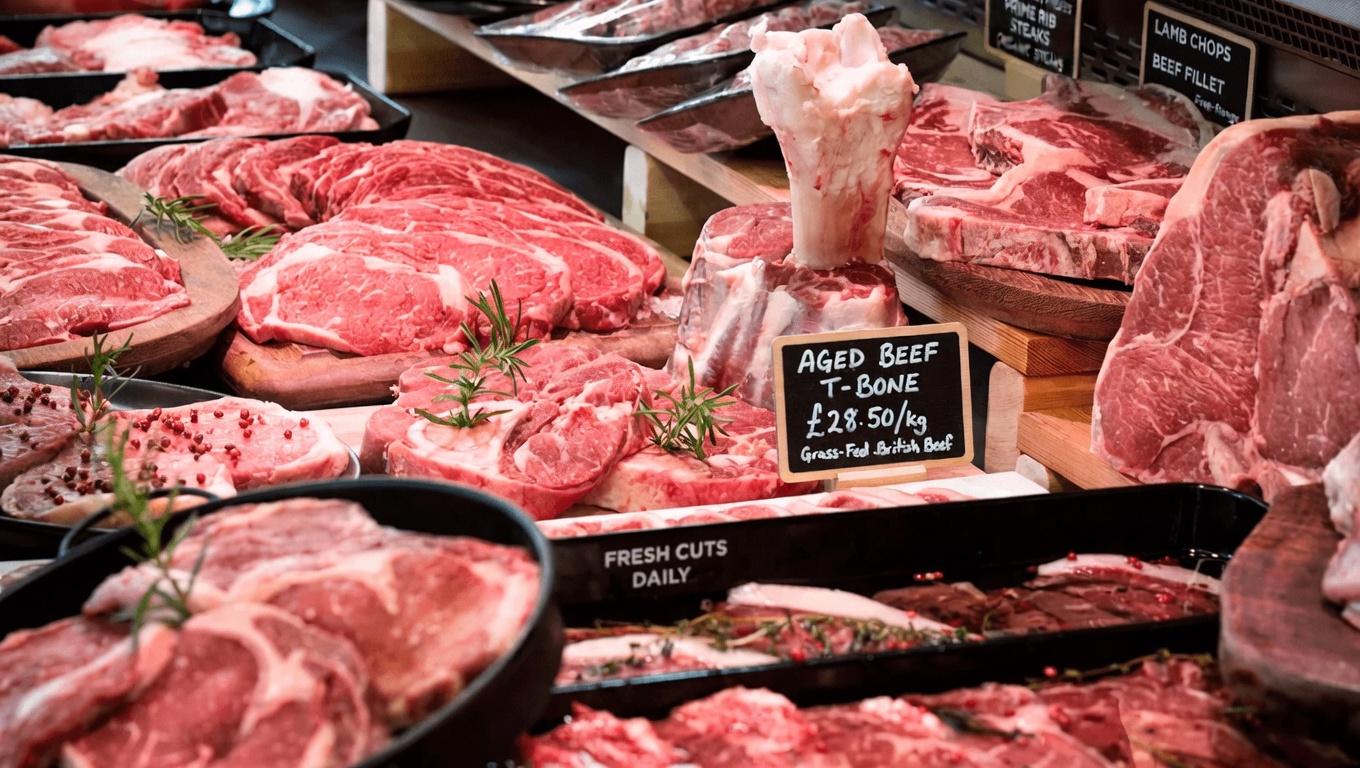
Red meat, including beef, pork, and lamb, is common in many cuisines. While eating it once in a while is not the main concern, consistently large amounts over many years have been linked in multiple studies to a higher risk of certain cancers.
Experts often point out that the issue is not just the meat itself, but also how much is eaten and how it is cooked. High-temperature methods such as grilling or charring can produce compounds that may be harmful.
Examples of high intake:
- Eating steak every day
- Frequent hamburgers
- Large portions of pork or lamb at most meals
Main concerns:
- Heme iron found in red meat
- Harmful compounds formed during high-heat cooking
- Greater risk associated with long-term heavy consumption
Healthier swaps and habits:
- Replace some meat-based meals with beans, lentils, or chickpeas
- Choose leaner cuts and reduce portion sizes
- Use marinades with herbs and lemon before cooking
- Grill less often and try baking, stewing, or steaming instead
3. Alcohol: Risk Goes Beyond Empty Calories
Alcohol is often part of celebrations, dinners, and social gatherings, but research consistently shows that drinking is linked to a higher risk of several cancers, including breast, liver, and esophageal cancer. The relationship is dose-dependent, meaning the risk tends to rise as alcohol intake increases.
That does not mean social connection has to disappear. The key is moderation, awareness, and choosing alternatives when possible.
Common types:
- Beer
- Wine
- Spirits and liquor
Why alcohol raises concern:
- It can damage DNA
- It may affect hormone levels
- Long-term use is linked with increased cancer risk in multiple organs
Practical ways to cut back:
- Alternate alcoholic drinks with sparkling water
- Try non-alcoholic beer, wine, or mocktails
- Follow public health guidance on drinking limits
- Use fresh fruit, herbs, and citrus to create alcohol-free drinks at home
4. Ultra-Processed Foods: A Modern Diet Problem
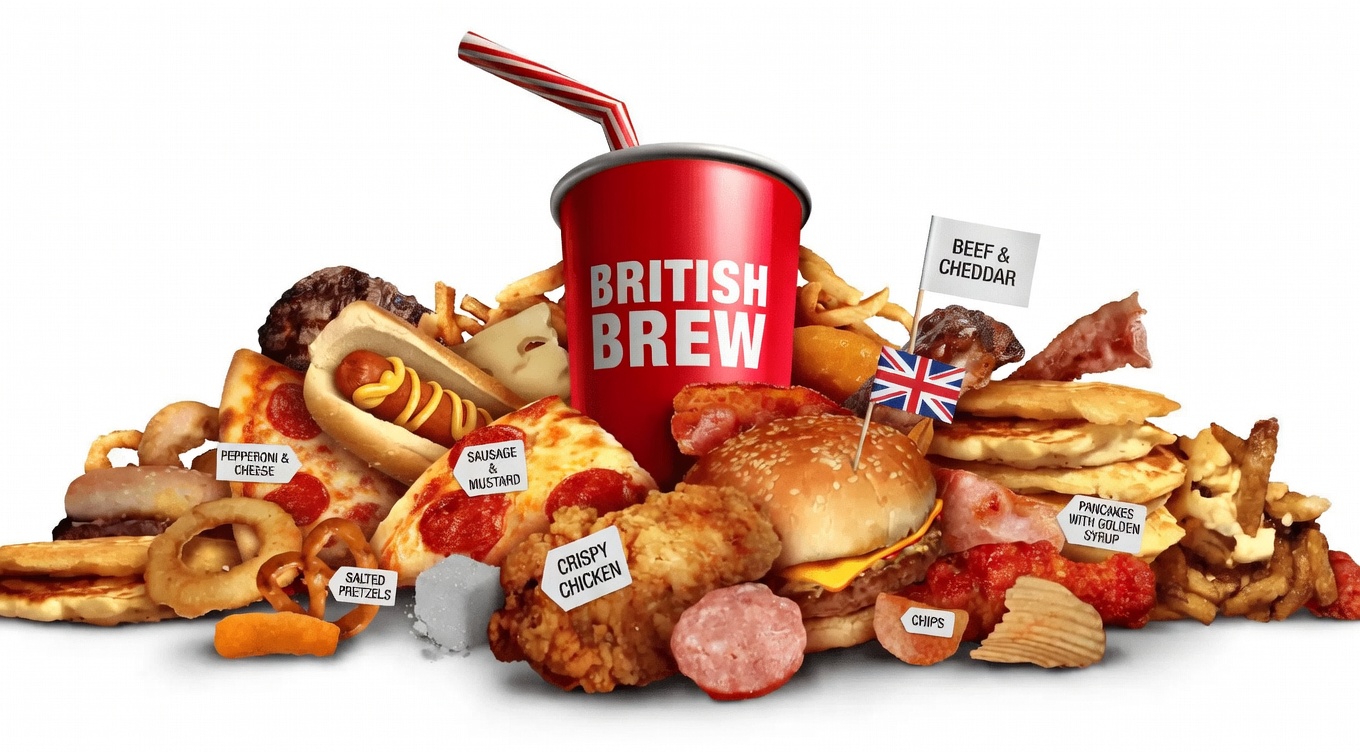
Ultra-processed foods are industrially manufactured products that often contain long ingredient lists, additives, preservatives, flavor enhancers, refined starches, unhealthy fats, excess salt, and added sugars. Studies increasingly suggest that high intake of these foods may be associated with a variety of health problems, including greater cancer risk.
Many people are surprised by how easily these foods become part of daily life because they are cheap, convenient, and heavily marketed.
Common examples:
- Packaged snack foods
- Soft drinks
- Instant noodles
- Sugary breakfast cereals
- Frozen ready meals
- Processed desserts
Why they may be harmful:
- They are often low in fiber and essential nutrients
- They can encourage overeating
- Some additives and processing methods may negatively affect health
- They often replace more nourishing whole foods
How to reduce them:
- Read ingredient labels more carefully
- Choose foods closer to their natural form
- Cook simple meals at home using fresh ingredients
- Keep easy snacks on hand like fruit, yogurt, nuts, or boiled eggs
5. Sugary Drinks and Refined Sugar: Small Habits, Big Impact
Drinks with large amounts of added sugar can contribute to weight gain, and excess body weight is a known risk factor for multiple cancers. Research suggests these beverages may influence health through obesity, blood sugar imbalance, and inflammation.
The good part is that reducing sugar does not have to feel extreme. Small substitutions can make a meaningful difference.
Drinks and foods to limit:
- Soda
- Energy drinks
- Sweetened fruit juices
- Sugar-heavy coffee drinks
- Other beverages with added sugar
Possible effects:
- Quick spikes in blood sugar
- Excess calorie intake without much nutrition
- Greater likelihood of weight gain over time
Easy changes to try:
- Switch to water with lemon, mint, or berries
- Drink unsweetened tea or coffee
- Reduce sugar gradually so your taste buds can adjust
- Replace sweet drinks with sparkling water when possible
Positive Nutrition Choices That Support Overall Health
Focusing only on foods to avoid can feel discouraging. A better long-term strategy is to also build meals around foods that support wellness. Research often highlights the value of eating more nutrient-rich, minimally processed foods.
Protective foods to include more often:
- Colorful fruits and vegetables
- Whole grains such as oats, brown rice, and quinoa
- Legumes like lentils, beans, and peas
- Nuts and seeds in moderate amounts
These foods provide important nutrients, antioxidants, and fiber, all of which can support overall health and help create a more balanced diet.
How to Make Healthy Changes Stick
The best approach is to start small. Choose just one of the food categories above and make one realistic change this week. Over time, those small improvements can build into lasting habits. Consistency is usually far more important than perfection.
One simple strategy many people overlook is batch cooking. Preparing a few whole-food meals in advance on the weekend can make healthy eating much easier during a busy week. When better options are ready to go, it becomes much easier to avoid less healthy convenience foods.
Frequently Asked Questions
Can diet alone prevent cancer?
No. Diet is only one part of the bigger picture. Genetics, physical activity, smoking status, alcohol use, environmental exposure, and overall lifestyle also play major roles. Still, a balanced eating pattern can meaningfully support long-term health.
How much of these foods is too much?
There is no single answer for everyone. Risk depends on factors such as age, health status, family history, and overall diet. Reviewing recommendations from trusted health organizations and speaking with your doctor can help you make more personalized decisions.
Which foods are most often recommended for better health?
Plant-based foods are frequently encouraged in research. Some top choices include:
- Berries
- Leafy greens
- Cruciferous vegetables such as broccoli and cabbage
- Whole grains
- Beans and lentils
These foods contain beneficial compounds that may help support the body and promote overall wellness.
Disclaimer
The information in this article is intended for educational and informational purposes only. It should not be considered a substitute for professional medical advice, diagnosis, or treatment. Always consult your physician or another qualified healthcare provider with any questions about a medical condition or dietary concern.