
Why You Feel Exhausted by Noon: The Sleep Factor Most People Overlook
Do you feel wiped out by the middle of the day even after starting with coffee? A lot of people force themselves through fatigue, assuming stress or a packed schedule is to blame. Meanwhile, their energy keeps sinking, basic responsibilities feel harder, and irritability starts to build. It can be discouraging to feel like your body is no longer keeping up.
The real issue may be much simpler than it seems: not getting enough sleep. And there is one surprisingly effective bedtime habit that can make reaching your ideal sleep hours much easier.
The Science of Sleep and Daily Performance
Sleep is not just downtime. It is when the body restores tissues, regulates hormones, and prepares the brain for the demands of a new day. Both sleep length and sleep quality have a direct effect on how well you function physically and mentally.
Studies from sleep researchers repeatedly show a clear difference between adults who consistently sleep about eight hours and those who get only four. The gap appears in several areas, including:
- Recovery and tissue repair
- Hormone regulation
- Mood and mental clarity
- Immune strength
- Fat metabolism and storage
What many people do not realize is how quickly sleep deprivation affects the body. Just a few short nights can noticeably change your energy, focus, and resilience. The upside is that even small improvements in sleep habits can produce fast results.

What 8 Hours of Sleep Can Do for Your Body
When you regularly get eight hours of quality rest, your body has enough time to enter deeper restoration phases. During deep sleep, growth hormone is released, helping with muscle repair and tissue recovery. That is one reason people often wake up feeling refreshed instead of stiff, sore, or sluggish after a full night of sleep.
Adequate sleep also supports healthier hormone balance. Insulin sensitivity tends to improve, and the hormones that regulate appetite stay more stable. That often leads to fewer cravings, steadier energy, and less urge to snack impulsively during the day.
At the same time, your immune system becomes stronger overnight by producing more protective proteins, helping you stay healthier during cold and flu season.
Common benefits of getting 8 hours of sleep
- Quicker recovery after exercise or daily physical activity
- Better hormone balance, including lower stress levels
- Improved mood and sharper concentration
- Stronger immune defense
- Better support for healthy fat burning rather than fat storage
Over time, these effects add up and make daily life feel easier, lighter, and more manageable.
What Happens When You Only Sleep 4 Hours
Sleeping just four hours on a regular basis creates a very different internal state. Instead of recovering, the body remains under mild stress. Cortisol, the stress hormone, tends to stay elevated. While cortisol helps with alertness in the short term, chronically high levels can contribute to more fat storage, especially around the abdominal area.
Physical recovery also slows because the deepest restorative sleep stages are shortened or missed altogether.
The mental effects are just as noticeable. Focus becomes weaker, decision-making feels cloudy, and even ordinary conversations or tasks can feel draining. Many people also experience stronger cravings for sugary and salty foods because sleep loss disrupts the hormones that signal fullness and hunger.
Common effects of getting only 4 hours of sleep
- Slower recovery from workouts or normal daily strain
- Higher cortisol levels that leave you tense and tired
- More cravings and reduced concentration
- Lower immune resilience and more frequent minor illness
- Greater tendency to store fat instead of using it for energy
After only a few nights, the difference is hard to ignore. A sleep-deprived body cannot operate at full capacity.
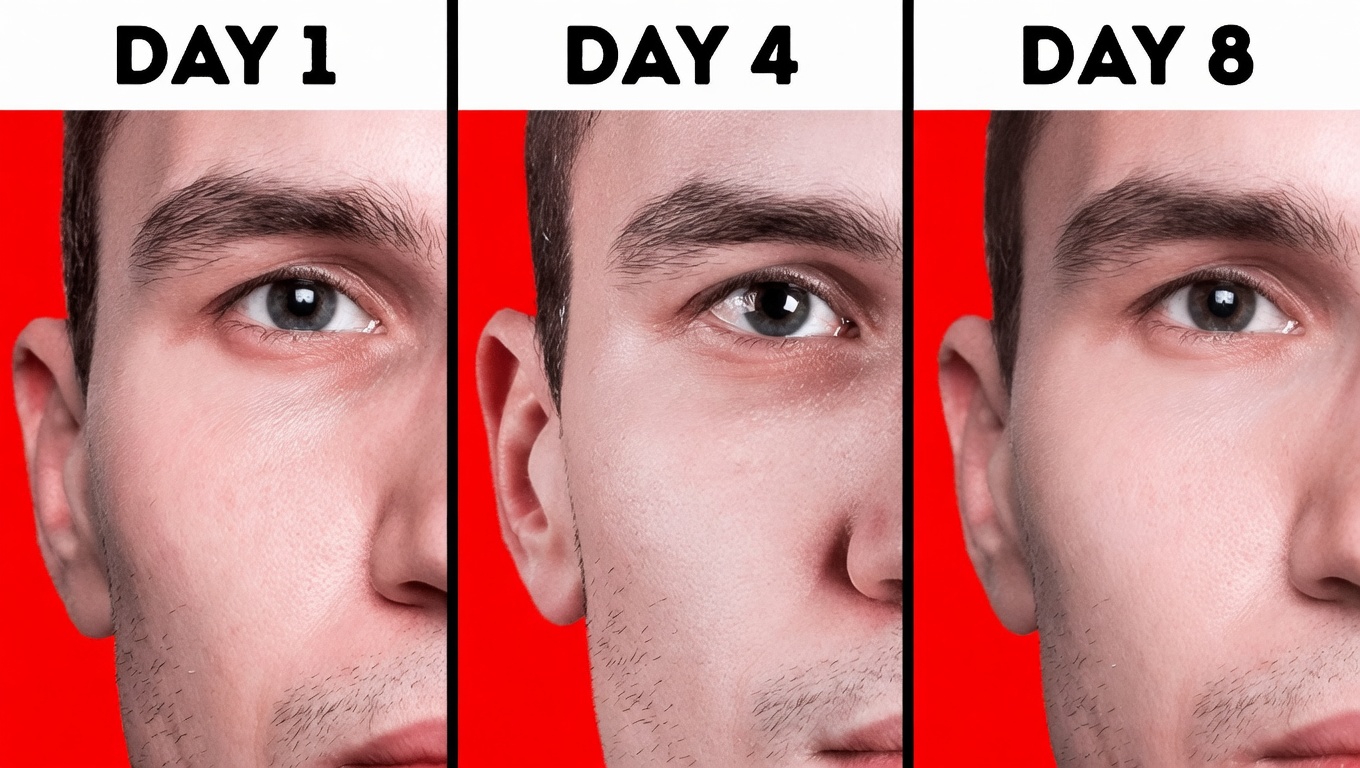
8 Hours vs 4 Hours of Sleep: A Clear Comparison
Looking at the two side by side makes the contrast easier to understand.
8 Hours of Sleep
- Faster recovery from everyday wear and tear
- More balanced hormones for stable energy
- Better mood and clearer thinking
- Stronger immune protection
- Better support for healthy fat-loss processes
4 Hours of Sleep
- Slower recovery and longer-lasting soreness
- Higher cortisol and more physical stress
- Cravings, mood swings, and poor focus
- Weaker immunity and more frequent fatigue
- Stronger signals for fat storage
This difference is not about motivation or toughness. It is about whether your body gets enough time to repair and reset.
How Sleep Affects Hormones and Physical Recovery
Your endocrine system depends heavily on sleep to stay balanced. During deep sleep, growth hormone rises and supports muscle repair and tissue healing. At the same time, cortisol naturally falls, allowing your nervous system to relax and recover.
When sleep is cut down to four hours, that rhythm is disrupted. Cortisol stays higher, and growth hormone has less opportunity to do its work. The result is slower healing, poorer recovery, and a body that often feels older and more worn down than it should.
This is why athletes and regular exercisers often notice that adding just one extra hour of sleep improves recovery more than changing their workout routine. The same principle applies to anyone with physical demands, whether that means working out, standing all day, carrying children, or doing repetitive tasks at work.
Better Sleep, Better Mood, Better Focus, Better Immunity
Sleep is deeply connected to mental performance. When you get a full eight hours, the brain has time to clear out metabolic waste that builds up during the day. It also strengthens the neural connections involved in memory, attention, and problem-solving.
That can lead to:
- Better concentration
- Fewer mood crashes
- More emotional stability
- A greater sense of calm
The immune system also benefits. Research suggests that well-rested people produce more infection-fighting proteins than those who regularly sleep too little. Over weeks and months, that nightly advantage can translate into fewer sick days and faster recovery when illness does happen.
One of the most encouraging parts is that these gains are not limited to perfect sleepers. Small, steady improvements can move you closer to eight hours and start producing noticeable changes within one or two weeks.
Practical Ways to Get 8 Hours of Rest Starting Tonight
You do not need expensive sleep devices or supplements to sleep better. The most effective strategies are simple and repeatable.
Follow these steps to improve sleep quality and duration
-
Choose a fixed bedtime and wake-up time
- Keep them consistent every day, including weekends, to train your internal body clock.
-
Make your bedroom cool and dark
- Blackout curtains can help, and a room temperature around 18 to 20°C is often ideal.
-
Create a 30-minute screen-free wind-down routine
- Lower the lights, read a physical book, or do light stretching before bed.
-
Avoid caffeine late in the day
- Try not to consume caffeine after 2 p.m., and avoid heavy meals within three hours of bedtime.
-
Add gentle evening movement
- A short walk or a few minutes of stretching can signal to your body that the day is ending.
-
Track your sleep for one week
- Use a notebook or a free app to identify patterns and make small adjustments.
Many people begin falling asleep more quickly and waking up feeling better after only five nights of following these habits. The real key is consistency, not perfection.
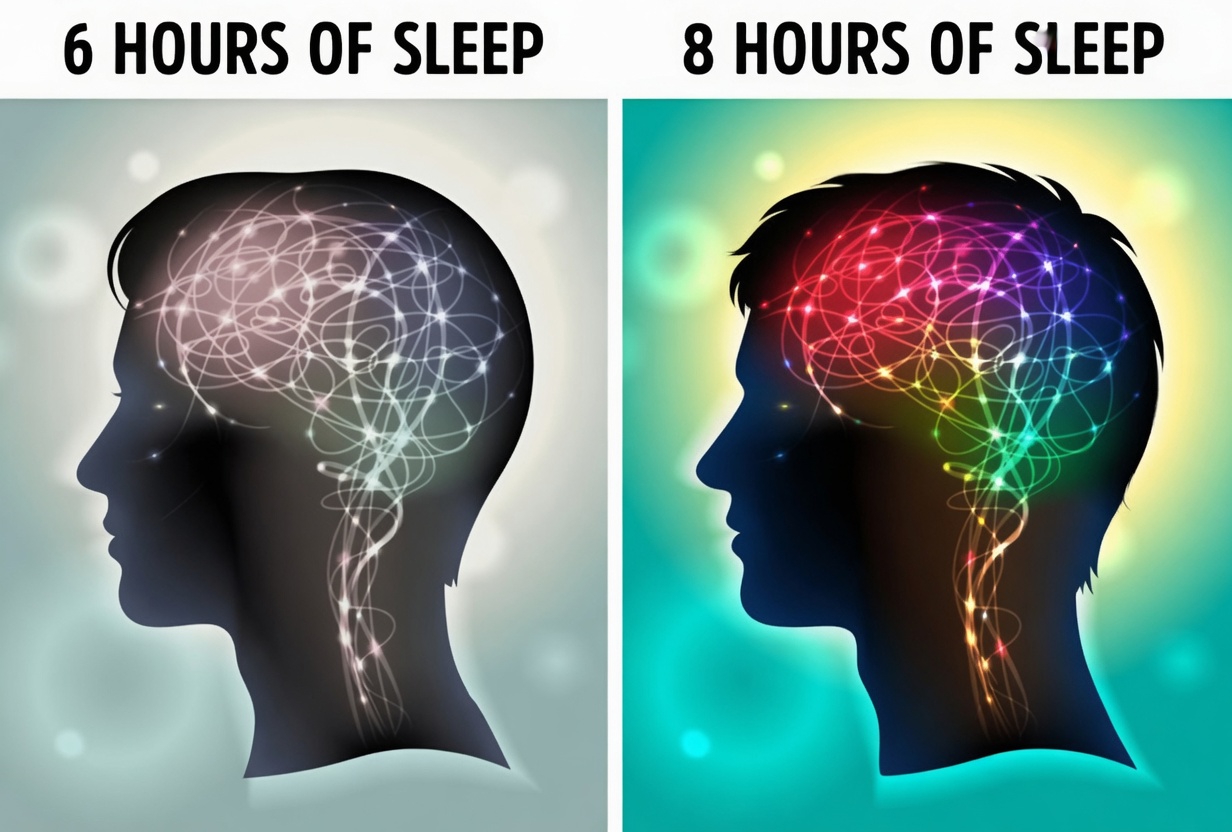
Common Sleep Disruptors and How to Fix Them
Several everyday habits quietly interfere with sleep, especially:
- Late-night scrolling
- Bright lights in the bedroom
- Inconsistent bedtimes
- Too much caffeine too late in the day
Fortunately, each of these has a manageable solution.
Simple fixes for common sleep problems
- Replace phone time with a paper journal or printed book
- Use softer, dimmer lighting in the evening
- Treat bedtime like an important appointment you do not skip
- Keep your sleep and wake times steady
Once these barriers are removed, sleeping eight hours stops feeling unrealistic and starts becoming a normal part of your routine.
How to Track Progress and Stay Motivated
A simple way to stay motivated is to write one short note every morning for two weeks, such as: “Woke up feeling tired,” or “Woke up clear and energized.”
This small habit helps you quickly see the link between sleep duration and how you feel each day. The pattern often becomes obvious faster than expected.
Celebrate the small signs of progress, including:
- Falling asleep faster
- Waking up before your alarm
- Having fewer cravings
- Feeling calmer in the morning
- Getting through the afternoon without crashing
Those early improvements matter because they reinforce the habit and make it easier to stay consistent.
Final Takeaway
If you are constantly tired, moody, unfocused, or struggling with recovery, your sleep schedule may be the missing piece. The difference between eight hours and four hours is not minor. It affects hormones, energy, immunity, mental clarity, and even how your body stores fat.
The good news is that you do not need a complete life overhaul. A few practical bedtime changes can move you closer to the sleep your body needs. Start tonight, stay consistent, and your energy may improve much faster than you expect.