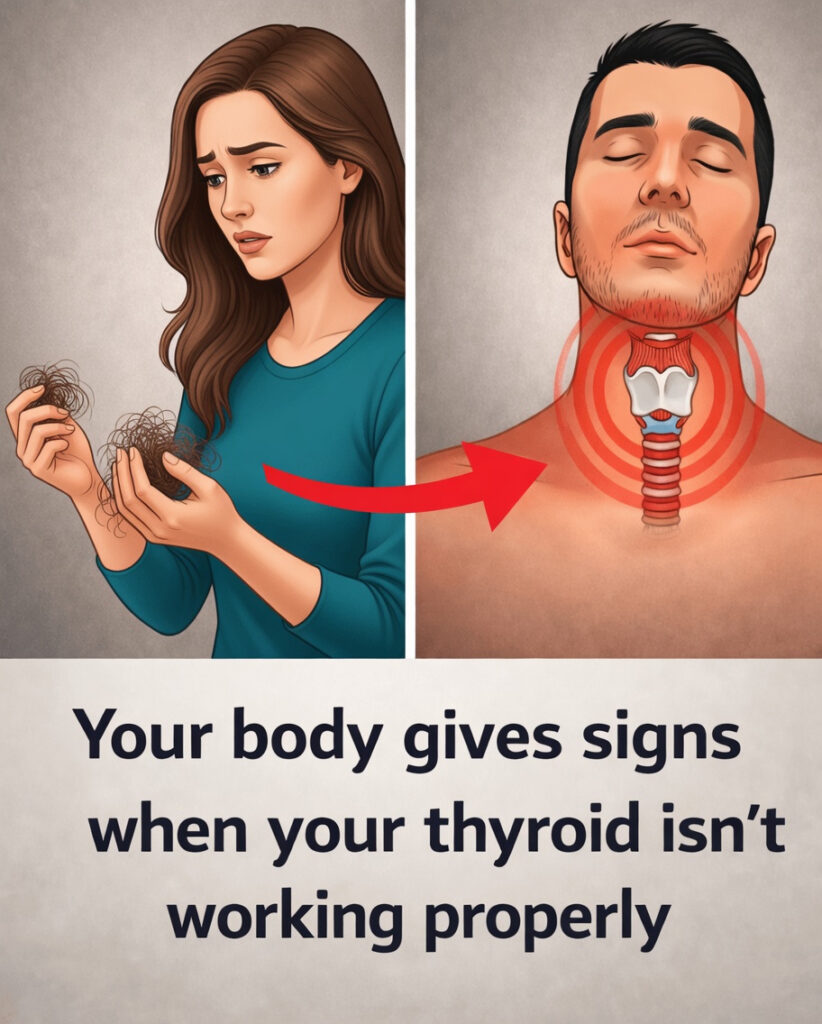
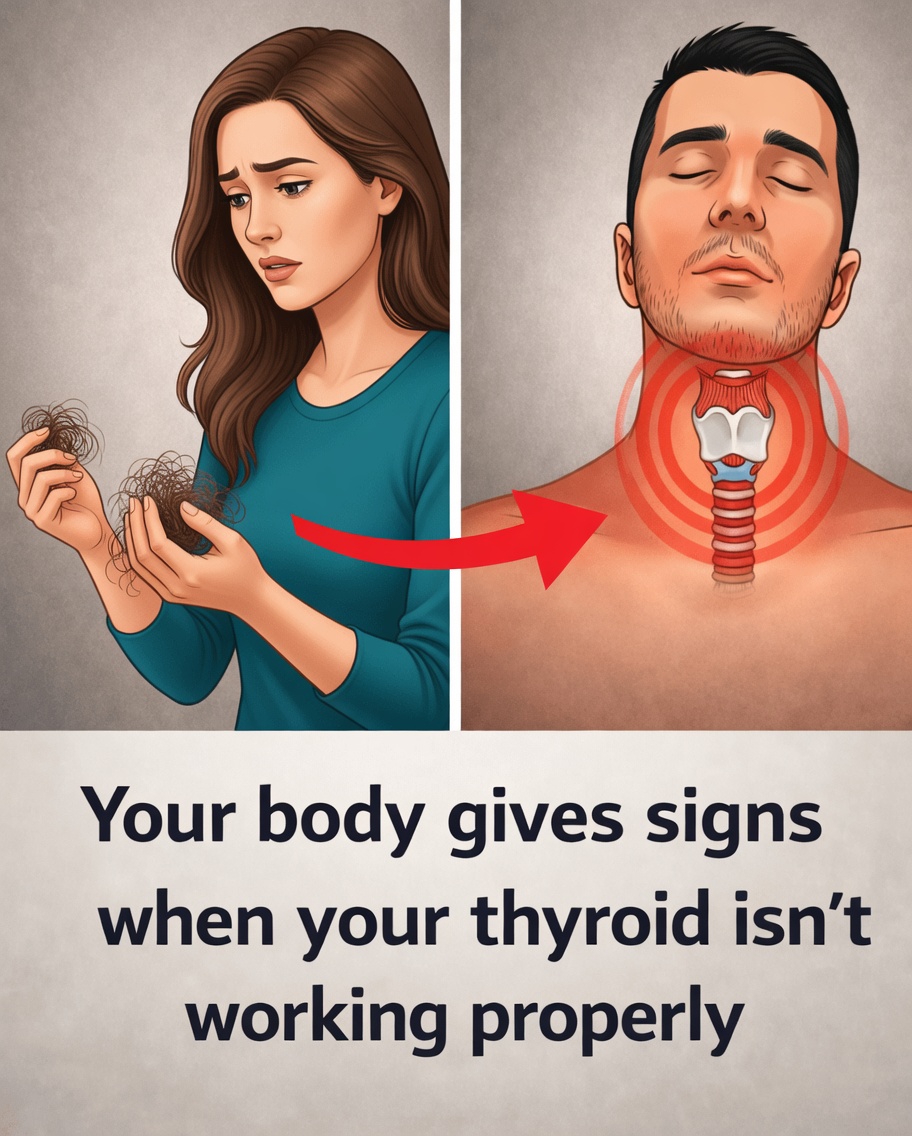
Subtle Thyroid Warning Signs You Shouldn’t Ignore
Feeling worn out despite sleeping well, noticing unexplained changes in how your clothes fit, or finding yourself unusually irritable over minor issues can all seem easy to dismiss. Many people blame these changes on stress, getting older, or a busy lifestyle. However, they can sometimes signal an underlying thyroid issue.
The thyroid is a small, butterfly-shaped gland located in the front of the neck. Even though it is small, it plays a major role in regulating energy, body weight, mood, and many other essential functions through hormone production. When thyroid hormone levels become unbalanced, the body often sends subtle signals long before more serious symptoms appear.
The encouraging part is that recognizing these signs early can help you start a simple conversation with your doctor. And there is one surprisingly important daily habit that many people overlook, which may help support healthy thyroid function naturally. You will find it near the end.
What Is the Thyroid Responsible For?
Positioned at the base of the neck, the thyroid makes hormones known primarily as T3 and T4. These hormones act like a control system for metabolism and influence how efficiently the body works.
They help regulate:
- How fast your body uses energy
- Heart rate and body temperature
- The pace of digestion
- Mental clarity and emotional balance
- The health of your skin, hair, and nails
Research suggests that even small changes in thyroid hormone levels can affect multiple body systems. That is why thyroid-related symptoms often seem unrelated at first.
Why Thyroid Problems Are Easy to Miss Early On
Thyroid imbalances often develop slowly rather than appearing all at once. Studies have shown that mild symptoms may be present for years before a diagnosis is made. Because these signs often resemble everyday stress or fatigue, many people overlook them.
Paying attention to repeating patterns is important, especially when several symptoms appear together. That can help you take action sooner instead of waiting for symptoms to become more severe.
10 Common Signs Your Thyroid May Need Attention
When thyroid function changes, these are some of the most commonly reported warning signs:
-
Ongoing fatigue that rest does not fix
You may wake up tired, feel drained throughout the day, or hit an energy slump every afternoon no matter how much sleep you get. -
Unexpected weight changes
You may gain weight even though your eating and activity habits have stayed the same, or lose weight without trying. -
Mood changes such as anxiety, irritability, or feeling low
Emotional shifts without a clear cause can sometimes be tied to thyroid hormone changes. -
Hair, skin, or nail changes
Thinning hair, dry skin, and weak or brittle nails are common complaints. -
Sensitivity to temperature
Some people feel cold all the time, even in comfortable environments, while others feel overly warm or sweat more easily than usual.

-
Digestive changes
Constipation or more frequent loose stools may develop when the thyroid is not working as it should. -
Changes in heart rhythm
You may notice a pulse that feels slower than normal, unusually rapid, or irregular with occasional fluttering. -
Swelling or fullness in the front of the neck
A visible or noticeable enlargement in this area may suggest a goiter. -
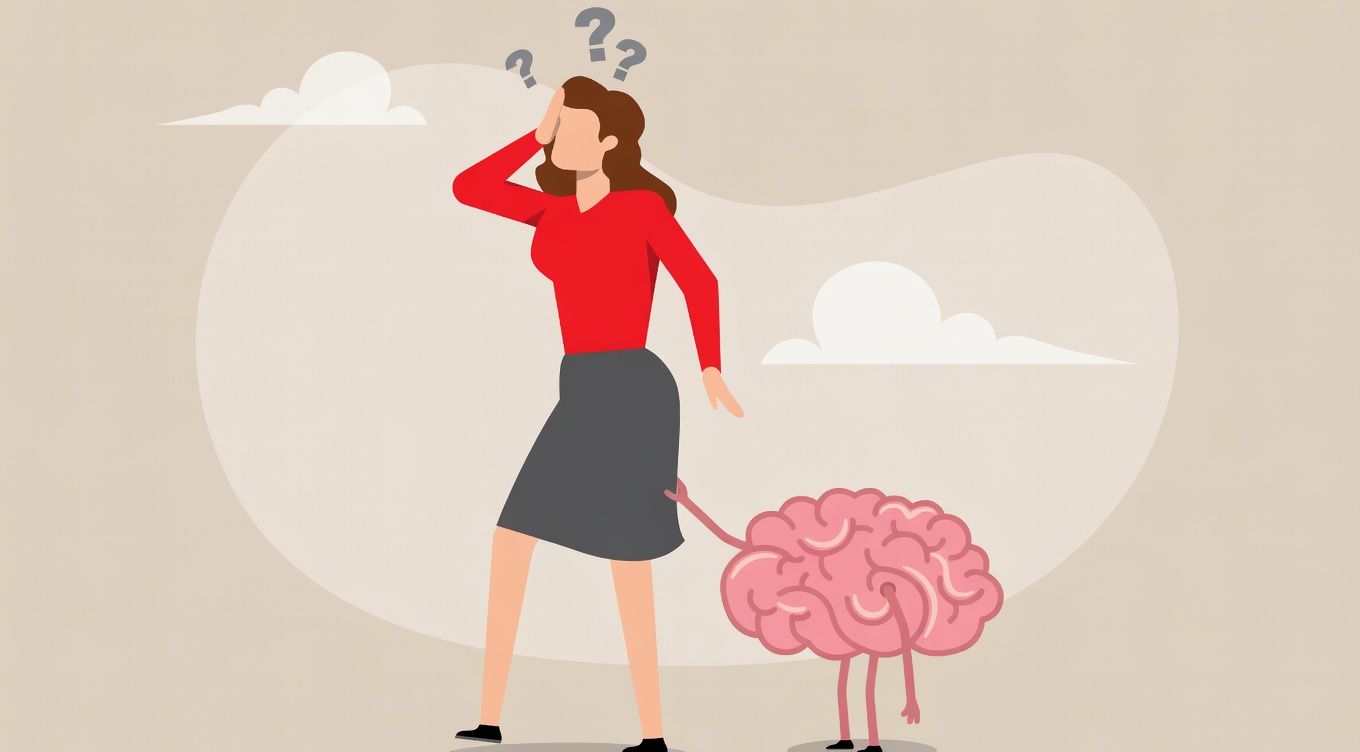
Brain fog or concentration problems
Trouble focusing, forgetfulness, or feeling mentally slowed down can all be related. -
Menstrual cycle changes
Periods may become heavier, lighter, or less predictable than usual.
If several of these symptoms sound familiar, it may be helpful to track them and discuss them with a healthcare professional.
Hypothyroidism vs. Hyperthyroidism: The Main Difference
Most thyroid conditions generally fit into one of two broad categories.
Hypothyroidism: Underactive Thyroid
When the thyroid is underactive, metabolism slows down. Common signs include:
- Fatigue
- Weight gain
- Feeling cold more often
- Dry skin
- Constipation
- Slower heart rate
Hyperthyroidism: Overactive Thyroid
When the thyroid is overactive, metabolism speeds up. Common signs include:
- Unexplained weight loss
- Heat intolerance
- Sweating more than usual
- Rapid heartbeat
- Tremors
- Anxiety
- Difficulty sleeping
Some people clearly fit one pattern, but symptoms can overlap or shift over time.
What Can Contribute to Thyroid Imbalance?
According to health organizations, a number of factors may play a role in thyroid dysfunction, including:
- Too little or too much iodine in the diet
- Family history and genetic predisposition
- Autoimmune conditions
- Hormonal life stages such as pregnancy or menopause
- Certain commonly used medications
These influences do not always cause immediate symptoms. In many cases, the body adjusts gradually, and the signs build over time.
How Thyroid Function Is Usually Tested
Doctors typically begin with a blood test to check thyroid markers such as:
- TSH (thyroid-stimulating hormone)
- T4
- Sometimes T3
If needed, an ultrasound may also be used to examine the shape and structure of the gland. These tests can provide a much clearer picture of what is happening and help avoid guesswork.
When to Speak With a Doctor
If you notice several thyroid-related symptoms that continue for weeks or months, it is a good idea to talk with your healthcare provider. Early evaluation can lead to better understanding and appropriate next steps, whether that means monitoring, additional testing, or treatment such as hormone support.
Do not delay medical attention if you experience:
- Swelling in the neck
- Difficulty swallowing
- Heart-related symptoms such as racing or irregular heartbeat
Daily Habits That May Support Thyroid Health
No habit or food can replace proper medical care, but healthy lifestyle choices may help support overall thyroid wellness.
Here are some practical habits worth focusing on:
-
Eat a balanced diet
Include nutrients linked with thyroid health, such as selenium, zinc, and iodine. Good examples include Brazil nuts in moderation, seeds, nuts, iodized salt, and seafood. Avoid taking any nutrient to extremes. -
Stay physically active
Try to move for about 30 minutes on most days. Walking, yoga, and light strength training can help support metabolic balance. -
Reduce daily stress
Deep breathing, brief meditation, and time outdoors may help lower stress, which can influence hormone balance. -
Protect your sleep
Aim for 7 to 9 hours of sleep each night. A consistent sleep schedule supports many hormone-related processes. -
Cut back on heavily processed foods
Reducing excess sugar and refined foods may help lower inflammation and support overall wellbeing.
The often-forgotten habit that deserves more attention is staying well hydrated. Even mild dehydration may affect energy levels and hormone signaling more than many people realize. Drinking enough water consistently is a simple step that can support your body’s natural rhythm.
Final Thoughts
Your thyroid has a quiet but powerful influence on how you feel every day. Persistent fatigue, changes in weight, mood shifts, and other subtle symptoms should not always be brushed aside. Listening to those early signals gives you a better chance to act before bigger problems develop.
Simple awareness, timely medical guidance, and supportive daily habits can go a long way in helping you feel more balanced and energized.
Frequently Asked Questions
What is the difference between hypothyroidism and hyperthyroidism symptoms?
Hypothyroidism is more often linked to fatigue, weight gain, and feeling cold. Hyperthyroidism typically causes weight loss, heat sensitivity, restlessness, and a fast heartbeat. Because some symptoms overlap, testing is the best way to confirm the cause.
Can stress cause symptoms that feel like a thyroid problem?
Yes. Long-term stress can cause fatigue, mood changes, and difficulty concentrating, which may resemble thyroid symptoms. If these issues continue, a medical check-up can help rule out thyroid involvement.
How often should thyroid function be checked?
If you have risk factors such as family history, autoimmune disease, or ongoing symptoms, ask your doctor whether screening is appropriate. In many cases, testing may be done yearly or whenever symptoms suggest the need.
Disclaimer
This article is for informational purposes only and does not replace professional medical advice. Always consult a qualified healthcare provider for personal guidance about your health.