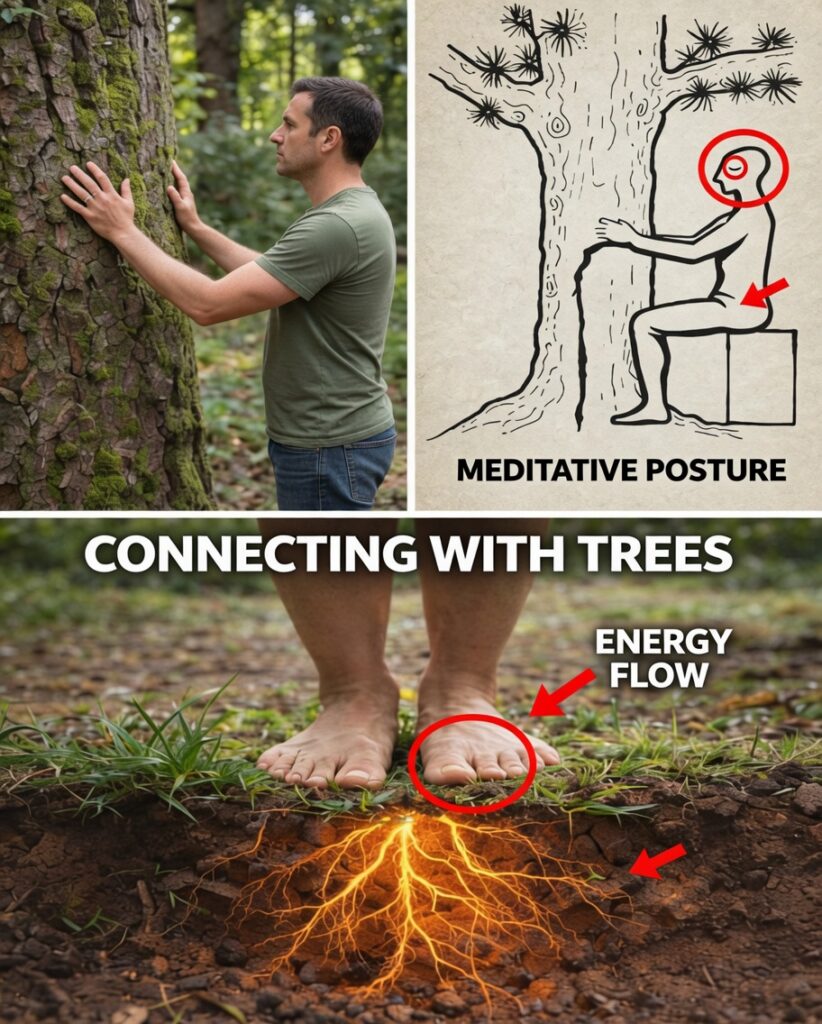
In fast-paced, tech-saturated daily life, it’s increasingly common to feel chronically tired, mentally restless, and oddly disconnected. Many people live with persistently high stress that can make each day feel unbalanced and heavy. One simple, low-cost way to pause and recalibrate is to stand barefoot on natural ground while gently connecting with a tree. This blend of grounding (earthing) and mindful tree contact draws from long-standing nature-based traditions and aligns with growing research on the benefits of time outdoors.
What makes this approach so attractive is its simplicity: you combine direct contact with the Earth’s surface and the calming presence of a living tree. While larger, rigorous studies are still needed, early earthing research suggests possible links to reduced stress-related markers. Meanwhile, evidence around forest immersion (forest bathing) consistently points to improvements in mood and well-being. If you’d like a practical way to try it—and understand why trees can make the experience feel even more restorative—start with the guide below.
What Is Grounding with Trees?
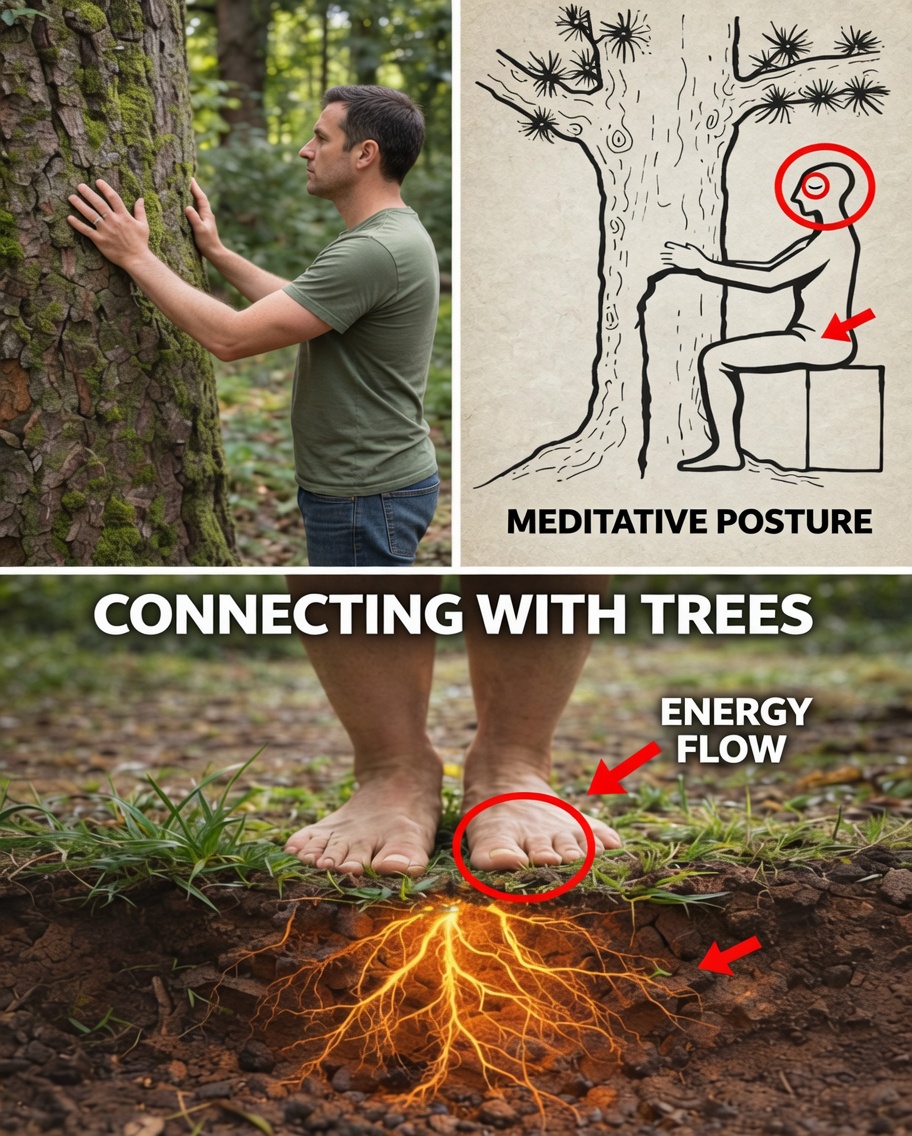
Grounding, also called earthing, means placing bare skin in direct contact with the Earth—such as standing or walking on grass, soil, sand, or moss. The central idea is that this contact may allow the body to interact with the Earth’s natural electrical balance.
Adding tree contact—touching the bark, leaning against the trunk, or gently holding the tree—can make the experience feel more immersive. Many people describe it as a stronger sense of steadiness and calm, likely because it engages more senses at once.
Trees also act as powerful symbols of balance: roots extend into the ground while branches rise upward. That physical structure often reinforces the felt experience of being “supported.” Research on shinrin-yoku (Japanese forest bathing) suggests that time among trees can help lower stress hormones such as cortisol and support overall mood. Pairing barefoot grounding with mindful tree touch builds on those nature-exposure effects for a gentle, whole-body reset.
Why Trees May Deepen the Grounding Effect
Trees do more than create shade and beauty—they also influence the surrounding environment in ways linked to relaxation. Studies suggest that trees release phytoncides, natural compounds that may help soften stress responses when we breathe them in. Forest bathing research commonly associates time around trees with:
- Lower cortisol levels
- Improved mood
- Stronger immune-related markers, including increased natural killer (NK) cell activity in some studies
When your feet meet the Earth while your hands meet the tree, you create a simple multi-sensory connection: grounding below, living texture and presence above. Many people find this combination helps them feel both “rooted” and mentally lighter.
Earthing research is still developing; small studies have reported potential benefits such as improved sleep and reduced tension, though stronger evidence is needed. Still, the broader picture is clear: time in nature reliably supports emotional and mental well-being—and this practice is an easy way to access that support without special tools or training.

How to Practice Tree Grounding (Step by Step)
This is a flexible practice that typically lasts 15–30 minutes, but even shorter sessions can be useful. Try the steps below:
-
Pick a tree that feels safe and inviting
Choose a healthy, stable tree in a calm area. Some people prefer oaks for their “strength” or pines for their scent, but the species matters less than your sense of comfort. -
Go barefoot—carefully
Remove shoes and socks and stand on clean grass, soil, or moss near the base of the tree. Bare skin-to-earth contact is the core of grounding.
If barefoot isn’t possible (weather, terrain, local rules), start with thin, natural soles as a transition. -
Make gentle contact with the tree
Place your palms on the bark, lean your back or shoulder against the trunk, or lightly wrap your arms around it. Notice the bark’s texture, temperature, and firmness. -
Slow your breathing
Inhale through your nose for a count of four, letting your belly expand. Exhale fully, releasing tension. Continue for several rounds to help settle the nervous system. -
Use a simple visualization (optional, but powerful)
Imagine stress and mental “noise” draining down through your feet into the ground. Then picture steady, supportive energy rising from the tree’s roots, moving through the trunk, into your hands, and through your body. -
Stay present and observe
Remain for 15–30 minutes. Pay attention to sensations: earth under your soles, bark beneath your fingers, the wind in the leaves, distant birds, shifting light. Let thoughts pass without chasing them.
Many people report feeling lighter, clearer, and more refreshed afterward—especially when they practice consistently.
Tips to Make It a Regular Habit
- Start with 10 minutes if your schedule is tight; regular practice matters more than long sessions.
- Choose a safe, clean area and watch for sharp objects, stinging insects, or unstable ground.
- Combine it with a short mindful walk among trees to amplify forest-bathing effects.
- Aim for a few times per week, ideally morning or late afternoon when outdoor spaces feel calmer.

Potential Benefits of This Practice
Results vary from person to person, and research is ongoing. Still, people who regularly combine grounding with nature connection often notice meaningful shifts. Findings from related research (earthing, forest bathing, and nature exposure) suggest possible benefits such as:
For the Body
- Muscles and joints may feel more relaxed due to posture support and reduced stress tension
- Gentle movement and sensory input may support circulation and physical ease
- Forest environments are linked in some studies to immune-supportive changes
- Reduced feelings of daily fatigue and a greater sense of restored energy
- Better sleep quality for some people, potentially through stress reduction
For the Mind and Emotions
- A calmer nervous system and less day-to-day stress
- Improved clarity, attention, and steadier mood
- Stronger present-moment awareness and less mental “spinning”
- A sense of emotional release, reset, or renewal
- Deeper feelings of connection, peace, and stability
These effects align with broader evidence showing that even brief time outdoors can positively shift mood and outlook.
Frequently Asked Questions (FAQ)
Is there strong scientific proof that grounding works?
Earthing studies show promising early signals (including stress-related changes), but many are small and more high-quality research is needed. Evidence for forest bathing and nature immersion is more consistent—particularly regarding lower cortisol and improved mental well-being.
Do I have to hug the tree, or is standing nearby enough?
Barefoot contact with the Earth is the foundation. Touching the tree is optional but often makes the experience more calming and sensory-rich. Start with what feels comfortable and natural.
Is tree grounding safe for most people?
Generally yes—if you choose a clean, safe location and avoid hazards like thorns, sharp debris, or uneven terrain. If you have balance concerns, skin sensitivities, or medical conditions, consider checking with a healthcare professional first.
Final Thoughts
Tree grounding is an invitation to return to something basic and restorative: direct contact with the living world. When life feels rushed or disconnected, stepping outside, feeling the ground under your feet, and resting your hands on a tree can create a surprising sense of calm and clarity. It’s simple, free, and available anywhere trees grow.
Try it this week in a nearby park or garden. Breathe slowly, stay present, and observe what shifts—nature has a quiet way of reminding us what steadiness feels like.
Disclaimer: This article is for informational purposes only and does not replace professional medical advice. While some studies suggest potential benefits from nature exposure and grounding (including stress reduction), these practices are not proven medical treatments, and experiences vary. Practice safely and consult a qualified healthcare provider for any health concerns.