When Intimacy Stops: What Really Happens to the Body and Relationship
Many couples go through seasons when sex becomes less frequent or disappears for a while. Stress, health changes, parenting, work pressure, or major life transitions can all interrupt intimacy. When that happens, it is common to wonder whether the body or relationship will suffer in hidden ways.
Fortunately, current research offers reassuring news. For most healthy adults, a pause in sexual activity does not lead to major physical damage. The body usually adjusts well, and any effects tend to be modest rather than extreme. Even so, understanding the possible changes can ease worry and help couples feel more in control.
The Science of a Pause in Sexual Activity
Health sources such as WebMD and Medical News Today consistently report that long stretches without sex rarely harm a healthy adult body. Human physiology does not depend on regular sexual activity to keep functioning normally, and many people remain healthy and emotionally balanced during these periods.
Some of the benefits often associated with sex, including hormone release, stress relief, and cardiovascular support, can also come from other wellness habits. Exercise, quality sleep, emotional closeness, and stress management can all provide similar support. That said, changes may still show up depending on factors like age, hormone levels, health status, and the quality of the relationship.
Knowing what is normal can make these pauses feel less alarming and much easier to navigate.
7 Common Changes Your Body May Notice
Research points to several possible effects when intimacy slows down or stops. These shifts are usually mild, manageable, and not a cause for panic.
1. Stress may feel more noticeable at first
Sex can trigger the release of oxytocin and endorphins, two chemicals linked to relaxation and emotional comfort. Without that boost, daily stress may seem slightly harder to handle for some people in the beginning.
This does not mean your well-being is in danger. In many cases, routines like exercise, mindfulness, better sleep, or affectionate non-sexual touch can help restore emotional balance.
2. There may be a small link to heart health
Some observational studies have found that people who have sex less than once a month show a slightly higher risk of certain heart-related issues. However, experts caution that this is a correlation, not proof that lack of sex directly causes those problems.
Other factors may explain the connection, such as lower physical activity, chronic stress, or mood-related changes. Regular movement, healthy eating, and stress reduction can offer many of the same protective effects.
3. Immune function could shift slightly
Some findings suggest that weekly sexual activity is associated with higher levels of immunoglobulin A, or IgA, a substance that helps the body fight germs. If sexual activity stops, that extra immune support may decline a little.
For most people, the difference is small and does not automatically lead to frequent illness. A strong immune system still depends far more on sleep, nutrition, physical activity, and overall health habits.
4. Vaginal tissue may change in some women
For women, especially after menopause, a drop in estrogen combined with less sexual activity may contribute to vaginal dryness or thinner tissue. This is sometimes described as a “use it or lose it” effect, though it is neither guaranteed nor permanent.
The good news is that it can often be managed effectively. Pelvic floor exercises, vaginal moisturizers, and medical guidance when needed can help maintain comfort and tissue health.
5. Sleep patterns might be a little different
After sex, many people experience a hormonal rise in prolactin and oxytocin, which can support deeper rest. Without that post-intimacy effect, some individuals may initially notice lighter sleep or more difficulty winding down.
In most cases, healthy bedtime habits can easily compensate. A consistent sleep routine, less screen time, relaxation techniques, and calming evening rituals can all help improve rest.
6. Memory and concentration may have indirect effects
Early research has explored a possible link between regular sexual activity and sharper memory, potentially due to improved blood flow and lower stress. But a pause in intimacy does not suddenly harm brain performance.
Mental stimulation from reading, learning, puzzles, meaningful conversation, and social connection can continue to support attention and cognitive health very effectively.
7. Emotional bonding may require more intention
One of the strongest changes often appears in the relationship itself. Intimacy can create an “afterglow” effect that may last up to two days, strengthening closeness and emotional security over time.
When sex is paused, couples may need to be more deliberate about staying connected. Honest conversations, affectionate gestures, quality time, and emotional openness can become even more important. In many cases, this actually helps build a deeper partnership.
The Viral Myth About “Build Up” in Reproductive Organs
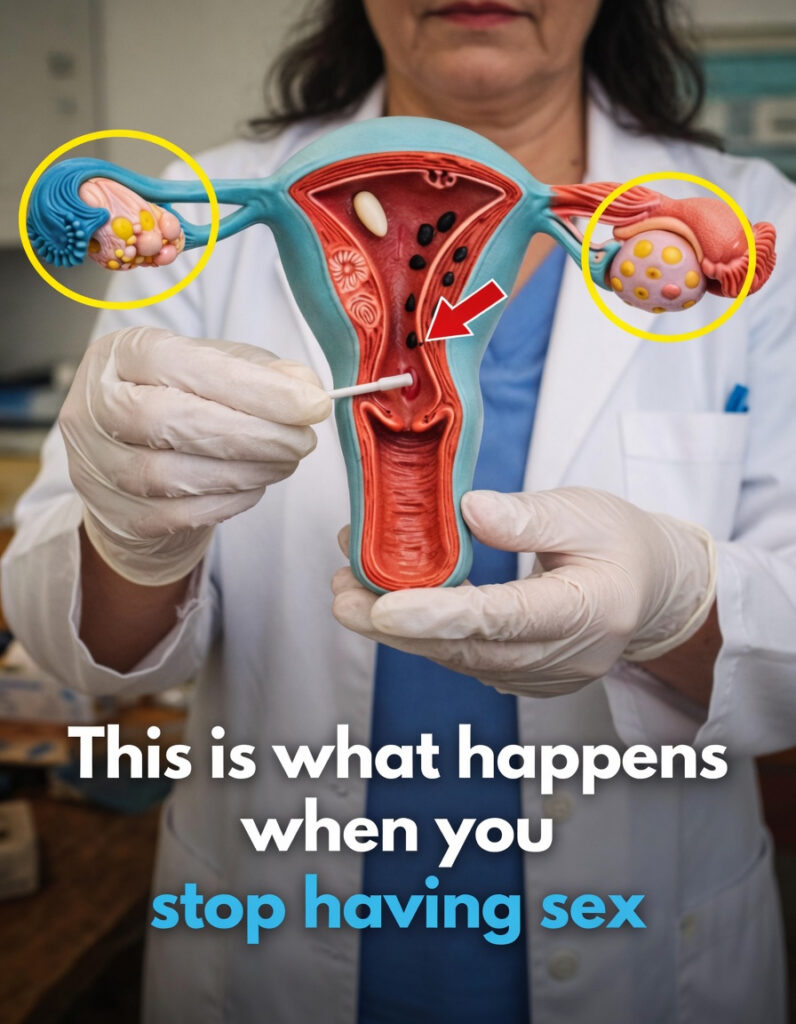
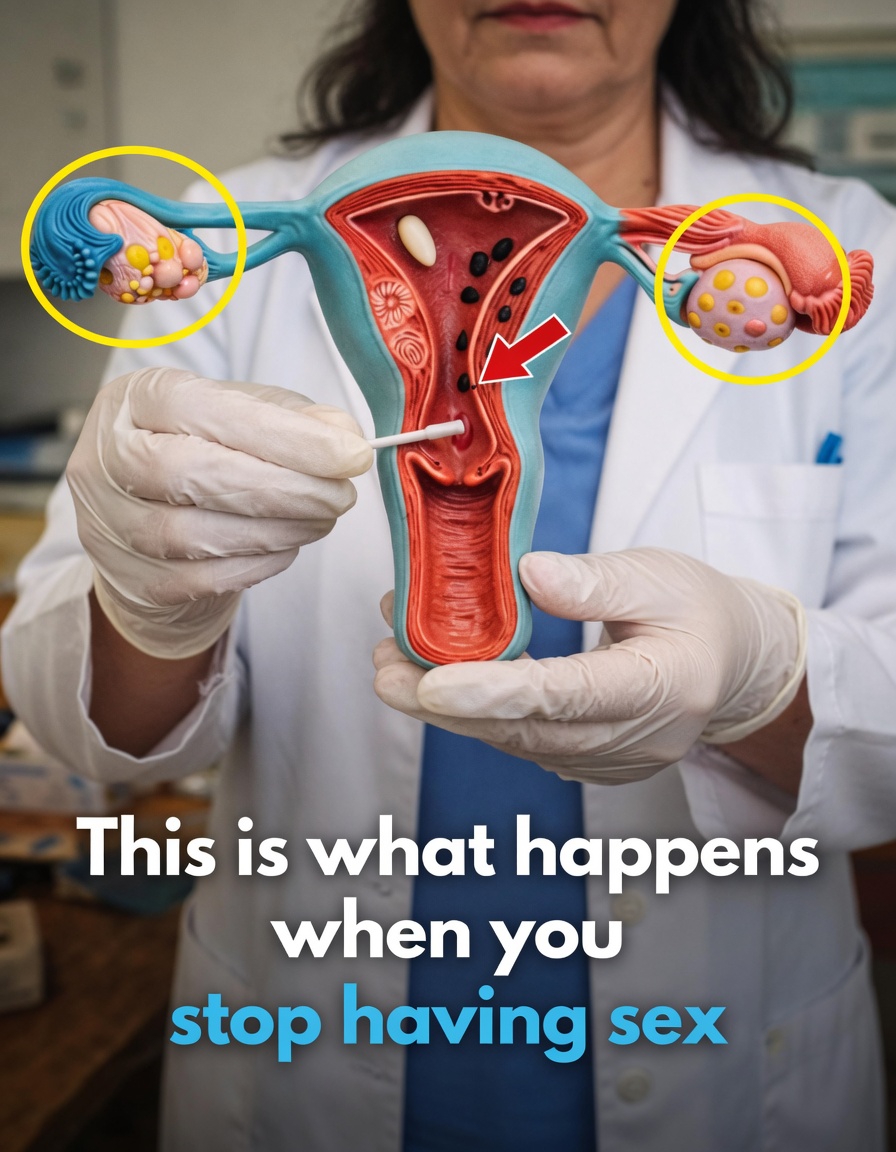
Online posts sometimes spread alarming claims that when sex stops, reproductive organs such as the ovaries or uterus somehow fill up with unreleased material. This is not supported by science.
Women are born with a set number of eggs, and during each menstrual cycle, the body naturally releases or reabsorbs them whether sexual activity is happening or not. There is no dangerous accumulation inside the ovaries or uterus caused by abstinence. The reproductive system continues its normal cycle independently.
This myth causes unnecessary fear. The reality is far more ordinary and much less dramatic.
Simple Ways to Support Your Health During a Break in Intimacy
You do not have to wait until sex returns to feel better or more connected. There are several practical, evidence-based ways to support both body and mind during a pause.
- Talk openly with your partner. Honest communication about emotions, needs, and expectations can reduce distance. Non-sexual affection such as hugging, cuddling, or massage may also stimulate calming hormones.
- Practice pelvic floor exercises. For women, Kegels can support circulation and vaginal health. A common routine is ten repetitions, three times a day.
- Stay physically active. About 30 minutes of brisk walking, yoga, or similar exercise on most days can support heart health, mood, and stress control.
- Protect sleep and manage stress. Warm baths, journaling, meditation, or mindfulness apps can create some of the same calming effects associated with intimacy.
- Use vaginal moisturizers if needed. Over-the-counter products can often ease dryness quickly and comfortably without a prescription.
Small habits matter. Over time, they can improve comfort, confidence, and emotional balance more than many people expect.

When a Lack of Intimacy May Point to a Bigger Issue
In most situations, the effects of a sexual pause are temporary and mild. Still, some symptoms may deserve closer attention.
If you experience ongoing sadness, pain, sudden loss of libido, or emotional distress that does not improve, it may be wise to speak with a healthcare professional. Hormonal shifts, medication side effects, chronic stress, and other medical or psychological factors can all affect desire and comfort.
The goal is not to self-diagnose. It is to seek informed, compassionate care when something feels off.
The Most Important Takeaway
The biggest truth is also the most reassuring: the human body is highly resilient. A temporary break from sex does not usually harm healthy adults in serious ways. In fact, many people use these phases to strengthen emotional intimacy, improve self-care, and build healthier daily routines.
What may first feel like a setback can become an opportunity for growth. With communication, realistic expectations, and supportive habits, many couples come through these periods feeling even closer than before.
Frequently Asked Questions
Is it normal for sexual desire to fade for a while?
Yes. Stress, medication, life changes, parenting, illness, and hormonal shifts can all lower desire temporarily. In many cases, interest returns naturally once circumstances improve.
Can not having sex cause long-term health problems?
For most adults, no. Research shows that abstinence itself does not typically damage health, especially when other healthy habits are in place.
How long is too long without sex?
There is no universal answer. Some couples are happy with infrequent sex, while others prefer it more often. A healthy frequency is whatever feels right and mutually satisfying for both partners.
Disclaimer
This article is for general informational purposes only and is based on available scientific research. It is not a substitute for medical advice. Individual experiences can differ, so always consult a qualified healthcare professional for personalized guidance about your health or relationship.