
9 Early Cervical Cancer Signs Many Women Miss
Many women brush off small health changes such as mild pain, unusual discharge, or irregular bleeding. These symptoms are often blamed on stress, hormonal shifts, or simple exhaustion. But when they continue without a clear reason, they can create anxiety and affect everyday well-being.
One reason cervical cancer can be difficult to detect is that it often develops silently at first. Early signs may be subtle or easy to mistake for other common conditions. Learning what to watch for can help you make better decisions about your health. And one screening habit, in particular, remains the most effective way to catch problems early.
Why Early Awareness Matters
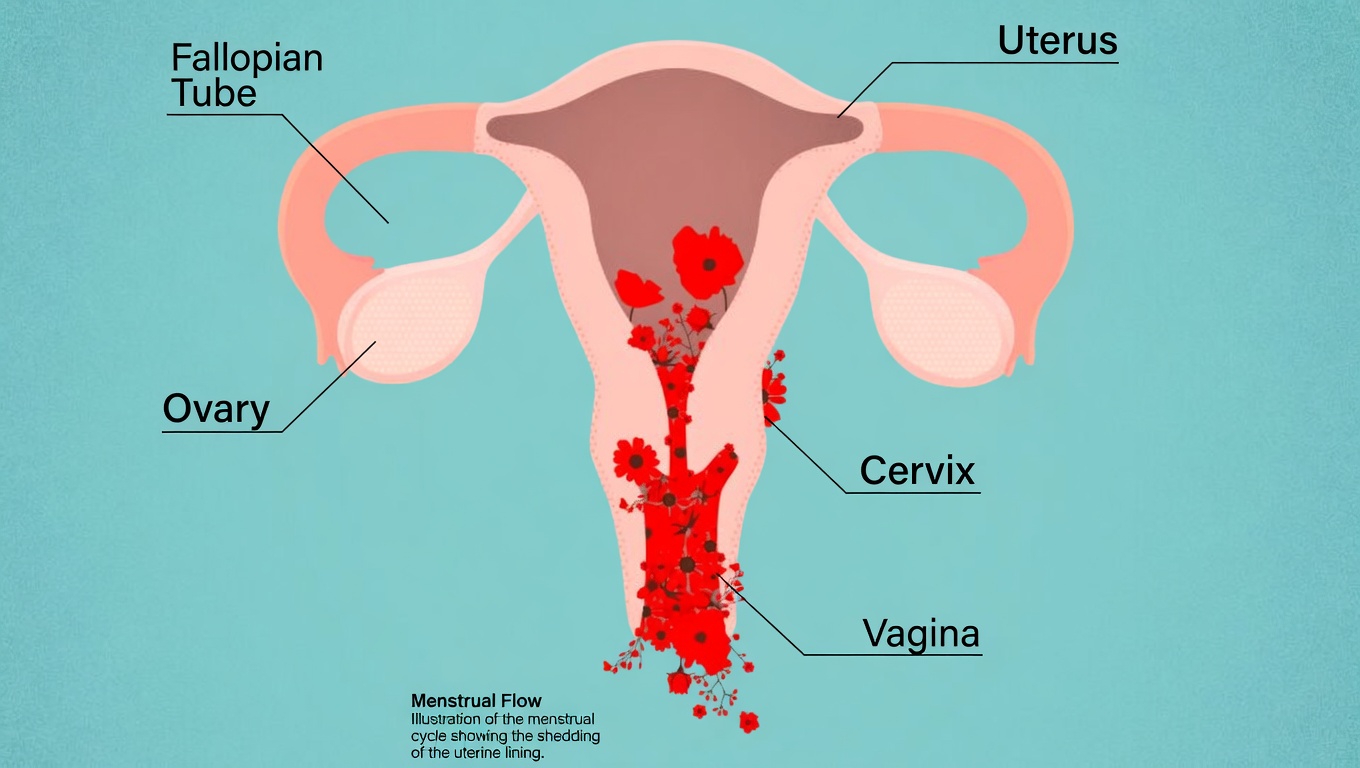
Cervical cancer begins in the cervix, which is the lower part of the uterus. In the earliest stages, it usually causes no obvious symptoms. That is why regular checkups and screening tests are so important. They can identify abnormal changes before you notice anything at all.
When symptoms do appear, they may resemble infections, menstrual changes, or hormonal issues. Even so, recognizing unusual patterns early gives you the chance to speak with a healthcare provider before things progress further.
There is also an emotional side to this. Many women hesitate to talk about intimate symptoms because they feel embarrassed, uncertain, or afraid. But understanding the warning signs can reduce fear and make those conversations easier. Below are nine early cervical cancer symptoms that are often overlooked.

9 Early Symptoms of Cervical Cancer
1. Unusual Vaginal Bleeding
Bleeding that happens between periods, after sex, or after menopause should not be ignored. At first, it may seem minor and easy to explain away as stress, exercise, or a disrupted cycle. However, this type of bleeding can sometimes point to changes in cervical tissue.
Many women assume it is just a temporary fluctuation. Keeping track of when it happens and how often can provide useful information for your doctor.
2. Abnormal Vaginal Discharge
Discharge that becomes watery, bloody, or has a strong unpleasant odor may be another early clue. It can begin gradually, so it is easy to dismiss. But if the color, smell, or amount changes noticeably and continues, it deserves attention.
This does not automatically mean cancer, since infections and other common conditions can cause similar symptoms. Still, getting checked can help identify the cause and bring reassurance.
3. Pain During or After Sex
New discomfort during intercourse, or pain that lingers afterward, is another symptom women may overlook. It is often blamed on dryness, sensitivity, or positioning. But when it keeps happening, it may signal irritation or abnormalities in the cervix.
Because this topic feels personal, many women avoid bringing it up. Even so, discussing it with a healthcare provider is an important step.
4. Ongoing Pelvic or Lower Abdominal Pain
A constant dull ache, pressure, or discomfort in the lower abdomen can be frustrating, especially when it does not improve with rest or basic pain relief. Many women mistake it for menstrual cramps or digestive issues.
If pelvic pain continues beyond your normal cycle or feels different from your usual discomfort, it is worth investigating further.
5. Lower Back Pain
Persistent lower back pain may not seem related to cervical health at first. It is commonly linked to long workdays, posture, or muscle strain. However, when it appears along with pelvic discomfort or other symptoms, it may reflect pressure or changes in the pelvic region.
This symptom is often overlooked because it seems so nonspecific.
6. Leg Pain or Swelling
Pain, heaviness, or swelling in one leg, especially around the thigh or knee, may sometimes be dismissed as overuse or exercise-related soreness. In some situations, though, it can be associated with pressure on nearby nerves or blood vessels in the pelvis.
On its own, it may not seem alarming. But combined with other symptoms, it can become more significant.
7. Heavier or Longer Periods
If your periods suddenly become heavier, last longer, or include more clotting than usual, it may be more than a routine hormonal change. Many women simply adapt by using extra protection and continuing with their day.
Still, if the pattern continues over several cycles, it is a good idea to discuss it with a doctor. Tracking flow and duration can help you tell the difference between normal variation and a meaningful change.
8. Changes in Urination or Bowel Habits
Frequent urination, pain while urinating, or blood in the urine may initially seem like a urinary tract issue. Similarly, constipation or other bowel changes can appear unrelated.
But when these symptoms persist and no infection is found, they may be connected to pelvic changes that need medical evaluation.
9. Unexplained Fatigue or Weight Loss
Feeling unusually tired despite enough rest, or losing weight without trying, can develop slowly and be easy to overlook. Many women assume it is due to aging, work pressure, or a busy lifestyle.
However, when fatigue or weight loss appears together with other symptoms on this list, it may indicate a pattern worth discussing with a healthcare professional.

Important Reminder: These Symptoms Can Have Many Causes
These signs do not always mean cervical cancer. They can also result from infections, fibroids, hormonal imbalance, or other treatable conditions. The most important message is not to self-diagnose.
Instead, think of these symptoms as signals to check in with your healthcare provider and get clear answers.
5 Practical Steps You Can Take Now
These simple habits can support your health and help you stay proactive:
-
Track your symptoms
- Use a notes app or journal.
- Record dates, severity, and anything that seems to trigger the symptom for at least two weeks.
-
Keep up with regular screening
- Pap tests and HPV tests remain the most effective tools for early detection.
-
Practice safer sex
- Using condoms consistently and limiting sexual partners may help reduce certain risks.
-
Stay current with vaccination
- The HPV vaccine can provide strong protection when received at the recommended ages.
-
Talk openly with your doctor
- Do not delay discussing changes that feel unusual or persistent.
These actions are realistic, easy to incorporate into daily life, and can give you more control over your long-term health.
What Research Tells Us
Leading medical organizations agree that early-stage cervical cancer often causes no symptoms at all. That is why screening guidelines typically recommend regular testing beginning at age 21.
The Mayo Clinic notes that abnormal bleeding and unusual discharge are more likely to appear as cervical changes become more advanced. The American Cancer Society and the CDC also emphasize that pelvic pain and leg swelling may occur later in the disease process. Taken together, research shows that awareness plus routine screening offers the strongest protection.
When to See a Doctor
If any of these symptoms last longer than two weeks, or if they concern you at any time, make an appointment with your doctor. You do not need to wait until several symptoms appear. One persistent change is enough reason to seek advice.
Your provider may recommend simple tests to rule out common causes or identify a problem early. In many cases, the issue is manageable, especially when found promptly.
Conclusion: Small Signs Can Lead to Big Peace of Mind
Knowing these nine possible symptoms can help you move from uncertainty to action. Most women who notice changes find that the cause is treatable and not necessarily serious. Still, staying informed and paying attention to your body are important steps toward protecting your health.
The most valuable habit of all is regular cervical screening. A routine Pap test or HPV test is quick, simple, and has helped millions of women detect concerns long before symptoms begin.
FAQ
How is cervical cancer usually detected before symptoms appear?
It is most often found through routine Pap smears and HPV testing during regular health visits. These tests can identify abnormal cell changes years before noticeable symptoms develop.
Can lifestyle habits reduce the risk of cervical cancer?
Yes. Avoiding smoking, practicing safer sex, getting the HPV vaccine if you are eligible, and staying up to date with screening can all help lower the risk.
When should these symptoms be treated as urgent?
You should contact a doctor promptly if you have new bleeding after sex, ongoing unusual discharge, bleeding after menopause, or any symptom that persists and feels abnormal for you. Even one concerning change is worth checking.