As the years go by, many people start to notice subtle shifts in physical strength. Climbing stairs may feel more demanding, and grocery bags can seem heavier than they used to. This gradual change—often linked to the body’s natural muscle maintenance patterns after age 50—can influence everyday comfort, mobility, and long-term independence. Although it’s a common part of aging, research suggests that simple daily decisions, such as nutrient-dense meals and gentle activity, may help support how your body adapts over time.
What if practical guidance could come from one of Japan’s most admired physicians—someone who remained professionally active into later life and lived to 105? Dr. Shigeaki Hinohara was known for emphasizing moderation, enjoyment, and uncomplicated routines, including modest portions of fish, plenty of vegetables, and staying lightly active. Below is a Dr. Hinohara–inspired approach to supporting muscle health in a natural, realistic way.

Understanding Age-Related Muscle Changes
Starting around age 50, muscle mass and strength often decrease slowly over time. In scientific literature, this age-associated decline is commonly referred to as sarcopenia. As it progresses, it can contribute to:
- Reduced mobility and balance
- Faster fatigue during routine tasks
- Greater difficulty with daily activities (stairs, carrying items, getting up from a chair)
This shift can be influenced by multiple factors, including lower activity levels and changes in how the body digests and uses nutrients.
Research suggests that sarcopenia-related effects may be seen in a significant portion of older adults, with estimates reaching up to half of people over age 80 in some studies—often impacting quality of life. The encouraging news is that observational research links nutrient-rich dietary patterns with better muscle maintenance in older populations.
In Japan, where many people remain active well into older age, traditional eating habits tend to emphasize balance and nutrient density. Dr. Hinohara reflected this mindset: simple meals, moderation, and daily movement—without extreme rules.
Why Protein Becomes More Important With Age
Protein provides essential building blocks for muscle. As we get older, the body may not respond to protein as efficiently as it once did, a phenomenon often described as anabolic resistance. Because of this, many experts suggest that older adults may benefit from higher protein intake than the standard baseline of 0.8 g/kg/day—often targeting about 1.0–1.2 g/kg/day (or more in certain cases), ideally spread across meals.
High-quality protein sources supply essential amino acids—especially leucine, which plays a key role in stimulating muscle protein synthesis.
Key ways protein supports healthy aging include:
- Helping maintain the body’s natural muscle repair processes
- Supporting strength needed for everyday function
- Working best when paired with consistent light movement
The Role of Fish in Traditional Japanese Longevity Patterns
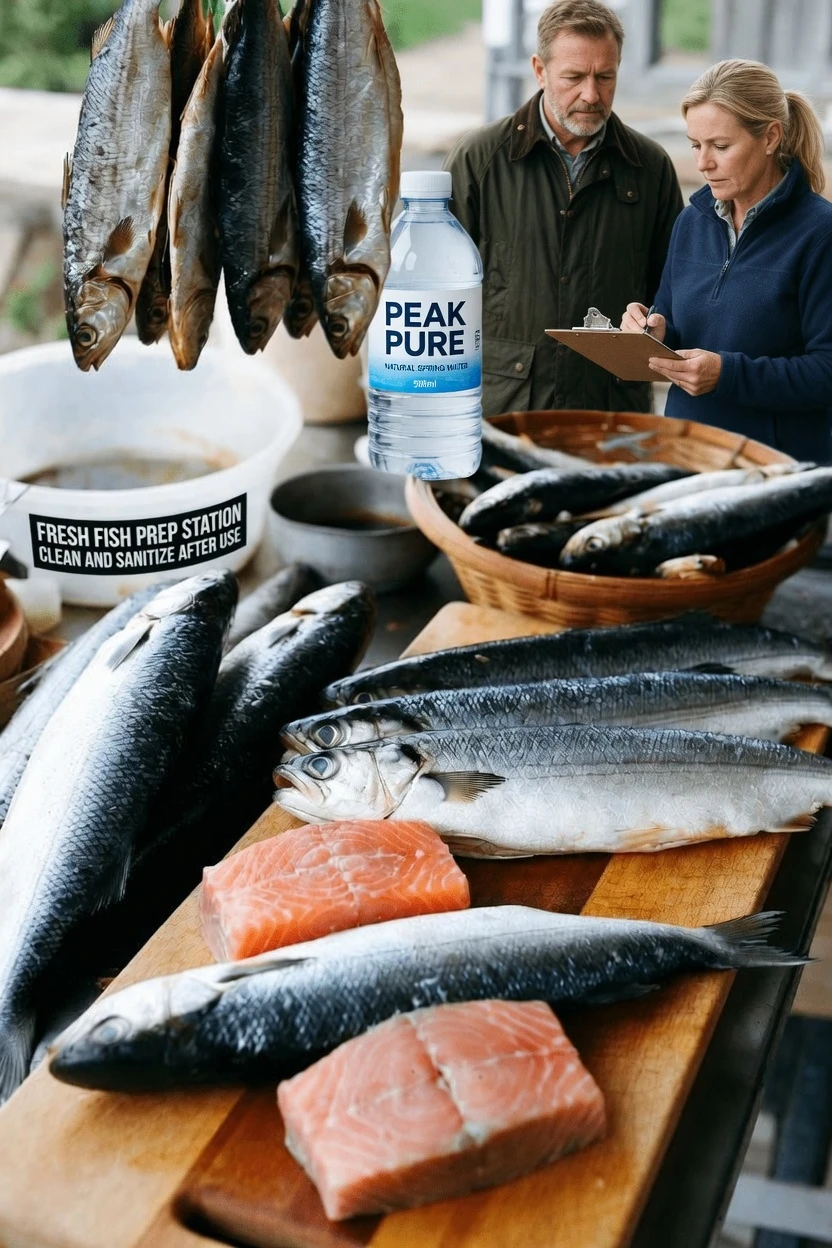
Dr. Hinohara reportedly kept his diet light and consistent, often including small servings of fish a few times per week, alongside vegetables and rice. This closely matches broader Japanese dietary patterns, where fish is a frequent (but typically not excessive) protein choice.
Fatty fish—such as salmon, sardines, and mackerel—offers two major advantages:
- Complete protein (supporting muscle maintenance)
- Omega-3 fatty acids, which are associated with healthier inflammation balance and may indirectly support muscle function
Some studies also associate regular fish intake with improved strength-related markers in older groups.
Additional benefits of fish can include:
- Vitamin D in certain varieties, often linked to physical performance and strength support
- Nutrients that support heart health and circulation, which matter for delivering oxygen and nutrients to working muscles
- A naturally lean, nutrient-dense option that can fit many calorie needs
Practical fish options to try:
- Salmon: rich in omega-3s and high-quality protein
- Sardines: affordable and may include calcium when bones are eaten
- Mackerel: nutrient-packed with a stronger flavor profile
These choices align with Dr. Hinohara’s philosophy: keep it enjoyable, balanced, and sustainable.
8 Everyday Ways to Support Muscle Health (Inspired by Longevity Wisdom)
Based on Dr. Hinohara’s balanced approach and broader research on aging well, consider these realistic habits:
- Add protein to most meals — Many people aim for roughly 20–30 g per meal to distribute intake evenly.
- Eat fatty fish 2–3 times weekly — A practical way to combine protein with omega-3 intake.
- Center meals on vegetables and grains — A traditional balance that supports nutrient variety and steady energy.
- Move a little every day — Dr. Hinohara favored simple activity like stairs and carrying items himself.
- Choose whole foods more often — Minimizing ultra-processed options can improve overall diet quality.
- Avoid long gaps between meals — Consistent eating patterns help maintain steady nutrient availability.
- Vary your protein sources — Mix animal and plant proteins for broader amino acid and micronutrient coverage.
- Keep enjoyment and purpose in the routine — His message emphasized that joy and meaning support well-being long-term.
These strategies focus on consistency—not perfection.

Actionable Steps You Can Start Today
You don’t need to reinvent your entire diet overnight. Start with small, repeatable steps:
- Choose fish wisely — Lower-mercury options like salmon and sardines are popular choices; fresh, frozen, or canned can all work.
- Keep portions simple — Start with 3–4 oz per serving (about palm-sized).
- Use easy cooking methods — Bake, grill, or steam with herbs and spices instead of heavy frying.
- Build a balanced plate — Pair fish with rice, vegetables, tofu, or legumes for variety and completeness.
- Pay attention to day-to-day changes — After a few weeks, note differences in energy, stamina, and ease with routine movement.
If you have medical conditions (such as kidney concerns) or food allergies, discuss significant dietary changes with your healthcare provider.
Quick Comparison: Protein Sources for Older Adults
| Food | Protein per Serving (Approx.) | Extra Benefits |
|---|---|---|
| Salmon (3 oz) | ~22 g | Omega-3s, vitamin D |
| Sardines (canned) | ~20–25 g | Often affordable, may provide calcium |
| Eggs (2 large) | ~12 g | Convenient, leucine-rich |
| Greek yogurt (1 cup) | ~20 g | Probiotics, easy to use in meals/snacks |
| Tofu (1/2 cup) | ~10 g | Plant-based, versatile |
These options can fit a wide range of preferences, budgets, and dietary styles.
Real-Life Motivation From Balanced Habits
Many older adults report feeling more capable in daily life when they combine nutrient-dense meals with gentle movement. For some, simply eating fish more regularly—alongside consistent walking—can coincide with noticeable improvements in day-to-day energy and physical ease. These steady, moderate actions reflect Dr. Hinohara’s central belief: sustainable habits and enjoyment tend to support vitality more effectively than strict, short-term rules.
Frequently Asked Questions
-
How much protein do older adults usually need?
Many studies commonly reference 1.0–1.2 g per kg of body weight per day, spread across meals, though needs vary by individual health status and activity level. -
Can you meet protein needs without eating fish?
Yes. Eggs, dairy, lean meats, beans, lentils, and soy foods (like tofu) can all provide high-quality protein. Variety helps cover a wider nutrient range. -
Does activity matter if I improve my diet?
Research suggests nutrition and movement work best together. Even light activity—walking, stairs, or gentle resistance exercises—can complement dietary changes for muscle support.
This article is for informational purposes only and does not replace professional medical advice. Consult your healthcare provider for guidance tailored to your needs.