
Many women over 45 begin to notice subtle changes in intimate odor during perimenopause and menopause. It can feel unsettling—especially in everyday situations like meeting friends, exercising, or simply going about your day. In most cases, these shifts are linked to normal hormonal changes that affect the vaginal ecosystem and make it easier for imbalance to occur.
What many people don’t realize is that one common “hygiene” habit meant to improve freshness can actually make odor more noticeable by disrupting the vagina’s natural defenses. Below, you’ll learn what’s happening in the body, what influences vaginal scent day to day, and the one practice gynecologists strongly discourage—particularly as estrogen drops.

What Happens to Vaginal Health During Perimenopause and Menopause
As estrogen levels decline, the vagina often undergoes several predictable changes:
- The vaginal lining may become thinner and more sensitive.
- Vaginal pH tends to rise (become less acidic).
- Protective lactobacilli bacteria may decrease, making it harder to maintain a stable microbiome.
Studies suggest a meaningful share of postmenopausal women report noticeable differences in vaginal odor—sometimes mild and gradual, other times more obvious. For some, it starts as a faint tanginess or “different” scent that seems to appear out of nowhere.
Hormones are a major driver, but they’re not the whole story. Daily routines, clothing, and cleansing habits can either support balance—or unintentionally work against it.
8 Key Factors That Can Influence Vaginal Odor After 45
Below are the most common contributors, starting with natural causes and moving toward the habit most often linked with worsening imbalance.
8) Hormonal Changes Can Shift Natural Scent
Lower estrogen reduces glycogen in vaginal tissue, which helps nourish beneficial bacteria. With fewer supportive bacteria, your baseline scent may change over time.
This is often a normal part of aging, but gentle lifestyle adjustments can help you feel more comfortable.
7) Sweat and Hydration Can Amplify Odor
Hot flashes, night sweats, and increased perspiration can create dampness that intensifies odor—especially if moisture sits against the skin. Dehydration can also make urine and sweat more concentrated, which may add a stronger smell.
A simple but effective step: drink water consistently throughout the day to support overall body balance.
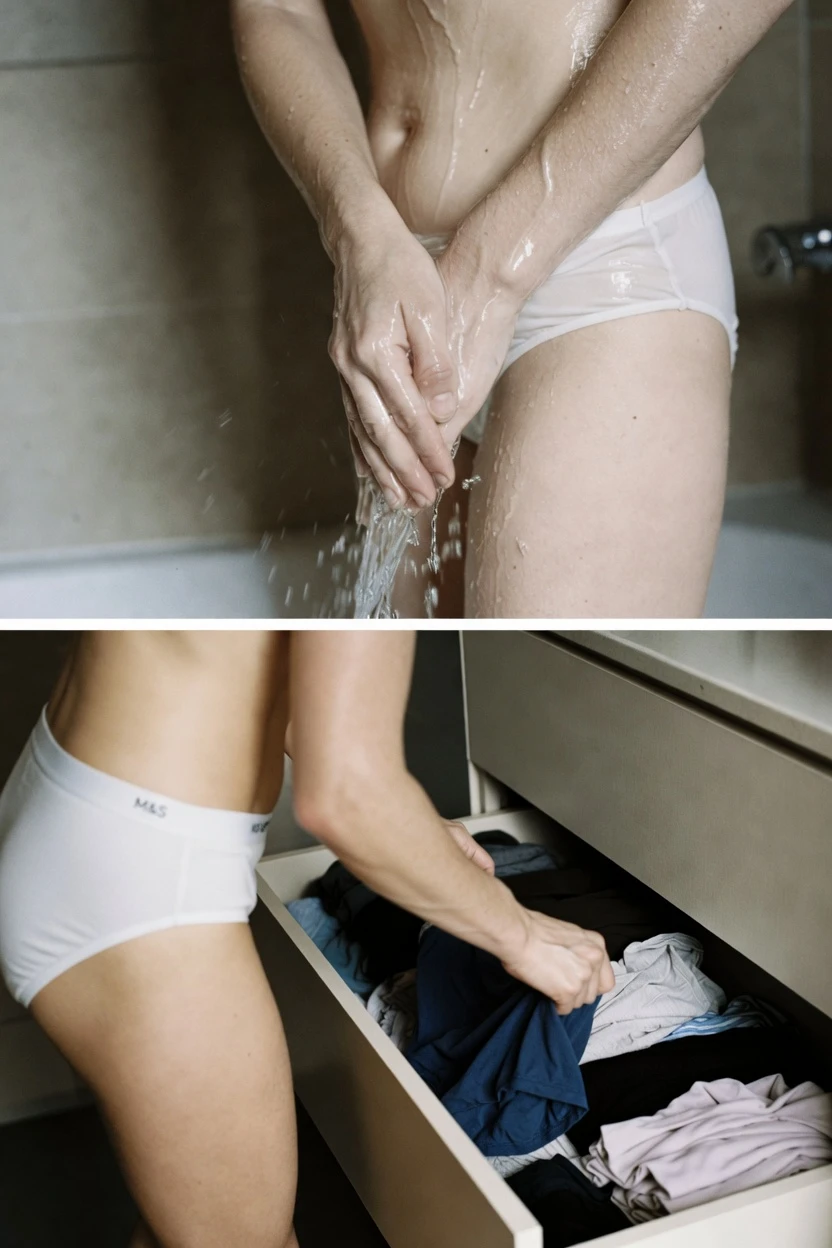
6) Breathable Underwear Reduces Moisture Trapping
Tight clothing and synthetic fabrics can hold heat and moisture close to the vulvar area, increasing the likelihood of bacterial overgrowth and irritation.
Switching to breathable, moisture-friendly options—especially cotton underwear—often improves comfort quickly.
5) Scented Products Can Disrupt pH and Irritate Skin
Fragranced washes, deodorizing sprays, and scented soaps may smell “clean,” but they can strip protective oils, irritate delicate tissue, and shift vaginal/vulvar pH.
Gynecologists typically recommend sticking with mild, fragrance-free options for external cleansing only.
4) Overwashing the Vulva Can Cause Dryness and Sensitivity
Scrubbing hard or washing too frequently can lead to dryness, irritation, and micro-disruption of the skin barrier—especially during menopause when tissue may already be more fragile.
In most cases, gentle cleansing is enough: warm water and a mild, unscented cleanser when necessary.
3) Light Urine Leakage Can Add an Ammonia-Like Smell
Pelvic floor changes are common during and after menopause. Even small, occasional leaks can create an odor that resembles ammonia, especially if urine contacts underwear for extended periods.
Pelvic floor exercises (and professional pelvic floor support when needed) can make a meaningful difference.
2) Vaginal Infections or Imbalance Can Create Strong, Unusual Odors
When pH rises, bacterial vaginosis (BV) and other imbalances can become more likely. These may cause a stronger, “fishy,” or distinctly unusual scent—sometimes along with discharge changes, itching, or discomfort.
If odor becomes persistent or comes with other symptoms, a medical evaluation is the safest next step.
1) Douching Is the #1 Habit Many Gynecologists Advise Against
Douching—rinsing inside the vagina with water or solutions—can flush out beneficial bacteria and disrupt the vaginal microbiome. Major medical organizations, including the American College of Obstetricians and Gynecologists (ACOG), advise against douching because it can increase the risk of imbalance and may worsen odor concerns.
The key point: the vagina is self-cleaning. Internal “washing” often backfires—especially post-menopause when vaginal tissue can be more sensitive.
Quick Comparison: Common Habits and Their Impact
-
Gentle external washing
- Potential impact: supports natural protection
- Common recommendation: daily cleansing with warm water; mild, unscented cleanser if needed
-
Fragranced washes or sprays
- Potential impact: irritation and pH disruption
- Common recommendation: avoid; choose fragrance-free alternatives
-
Douching
- Potential impact: disrupts protective bacteria and increases imbalance risk
- Common recommendation: strongly discouraged
-
Cotton underwear
- Potential impact: improves airflow and reduces moisture buildup
- Common recommendation: preferred for everyday wear
Simple, Effective Daily Care for Comfort and Confidence
If you notice a change in odor, start by observing patterns: is it occasional, or constant? Does it happen after sweating, certain foods, or specific products? In many cases, small, gentle changes are enough—without any internal cleansing.
Try these practical steps:
-
Daily hygiene
- Rinse the external area (vulva) with warm water in the shower.
- Pat dry gently; avoid harsh rubbing.
- Skip internal cleaning.
-
Clothing habits
- Wear cotton underwear and looser-fitting bottoms when possible.
- Change out of sweaty clothes promptly.
-
Hydration and diet
- Drink water regularly.
- Consider probiotic-rich foods if appropriate (check with your clinician if you have questions).
-
When to see a healthcare professional
- Seek help if odor is strong, persistent, or paired with itching, burning, pain, or discharge changes.
Final Takeaway: Support Balance, Don’t Overcorrect
Vaginal odor changes after 45 are common and often linked to normal hormone shifts. The most protective approach is usually the simplest: avoid douching, keep care external and gentle, prioritize breathable fabrics, and stay hydrated.
This article is for informational purposes only and does not replace professional medical advice. For personalized guidance, consult your healthcare provider.
FAQ
Is vaginal odor during menopause normal?
Yes. A mild natural scent is normal, and shifts can occur with hormonal changes. Sudden, strong, or persistent odor—especially with other symptoms—should be evaluated.
Can drinking more water really help intimate odor?
Hydration can reduce concentrated urine and sweat odors and supports overall balance, which may help lessen noticeable changes.
What should I do if I think something is “off”?
Track your symptoms and book an appointment with a doctor or gynecologist. They can check for infections or imbalances and recommend safe, targeted treatment if needed.