
Many people kick off the morning with fast, carbohydrate-heavy options—cereal, toast, muffins, or pastries. While convenient, these breakfasts often cause a quick rise in energy followed by a noticeable crash, leaving you hungry again and dragging through the late morning. When that pattern repeats, it can make it tougher to maintain steady focus, support weight goals, or simply feel consistent energy all day.
A simple, realistic alternative is swapping in a nutrient-dense breakfast like two boiled eggs. With high-quality protein and a strong micronutrient profile, eggs can help provide more stable fuel—without exaggerated claims or “instant transformation” promises.

Wondering what, exactly, two boiled eggs in the morning can do for your daily routine? Below are the science-informed benefits and practical ways to build the habit.
Why Boiled Eggs Are a Strong Breakfast Option
A serving of two boiled eggs provides roughly 13 grams of complete protein, about 155 calories, and minimal carbohydrates. Because eggs contain all essential amino acids, they support a slower, steadier release of energy compared with many high-carb breakfasts.
Research (including findings published in the American Journal of Clinical Nutrition) suggests that protein-rich breakfasts can increase fullness and may make it easier to manage daily calorie intake as part of an overall balanced diet. In one often-cited comparison, people reported feeling more satisfied after an egg-based breakfast than after a bagel-based breakfast, which may reduce the urge to snack later.
With that foundation in mind, here are ten ways this morning habit may support your body and daily performance.
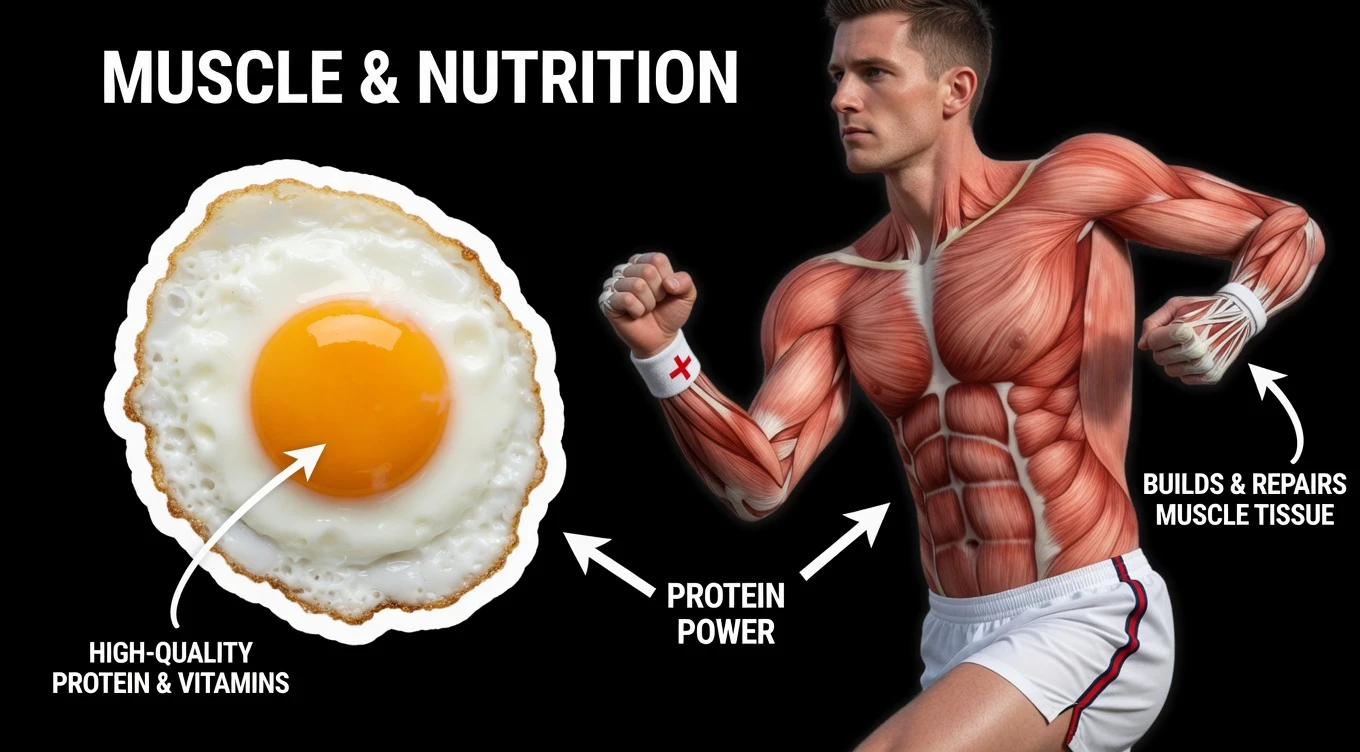
#10: Helps Support Muscle Maintenance and Recovery
Egg protein is considered high quality and includes leucine, an amino acid involved in muscle protein synthesis. Notably, research has shown that consuming whole eggs after resistance training can stimulate muscle protein synthesis more effectively than egg whites with the same protein content—likely because nutrients in the yolk work together with the protein.
Key reasons eggs are muscle-friendly:
- About 13 g protein per two eggs
- Naturally occurring leucine to support muscle processes
- Balanced fats that assist nutrient absorption and delivery
- No added ingredients when boiled
For active people, eggs are also practical: affordable, portable, and easy to prep.
#9: Provides Nutrients That May Support Skin Health
Eggs contain nutrients commonly associated with skin support, including vitamins A and E plus antioxidants and minerals such as lutein, zeaxanthin, selenium, and zinc. Nutrition research suggests that consistent intake of these nutrients from whole foods can help the body’s natural defenses against everyday environmental stressors, supporting overall skin appearance over time.
What some people may notice with steady nutrient intake:
- First few weeks: skin may look more refreshed as nutrient levels build
- Longer term: support for more even-looking tone and texture
For a more nutrient-diverse plate, pair boiled eggs with fruits or vegetables.
#8: May Help Keep Blood Sugar More Stable
Because boiled eggs contain virtually no carbohydrates, they typically don’t trigger sharp increases in blood glucose. Protein also influences satiety-related hormones, which can help you feel steady rather than “wired then tired.” Studies comparing breakfast types often find that protein-forward meals lead to smaller post-meal glucose swings than carb-heavy breakfasts.
A simple comparison:
- Two boiled eggs: minimal glucose rise, longer-lasting fullness
- Toast or sweet cereal: higher spike potential, hunger returns sooner
This can be especially helpful if you tend to experience mid-morning energy dips.
#7: Delivers Carotenoids That Support Eye Health
Egg yolks are a reliable source of lutein and zeaxanthin, carotenoids that accumulate in the retina and help filter high-energy blue light. Observational research links higher dietary intake of these compounds with more favorable eye-health markers and may help lower risk factors related to age-associated macular changes.
Tip: Pasture-raised or nutrient-enriched eggs often contain higher levels of these carotenoids.
#6: Supplies Choline to Support Brain Function
Two eggs provide about 294 mg of choline, which is close to half of the daily recommended intake for many adults. Choline supports the production of acetylcholine, a neurotransmitter involved in memory, focus, and cognitive function. Studies associate adequate choline intake with improved cognitive performance measures in adults.
Many people also report feeling clearer and more focused when replacing low-nutrient breakfasts with more protein- and micronutrient-rich options.
#5: Increases the Thermic Effect of Food
Your body burns energy digesting food, and protein costs more energy to process than carbohydrates or fat. Protein’s thermic effect is often estimated around 20–30%, compared with 5–10% for carbohydrates. Research comparing egg-based breakfasts to carb-based breakfasts has found higher energy expenditure during digestion with more protein-heavy meals—supporting overall metabolic efficiency when paired with an appropriate calorie intake.
#4: Promotes Longer-Lasting Fullness
Eggs tend to rank well for satiety because they combine protein with naturally occurring fats. Findings in journals such as the European Journal of Nutrition indicate that egg breakfasts can increase satisfaction and reduce the desire to snack later compared with breakfasts centered on cereal or toast.
In several trials, participants who started their day with eggs often consumed fewer calories later—largely because they felt fuller for longer.
#3: Can Fit into Heart-Healthy Eating Patterns
More recent evidence—including large meta-analyses (including Harvard-led work)—suggests moderate egg intake (often cited as up to one egg per day for most people) is not associated with increased cardiovascular risk in the general population. Eggs can also support higher HDL (“good”) cholesterol in some individuals and provide beneficial nutrients such as phospholipids.
The bigger picture matters most: combine eggs with vegetables, whole-food carbs, and healthy fats, rather than processed meats or refined breads.
#2: Contributes Nutrients That Support Bone Health
Boiled eggs provide nutrients involved in bone maintenance, including vitamin D and phosphorus, plus small amounts of other minerals. Vitamin D supports calcium absorption, and maintaining adequate vitamin D status is associated with healthier bone density trends over time.
For people living in low-sunlight regions, eggs can be a convenient food-based source to help support vitamin D intake.
#1: Provides Iron, B12, and Folate to Support Energy
Eggs deliver bioavailable iron, vitamin B12, and folate—nutrients essential for red blood cell formation and energy metabolism. When these nutrients are low, fatigue becomes more common. While eggs aren’t a “stimulant,” they can support energy levels by helping you meet key nutritional needs consistently.
Many people notice steadier energy when they start the day with protein plus micronutrients instead of refined carbs alone.

A Simple 2-Egg Morning Routine
Step 1: Choose an Easy Preparation Method
- Soft-boiled (6–7 minutes): tender texture and quick to make
- Hard-boiled (10–12 minutes): best for meal prep and on-the-go
- Poached: another low-added-fat option
Step 2: Add Smart, Nutrient-Dense Pairings
- Add spinach for extra micronutrients
- Add avocado for filling, heart-friendly fats
- Add tomatoes for lycopene and freshness
Step 3: Timing That Works for Most People
- Eat within 30–60 minutes after waking to start the day steadily
- Consider eggs post-workout to support recovery
Safety Notes and Egg Quality Tips
For many healthy adults, 1–2 eggs per day can fit comfortably into a balanced diet. If you have specific health concerns—such as high cholesterol, diabetes, or a history of cardiovascular disease—personal needs can differ, so it’s wise to discuss egg intake with your healthcare professional.
If available, consider:
- Pasture-raised eggs for potentially higher micronutrient levels
- Omega-3 enriched eggs for additional omega-3 fats
Quick 3-Day “Two Eggs for Breakfast” Starter Plan
- Day 1: 2 soft-boiled eggs + spinach
- Day 2: 2 hard-boiled eggs + avocado
- Day 3: 2 poached eggs + tomatoes
Pay attention to practical outcomes: fewer hunger crashes, steadier focus, and more consistent morning energy.
FAQ
Can I eat eggs daily if I have high cholesterol?
For many people, moderate egg intake fits within heart-healthy dietary patterns based on newer research. However, individual risk varies—follow guidance from your healthcare provider for personalized advice.
Are boiled eggs healthier than other cooking methods?
Boiling typically preserves nutrients and avoids added cooking fats, making it one of the simplest, most consistent methods.
How many eggs per week are generally considered safe?
Many major health organizations consider up to 7 whole eggs per week reasonable for most healthy adults, within an overall balanced eating pattern.
Medical Disclaimer
This article is for informational purposes only and does not replace medical advice. Consult a qualified healthcare professional before making dietary changes, especially if you have existing health conditions.