Getting the Most from Garlic: The Everyday Habits That Can Reduce Its Benefits
You may be adding garlic to meals assuming you’re getting all of its natural advantages—but a few common kitchen habits can quietly reduce the very compounds people talk about in wellness research. Many home cooks end up keeping the taste and aroma while missing much of what makes garlic scientifically interesting.
The encouraging part is that small, practical changes—based on how garlic’s active elements are created—can significantly improve what you get from each clove. The most surprising fix is also the simplest, and it sits at the top of this list.
Why Garlic Keeps Showing Up in Wellness Conversations
Garlic has been used for generations not only as a seasoning, but also because it contains sulfur-based compounds. The key moment happens when a fresh clove is crushed or chopped: the enzyme alliinase interacts with alliin, leading to the formation of allicin—the compound most often mentioned in studies about garlic.
Scientific reviews and summaries (including those associated with major research databases and institutions) suggest garlic intake may:
- Support healthy cholesterol levels
- Help maintain normal blood pressure
- Provide antioxidant activity
- Offer mild anti-inflammatory support
- Contribute to cardiovascular health markers and aspects of immune function in some human studies
Many people imagine that eating garlic regularly might translate into subtle, everyday improvements—like steadier energy or fewer minor annoyances. But results depend heavily on how you prepare it. If your method blocks allicin formation, you may be left with little more than flavor.
Next are the most common preparation mistakes that limit garlic’s potential.
Mistake #7: Adding Chopped Garlic Immediately to High Heat
It’s typical to mince garlic and drop it straight into a hot pan. Efficient? Yes. Ideal for allicin? Not quite.
The allicin-forming reaction needs time after chopping or crushing. Food science findings often point to roughly 10 minutes for allicin production to ramp up. When garlic is heated immediately, the compound can degrade quickly—meaning you preserve the smell, but lose much of what people are trying to get from it.
Better approach: chop or crush first, then wait about 10 minutes before cooking.
Mistake #6: Cooking Garlic Too Long (or Microwaving It)
Garlic’s beneficial components don’t love extended heat. Long simmering, heavy sautéing, or even microwaving can dramatically reduce certain desirable properties.
Some research suggests that brief microwaving can noticeably reduce antioxidant-related effects, while prolonged cooking in sauces may soften garlic’s bite at the expense of much of its original strength.
Better approach: after the resting period, use short, gentle cooking, and consider adding garlic toward the end of cooking when possible.
Mistake #5: Eating Raw Garlic on a Completely Empty Stomach
Some people swallow a raw clove first thing in the morning for a “quick boost.” For many, this backfires.
Raw garlic can be harsh on the digestive tract, especially without food. Common complaints include:
- Heartburn
- Nausea
- Stomach irritation or discomfort
Gastrointestinal side effects are frequently reported when raw garlic is consumed in larger amounts, particularly on an empty stomach.
Better approach: include raw garlic with meals, such as in salad dressing, dips, or blended sauces. Some people tolerate it better when mixed with honey.
Mistake #4: Using Far More Than Your Body Can Handle
More isn’t always better. A commonly suggested food-based range is around 1–2 cloves per day, which many people can tolerate while exploring potential benefits.
Regularly exceeding that—especially if you’re eating it raw (for example, 5+ cloves daily)—may increase unwanted effects such as:
- Strong body odor or persistent bad breath
- Bloating or digestive upset
- Possible concerns related to garlic’s mild blood-thinning effects
- Occasional skin reactions in sensitive individuals
Better approach: stay consistent with moderate intake so garlic remains sustainable long-term.
Mistake #3: Ignoring Possible Interactions with Medications
Garlic may influence clotting and blood pressure to a small degree. That can matter if you’re combining high garlic intake with medications such as:
- Anticoagulants or antiplatelet drugs
- Some blood pressure treatments
- Certain other prescribed therapies
Health authorities, including organizations that track supplement safety, advise speaking with a healthcare professional before significantly increasing garlic intake—especially if you have medical conditions or take prescription medications.
Important note: normal culinary use is unlikely to cause problems for most people, but being informed is a smart safety step.
Mistake #2: Depending on Old Bulbs, Sprouted Cloves, or Pre-Minced Jarred Garlic
Garlic that has sprouted is not automatically unsafe, though it may taste more bitter. The bigger issue is potency: older bulbs generally contain fewer active compounds over time.
Jarred minced garlic is convenient, but processing often reduces the ability to form allicin compared with fresh cloves.
Better approach:
- Choose firm, fresh bulbs
- Store them in a cool, dry, well-ventilated place
- Use within a few weeks for better freshness and performance
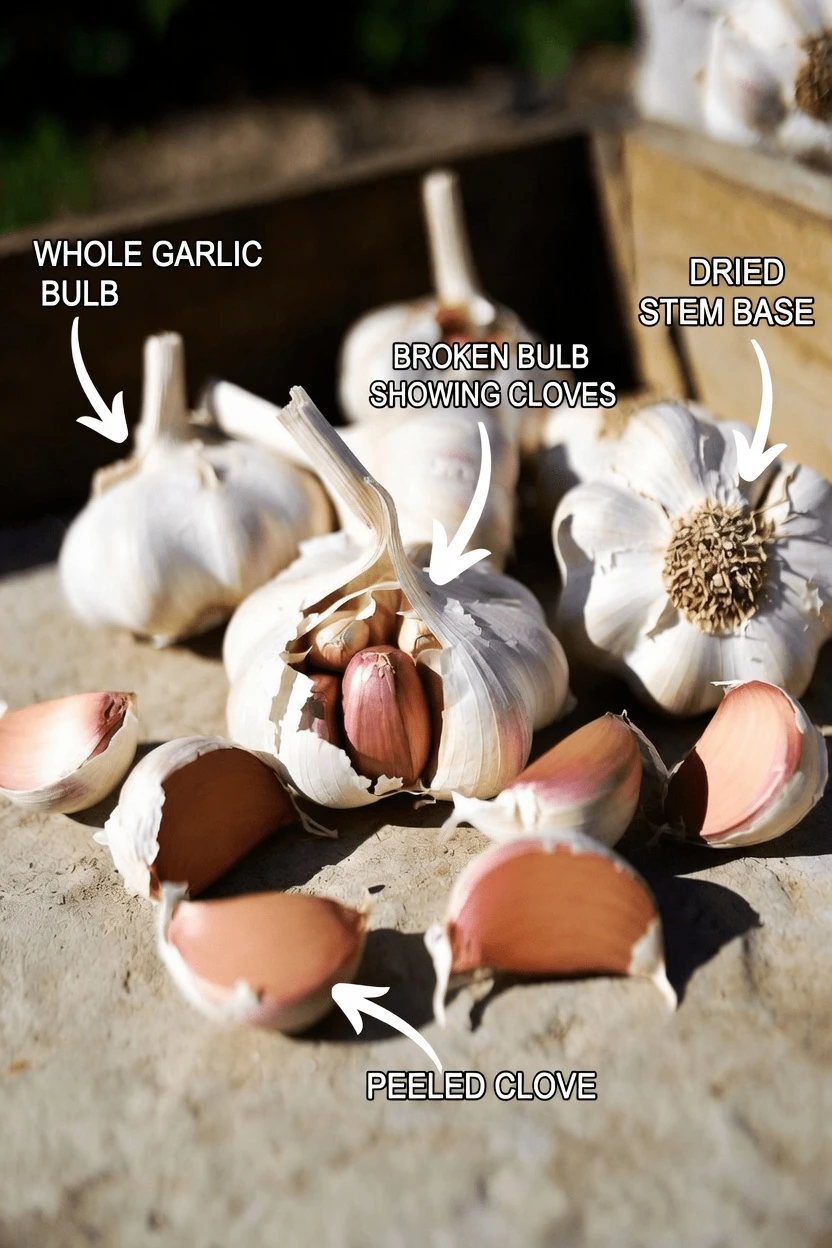
Mistake #1: Not Crushing or Chopping Garlic at All
This is the most overlooked issue—and the one change that surprises many people.
If you swallow whole cloves or slice them too lightly, the chemical reaction that produces allicin barely happens. Without enough cell damage, there’s little meaningful allicin formation.
Better approach (the key step):
- Crush, mince, or chop garlic thoroughly
- Let it sit exposed to air for 10–15 minutes
- Then eat it raw (with food) or cook it lightly
If you skip this, garlic may still taste great—but it becomes a less potent ingredient from a research-based perspective.
How to Use Garlic Effectively (and Safely) Starting Today
Use this simple routine to get more from garlic without making it complicated:
- Pick quality garlic: select firm bulbs; avoid soft, moldy, or very old cloves
- Prep properly: crush or finely chop 1–2 cloves
- Wait before cooking: rest for at least 10 minutes to support allicin formation
- Use smart cooking: add garlic near the end of cooking, or use gentle heat after resting
- Protect your stomach: consume with meals (dips, yogurt-based sauces, guacamole, dressings), or try a small amount with honey
- Stay moderate: for most people, 1–2 cloves daily is a realistic range
- Check compatibility: if you take medications or manage a health condition, consult a healthcare professional before increasing intake
Raw vs. Cooked Garlic: A Quick Comparison
- Raw (crushed and rested): higher allicin potential; often used for antioxidant/immune-focused routines; best for dressings, dips, spreads
- Lightly cooked (after resting): moderate retention; balanced flavor and function; good for soups, sauces, stir-fries
- Overcooked or microwaved: low allicin; mostly flavor; best used when taste is the only goal
Garlic Use Guidelines at a Glance
- Daily amount: 1–2 cloves
- Timing: crush/chop, then rest 10+ minutes
- Digestion: take with food if you’re sensitive
- Medication safety: check with a clinician if unsure
- Storage: cool, dry, ventilated space for better freshness
A small habit change—especially crush, rest, then use—can help you get far more from this everyday ingredient while keeping it comfortable and safe.