
12 Common Signs of Menstrual and Pelvic Changes Women Should Not Ignore
Many women move through packed schedules while quietly noticing that something feels different: periods become irregular, pelvic discomfort shows up more often, or energy levels drop for no clear reason. These changes are easy to blame on stress, work, parenting, or simply getting older. Still, they can interfere with daily comfort, exercise, relationships, and peace of mind.
The encouraging part is this: recognizing common patterns can make it much easier to understand what your body may be signaling. And there is one simple habit at the end of this article that helps connect all of these symptoms and often gives women answers sooner than expected.
Why Menstrual and Pelvic Awareness Matters
From their 20s to their 50s, many women adapt to symptoms they never planned for: unpredictable cycles, heavy bleeding, ongoing pelvic discomfort, or tiredness that drains the joy from everyday life. Menstrual irregularities affect an estimated 14% to 25% of women of reproductive age. Heavy menstrual bleeding is also very common, with estimates suggesting it affects around 1 in 5 women in the United States.
That means these experiences are not rare, even if they often feel isolating. It can be frustrating to cancel plans because of sudden bleeding, or to avoid certain activities because of pain or pressure.
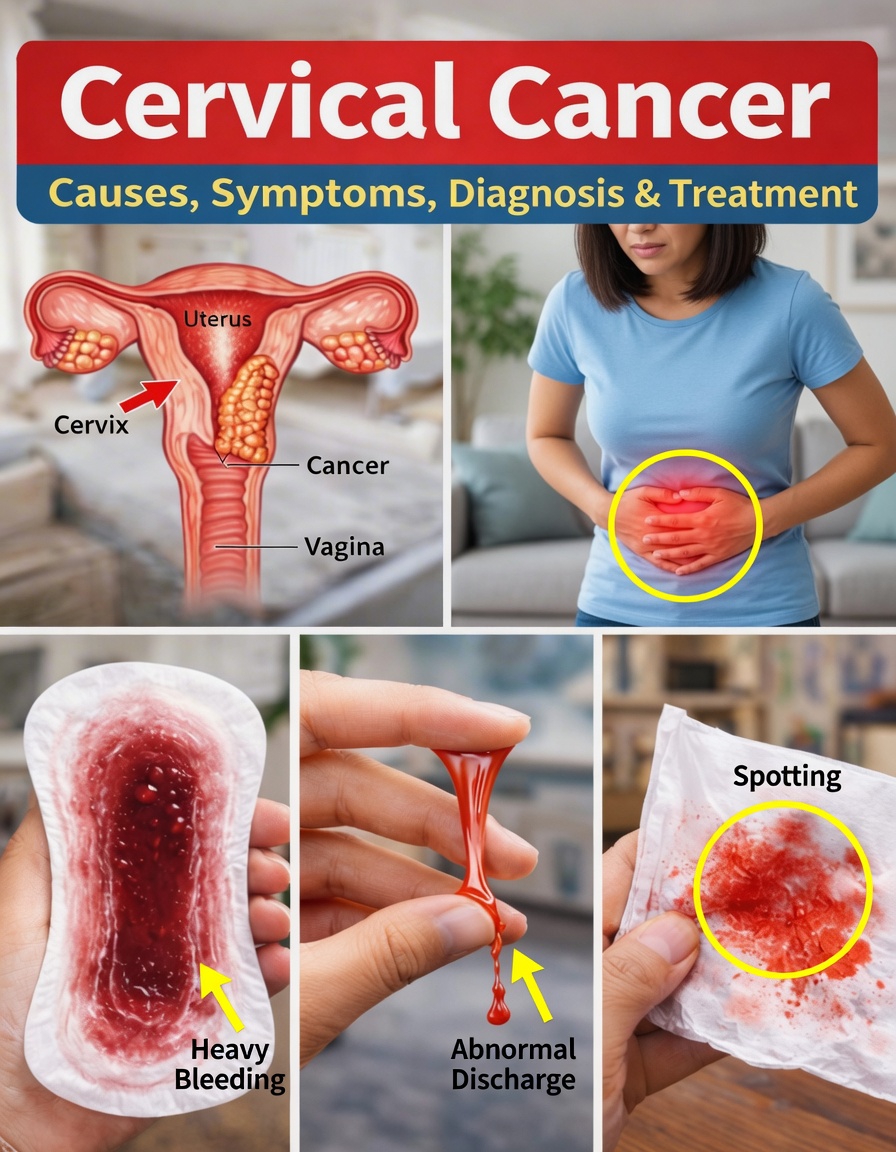
This is about more than inconvenience. Paying attention to these changes may help reveal patterns linked to hormonal fluctuations, structural issues, or other reproductive health concerns. Many women try temporary solutions such as rest, pain relief, or heating pads. While these may help in the moment, they do not always explain the bigger picture.
Research shows uterine fibroids are extremely common, affecting up to 80% of women by age 50, although many women never realize they have them. Endometriosis affects about 10% of women of reproductive age worldwide. Learning to recognize the early signs can help you feel more informed and more confident when discussing your symptoms.
Sign #1: Irregular Periods
A predictable cycle can suddenly become inconsistent. For some women, periods come too early. For others, they arrive much later than expected or disappear for a month altogether.
Sarah K., 34, a marketing executive and mother, noticed her usual 28-day cycle stretching to 40 days, and sometimes skipping entirely. She said, “I felt moody and unsure about my balance.”
Irregular periods can be influenced by a range of hormonal and structural factors. Since cycle irregularity affects 14% to 25% of women, it is worth paying attention if your usual rhythm has changed.
A helpful first step is to rate how predictable your cycle feels on a scale from 1 to 10. If it falls below 7, that may be a useful point to discuss with a healthcare provider.
Sign #2: Heavy Menstrual Bleeding
Heavy menstrual flow can go far beyond what many women consider “just my normal.” If you are soaking through protection every hour, passing large clots, or bleeding for more than seven days, it may be time to take a closer look.
Emily R., 42, a teacher, found herself changing protection hourly and planning her workday around her period. “I was exhausted and had to organize everything around it,” she shared.
Some global studies suggest heavy menstrual bleeding affects up to 30% of women. Tracking the amount and duration of your flow can make conversations with a healthcare professional much more specific and useful.
Take a moment to imagine your period without the stress of excessive bleeding. How different would your week feel?
Sign #3: Severe Menstrual Cramps
Mild cramping is common during menstruation, but intense pain that disrupts work, sleep, or normal activity is different.
Lisa M., 38, an accountant, described cramps that completely changed her day. “It felt like it took over everything.”
Severe menstrual pain can be associated with several underlying issues. For example, endometriosis affects roughly 10% of women of reproductive age and is one possible explanation in some cases.
A simple exercise: think about your worst cramp day in the past few months. How severe was it, and what did it stop you from doing? Write that down.
Sign #4: Pelvic Pain Between Periods
Pelvic discomfort that appears outside your menstrual cycle can be especially confusing. It may feel like pressure, aching, or a constant sense that something is not right.
Jessica T., 45, a nurse, dealt with daily pelvic heaviness. “It felt like something was off inside,” she said.
Non-cyclic pelvic pain can have multiple causes. Tracking when it appears, how long it lasts, and whether it worsens with exercise, sitting, or certain activities can help identify important patterns.
Ask yourself: how often do you notice unexplained pelvic discomfort, from 1 to 5?
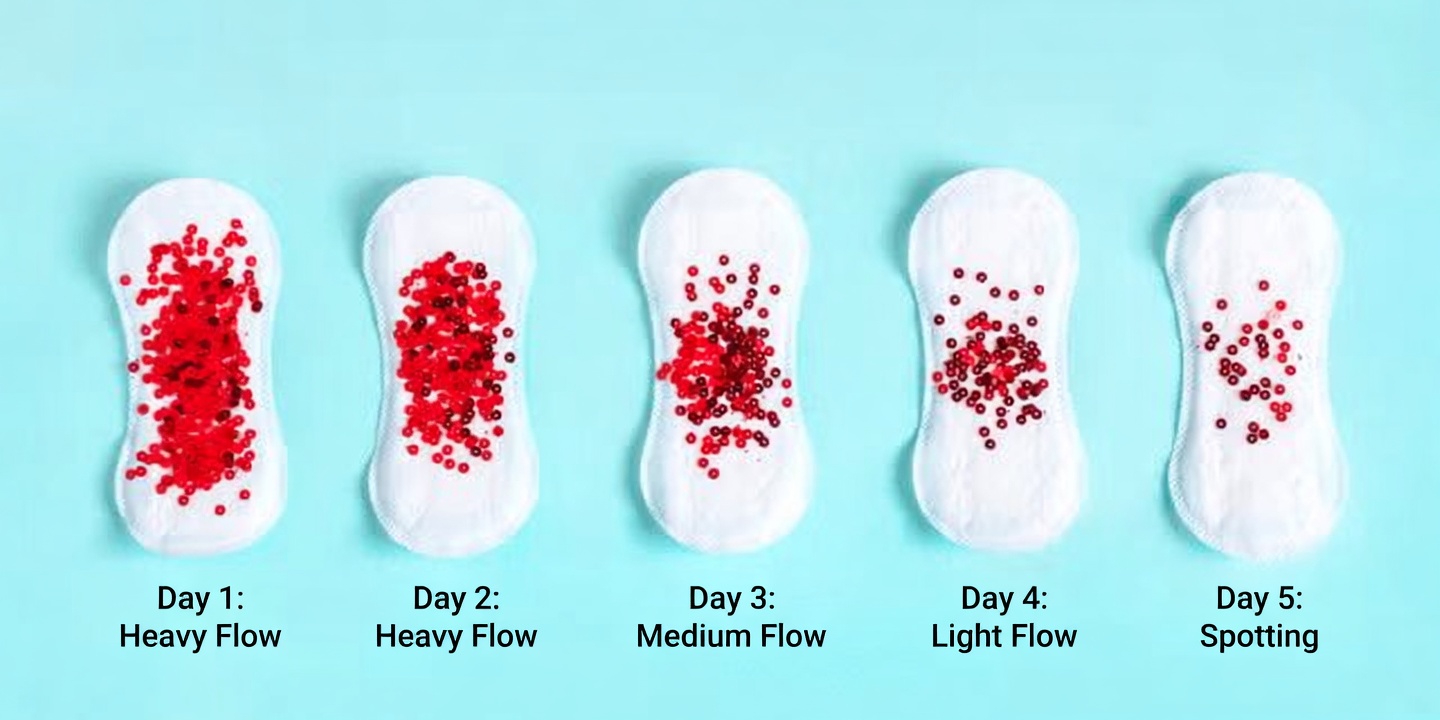
A Quick Midpoint Check-In
Before moving on, pause and reflect:
- How many signs have you recognized so far?
- Which symptom concerns you the most right now?
- Has your comfort level changed over time?
- Are you noticing patterns connected to your cycle?
Awareness is already a strong first step.
Sign #5: Pain During Intimacy
Discomfort during intimacy is often under-discussed, even though it can affect both physical and emotional well-being.
Rachel P., 41, experienced sharp pain during intimate moments. “It created distance, and I started avoiding it,” she explained.
Pain during intimacy may be linked to several pelvic or reproductive factors. Open communication, symptom awareness, and medical guidance often help women better understand what is happening and what steps to take next.
Sign #6: Unusual Vaginal Discharge
Changes in discharge can be easy to overlook, but shifts in color, texture, or smell may deserve attention.
Maria L., 36, noticed changes that made her uneasy. “It was worrying because it felt unfamiliar,” she said.
While normal discharge is often clear or white with a mild scent, more noticeable changes may signal something affecting vaginal or pelvic health. Recording these changes and getting appropriate testing when needed can provide clarity.
Sign #7: Frequent Urination or Bladder Pressure
A constant urge to urinate, repeated nighttime bathroom trips, or ongoing bladder pressure can interrupt work, sleep, and everyday comfort.
Nicole B., 48, found herself rushing to the bathroom constantly. “It affected both my sleep and my work,” she said.
In some cases, this symptom may be related to pressure from pelvic structures or other underlying issues. Tracking how often it happens and whether it comes with pelvic heaviness can be very helpful for a medical discussion.
Sign #8: Lower Back Pain
Persistent lower back pain is not always just about posture or a busy day. When it appears alongside menstrual or pelvic symptoms, it may be connected to the same underlying pattern.
Amanda S., 50, dealt with recurring low back pain that seemed tied to her cycle. “It limited how much I could move,” she shared.
When lower back pain regularly appears with cramps, bleeding changes, or pelvic pressure, it is worth noting the timing and severity.
Sign #9: Unexplained Fatigue
Ongoing tiredness can slowly become part of normal life, but unexplained fatigue should not be ignored.
Heather J., 39, said, “It felt like I lost my spark.”
Fatigue may be linked to many experiences over time, including heavy bleeding, pain, poor sleep, or other health factors. Keeping a record of your energy levels throughout the month may reveal connections you had not noticed before.

Sign #10: Difficulty Getting Pregnant
For some women, trouble conceiving becomes the sign that leads them to investigate deeper reproductive health concerns.
Olivia N., 35, struggled to become pregnant and later learned that several factors might be involved. “The testing finally gave me direction,” she said.
In some cases, hormonal or structural issues can affect fertility. Paying attention to cycle regularity, pain, and bleeding patterns may offer useful context during fertility discussions.
Sign #11: Spotting Between Periods
Bleeding or spotting between periods can be surprising and unsettling, especially if it happens more than once.
Grace E., 52, noticed mid-cycle spotting and found it concerning. This type of bleeding can happen for different reasons, but tracking when it occurs and how often can help identify whether it follows a pattern.
One especially important note: bleeding after menopause should always be discussed promptly with a healthcare professional.
Sign #12: Abdominal Bloating or Enlargement
Persistent bloating or a visible increase in abdominal size is another symptom women may dismiss as digestion, weight fluctuation, or aging.
Victoria C., 47, noticed steady bloating and that her clothes were fitting differently. “It was not just occasional puffiness,” she said.
When bloating continues, becomes more noticeable over time, or appears alongside pelvic pressure and cycle changes, it is worth documenting.
The Simple Habit That Connects All 12 Signs
The easiest and most effective habit in this entire article is symptom tracking.
A basic record of your cycle, pain, flow, energy, and physical changes can reveal patterns much faster than relying on memory. It also gives your healthcare provider more useful information, which may lead to quicker answers and better next steps.
Symptom Tracker You Can Start Today
Use this simple system:
- Download a free period-tracking app or use a notebook
- Record the start and end date of each period
- Rate bleeding, pain, and energy from 1 to 10
- Note symptoms such as spotting, pelvic pressure, back pain, discharge changes, bloating, or urinary frequency
- Add possible triggers, including stress, food, exercise, or sleep changes
- Review your notes every three months
- Share the record with your healthcare provider if symptoms persist or worsen
Warning Signs Often Dismissed Too Easily
Here are some common examples of symptoms women often brush aside, and why tracking them matters:
-
Heavy periods
- Often dismissed as: “That is just normal for me”
- Why tracking helps: It may reveal a pattern linked to fatigue, iron loss, or other concerns
-
Pelvic pain or lower back pain
- Often dismissed as: stress, posture, or overwork
- Why tracking helps: It shows whether the pain is cycle-related or persistent enough to investigate
-
Spotting
- Often dismissed as: random hormones
- Why tracking helps: Repeated episodes can point to patterns worth discussing with a professional
Final Takeaway
Irregular periods, heavy bleeding, severe cramps, pelvic pain, painful intimacy, unusual discharge, bladder pressure, lower back pain, fatigue, fertility struggles, spotting, and persistent bloating are all signs worth noticing. None of them automatically mean something serious, but all of them deserve awareness.
The most empowering step is not guessing. It is observing.
By tracking your symptoms consistently, you give yourself a clearer view of your health, a stronger voice in medical conversations, and a better chance of understanding what your body is trying to tell you.