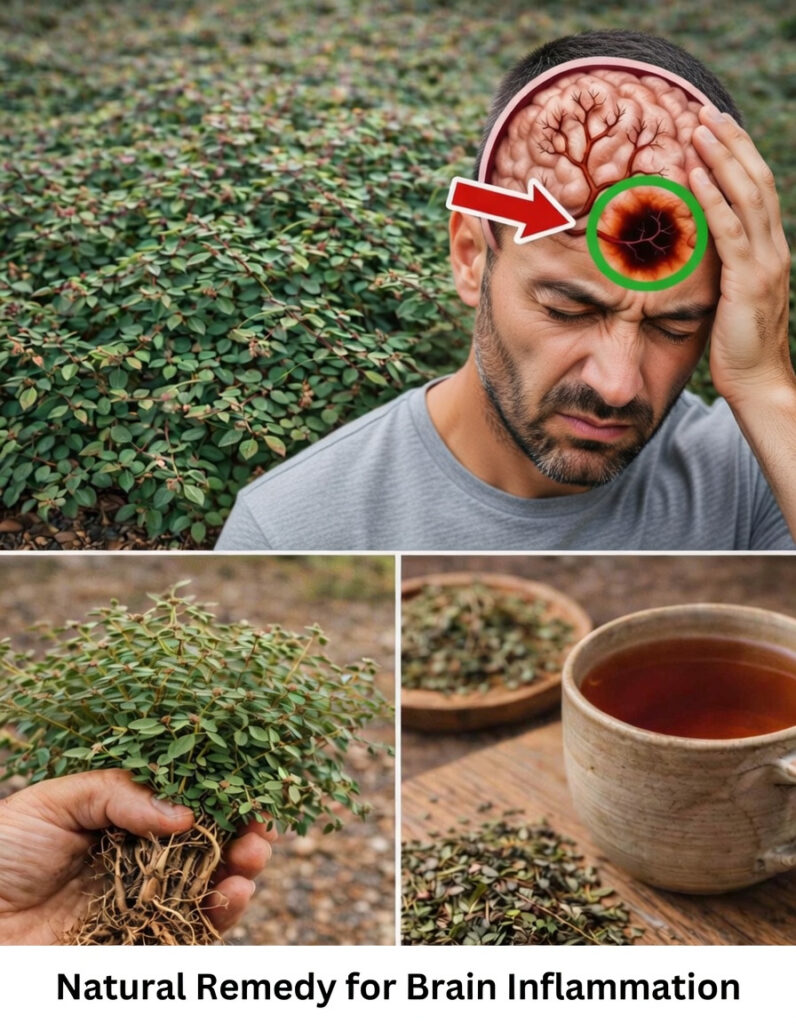
Euphorbia Thymifolia: A Traditional Herb for Digestive Ease, Skin Comfort, and Everyday Wellness
As people move through their 40s and later years, it is common to notice occasional digestive discomfort or days when energy does not feel quite as steady. Small issues like these can gradually affect daily comfort and enjoyment, which is why many people begin looking toward gentle, plant-based wellness support. One herb that has quietly remained part of traditional healing practices is Euphorbia thymifolia, a small plant often overlooked in gardens and open spaces. Although modest in appearance, it has been valued across cultures for generations and may offer a surprisingly practical place in a modern wellness routine.
What Is Euphorbia Thymifolia?
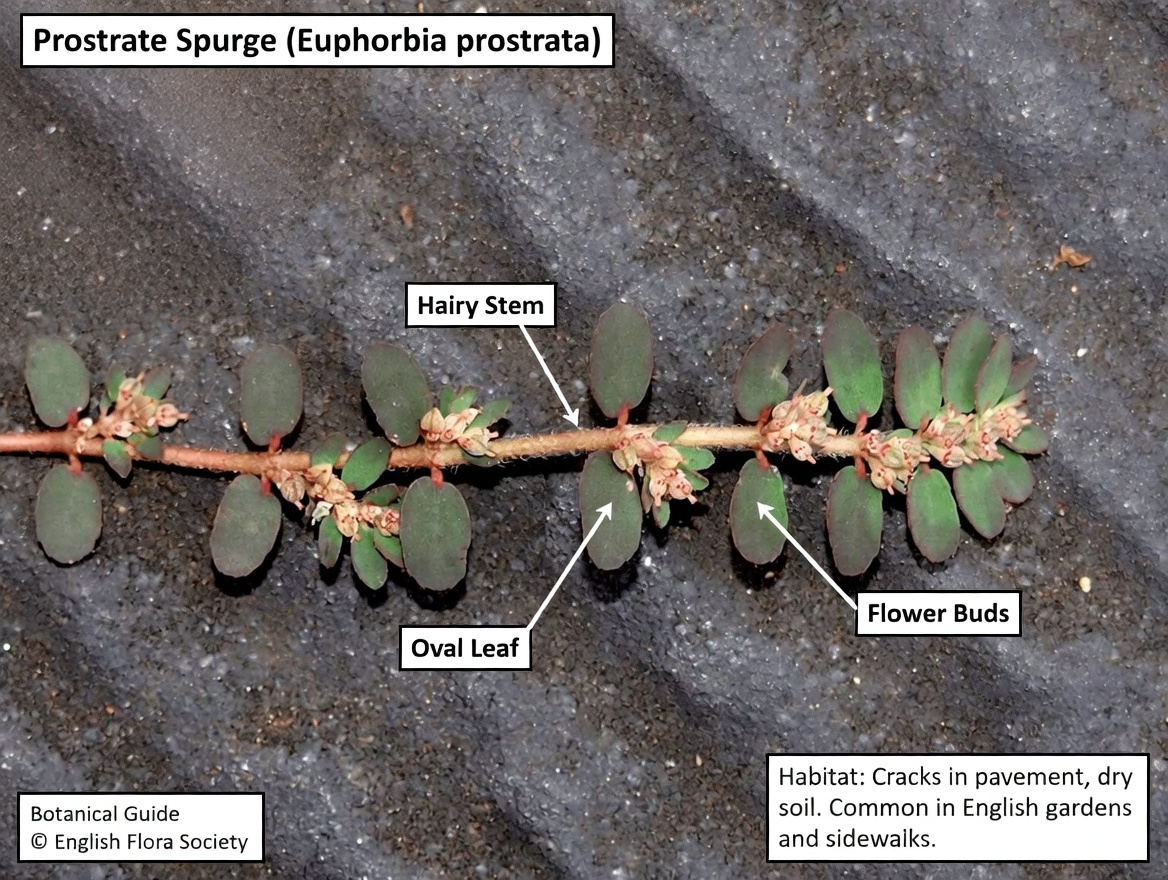
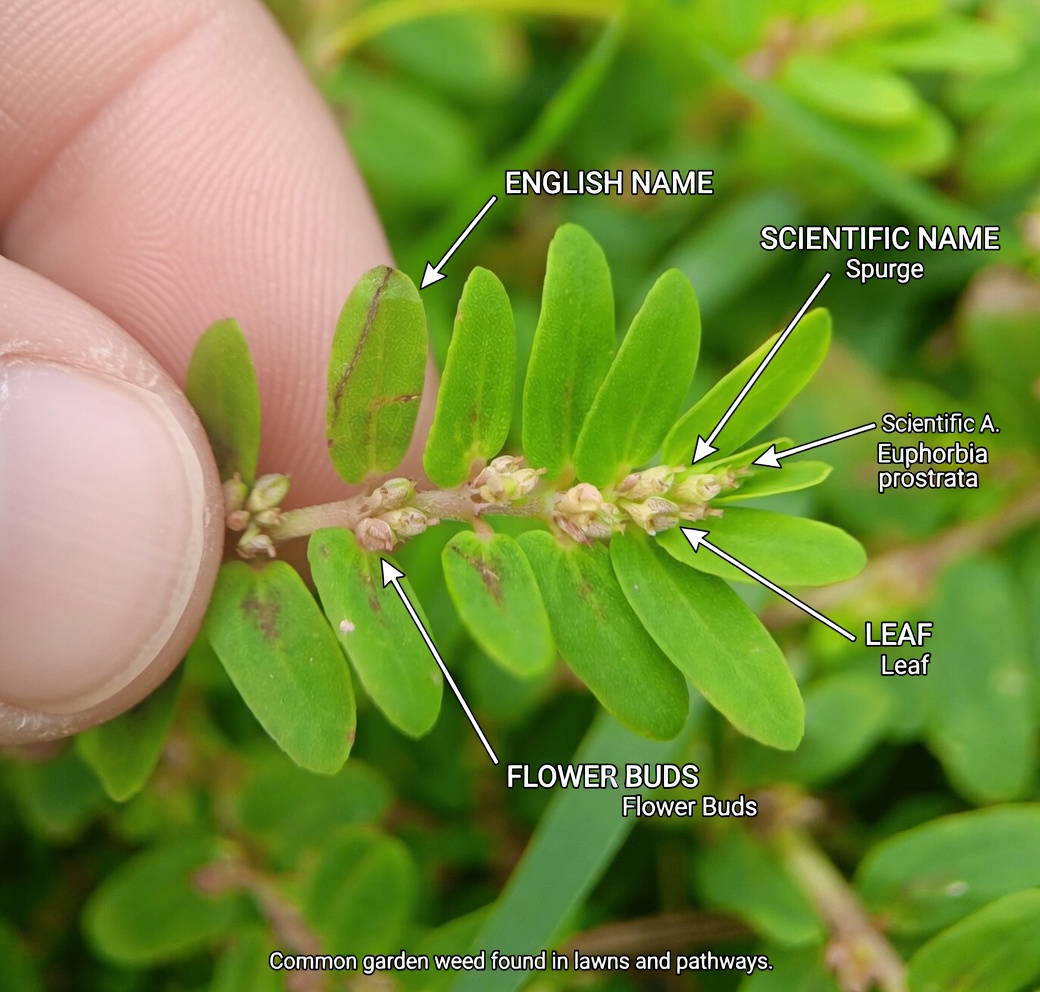
Euphorbia thymifolia is a low-growing herb with tiny leaves, fine stems, and a subtle presence that makes it easy to miss. In some regions, it is known as thyme-leaved spurge or laghududhika, and it commonly grows in tropical and subtropical climates, often appearing in backyards, pathways, or disturbed soil.
What makes this plant notable is not its appearance, but its longstanding use in traditional wellness systems. For centuries, communities have included it in simple herbal preparations and daily practices. Interest in the herb also comes from its natural compounds, including flavonoids, tannins, and other polyphenols, which shape its traditional and research-based profile.
Early laboratory studies have also examined its antioxidant activity, suggesting that it may help support the body’s natural response to everyday oxidative stress. That is one reason this humble herb continues to attract attention among those exploring natural wellness options.
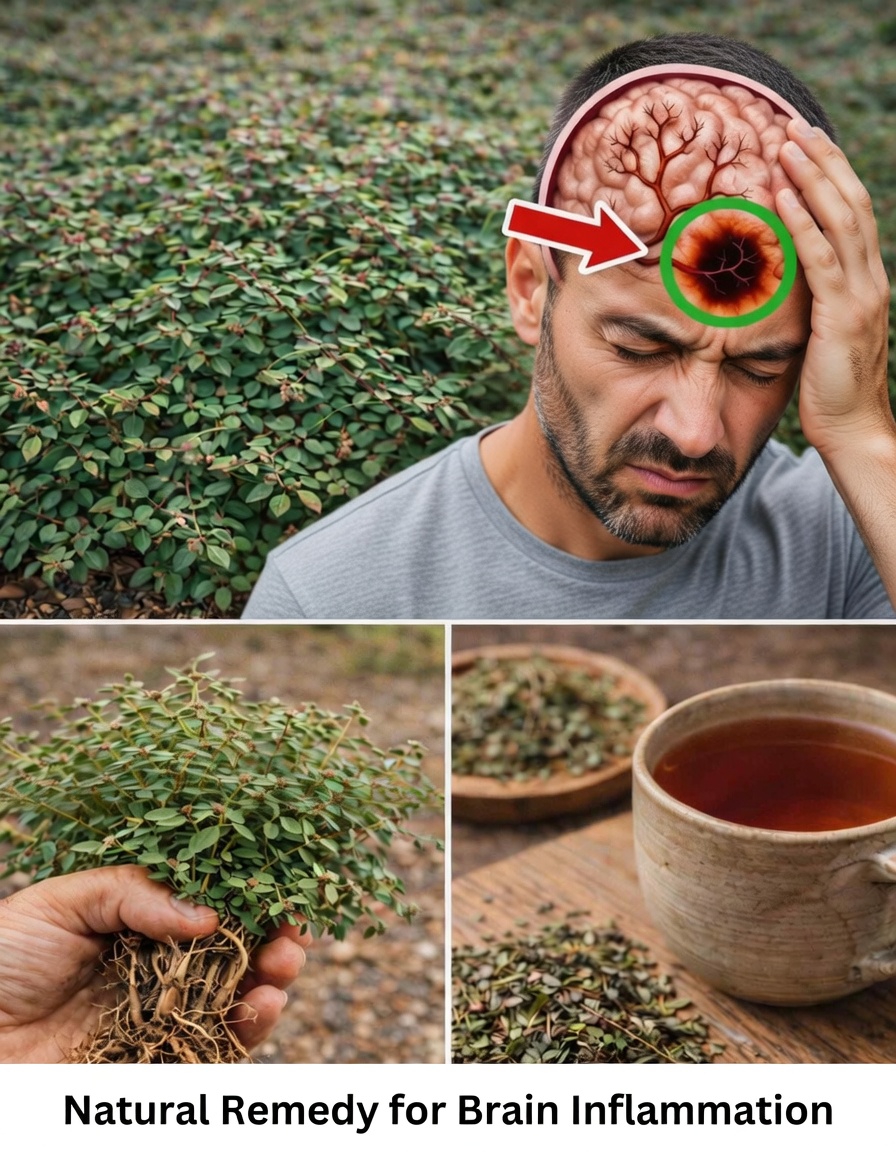
Why It Has Been Traditionally Used for Digestive Comfort
Many traditional uses of Euphorbia thymifolia center on the digestive system. When meals leave the body feeling heavy, bloated, or slightly unsettled, herbal preparations made from this plant have been used in folk practices as a mild and supportive option.
Its naturally occurring tannins give it an astringent quality, which is one reason it is often prepared as a light infusion or tea. In traditional settings, the plant has been associated with helping maintain digestive balance and general gut comfort.
A review published in Ancient Science of Life in 2013 also pointed to its historical use in such contexts, reinforcing its place in traditional digestive wellness. While modern research is still developing, its long record of cultural use remains one of the main reasons people continue to explore it today.
Traditional Uses for Skin and Respiratory Support
Euphorbia thymifolia has not been limited to digestive traditions alone. In some local practices, properly prepared and diluted leaf applications have been used externally for minor skin irritation. Its polyphenol content is often discussed as part of the reason it has drawn interest in gentle topical care.
Some traditions also use the herb in steam decoctions during seasonal changes. When the leaves are prepared in hot water, they release a mild, earthy aroma that many people find soothing. This has made the plant part of simple respiratory comfort rituals in certain regions.
These traditional uses do not replace medical treatment, but they help explain why the herb has remained relevant in everyday wellness habits.
Important Compounds Found in Euphorbia Thymifolia
Preliminary research highlights several naturally occurring components that contribute to the plant’s profile:
- Flavonoids, including compounds such as quercetin, which are often linked to antioxidant activity
- Tannins, known for their mild astringent nature
- Polyphenols, studied for their role in supporting overall cellular health
Many people interested in traditional herbal use prefer the whole-plant form, whether fresh or dried, rather than isolated extracts. This is because the herb’s value is often believed to come from the natural synergy of its compounds working together.
How Euphorbia Thymifolia Compares With Other Common Herbs
Here is a simple comparison showing why some people find Euphorbia thymifolia easy to include in everyday wellness routines:
| Aspect | Euphorbia Thymifolia | Common Alternatives Like Turmeric or Ginger |
|---|---|---|
| Everyday preparation | Light tea or leaf infusion | Powders, capsules, or cooking spices |
| Traditional focus | Digestive comfort and skin support | General wellness and spice-based support |
| Natural profile | Whole-plant balance with tannins and flavonoids | Often associated with a few dominant compounds |
| Accessibility | May grow locally in some regions | Usually bought in processed form |
This comparison shows why the herb appeals to those who prefer simple, local, and traditional plant use.
How to Explore Euphorbia Thymifolia Safely at Home
If you want to try Euphorbia thymifolia in a basic and cautious way, start small and observe your body’s response.
Simple Preparation Steps
-
Choose a safe source
- Use fresh leaves or properly dried leaves from a trusted supplier.
- If harvesting yourself, make sure the plant is correctly identified to avoid confusion with look-alikes.
-
Clean the leaves
- Rinse a small handful under cool water.
- Pat dry gently.
-
Prepare the infusion
- Add 1 teaspoon of leaves to 1 cup of hot water.
- Cover and steep for 8 to 10 minutes.
-
Strain and drink
- Let it cool slightly.
- Sip slowly.
- Some people prefer adding a small amount of honey for taste.
-
Begin with a small amount
- Start with one cup per day.
- Observe how it feels over the first week.
One useful detail that is often missed: shade-drying the leaves instead of placing them in direct sunlight may help preserve their texture, aroma, and delicate flavor for longer storage.
Antioxidant Potential and Modern Wellness Habits
Modern interest in Euphorbia thymifolia also comes from its potential antioxidant properties. Certain plant extracts have shown promising activity in laboratory antioxidant tests, including research referenced in the Journal of Biomedical Science.
Some studies suggest that compounds such as galloyl derivatives may gently interact with free radical processes. While these findings are still preliminary, they help explain why the plant is sometimes included in broader routines aimed at supporting vitality and resilience.
Of course, no herb works in isolation. Its greatest value is likely to appear when used alongside healthy habits such as:
- Balanced meals
- Good sleep
- Daily movement
- Stress management
- Consistent hydration
More Practical Ways to Use This Herb
In addition to tea or infusion, some people incorporate Euphorbia thymifolia in other simple ways:
- Add a small amount of powdered leaf to smoothies for a mild, earthy note
- Use a cooled and diluted infusion as a gentle rinse for small skin areas, after patch-testing first
These methods can make the herb feel easier to include in everyday life without requiring major lifestyle changes.
Creating a Consistent Routine
With any herb, moderation and consistency matter more than taking large amounts. A common approach is to try it for two weeks, while paying attention to small changes in daily comfort or digestive balance.
Many people also find it helpful to pair herbal routines with supportive practices such as:
- Light walking
- Mindful breathing
- Regular mealtimes
- Better sleep habits
What makes Euphorbia thymifolia especially interesting is that traditional use touches several areas at once, including digestive wellness, skin comfort, and general vitality.
What You Might Notice Over Time
A realistic timeline can help set expectations:
Week 1
- Getting used to the herb’s flavor
- Noticing how the infusion fits into daily habits
- Mild early signs of digestive comfort for some people
Weeks 2–4
- Greater routine consistency
- A more settled feeling around digestion for some users
- Easier integration into everyday wellness habits
Ongoing Use
- Adjusting the amount based on personal response
- Keeping portions modest
- Continuing only if it feels supportive and well-tolerated
This gradual approach keeps the experience balanced and practical.
Common Questions About Euphorbia Thymifolia
What is Euphorbia thymifolia, and where does it grow?
It is a small annual herb with opposite leaves and a milky sap. It is commonly found in tropical and subtropical areas around the world, especially in gardens, roadsides, and disturbed ground.
How can I make sure I am using the correct plant?
Use clear identification guides, compare multiple photos, and consult local plant experts when possible. If foraging feels uncertain, buying from a reliable herbal source is the safer option.
Is it safe for everyone?
Traditional use generally describes it as mild when properly prepared, but caution is still important. People who are pregnant, sensitive to herbs, or taking medication should speak with a healthcare professional first. The plant’s milky latex may cause irritation if handled carelessly.
Final Thoughts on This Overlooked Wellness Herb
Euphorbia thymifolia is a quiet but compelling example of how simple plants can hold lasting value in traditional wellness. From its long history of use for digestive comfort to its early-researched antioxidant properties, it offers a gentle and accessible option for those interested in natural support.
Its appeal lies in its simplicity: a common herb, a straightforward preparation, and a role that fits naturally into mindful daily living. With careful identification, moderate use, and consistent habits, Euphorbia thymifolia may become a meaningful part of a balanced wellness routine.