Why White Tonsil Stones Form and What Causes the Bad Smell
Seeing tiny white deposits at the back of your throat can be alarming, especially when they come with sudden bad breath. For many people, this creates awkward moments during conversations, laughter, or close interactions. What causes this problem is often a gradual buildup of material in small spaces around the throat. The encouraging part is that once you understand why it happens, you can take practical steps to improve oral hygiene and reduce the chances of it returning. There is also one overlooked daily habit that can make more of a difference than most people expect.
What Are Tonsil Stones?
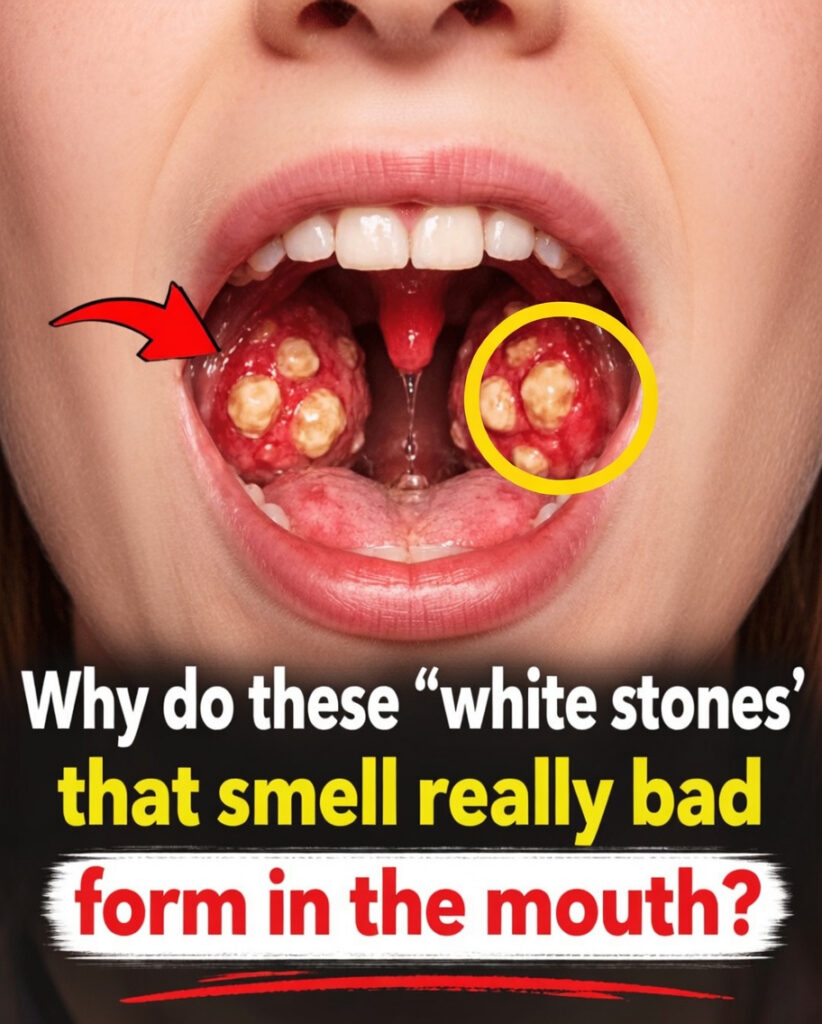
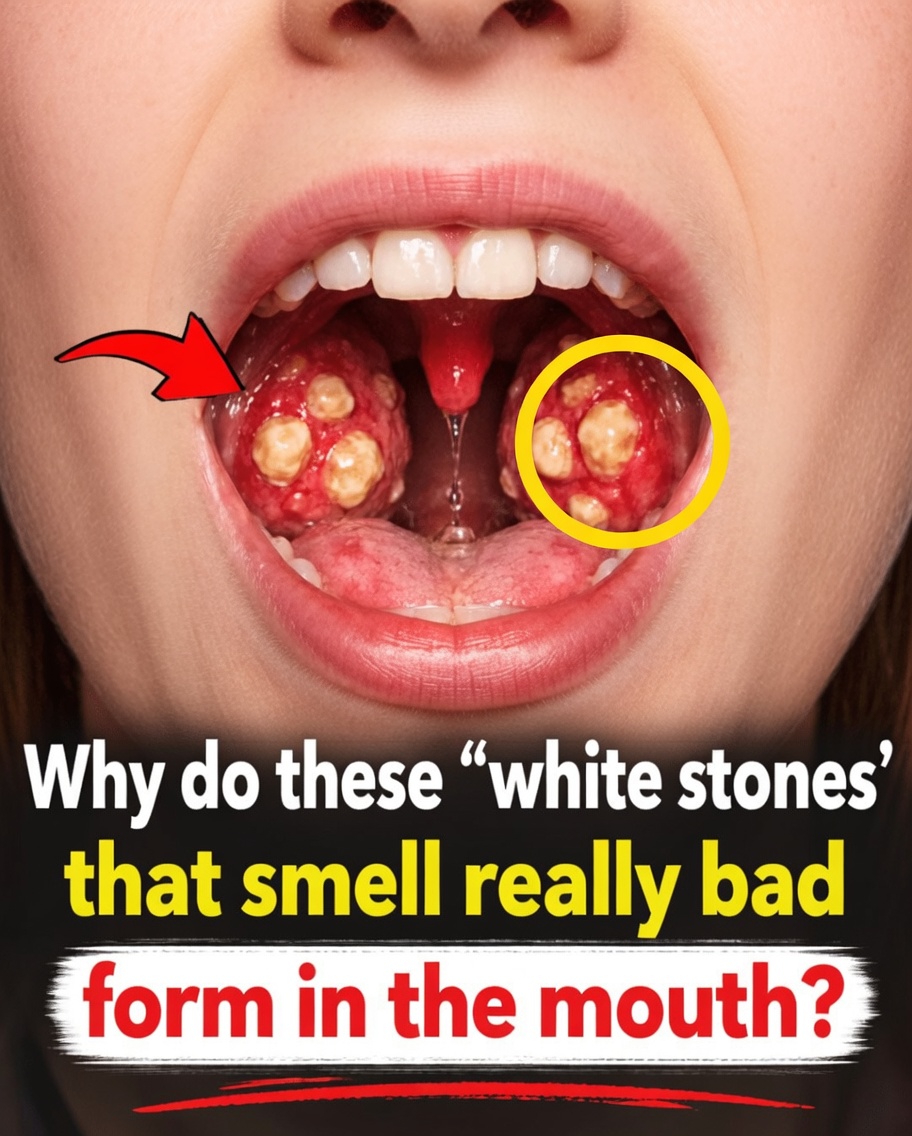
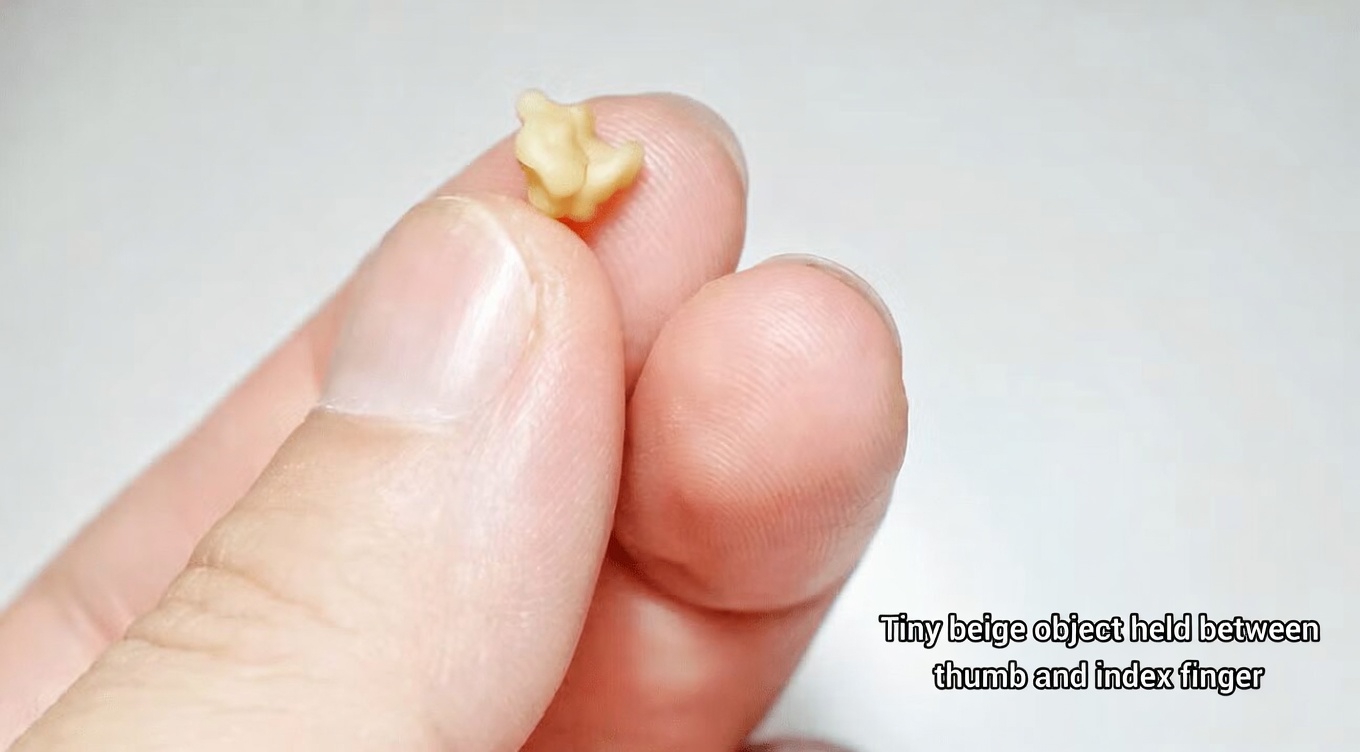
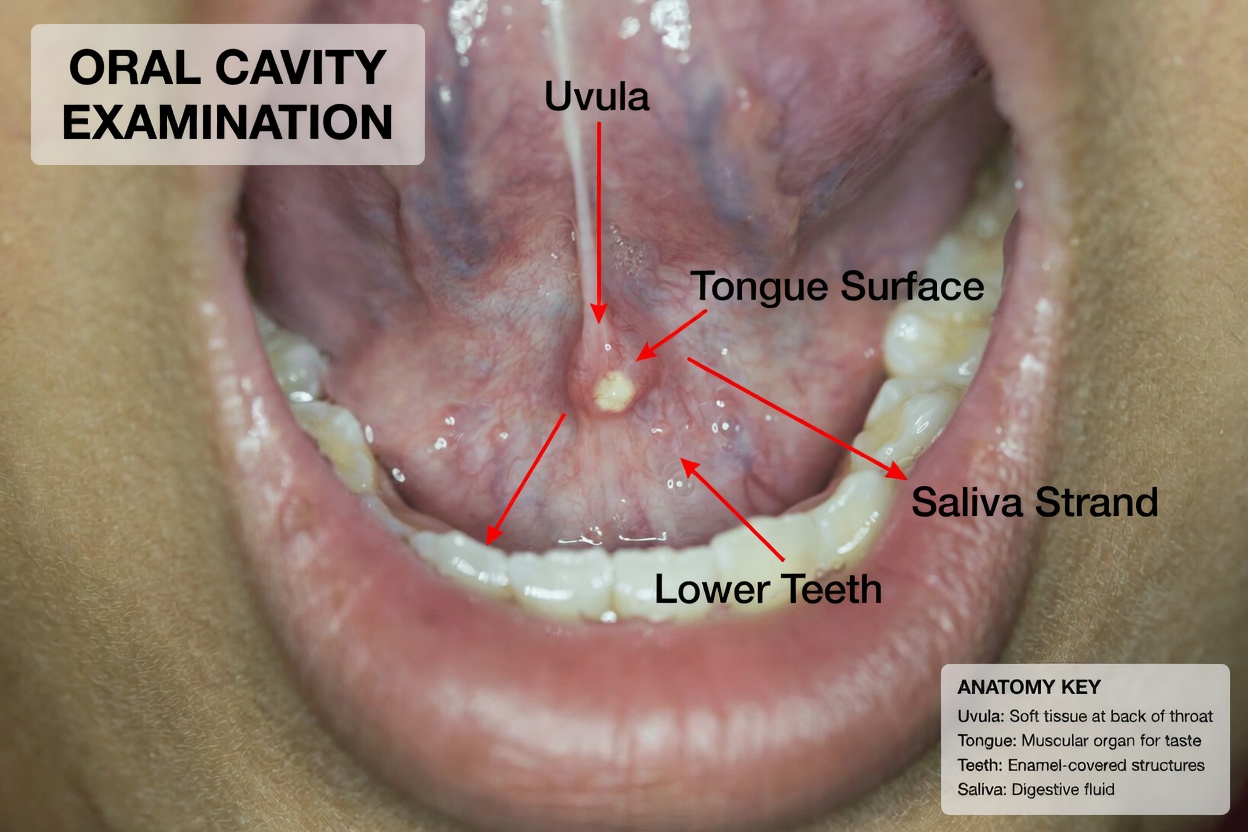
Tonsil stones are small white or yellowish formations that develop in the tonsils. The tonsils are the two soft tissue structures located at the back of the throat, and they play a role in helping the body respond to infections. These stones are essentially compacted masses of debris that collect in tiny natural openings known as tonsil crypts.
Some people only notice them when they loosen and move, while others spot them while checking their throat in the mirror. They are actually fairly common, particularly in individuals whose tonsils have deeper grooves or pockets.
How Do Tonsil Stones Form?
Tonsil stones begin when particles such as food residue, dead cells from the mouth lining, mucus, and bacteria become lodged in the tonsil crypts. As time passes, minerals in saliva, especially calcium, can accumulate around this trapped material and cause it to harden.
Oral health research suggests this process is more likely when debris regularly builds up or when the mouth’s natural cleansing action is less efficient. Studies in oral microbiology also show that the structure of certain tonsils makes it easier for particles to get stuck.
Not everyone develops tonsil stones, which suggests that daily habits and personal anatomy both influence the risk.
Why Do Tonsil Stones Smell So Bad?
One of the most frustrating symptoms is the odor. When bacteria feed on the trapped proteins and other debris, they produce volatile sulfur compounds. These are the same types of compounds involved in many cases of bad breath.
Dental professionals point out that even very small tonsil stones can cause noticeable halitosis because the bacteria remain protected inside the tonsil crypts. That is why the smell can seem much stronger than the size of the stone would suggest.
Factors That Increase the Chances of Tonsil Stones
Several common conditions and habits may make tonsil stones more likely to form. Knowing these factors can help you adjust your routine and pay closer attention to your oral health.
- Deep or uneven tonsil crypts that trap debris more easily
- Repeated throat irritation or a history of infections that alter the tonsil surface
- Poor or inconsistent oral hygiene
- Dry mouth, which lowers the amount of saliva available to wash away particles
- Excess mucus related to allergies or sinus problems
Even minor improvements in these areas can be helpful for many people.
Common Signs to Watch For
Tonsil stones are not always obvious at first. In addition to white spots and unpleasant breath, you may notice other symptoms, including:
- A feeling that something is stuck in the throat
- Mild throat irritation
- Occasional ear discomfort
- A strange or metallic taste in the mouth
If these symptoms continue or become bothersome, it is a good idea to speak with a healthcare professional for proper evaluation.
Daily Oral Hygiene Habits That Can Help
The best approach is not a one-time solution, but a steady routine that supports a cleaner mouth and throat. These simple habits may help reduce debris buildup and keep your breath fresher:
- Brush your teeth twice a day with a soft-bristled toothbrush.
- Clean your tongue gently to remove bacteria and surface residue.
- Floss every day to clear trapped food between the teeth.
- Drink enough water throughout the day to support saliva production.
- Gargle with warm salt water after meals if that feels helpful for rinsing the throat area.
Small additions to your routine, such as cleaning the tongue regularly, can make a meaningful difference in lowering the bacterial load in the mouth.
The Overlooked Habit That May Support Fresher Breath
One daily practice many people ignore is how they manage residue after eating. Staying hydrated and gently rinsing the mouth or throat after meals may be more useful than expected. Another often-missed detail is breathing through the nose when possible. This can help maintain better moisture in the mouth and reduce dryness, which may otherwise contribute to buildup.
Research indicates that people who maintain consistent oral care habits generally experience fewer problems related to this type of debris accumulation.
When to Seek Professional Advice
If tonsil stones happen often, become uncomfortable, or keep affecting your breath, it is wise to consult a dentist or doctor. A professional can assess your specific situation, explain possible causes, and rule out other oral or throat conditions.
Because every mouth and throat structure is different, personalized guidance is often the best way to manage recurring symptoms.
Final Thoughts
Tonsil stones form when debris becomes trapped in the tonsils and gradually hardens through calcification. The unpleasant smell usually comes from bacterial activity inside those trapped pockets. By understanding the causes and following supportive habits such as brushing thoroughly, flossing, drinking water, and rinsing regularly, you can improve oral freshness and feel more confident. Consistency is what matters most, along with paying attention to changes in your body.
Frequently Asked Questions
Are tonsil stones dangerous?
In most cases, tonsil stones are harmless and are more annoying than serious. However, if they come with ongoing pain or other persistent symptoms, professional medical advice is recommended.
Do tonsil stones go away on their own?
Small tonsil stones often come out naturally over time, including during coughing or swallowing. Good oral hygiene may help support that process.
What should I do if they keep coming back?
Focus on a consistent oral care routine, stay well hydrated, and pay attention to factors such as dry mouth or mucus buildup. If the problem continues, a healthcare provider can offer advice based on your individual needs.
Disclaimer
This article is intended for informational purposes only and should not be considered medical advice. For concerns about oral health or symptoms you may be experiencing, consult a qualified healthcare professional.