
Natural Ways to Support Candida Balance: 8 Everyday Ingredients Worth Knowing
Constant fatigue, digestive upset, and unexpected skin flare-ups can make normal routines feel far more difficult than they should. In many cases, these symptoms may appear when the body’s natural yeast balance is disrupted by things like diet, stress, or certain medications. That imbalance can leave people feeling drained, uncomfortable, and frustrated.
Although standard medical treatment remains important, many individuals are also exploring natural, food-based ways to support overall balance. Interestingly, some pantry staples may offer more help than expected when used thoughtfully and consistently.
What Is Candida Overgrowth and Why Is It Important?
Candida is a common yeast that naturally exists in the body, especially in the digestive tract and on the skin. Problems can arise when it multiplies beyond normal levels. When that happens, some people notice symptoms such as low energy, bloating, or recurring mild skin irritation that may seem difficult to explain.
Several factors can encourage this imbalance. Antibiotic use, high-sugar diets, and chronic stress are often linked to changes in the body’s internal environment. Research suggests many adults may experience these shifts at some point without realizing what is contributing to them.
The goal is not fear, but awareness. By understanding a few simple daily habits and supportive ingredients, it may be possible to help the body maintain a healthier microbial balance.

8 Natural Ingredients That May Help Support Candida Balance
Below are eight accessible options, listed from foundational support to more targeted use. While early studies and small trials show promise, results can differ widely from person to person. As always, moderation and consistency matter most.
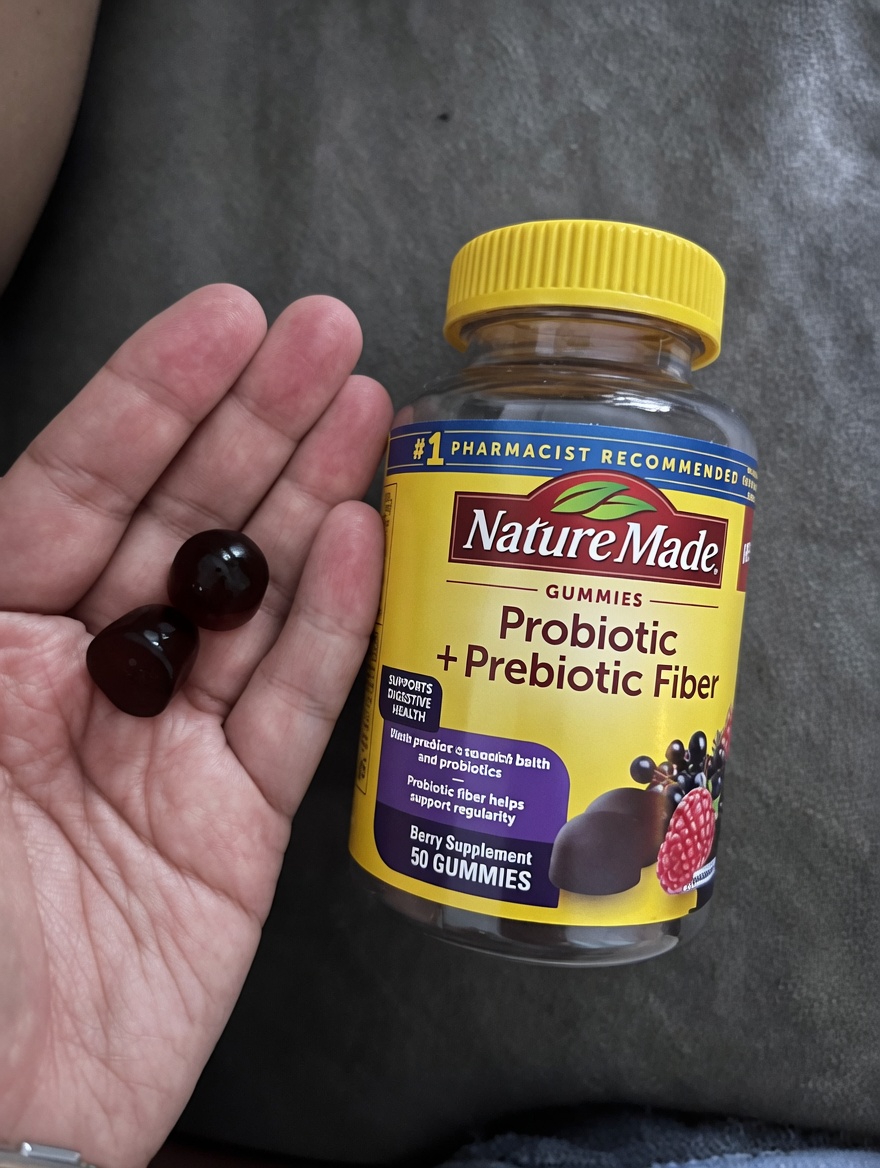
8. Probiotics: Everyday Support for Gut Health
Adding plain yogurt, kefir, or other fermented foods with live cultures to your routine is one of the easiest places to start. Probiotics help introduce beneficial bacteria that may compete with excess yeast in the gut and other areas of the body.
Research, including published reviews, suggests that certain probiotic strains may help reduce yeast colonization and support digestive balance. Some people also report improvements in regularity and less discomfort after meals when probiotics are used consistently.
For best results, choose unsweetened and properly stored products, especially refrigerated options with active cultures.
7. Garlic: A Powerful Ingredient in a Simple Form
Fresh garlic is more than a flavorful cooking staple. It contains allicin, a compound widely studied for its possible antifungal activity in laboratory settings.
Some research has even compared garlic extracts with common treatments for yeast-related concerns, showing encouraging results in specific cases. Many people find that adding fresh or lightly cooked garlic to meals may also help reduce bloating and support digestion.
Crushing garlic and letting it rest for a few minutes before eating or cooking may help preserve its active compounds.
6. Coconut Oil: A Gentle Option with Promising Properties
Coconut oil is easy to use in cooking, smoothies, or even warm drinks. One reason it gets attention is its caprylic acid content, which has shown potential in studies for interfering with yeast growth.
Laboratory findings suggest coconut oil compounds may help disrupt protective layers that yeast can form. Because it blends easily into food, it can be a practical everyday addition for people looking for gentle support.
If you are new to it, begin with a small amount, such as one teaspoon, and increase gradually if it suits you.
5. Oregano Oil: A Concentrated Herbal Option
Oregano oil is known for its strong aroma and potent plant compounds. One of its most studied components, carvacrol, has demonstrated notable antimicrobial and anti-yeast effects in lab research.
Scientific journals have highlighted oregano oil’s broad-spectrum activity, which is why it is popular in many wellness routines. Some people use it occasionally in diluted form, either internally or topically, depending on the product and professional guidance.
Because it is highly concentrated, oregano oil should always be diluted properly and tested cautiously.
4. Apple Cider Vinegar: A Tangy Ingredient with Daily Appeal
Raw apple cider vinegar, especially varieties containing the “mother,” is often used in wellness habits for digestive support. Its acetic acid content may help create conditions that are less favorable for excess yeast.
Some integrative health discussions suggest diluted apple cider vinegar may support pH balance and digestive comfort. A common approach is to stir one tablespoon into a full glass of water and drink it slowly.
When properly diluted, many people find it easier on the stomach and easy to include in a morning routine.
3. Ginger: Warm, Soothing, and Easy to Use
Fresh ginger offers both flavor and functional support. Its active compounds, including gingerol, have been examined in early research for possible anti-yeast effects.
In addition, ginger is often appreciated for its role in digestive comfort and inflammatory balance. Drinking ginger tea or adding fresh slices to hot water can be a simple way to make it part of your day.
If you are sensitive to spicy foods, start with a small amount and adjust gradually.
2. Almonds: A Nutritious Snack That Supports Overall Balance
Raw almonds are satisfying, convenient, and packed with nutrients. They are especially rich in vitamin E, which plays a role in immune health and overall body resilience.
Nutrition studies on nuts and gut health suggest that moderate intake may contribute to a healthier internal environment. While almonds are not a direct antifungal agent, they can support better eating habits and help reduce cravings for sugary processed snacks.
A small handful makes a practical snack, but portion awareness is still important.
1. Tea Tree Oil: A Popular Topical Choice
Tea tree oil is best known for topical use rather than internal use. Its key compound, terpinen-4-ol, has been studied for antifungal effects, especially for surface-level skin concerns.
Research published in antimicrobial journals suggests diluted tea tree oil may help soothe minor external issues when used correctly. It is commonly added to carrier oils, bath water, or diluted skincare applications.
This option stands out as a useful complement to the food-based ingredients above, especially for external support.

Quick Comparison of These Natural Support Options
| Ingredient | Key Compound | Research-Supported Potential | Easy Daily Use |
|---|---|---|---|
| Probiotics | Live cultures | May help reduce yeast colonization | Yogurt or kefir at breakfast |
| Garlic | Allicin | Studied for possible antifungal action | Add crushed garlic to meals |
| Coconut Oil | Caprylic acid | May interfere with yeast structures | Mix into smoothies or cooking |
| Oregano Oil | Carvacrol | Strong antimicrobial activity in lab studies | Use diluted drops carefully |
| Apple Cider Vinegar | Acetic acid | May support a less yeast-friendly environment | Diluted morning drink |
| Ginger | Gingerol | Supports digestion and may offer anti-yeast activity | Brew as tea |
| Almonds | Vitamin E | Helps support immune and dietary balance | Eat as a snack |
| Tea Tree Oil | Terpinen-4-ol | Studied for topical antifungal potential | Add diluted oil to bath or skincare |
Each ingredient offers a different type of support, which is why combining a few gentle strategies may be more practical than relying on only one.
How to Start Using These Ingredients Safely
A gradual approach is usually best. Choose one or two ingredients first and pay attention to how your body responds over the course of a week or two. A common starting point is probiotics in the morning and garlic with dinner.
Helpful habits to pair with these ingredients include:
- Cut back on added sugars and refined carbohydrates when possible, since these may encourage a yeast-friendly environment.
- Stay well hydrated throughout the day.
- Add light daily movement, such as a short walk after meals.
- Keep a simple journal to track digestion, energy, and skin changes.
If you have a medical condition, take prescription medications, or are pregnant or breastfeeding, speak with a healthcare professional before trying oils, supplements, or concentrated extracts. Product quality also matters, so choose trusted brands and reputable sources.
3 Common Questions About Natural Candida Support
Can these ingredients replace medical treatment?
No. These options are best viewed as supportive tools, not substitutes for professional medical care. If symptoms are persistent or worsening, consult a qualified healthcare provider.
How long does it take to notice changes?
That depends on the individual. Some people notice subtle improvements in digestion or energy within two to four weeks, while others need more time. Staying consistent is more important than expecting immediate results.
Are there precautions to keep in mind?
Yes. Essential oils should always be diluted properly. It is also important to watch for allergies, digestive sensitivity, or interactions with medications. Starting slowly is the safest approach.
Final Thoughts
Natural support for Candida balance does not have to be complicated. Simple ingredients like probiotics, garlic, coconut oil, ginger, and even almonds can fit easily into daily life while supporting overall wellness. More concentrated options, such as oregano oil and tea tree oil, may also offer benefits when used carefully.
The key is to focus on steady habits, smart food choices, and safe use. When combined with professional guidance, these natural ingredients may help support better digestion, steadier energy, and a more balanced internal environment over time.