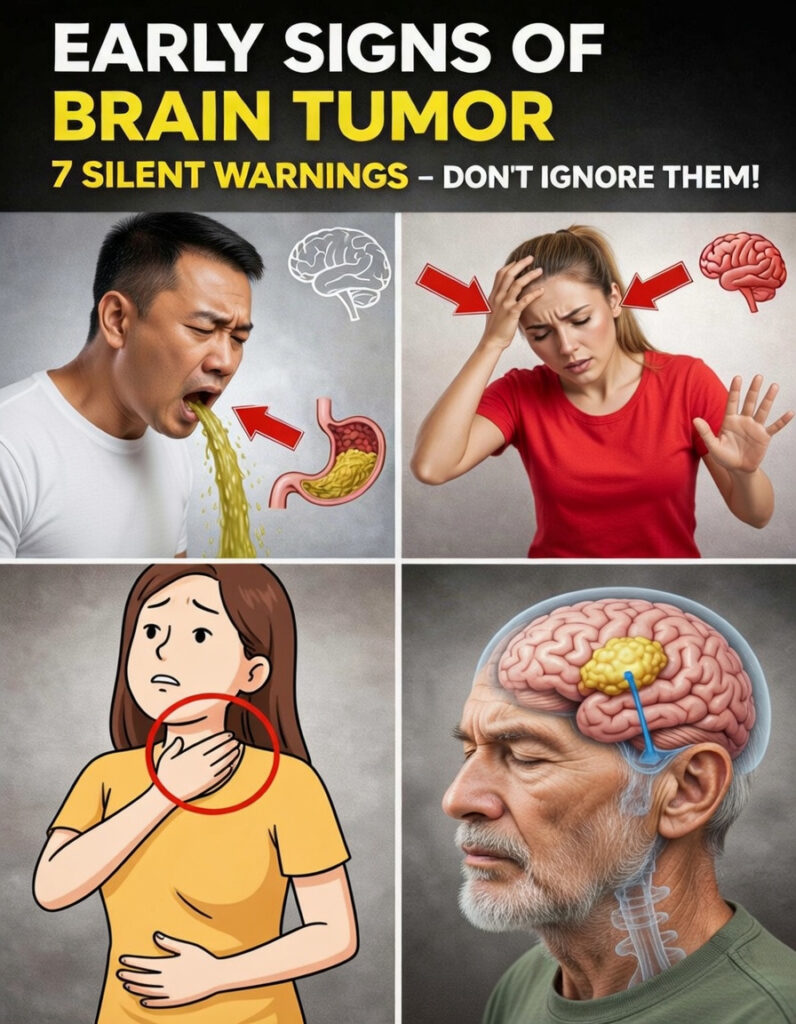
Early Brain Tumor Symptoms: 7 Signs to Watch and When to Seek Help
Brain tumors are serious medical conditions that can emerge gradually, often through subtle symptoms people dismiss as stress, exhaustion, or minor health issues. When these warning signs continue or start appearing together, they can interfere with daily routines, affect work performance, strain relationships, and slowly reduce overall quality of life.
The encouraging part is that learning about possible brain tumor symptoms can help you recognize unusual patterns and make informed decisions about your health. Just as important, a few simple habits can make it easier to monitor changes and understand when it is time to contact a healthcare professional.
How Brain Tumor Symptoms Develop
A brain tumor is an abnormal growth of cells in or around the brain. Depending on its size and location, it may press against nearby tissue or increase pressure inside the skull. The Mayo Clinic notes that symptoms vary widely based on where the tumor is located and how large it becomes.
Many of these signs can also result from much more common issues, such as migraines, lack of sleep, dehydration, or inner-ear problems. Brain tumors are relatively uncommon, but staying aware of persistent or unusual symptoms can help you respond early without panicking.
Studies suggest that noticing warning signs sooner can lead to earlier conversations with doctors. Below are seven symptoms commonly linked with brain tumors that are worth understanding.
1. Ongoing or Unusual Headaches
Headaches are one of the most frequently reported symptoms associated with brain tumors. They may become stronger than your usual headaches, happen more often, or feel worse in the morning or while lying flat.
This can happen because pressure within the skull changes over time. Roughly half of people with brain tumors report headaches as an early symptom.
That said, most headaches are not caused by brain tumors. Tension, dehydration, poor sleep, and migraines are far more common explanations. What matters most is whether the headache pattern suddenly changes, becomes more severe, or does not improve with normal relief methods.
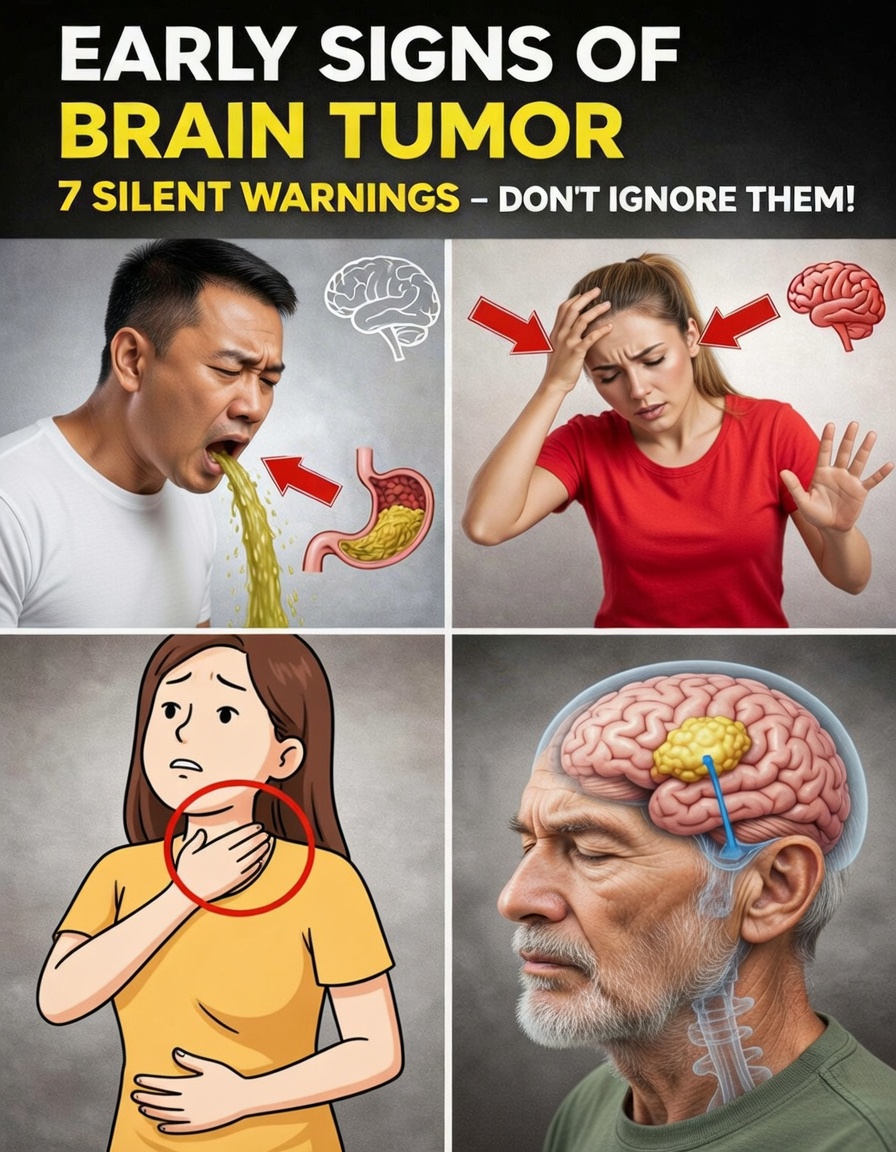
2. Nausea or Vomiting Without a Clear Cause
Unexplained nausea or vomiting, especially early in the day, may sometimes occur along with headaches. This can happen when pressure in the brain affects areas involved in balance and digestive control.
Although this symptom can feel concerning, it is still more often caused by less serious issues such as medications, food intolerance, viral illness, or inner-ear disorders.
The real value comes from noticing context. If nausea appears repeatedly and happens alongside headaches, vision problems, or balance issues, it is a good reason to speak with a doctor.
3. Changes in Vision
Gradual vision changes can be another possible sign. These may include blurred sight, double vision, or reduced peripheral vision.
Tumors near the brain’s visual pathways can sometimes cause these effects. Some people first notice problems while driving, reading, or trying to focus on detailed tasks. In certain cases, a routine eye exam may uncover the first warning signs.
Still, brain tumors are not the most common cause of visual disturbances. Dry eyes, migraines, eye strain, and other non-serious conditions can look very similar. Persistence and the presence of additional symptoms are often what make the difference.
4. Seizures That Begin in Adulthood
A seizure occurring for the first time in adulthood should always be evaluated promptly. Seizures can happen when a tumor disrupts normal electrical activity in the brain.
They do not always look dramatic. Some involve staring spells, confusion, brief unresponsiveness, or unusual movements, while others are more obvious.
Other causes are also possible, including low blood sugar, sleep deprivation, infection, or medication effects. Even so, any new seizure is a strong reason to seek immediate medical attention.

5. Personality, Mood, or Memory Changes
Brain tumors can sometimes affect areas responsible for thinking, behavior, and emotion. As a result, some people experience mood swings, irritability, forgetfulness, confusion, or trouble making decisions.
These changes are often subtle at first. In many cases, family members or close friends notice them before the person experiencing them does.
The challenge is that stress, depression, burnout, and sleep loss can produce nearly identical symptoms. That is why describing these changes clearly to a healthcare provider can be especially helpful.
6. Weakness or Numbness on One Side of the Body
Weakness, tingling, or numbness in one arm, leg, or one side of the body may occur if a tumor affects motor or sensory pathways in the brain. It may begin mildly and slowly become more noticeable.
This symptom can also resemble other neurological conditions, so timely assessment is important. Paying attention to practical effects can provide useful information, such as difficulty holding objects, climbing stairs, or using one hand normally.
If weakness or numbness is progressing, it should not be ignored.
7. Problems With Balance, Speech, or Coordination
Some brain tumors can interfere with movement, speech, or coordination. Symptoms may include unsteady walking, dizziness, slurred speech, difficulty swallowing, or trouble performing fine motor tasks.
People may notice that everyday actions suddenly feel harder, such as buttoning clothes, writing, or maintaining balance while walking.
However, these symptoms are also commonly linked to medication side effects, inner-ear conditions, or other treatable issues. What raises concern is when they continue, worsen, or appear together with other neurological changes.

When Symptoms Need Medical Attention
A single symptom does not automatically indicate a brain tumor. But when several symptoms happen together, or one problem becomes noticeably worse, a medical evaluation is a smart next step.
Doctors look at the complete picture before deciding whether testing is needed. You should consider seeking care soon if you notice:
- Headaches that change in pattern and no longer respond to your usual remedies
- Ongoing nausea along with vision changes or balance problems
- Any first-time seizure activity
- Increasing weakness, numbness, confusion, or other neurological symptoms lasting more than a few days
Practical Steps You Can Start Today
Tracking symptoms can make it easier for both you and your doctor to identify meaningful patterns. A few simple habits can improve clarity and reduce uncertainty.
Here are four useful actions you can begin right away:
- Keep a daily symptom journal with times, severity, duration, and possible triggers
- Arrange a routine medical visit if symptoms continue for more than two weeks
- Share family medical history and recent health changes openly with your provider
- Support brain and overall health with steady sleep, nutritious meals, hydration, and light physical activity
These habits can help you feel more in control while making medical conversations more productive. Many people find that combining written notes with honest discussions leads to faster answers and a clearer path forward.
Why Awareness Matters Without Fear
Brain tumors are far less common than many other conditions that cause headaches, dizziness, fatigue, or mood changes. In most cases, symptoms like these have simpler and more manageable explanations.
Even so, paying attention to your body is a valuable part of protecting your health. Early action can support better outcomes, and healthy lifestyle choices that improve circulation, sleep, and inflammation levels benefit everyone.
The key takeaway is simple: awareness helps transform anxiety into informed action.
FAQ
Can stress cause symptoms that resemble a brain tumor?
Yes. Stress, anxiety, and sleep deprivation can imitate many of the same symptoms, including headaches, nausea, memory problems, and mood changes. That is why a professional assessment is important when symptoms persist or worsen.
How common are brain tumors?
Brain tumors are relatively rare overall. The lifetime risk for malignant brain tumors is under one percent, and most neurological symptoms are caused by other treatable conditions.
What should I bring to a doctor appointment?
Bring a symptom journal, a list of medications and supplements, and any relevant family health history. Detailed information helps your doctor decide whether further evaluation, including imaging, is necessary.
Final Thoughts
Understanding common early symptoms associated with brain tumors can help you stay alert without becoming overwhelmed. Notice changes in your body, keep track of patterns, and reach out to a healthcare professional when something does not feel right. Small, practical steps taken early can provide reassurance and help guide the right medical decisions.
Disclaimer
This article is intended for informational purposes only and does not replace professional medical advice, diagnosis, or treatment. Always consult a qualified healthcare provider if you have concerns about a medical condition. Never ignore medical advice or delay seeking care because of something you have read online.