Garlic Benefits: 7 Common Mistakes That Reduce Its Power
Crush a fresh garlic clove and the kitchen instantly fills with its bold, unmistakable scent. For generations, garlic has been valued as a natural health-supporting food rich in active plant compounds. Research suggests it may help promote heart health, support the immune system, and assist with everyday inflammation control.
However, many people reduce these benefits without realizing it. Small preparation and usage mistakes can limit how much garlic actually offers. In this guide, you’ll learn the science-backed advantages of garlic first, then the seven major errors to avoid. Most importantly, you’ll discover a simple timing trick that can dramatically improve garlic’s potential impact.
Why Garlic Is Worth Adding to Your Diet
Garlic does much more than improve the taste of food. When a clove is chopped, crushed, or minced, it triggers a natural enzyme reaction that creates allicin, one of garlic’s most studied beneficial compounds.
According to research cited by the Linus Pauling Institute and findings from multiple human studies, garlic may:
- Help maintain healthy cholesterol levels
- Support normal blood pressure
- Offer mild anti-inflammatory effects
- Provide some support for immune function
- Contribute to cardiovascular wellness when eaten regularly
Many adults, especially those over 40, report subtle but meaningful changes after using garlic consistently in meals. Some notice better overall vitality, fewer seasonal issues, or less daily discomfort. Still, these benefits depend heavily on how garlic is prepared. If handled incorrectly, you may end up with little beyond a strong flavor and lingering breath.
The 7 Garlic Mistakes That May Be Blocking Its Benefits
These mistakes are extremely common. The good news is that correcting even one of them may improve how effectively your body responds to garlic.
Mistake #7: Cooking Garlic Right After Chopping It
It’s easy to mince garlic and immediately throw it into a hot pan. While that seems efficient, it can greatly reduce garlic’s value.
Allicin does not appear instantly. After garlic is cut or crushed, it needs a short period for the enzyme reaction to fully develop. Food science research indicates that allowing garlic to rest for about 10 minutes before heating helps maximize allicin formation.
If garlic goes straight into high heat, a large portion of this important compound can be lost very quickly. In some cases, heat may destroy nearly all of it within minutes.
What to do instead:
- Crush or chop the garlic first
- Leave it on the cutting board for about 10 minutes
- Then add it to your dish
This simple pause can make a major difference.
Mistake #6: Overcooking or Microwaving Garlic
Garlic’s beneficial compounds are fragile and highly sensitive to heat. Long simmering times and microwave cooking can sharply reduce its antioxidant activity and other health-supporting properties.
One widely cited study found that microwaving garlic for just 60 seconds can interfere with the formation of key beneficial compounds.
That means garlic cooked for a long time in soups, sauces, or stews may taste deliciously mellow, but it may not deliver the same effects as fresh or lightly cooked garlic.
Better approach:
- Add garlic later in the cooking process
- Use lower heat when possible
- Cook it briefly rather than for extended periods
- Always let it rest after chopping before applying heat
You can still enjoy the flavor of cooked garlic, but gentle cooking preserves more of its potential value.
Mistake #5: Eating Raw Garlic on an Empty Stomach
Some people take raw garlic first thing in the morning as a “wellness shot.” While this may seem powerful, it can be harsh on the digestive system.
Raw garlic is strong and may irritate the stomach lining when consumed alone. Nutritional studies note that larger amounts taken without food can lead to:
- Heartburn
- Nausea
- Bloating
- General stomach discomfort
A smarter option is to eat garlic with food. Pairing it with a meal helps protect the stomach while still allowing you to benefit from its active compounds.
Simple ideas include:
- Mixing chopped garlic into salad dressing
- Combining it with honey
- Stirring it into yogurt
- Adding it to meals with healthy fats
This small change can make garlic far easier to tolerate.
Mistake #4: Eating Too Much Garlic
More is not always better. For most people, nutrition experts suggest that one to two fresh cloves per day is a reasonable amount.
Consuming much more than that, especially several raw cloves daily, may cause unwanted effects such as:
- Strong body odor
- Persistent bad breath
- Digestive upset
- Gas and bloating
- Skin sensitivity in some cases
- Increased bleeding risk due to garlic’s mild blood-thinning effect
Many people who overdo garlic end up feeling uncomfortable rather than healthier. Moderation helps keep it both safe and effective.
Mistake #3: Overlooking Garlic’s Interaction With Medications
Garlic may mildly thin the blood and can also affect blood pressure in some individuals. Because of this, larger amounts of garlic may interact with certain medications.
Extra caution is important if you take:
- Blood thinners or anticoagulants
- Blood pressure medication
- Certain HIV treatments
- Other medications affected by herbal or food-based compounds
Organizations such as the National Center for Complementary and Integrative Health advise people to speak with a healthcare professional before using garlic heavily or as a supplement.
In normal food amounts, garlic is usually not a problem for most people. Still, if you use medication or have an existing condition, checking first is a wise step.
Mistake #2: Using Old, Sprouted, or Jarred Garlic
A small green sprout inside a garlic clove is not dangerous, though it can create a more bitter taste. The bigger issue is that old garlic gradually loses freshness and potency.
Pre-minced garlic in jars may seem convenient, but processing and preservatives often reduce its allicin-forming potential compared with fresh garlic bulbs.
To get the best results:
- Choose firm, fresh heads of garlic
- Store them in a cool, dry, well-ventilated place
- Use them within a few weeks
- Prefer fresh cloves over jarred minced garlic
Fresh garlic consistently provides the strongest flavor and the best chance of preserving beneficial compounds.
Mistake #1: Not Crushing or Chopping Garlic at All
This is the biggest mistake of all. If garlic stays whole, very little allicin is formed because the necessary enzyme reaction never fully starts.
Swallowing whole cloves or barely slicing them means you miss much of what makes garlic special. To unlock its most valuable compounds, the clove must be physically broken down.
Best method:
- Crush, mince, or chop the garlic thoroughly
- Let it sit in the air for 10 to 15 minutes
- Eat it raw or cook it lightly afterward
This one habit can significantly increase garlic’s potential benefits. Without it, you are mainly getting flavor rather than the full value of garlic’s active compounds.
How to Use Garlic the Right Way
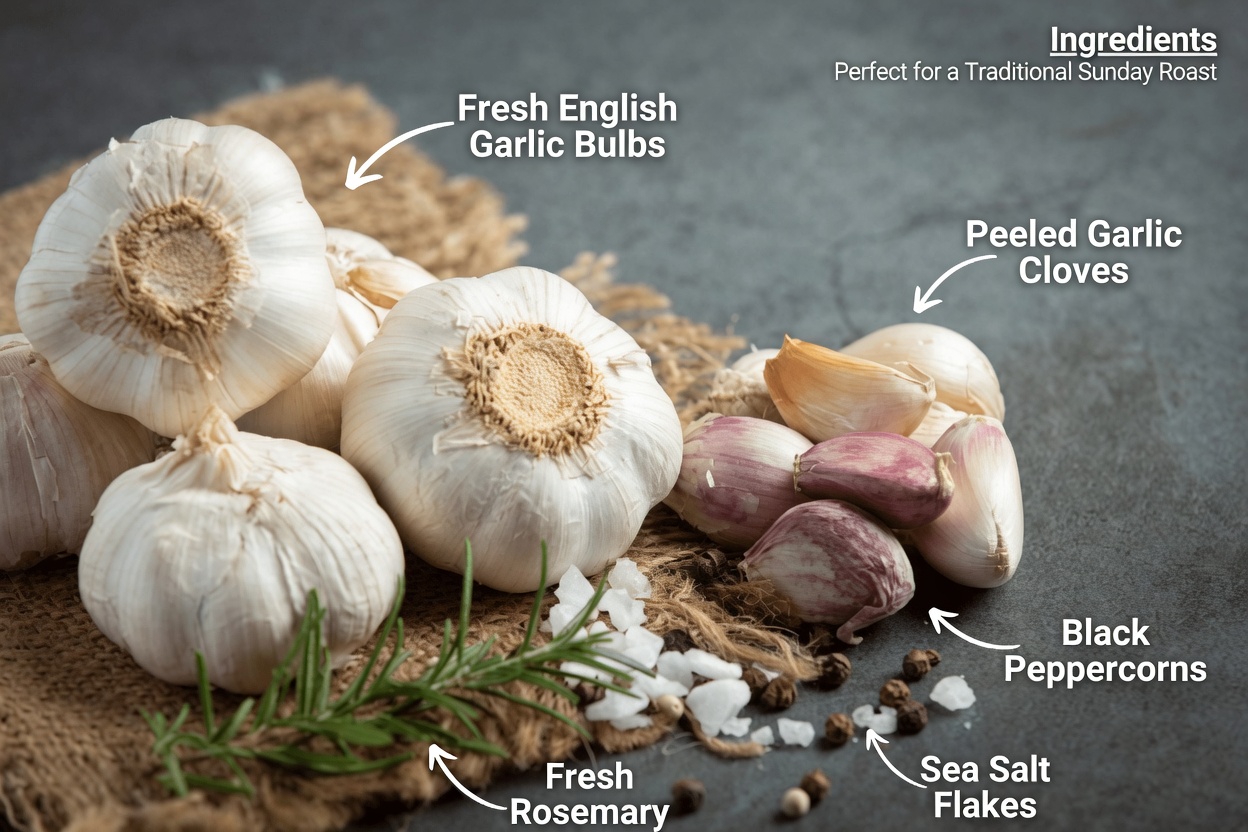
If you want to get more from garlic without making it complicated, follow these simple habits:
- Crush or mince fresh garlic first
- Wait at least 10 minutes before cooking or eating it
- Eat it with food to reduce stomach irritation
- Keep portions moderate, usually one or two cloves daily
- Choose fresh bulbs instead of jarred or pre-minced garlic
- Talk to your healthcare provider if you take medication or have a medical condition
These small steps require very little extra effort, yet they can help preserve much more of garlic’s natural potential.
Raw vs. Cooked Garlic: What’s the Difference?
Here’s a quick comparison of how preparation changes garlic’s benefits:
| Preparation | Allicin Retention | Potential Benefits | Best Uses |
|---|---|---|---|
| Raw garlic (crushed and rested) | High | Strongest support for immune function and anti-inflammatory effects | Dressings, dips, spreads |
| Lightly cooked garlic (after resting) | Moderate | Good balance between flavor and retained compounds | Stir-fries, quick sauces, sautés |
| Heavily cooked garlic | Low | Mostly flavor, with fewer active compounds left | Long-cooked soups, stews, braises |
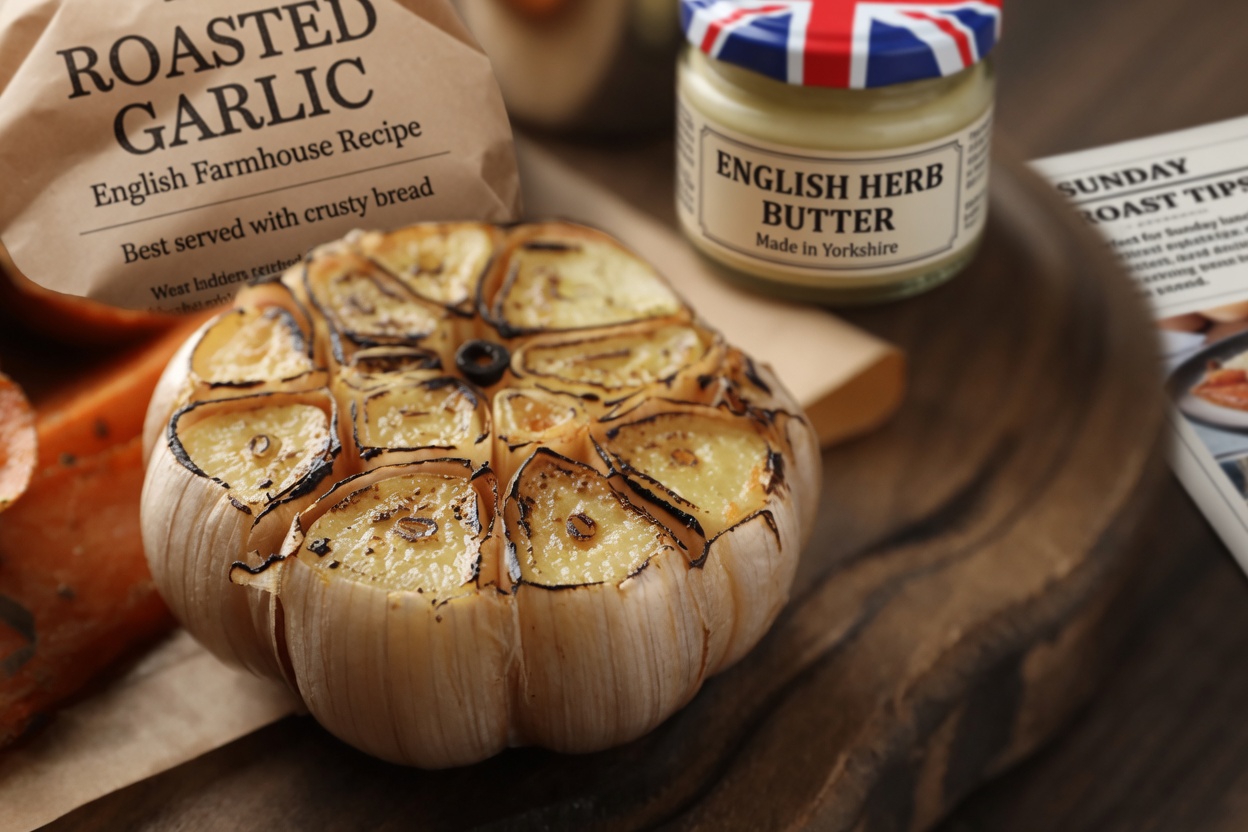
| Whole uncrushed garlic | Very low | Minimal allicin formation | Roasted dishes, mild flavor applications |
The Small Timing Trick That Changes Everything
If there is one detail to remember, it is this: do not rush garlic from the cutting board to the pan.
That short waiting period after chopping is the key. Letting garlic rest for 10 to 15 minutes gives allicin time to develop before heat reduces it. It is a tiny adjustment, but it can dramatically change how much benefit you get from each clove.
Final Takeaway
Garlic can be a valuable part of a healthy routine, but only when used properly. Its most important compounds are sensitive, and everyday habits like overcooking, using old garlic, swallowing cloves whole, or eating too much can all reduce its value.
To get the most from garlic:
- Use fresh cloves
- Crush or chop them well
- Let them rest before cooking
- Avoid excessive heat
- Eat moderate amounts
- Be cautious if you take medication
Handled the right way, garlic is more than a kitchen staple. It becomes a simple, affordable, and powerful addition to your daily wellness habits.