
8 Fruits That May Naturally Support Joint Health After 50
Many adults over 50 wake up with stiff knees, sore hips, or an aching back that makes everyday activities feel harder than they should. Over time, this kind of discomfort can interfere with simple routines such as walking the dog, climbing stairs, or spending time in the garden. As a result, many people look for natural ways to feel more comfortable and stay active.
One helpful place to start is your diet. Certain fruits are rich in nutrients and plant compounds that may support joint health and help the body manage inflammation.
And here’s the surprising part: one familiar fruit may offer more support than most people realize. Researchers have paid special attention to it, but the real benefit depends on how you eat it.
What Causes Joint Discomfort?
Joint discomfort often develops gradually. Aging is one common reason, especially because years of movement can place stress on cartilage and connective tissues. Repetitive physical activity, poor posture, and previous injuries may also contribute.
Inflammation can make the situation worse by causing swelling, tenderness, and reduced flexibility. In addition, low activity levels and excess body weight may increase pressure on the joints.
Organizations such as the Arthritis Foundation have noted that nutrition can influence inflammation, tissue health, and overall mobility. That makes food choices an important part of a joint-friendly lifestyle.

Why Fruit Is a Smart Addition to a Joint-Supportive Diet
Fruits provide a wide range of nutrients that support the body in different ways. Many are packed with antioxidants, which help fight oxidative stress. Others supply vitamin C, a nutrient that plays a major role in collagen formation, which is essential for cartilage and connective tissue.
Some fruits also contain natural anti-inflammatory compounds that may ease day-to-day discomfort and support recovery after activity. Research has linked fruit-rich eating patterns with better physical function and mobility.
Still, not every fruit offers the same benefits. Some stand out more than others when it comes to joint support.
8 Best Fruits to Add to Your Daily Routine
Below are eight fruits worth including more often. Each one brings its own nutritional advantages and has been studied for potential benefits related to inflammation, tissue health, or mobility.
1. Strawberries: Antioxidant-Rich and Refreshing
Strawberries are loaded with vitamin C and ellagic acid, two compounds known for their antioxidant effects. These nutrients help protect the body from free radicals that can affect joint tissues over time.
Research published in the Journal of Nutrition has suggested that strawberries may help lower certain inflammation markers. They are easy to add to breakfast or enjoy as a quick snack.
Try them:
- Mixed into yogurt
- Sliced over oatmeal
- Blended into smoothies
2. Blueberries: Small Fruit, Strong Benefits
Blueberries are especially rich in anthocyanins, the plant compounds responsible for their dark blue color. These antioxidants have been studied for their role in supporting flexibility and helping the body respond to inflammation.
Harvard Health has highlighted the potential value of anthocyanin-rich foods in promoting healthy aging. Blueberries are also high in fiber and low in calories, making them an easy daily choice.
Easy ways to eat them:
- Add to smoothies
- Sprinkle over cereal
- Eat fresh by the handful
3. Cherries: Helpful for Recovery and Wellness
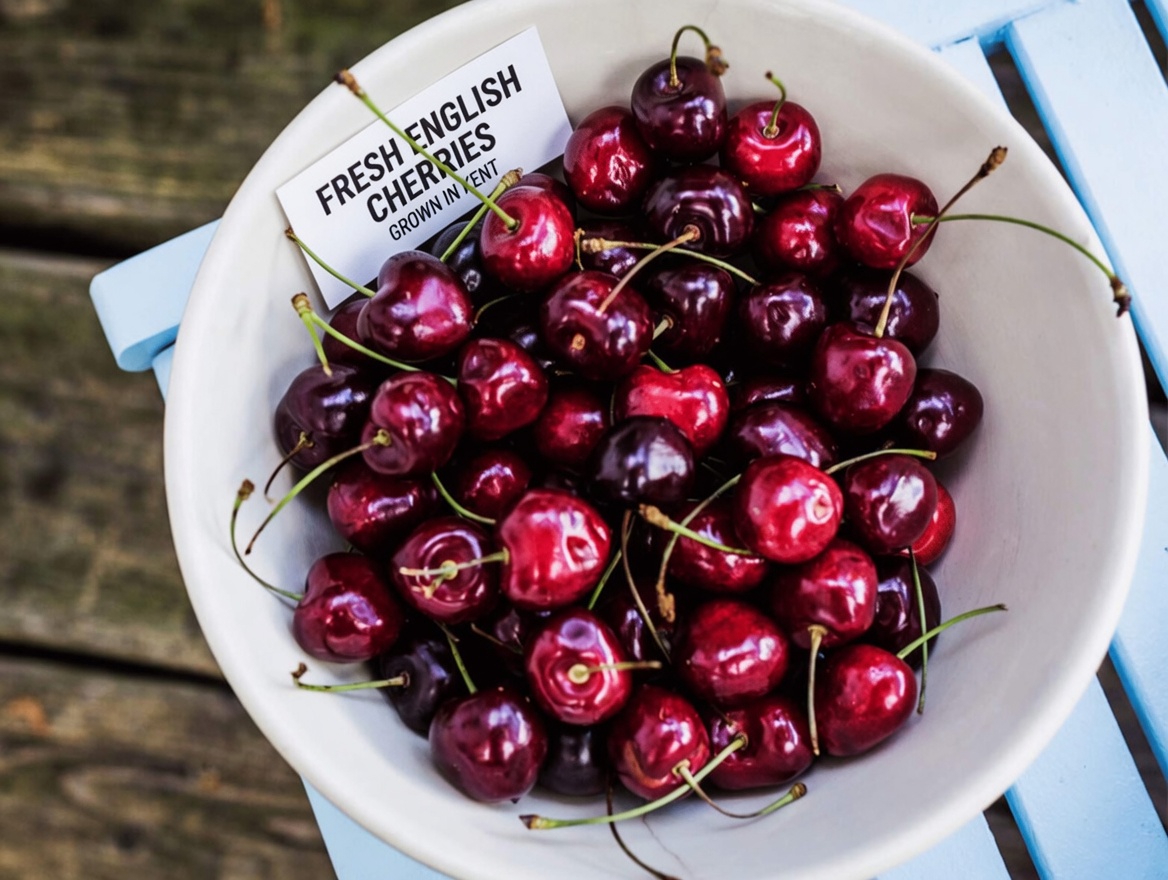
Cherries, especially tart cherries, are another excellent source of anthocyanins. These natural compounds may help the body recover after physical activity and support a healthier inflammatory response.
The Arthritis Foundation has noted that cherries may be useful for post-exercise recovery. Some research from the University of Michigan has also connected cherries with improved sleep, which indirectly supports overall health and recovery.
Ways to enjoy cherries:
- Fresh as a snack
- Frozen in smoothies
- Added to fruit desserts
4. Pineapple: The Enzyme-Powered Fruit
Pineapple contains bromelain, a natural enzyme that has been studied for its possible role in managing swelling and supporting tissue health. Research in Clinical Immunology has explored how bromelain may assist the body’s healing processes.
This tropical fruit is especially appealing for people who want something naturally sweet but functional.
Best ways to use it:
- Eat it fresh
- Juice it at home
- Add chunks to fruit bowls or salads

5. Oranges: Vitamin C for Collagen Support
Oranges are well known for their vitamin C content, and that matters because vitamin C is essential for collagen production. Collagen helps maintain the structure of joints, cartilage, and connective tissues.
The National Institutes of Health emphasizes the importance of vitamin C in tissue repair and maintenance. Oranges are simple to prepare and easy to include in meals throughout the day.
Try oranges:
- In fresh segments with breakfast
- Tossed into salads
- As freshly squeezed juice
6. Papaya: A Tropical Source of Papain
Papaya contains papain, an enzyme that works in a way similar to bromelain. Researchers have examined papaya for its anti-inflammatory potential, including studies published in the Journal of Medicinal Food.
It is nutrient-dense, naturally sweet, and versatile enough to fit into many dishes.
Easy serving ideas:
- Scoop it and eat it plain
- Add it to mixed fruit bowls
- Blend it into smoothies
7. Kiwi: A Small Fruit Packed With Nutrients
Kiwi delivers an impressive amount of vitamin C, even more than oranges per serving in many cases. It also provides fiber and a range of beneficial plant compounds.
Research in the American Journal of Clinical Nutrition has linked kiwi consumption with support for immune function and general health, both of which are relevant to maintaining active joints and recovery.
Ways to enjoy kiwi:
- Slice it onto yogurt or cereal
- Eat it whole
- Keep the skin on for extra fiber if you like the texture
An added benefit: kiwi is also known for supporting digestion.
8. Blackberries: Strong Antioxidant Support
Blackberries offer many of the same advantages as blueberries, including a high concentration of antioxidants that help reduce oxidative stress.
A review in Nutrients has connected berry consumption with improved antioxidant defense and reduced stress on the body’s cells. Blackberries are delicious fresh, but they also freeze well for year-round use.
Simple options include:
- Eating them as a snack
- Baking them into healthy treats
- Mixing them into oatmeal or yogurt
Quick Comparison of These Fruits
The table below gives a simple overview of the key nutrient strengths of each fruit.
| Fruit | Key Nutrient | Potential Benefit |
|---|---|---|
| Strawberries | Vitamin C, ellagic acid | Antioxidant protection |
| Blueberries | Anthocyanins | Inflammation support |
| Cherries | Anthocyanins | Recovery after activity |
| Pineapple | Bromelain | Tissue and swelling support |
| Oranges | Vitamin C | Collagen production |
| Papaya | Papain | Anti-inflammatory support |
| Kiwi | Vitamin C, fiber | Immune and joint maintenance |
| Blackberries | Antioxidants | Reduced oxidative stress |
This makes it easier to combine different fruits based on your preferences and nutritional goals.
How to Add These Fruits to Your Daily Diet
Building healthier habits does not need to be complicated. Start with small, consistent steps.
Simple Step-by-Step Plan
- Buy 2 to 3 types of fruit each week so you always have options available.
- Aim for 1 to 2 servings a day, such as berries at breakfast or kiwi as an afternoon snack.
- Rotate your choices to get a wider variety of nutrients.
- Use easy recipes like smoothies, fruit salads, or infused water.
- Notice how you feel over time, especially after several weeks of consistency.
- Speak with a nutrition professional if you want advice tailored to your health needs.
The most important factor is consistency. Even small daily changes can add up over time.
Lifestyle Habits That Work Well Alongside Fruit Intake
Fruit can be a valuable part of a joint-friendly routine, but it works even better when combined with other supportive habits.
Consider pairing your diet with:
- Regular walking or gentle movement
- Stretching or light mobility exercises
- Staying well hydrated
- Maintaining a balanced body weight
- Eating overall nutrient-dense meals
Research suggests that combining healthy food choices with regular movement can improve outcomes more than relying on one strategy alone.
And now for that surprising fruit twist: pineapple’s bromelain is most effective when the fruit is eaten fresh. Canning and heat processing can deactivate this enzyme, which means fresh pineapple may offer more of the benefit researchers talk about.
Common Challenges and Practical Solutions
Not everyone has easy access to fresh fruit all year long, but there are ways around that.
If Fruit Is Out of Season
- Choose frozen fruit
- Buy what is locally available
- Use no-sugar-added frozen blends for convenience
If You Have Allergies or Sensitivities
- Replace one fruit with another that offers similar nutrients
- Introduce new fruits slowly
- Check with a healthcare provider if you are unsure
If Cost Is a Concern
- Buy in bulk when fruit is in season
- Freeze extras for later
- Shop at local markets when possible
These adjustments can make a fruit-focused routine more realistic and affordable.
Conclusion
Adding the right fruits to your diet is a simple, natural way to support joint health as you age. From the antioxidant power of berries to the enzyme activity in fresh pineapple, each of these eight fruits offers something unique.
You do not need to change everything overnight. Start gradually, stay consistent, and look for easy ways to include more variety in your meals. Over time, those small choices may help support comfort, flexibility, and overall wellness.
Frequently Asked Questions
What are easy ways to add these fruits to meals?
You can use them in smoothies, salads, yogurt bowls, oatmeal, or as grab-and-go snacks. Pineapple also works well in tropical drinks, while berries are perfect for breakfast toppings.
How much fruit should I eat each day for joint support?
General dietary guidelines recommend around 1.5 to 2 cups of fruit daily. A variety of fruits is usually better than relying on just one type.
Can these fruits interact with medications?
Some fruits can affect medications. While oranges are generally well tolerated, certain citrus fruits such as grapefruit are known to interact with some prescriptions. It is always best to speak with your healthcare provider.
Disclaimer
This article is for informational purposes only and should not be considered medical advice. Always consult a qualified healthcare professional before making significant dietary changes, especially if you have an existing medical condition or take medication.