Everyday Habits That Can Trigger Sudden Blood Pressure Spikes
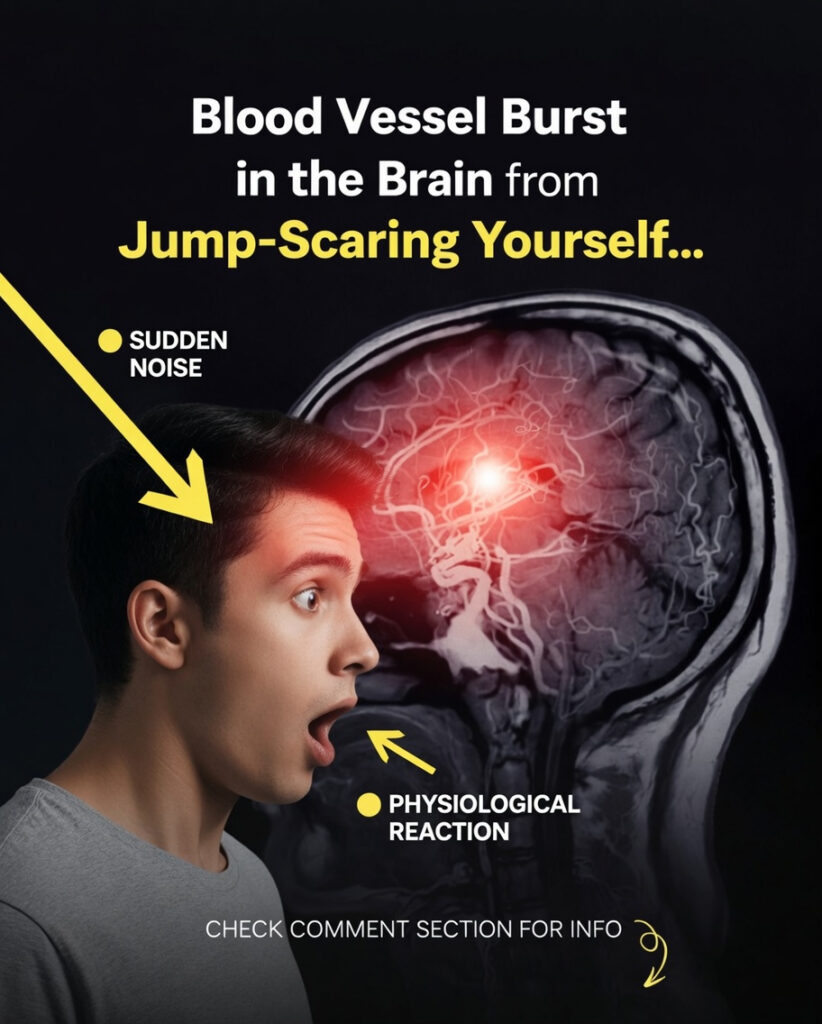
Many people move through the day without realizing that some ordinary habits can cause blood pressure to rise very quickly. Even a brief spike can place extra stress on blood vessels in the brain, which may already be fragile in certain individuals. This is especially important for people with uncontrolled hypertension or other vascular risk factors.
Evidence suggests that short-term pressure surges caused by routine behaviors may contribute to vessel stress and, in some cases, bleeding in the brain. The encouraging part is that many of these triggers can be reduced with simple, practical changes. And one of the most overlooked everyday actions is surprisingly common—you will see it near the end.
Why Rapid Blood Pressure Surges Matter for Brain Health
Blood pressure changes naturally during the day. However, when it rises sharply in a short period, delicate blood vessels can be placed under significant strain. Research exploring trigger factors for vascular events has found that certain activities can quickly increase pressure and affect blood flow in the brain.
Movements that involve pushing, straining, or sudden physical effort are particularly important. These actions can temporarily raise pressure inside the head. While this does not cause problems for everyone, people with weakened or vulnerable blood vessels may face a higher risk. Knowing what these triggers are can help you make safer daily choices.
How Blood Pressure Affects the Body Every Day
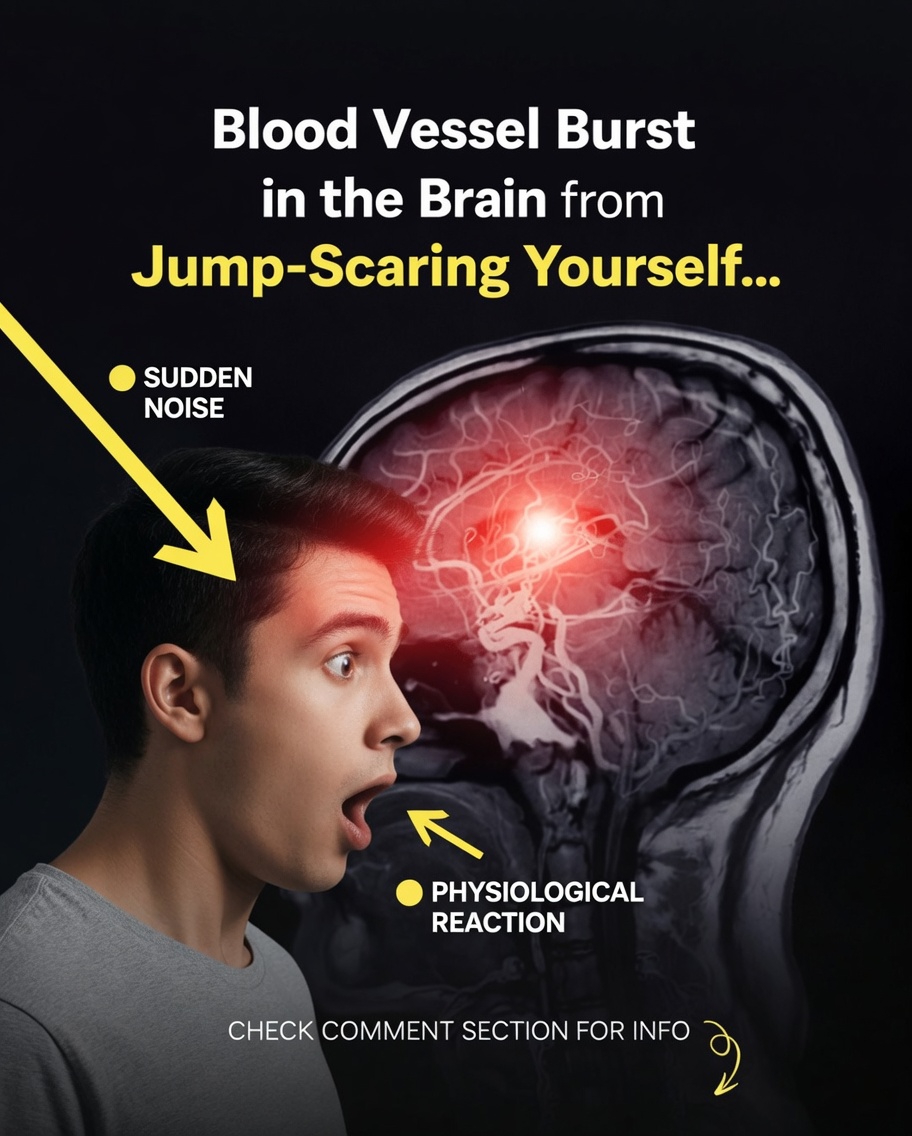
Long-term high blood pressure gradually damages the vessel walls, reducing their flexibility over time. When a sudden rise happens on top of that, the force pressing against those walls becomes even greater.
Medical studies on intracerebral events suggest that short bursts of pressure—from intense physical effort or strong emotional reactions—may play a role in vascular stress. Keeping blood pressure under control overall is important, but avoiding abrupt spikes can also make a meaningful difference.
8 Common Activities That May Cause a Sudden Blood Pressure Spike
Below are eight everyday situations linked to rapid increases in blood pressure. In many cases, small adjustments can lower the risk.
1. Lifting a Heavy Object Too Suddenly
Picking up something heavy without preparation—such as large grocery bags, furniture, or gym weights—can make blood pressure rise fast. This often happens because the body tightens and the breath is held without noticing, creating internal pressure similar to straining.
Research on physical exertion shows that this kind of abrupt effort may be risky for people who are already vulnerable.
2. Straining During a Bowel Movement
Pushing too hard, especially when dealing with constipation or hard stools, can sharply increase pressure in the blood vessels. This is often related to the Valsalva maneuver, which happens when you bear down while holding your breath.
Medical literature identifies this as an important trigger because the pressure created in the chest can also affect the head and brain circulation.
3. Standing Up Too Quickly from Bed or the Floor
It may seem harmless, but rising suddenly from a lying position can disrupt normal blood flow and pressure regulation. Some people experience a brief drop followed by a rebound response, which may lead to dizziness, lightheadedness, or temporary imbalance.
For those with vascular sensitivity, these fast shifts may put added stress on circulation.
4. Intense Anger or Emotional Outbursts
A burst of anger or severe emotional stress can send adrenaline through the body within seconds. That stress response can rapidly elevate blood pressure and strain vessel walls, including those in the brain.
Strong emotions are not just psychological events—they also create immediate physical effects in the cardiovascular system.

5. Starting Vigorous Exercise Without a Warm-Up
Going from complete rest to intense movement—such as sprinting, fast cycling, or heavy resistance training—can cause an abrupt jump in blood pressure. Studies suggest that unprepared strenuous activity may increase risk, especially for people who are deconditioned or have underlying hypertension.
A proper warm-up helps the heart and blood vessels adjust gradually.
6. Drinking a Large Amount of Alcohol at Once
Binge drinking can temporarily raise blood pressure and, over time, may also harm the lining of the blood vessels. Heavy alcohol intake in a short period places stress on the cardiovascular system and may contribute to unstable pressure levels.
Moderation matters, especially for people already managing high blood pressure.
7. Smoking Repeatedly in a Short Time
Nicotine causes blood vessels to narrow and can raise blood pressure with every cigarette. When smoking happens back-to-back, the strain becomes even more noticeable.
Over time, smoking weakens vessel health, and the immediate effects of nicotine add another layer of stress to the circulatory system.
8. Eating Very Salty Foods in Large Quantities
A high-sodium meal can trigger a noticeable increase in blood pressure, particularly in people who are salt-sensitive. Sodium encourages the body to retain fluid, which can increase the pressure inside blood vessels soon after eating.
This means even one very salty meal may affect blood pressure more than many people expect.
What Is Happening Inside the Body During These Spikes?
Many of these triggers share a common pattern: they involve breath-holding, forceful pushing, emotional stress, or sudden exertion. These reactions can quickly change pressure in the chest, blood vessels, and head.
Research on cerebral circulation shows several mechanisms may be involved:
- Straining can raise pressure inside the skull.
- Stress and anger trigger hormones such as adrenaline.
- Sudden physical effort increases the workload on the heart and arteries.
- Nicotine and alcohol affect vessel tone and circulation.
- Excess sodium can increase fluid retention and vascular pressure.
Being aware of these reactions makes it easier to pause, adjust, and respond more safely.
Practical Ways to Reduce Sudden Blood Pressure Surges
The good news is that many of these pressure spikes can be prevented with manageable changes to your routine.
Daily Habits That Help Lower Risk
- Lift with better technique: Bend your knees, avoid jerking motions, and breathe out during the effort instead of holding your breath.
- Prevent constipation: Eat more fiber from fruits, vegetables, and whole grains, drink enough water, and stay physically active.
- Get up gradually: Before standing, sit at the edge of the bed for 30 to 60 seconds.
- Calm emotional surges: Use deep breathing, step away briefly, or take a short walk during stressful moments.
- Warm up before exercise: Spend 5 to 10 minutes preparing your body before intense activity.
- Drink alcohol in moderation: Avoid consuming large amounts in one sitting.
- Stop smoking: Cutting down and quitting can improve vessel health at both the short-term and long-term level.
- Reduce sodium intake: Try to stay below 2,300 mg of sodium per day by reading labels and choosing fresh foods more often.

High-Sodium Foods vs. Lower-Sodium Alternatives
Simple food swaps can support healthier blood pressure without making meals boring.
Higher-Sodium Options
- Processed snack foods
- Canned soups
- Fast food meals
- Packaged instant dishes
- Salt-heavy sauces and seasonings
Lower-Sodium Choices
- Fresh vegetables
- Unsalted nuts
- Homemade meals
- Whole foods seasoned with herbs
- Lemon, garlic, vinegar, and spices for flavor
These substitutions can help reduce blood pressure stress while still keeping meals satisfying.
Long-Term Habits That Support Healthy Blood Vessels
Protecting vascular health is not only about avoiding sudden triggers. It also depends on your regular routine over time. Consistent habits that support healthy blood pressure include:
- Regular light to moderate activity
- Balanced meals with fewer processed foods
- Better stress management
- Limited alcohol use
- Avoiding tobacco
- Ongoing blood pressure monitoring
Research consistently shows that addressing modifiable lifestyle factors—especially diet, movement, and stress—can play a major role in protecting blood vessels and overall brain health.
Final Thoughts
Understanding these eight common triggers can help you protect your brain and reduce unnecessary strain on your blood vessels. Small changes—such as breathing properly when lifting, standing up more slowly, or limiting sodium—can have a meaningful impact.
Stay aware of how daily habits affect your blood pressure, check it regularly if needed, and make heart-healthy choices part of your normal routine.
FAQ
What should I do if I feel dizzy after standing up too fast?
Sit or lie down right away so your circulation can stabilize. The next time, rise more slowly and make sure you are well hydrated.
Can I still exercise if I have high blood pressure?
Yes, in many cases exercise is beneficial. However, it is best to start gradually, get medical guidance if needed, warm up properly, and avoid heavy straining.
How can I eat less sodium without losing flavor?
Use natural flavor boosters such as herbs, spices, lemon juice, garlic, onion, and vinegar. Fresh ingredients often taste better and need less salt.
Disclaimer
This article is for informational purposes only and should not replace professional medical advice. Always speak with a qualified healthcare provider for personalized recommendations, especially if you have concerns about high blood pressure or brain health.