White Spots on Lips: What They Mean and When to Worry
Noticing tiny white dots or small bumps on your lips can be unsettling—especially when they appear suddenly and sit in such a visible place. It’s easy to feel self-conscious while talking, smiling, or taking photos. The reassuring reality is that many white spots on lips are harmless and simply reflect normal skin variations. Still, understanding the most likely causes helps you stay calm and recognize when it’s time to seek medical guidance.
This guide breaks down the most common reasons for white bumps on lips, how to tell them apart, and what you can do today to support healthier-looking lips.
Understanding White Spots on Lips: Often Normal, Sometimes a Signal
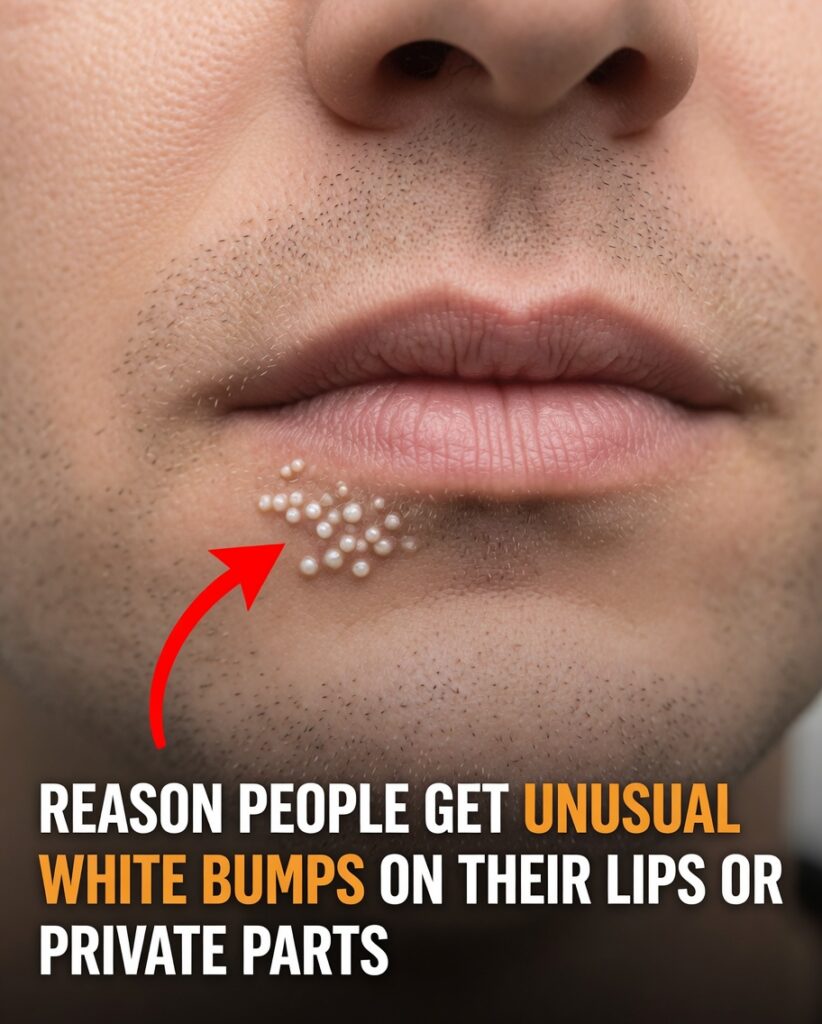
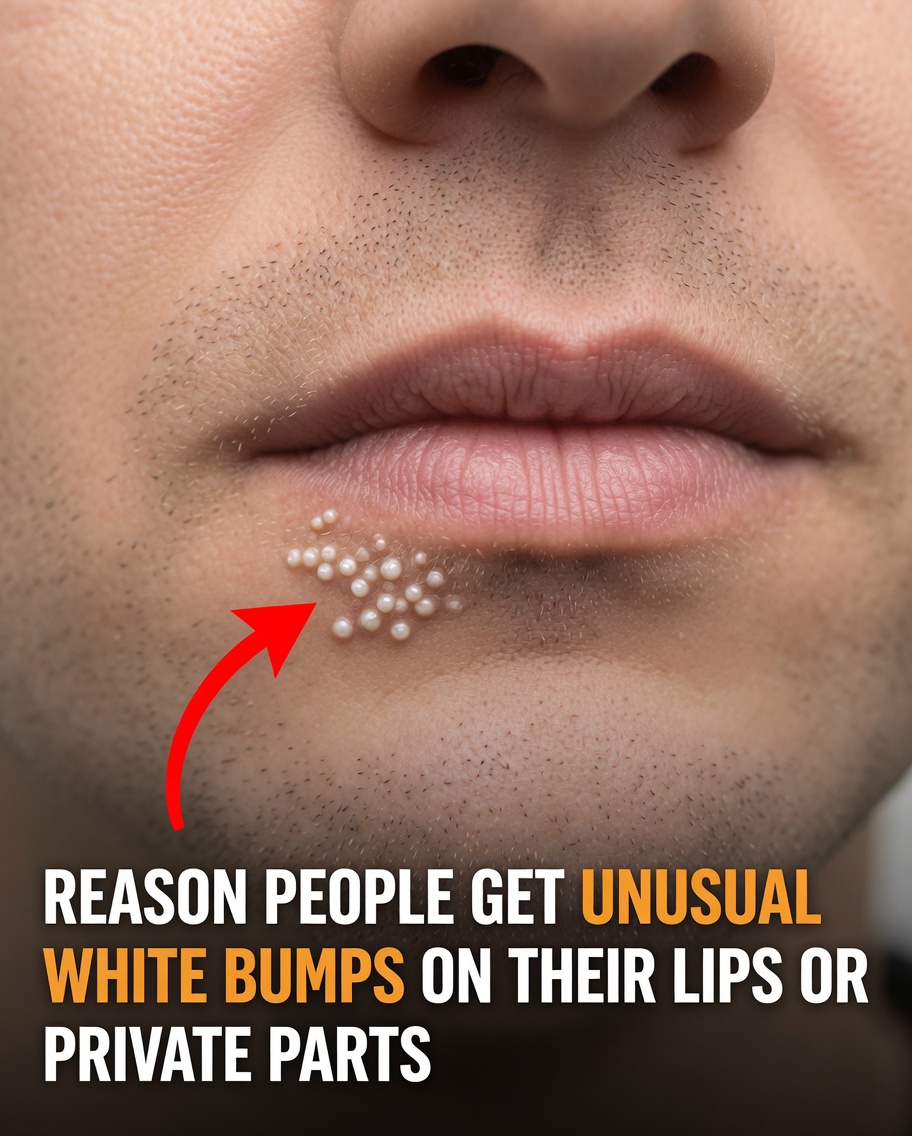
White spots on the lips can look like faint dots, small clusters, or slightly raised bumps. One of the most common explanations is Fordyce spots, which are visible oil glands. Dermatology references commonly note that they can appear in a large share of adults (often cited around 70–80% at some point). In those cases, they are not dangerous and not a disease.
However, some white patches or bumps can be linked to irritation, infection, or viral flare-ups. The key is identifying patterns—such as pain, spreading, or changes over time.
Common Causes of White Spots on Lips
1. Fordyce Spots (Visible Oil Glands): The Most Common and Harmless Cause
Fordyce spots usually appear as pale white, cream, or slightly yellow bumps. They often cluster along the lip line or on the inner surface of the lips. These are simply enlarged sebaceous (oil) glands that become more noticeable over time, especially after puberty.
- Typical signs: Painless, non-itchy, and fairly stable in appearance
- Why they happen: Mostly genetics and natural gland placement (no “trigger” required)
Many people never notice them—until one day they do, and then they suddenly seem more obvious.
2. Oral Thrush (Candidiasis): Yeast Overgrowth in the Mouth
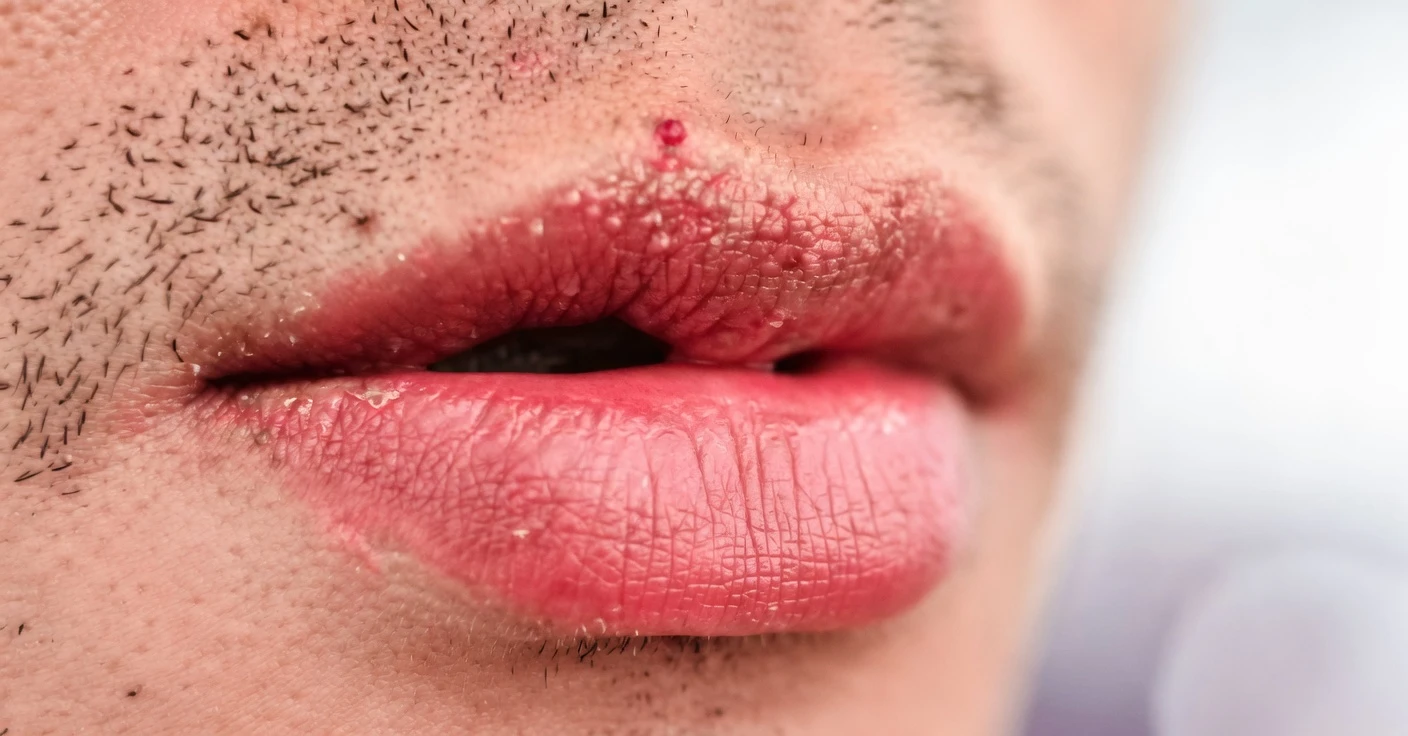
Oral thrush is caused by an overgrowth of Candida, a yeast that can live naturally in the mouth. It may show up as white patches that resemble milk residue or cottage cheese and can sometimes involve the lips or corners of the mouth.
- Common triggers: Recent antibiotics, dry mouth, immune suppression, or certain medical conditions
- Often feels like: Mild soreness, redness, irritation, or a burning sensation
With the right treatment and hygiene support, thrush is typically manageable.
3. Cold Sores (HSV-1): Painful Blisters That Develop in Stages
Cold sores are usually caused by herpes simplex virus type 1 (HSV-1). They can begin as small red or pale spots, then form clusters of fluid-filled blisters. Many people feel tingling, itching, or burning before the sore becomes visible.
- Common triggers: Stress, illness, fatigue, and sun exposure
- How they evolve: Tender blisters → oozing → crusting over several days
Because HSV spreads through close contact, it’s important to be cautious during active outbreaks. Antiviral treatment can help reduce severity and shorten healing time.
4. Everyday Irritation and Lifestyle Triggers
In many cases, white spots on lips aren’t caused by a medical condition at all, but by daily habits or exposure.
Common contributors include:
- Buildup from lip products or inconsistent lip hygiene
- Sensitivity to cosmetics or reactions after lip treatments (including aggressive scrubs)
- Sun exposure without SPF protection, which can affect lip texture and pigmentation
- Possible nutritional gaps (for example, low B vitamins) that may influence skin and mucosal health
These factors can overlap—dryness and irritation often make any spots look more noticeable.
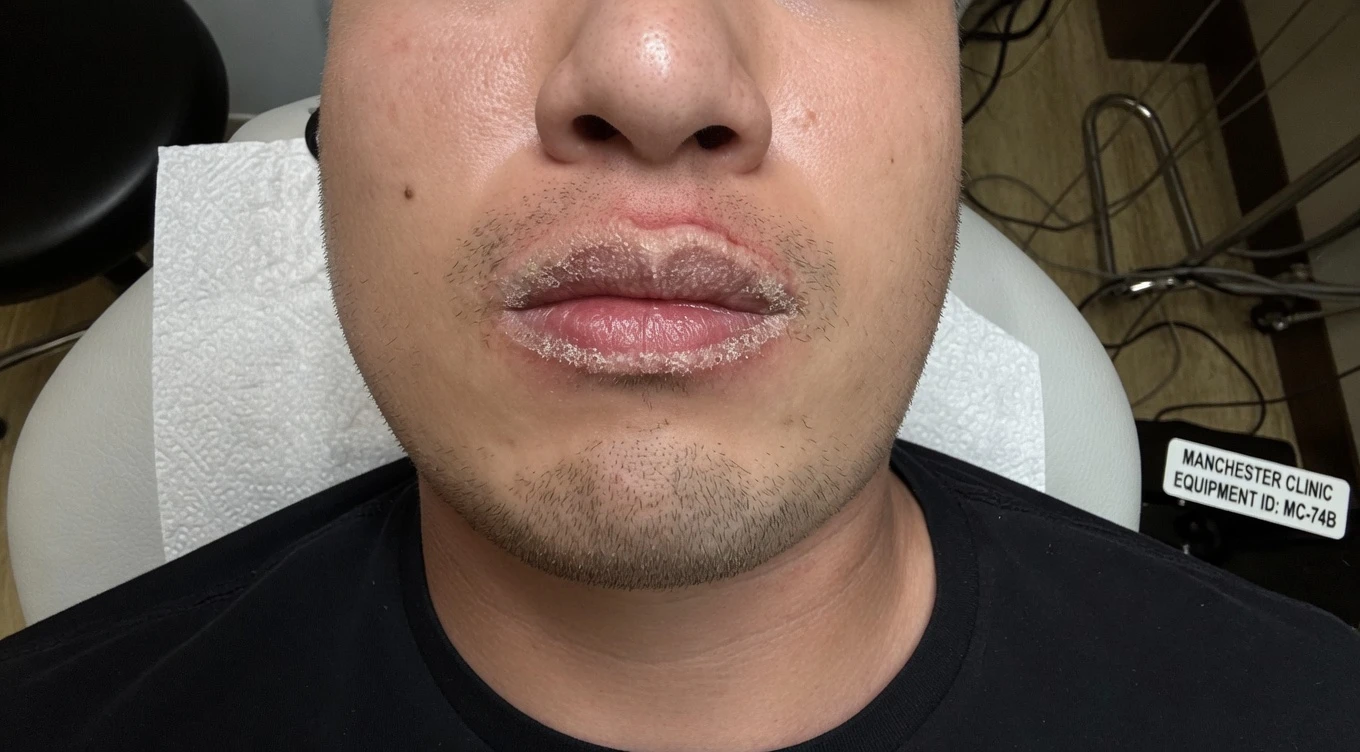
Quick Guide: How to Tell the Difference
- Fordyce spots: Small, uniform, painless bumps; minimal to no redness
- Oral thrush: Patchy white coating; may feel sore or burn; often associated with mouth changes
- Cold sores: Painful, blister-like clusters that change day by day and crust over
- Irritation/allergy: Tied to a new product, sun exposure, or friction; improves with avoidance and barrier care
Practical Steps You Can Start Today for Healthier Lips
Many harmless cases improve with consistent care. Try these simple, high-impact habits:
- Moisturize regularly: Use a gentle, fragrance-free lip balm throughout the day
- Use SPF daily: Choose a lip balm with SPF 30+ to reduce UV-related irritation and discoloration
- Keep oral hygiene steady: Brush gently, rinse after meals, and avoid sharing utensils if infection is a concern
- Audit your lip products: Switch to hypoallergenic options if irritation is possible
- Support nutrition: Include B-vitamin-rich foods such as leafy greens, eggs, nuts, and legumes
- Don’t pick or squeeze: Touching can worsen irritation and may spread infection if one is present
One overlooked but highly effective habit is daily SPF lip balm—UV exposure is a frequent, preventable factor in ongoing lip irritation and uneven texture.
When to See a Healthcare Professional
Most white spots on lips are minor, but you should get medical advice if you notice:
- Ongoing pain, burning, swelling, or tenderness
- Spots that spread quickly, become very red, or develop pus-like changes
- Thick white patches that don’t wipe away or keep returning
- Fever, fatigue, difficulty eating, or signs of broader illness
- Any change that lasts more than two weeks without improvement
A clinician (such as a dermatologist or doctor) can confirm the cause and recommend targeted treatment if needed.
Summary: You Can Protect Your Lip Health with Small Daily Habits
White spots on the lips are common and often harmless—especially when they’re Fordyce spots or linked to temporary dryness and irritation. By moisturizing, using SPF, avoiding triggering products, and watching for red-flag symptoms, you can stay comfortable and confident. Consistency matters: small routines often lead to noticeable improvements.
Frequently Asked Questions (FAQ)
Are white spots on lips contagious?
Usually not. Fordyce spots and irritation-related changes are not contagious. Cold sores (HSV-1) can spread, especially during active outbreaks.
Can white spots on lips disappear on their own?
Yes, many do—particularly if they’re caused by dryness, irritation, or short-term imbalances. Persistent or worsening spots deserve a professional evaluation.
Do Fordyce spots get worse over time?
They often remain stable, though they may become slightly more noticeable with age. They are harmless and only need attention if they cause cosmetic concern.
Disclaimer
This article is for informational purposes only and does not replace professional medical advice. If you are worried about white spots on your lips or have persistent symptoms, consult a qualified healthcare provider for personalized care.