When Drinking Too Much Water Can Backfire
Most people know that staying hydrated is important, but when you drink water can matter just as much as how much you drink. Consuming large amounts at the wrong time may cause uncomfortable side effects such as bloating, poor digestion, or sleep disruption. Instead of helping you feel better, overdoing water in certain moments can leave you uncomfortable and low on energy.
The good news is that smart hydration is easy once you know what to avoid. By recognizing a few situations where it is better to hold back, you can enjoy the benefits of proper fluid intake without the downsides. And at the end, you’ll find a simple tip that may completely change your daily hydration habits.
Hydration Basics: Why Balance Matters
Water plays a vital role in the body. It helps with:
- Digestion
- Body temperature control
- Nutrient transport
- Joint lubrication
- Waste removal
Still, your body can only handle so much fluid at one time. Medical sources such as the Cleveland Clinic note that drinking too much water too quickly may temporarily dilute electrolytes or place extra strain on the kidneys.
The popular idea that everyone must drink eight glasses daily is not always accurate. A better guideline is to pay attention to your body’s signals. Thirst and light yellow urine are often better indicators of proper hydration than forcing yourself to drink on a rigid schedule.
1. Right Before Going to Sleep
Drinking a large amount of water shortly before bed may seem harmless, but it can interrupt your rest. If you drink heavily within 30 to 60 minutes of sleeping, you are more likely to wake up during the night to use the bathroom.
This repeated nighttime urination, often linked to nocturia, can seriously affect sleep quality. Research cited by sleep experts, including the Sleep Foundation, shows that interrupted sleep can reduce deep rest and leave you tired the next day.
Poor sleep does more than make you groggy. Over time, it may contribute to:
- Daytime fatigue
- Irritability or mood changes
- Lower focus
- Reduced immune support
A better approach
- Finish your last large glass of water 1 to 2 hours before bed
- If you want something calming, choose a small amount of herbal tea
- Track your nighttime bathroom trips for a week to see whether earlier hydration helps
Making this one change can help you wake up feeling rested instead of rushing to the restroom.
2. During Large Meals
If you often feel bloated after eating, your drinking habits during meals could be part of the problem. Taking in too much water while eating may dilute stomach acid and digestive enzymes, which can slow digestion and leave you feeling overly full, gassy, or uncomfortable.
Digestive health reviews suggest that too much fluid during meals can create symptoms similar to overeating. In other words, even if your portion was reasonable, excess water may make the meal feel heavier than it was.
How to drink more wisely around meals
- Take only small sips if you are thirsty
- Drink most of your water 20 to 30 minutes before or after eating
- Try room-temperature water if cold water tends to upset your stomach
This adjustment can make meals feel lighter and more enjoyable.
3. Immediately After Intense Exercise
After a demanding workout, many people instinctively chug water as fast as possible. While the urge makes sense, drinking too much too quickly after exercise can cause:
- Stomach cramps
- Nausea
- Dizziness
- Electrolyte imbalance
Experts from the American College of Sports Medicine warn that rapid rehydration without replacing minerals lost through sweat may interfere with recovery rather than improve it.
Your body needs time to cool down and restore balance. Flooding it with water all at once is not always the best move.
Smarter post-workout hydration
- Sip water gradually over 15 to 20 minutes
- Use an electrolyte drink or coconut water after long or very sweaty sessions
- Weigh yourself before and after exercise if possible, then replace about 16 ounces of fluid per pound lost
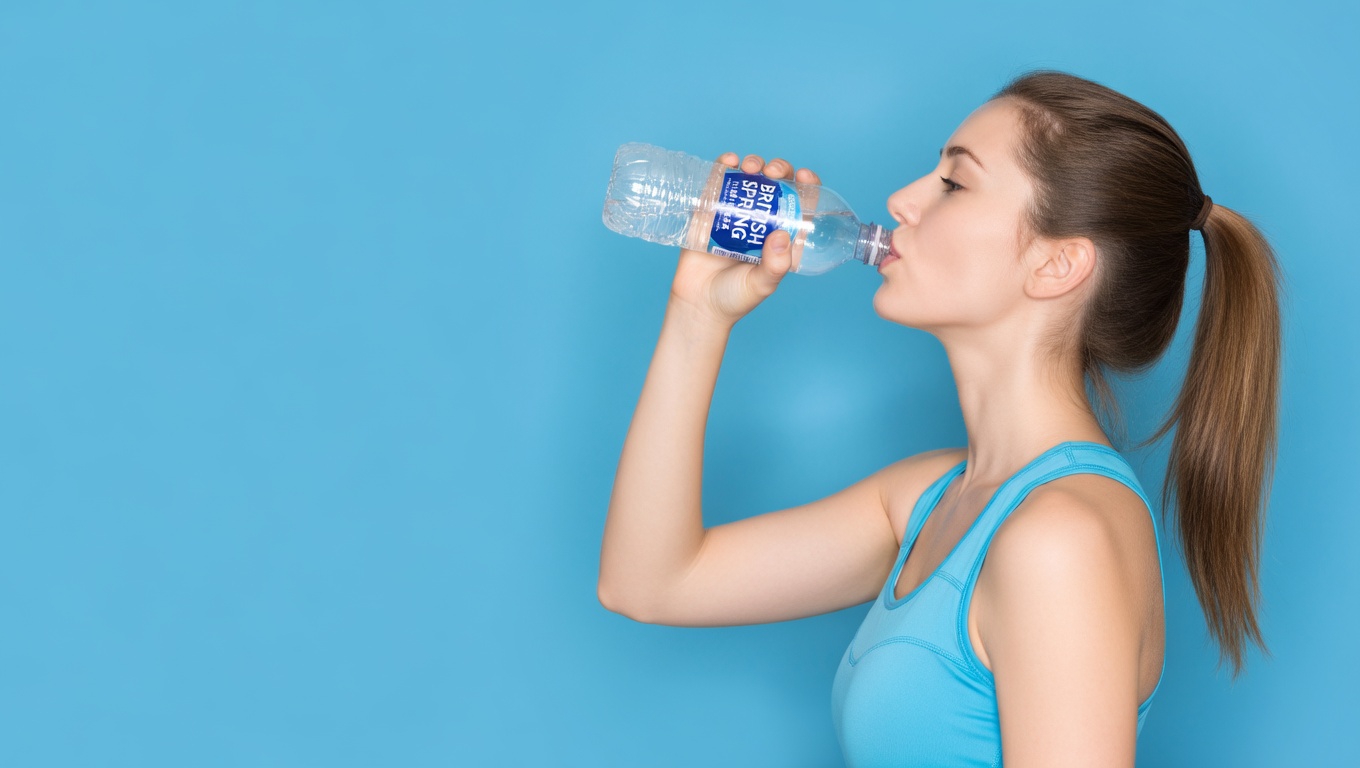
A steady approach can help support recovery and reduce the discomfort that sometimes follows intense activity.
4. When You Already Feel Uncomfortably Full
Drinking a lot of water when your stomach is already full can increase pressure in the abdomen. This may make you feel tight, sluggish, or overly stuffed. In some cases, it may even trigger acid reflux.
General health guidance from sources like WebMD suggests spacing out fluid intake so your stomach is not overloaded all at once. If you ignore that signal of fullness and continue drinking heavily, a satisfying meal can quickly become unpleasant.
What to do instead
- Wait about 30 minutes after feeling full before drinking more
- Limit sparkling water if bloating is an issue
- Practice mindful eating so you notice fullness sooner
This can help you feel more comfortable and less heavy after meals.
5. After Heavy Sweating Without Replacing Electrolytes
Sweating heavily during exercise or in hot weather does not mean you only lose water. You also lose important electrolytes, especially sodium. If you replace all that sweat with large amounts of plain water alone, sodium levels can drop too low, leading to symptoms such as:
- Headache
- Weakness
- Confusion
- Nausea
In milder cases, this is known as hyponatremia. Research in endurance sports and journals such as Sports Medicine supports the idea that water alone is not always enough after major fluid loss.
A more balanced plan
- Alternate plain water with electrolyte drinks during prolonged sweating
- Eat salty snacks like nuts if you have only water available
- Hydrate before intense activity so you are less likely to gulp large amounts later
The key is balance. Replacing both fluids and minerals helps you recover more effectively.
6. Right After Taking Certain Medications
Some medications should not be followed by large amounts of water. Depending on the drug, too much water may dilute it, affect absorption, or increase side effects. Certain stomach medications and antacids, for example, may work best when taken according to very specific instructions.
Pharmaceutical references such as the Merck Manuals emphasize the importance of reading medication labels carefully and following directions from your doctor or pharmacist.
Stay safe with these habits
- Always follow the instructions on the prescription label
- If advised, wait about 30 minutes before drinking more water
- Keep notes about your routine if you plan to discuss it with your healthcare provider
This simple precaution can help your medication work as intended.
Hydration Myths vs. Smarter Habits
Here is a quick comparison between common hydration myths and more evidence-based practices:
| Myth | What Research Suggests | Better Habit |
|---|---|---|
| Drink as much water as possible all day | Too much at once can create fluid or electrolyte imbalance | Drink according to thirst and monitor urine color |
| More water during meals improves digestion | Excess fluid may slow digestion and increase bloating | Stick to small sips with meals |
| Chugging water right after exercise helps recovery | Rapid intake can cause cramps or nausea, especially without electrolytes | Rehydrate gradually |
| Drinking more water always prevents problems | Timing matters and can affect sleep, digestion, and comfort | Spread intake throughout the day |
This kind of balanced guidance aligns with recommendations from respected health organizations such as the National Academy of Medicine.
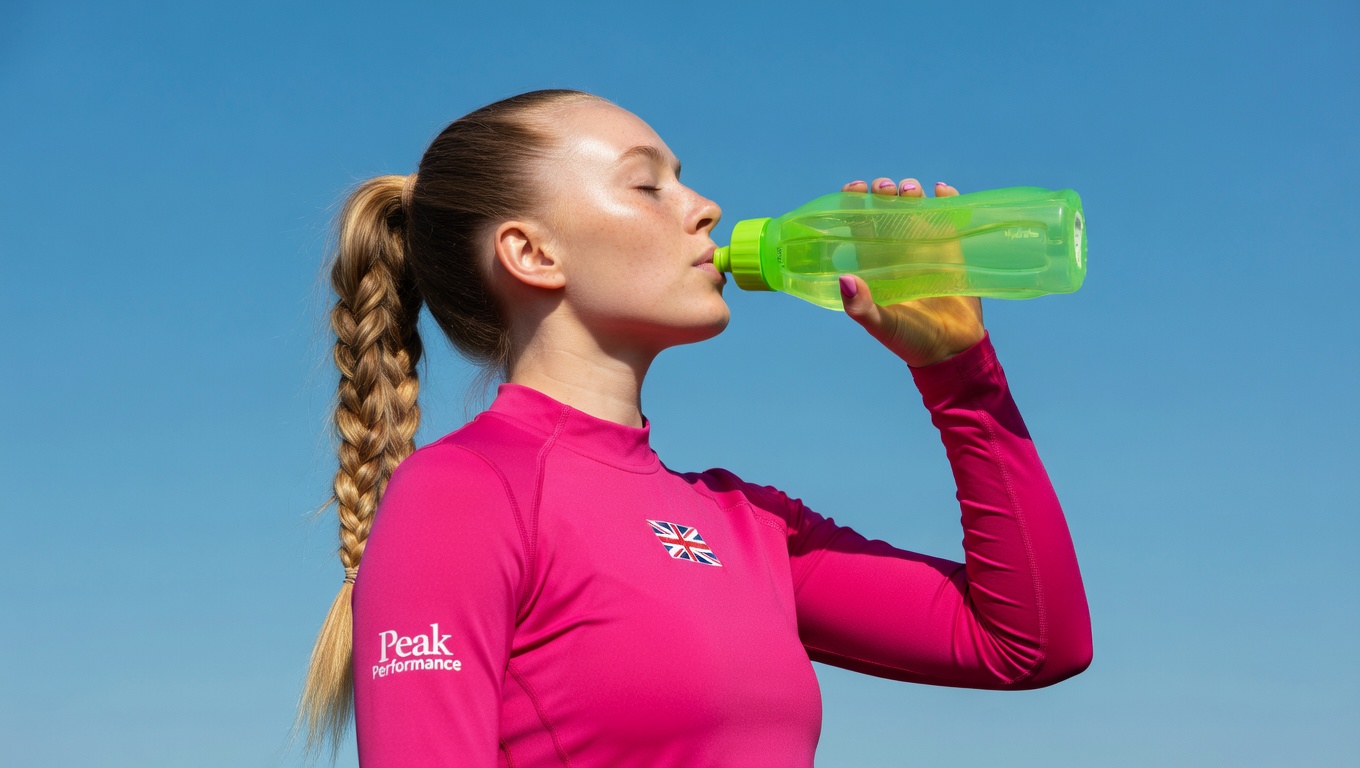
Extra Tips for Smart Daily Hydration
Beyond avoiding the wrong timing, a few simple habits can make hydration easier and more effective:
- Carry a reusable bottle and sip steadily throughout the day
- Eat water-rich foods such as fruit, cucumbers, and soups
- Increase fluids gradually instead of drinking large amounts in one sitting
- Pay attention to weather, activity level, and your body’s thirst cues
Consistent hydration is usually more beneficial than occasional overdrinking.
Final Thoughts
Healthy hydration is not about forcing down as much water as possible. It is about drinking in a way that supports your body without creating unnecessary discomfort. Limiting large amounts of water:
- Before bed
- During heavy meals
- Right after intense exercise
- When your stomach already feels full
- After sweating heavily without electrolytes
- Immediately after certain medications
can improve sleep, digestion, and overall comfort.
And here is the surprising tip: adding natural flavor to water with lemon, cucumber, or similar ingredients can encourage slower, more mindful sipping. That makes it easier to stay hydrated throughout the day without overloading your body all at once.
Frequently Asked Questions (FAQ)
Is it bad to drink water before bed?
Not necessarily, but drinking a large amount right before sleeping can increase nighttime bathroom trips and interrupt your sleep.
Should I avoid water completely during meals?
No. Small sips are usually fine. The concern is drinking too much during a meal, which may cause bloating or digestive discomfort.
How much water should I drink after exercise?
That depends on how much fluid you lost. Sip gradually, and if you sweated heavily, include electrolytes rather than relying on plain water alone.
Can too much water upset my stomach?
Yes. Drinking large amounts when your stomach is already full can increase pressure, contribute to bloating, and sometimes worsen acid reflux.
Do all medications require limited water intake?
No, but some do. Always check the label and follow guidance from your pharmacist or healthcare provider.