Unusual Body Odor: What Different Smells May Be Telling You
At some point, many people notice a body odor that seems unusual, stronger than normal, or difficult to get rid of. It can feel embarrassing and make everyday situations more stressful, especially when the smell remains even after brushing your teeth, showering, or applying deodorant. Instead of ignoring it, it may help to treat these changes as signals worth paying attention to. And there is a simple, practical way to track them without making the process complicated.
When Breath Odor Seems Different Than Usual
Breath that smells unusually strong or unpleasant, even after brushing, can become noticeable during conversations or close contact with others.
In many cases, it is not just about the meal you had earlier in the day.
Health research suggests that certain breath odors may be linked to dental problems, throat issues, digestion, or other processes happening inside the body.
For example, a sweet or fruity smell may sometimes be connected to the way the body is handling sugar.
That means unusual breath can sometimes offer useful clues.
Common Causes of Persistent Bad Breath
Here are some of the most common reasons breath may smell different:
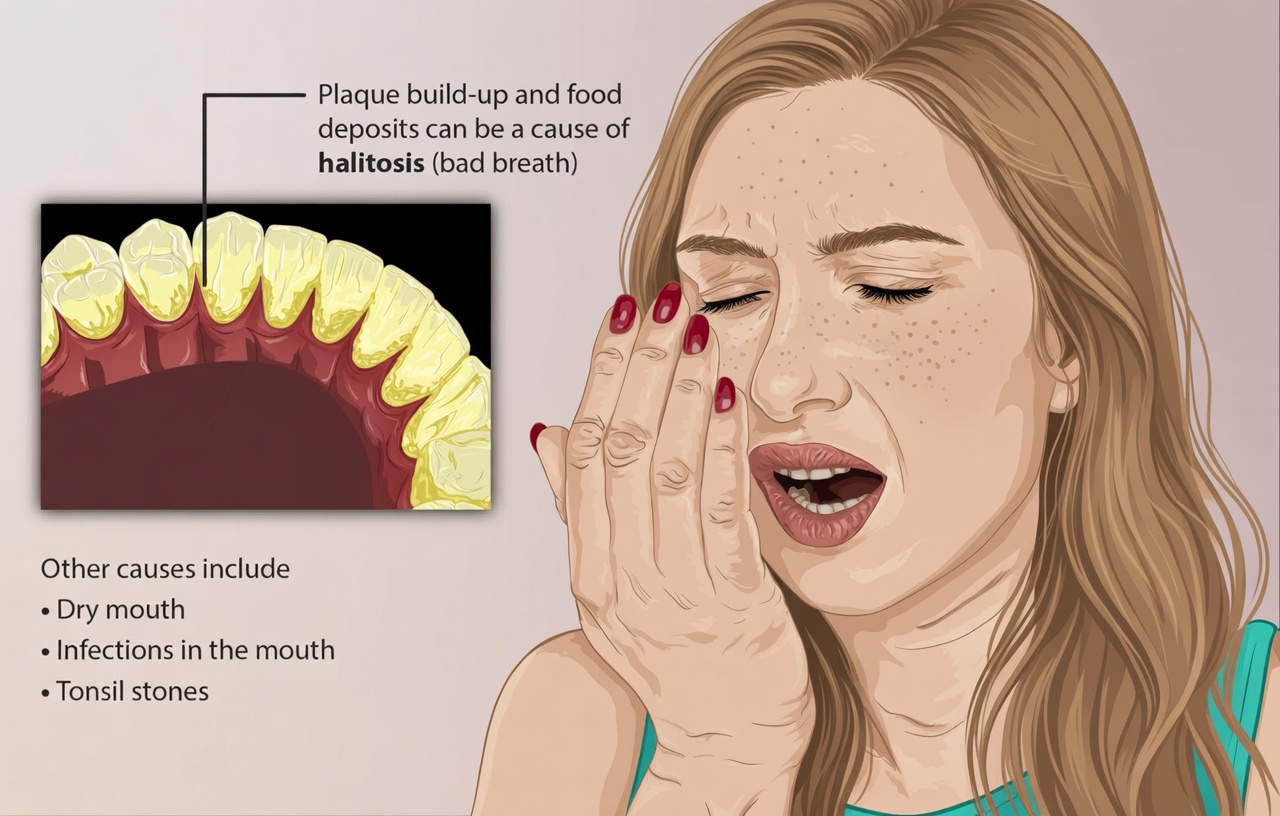
- Dental and gum problems: Tooth decay, plaque buildup, and gum disease can create lingering odors because bacteria collect in the mouth.
- Mouth or throat infections: Tonsil stones, sinus problems, or throat infections may lead to a foul smell.
- Digestive issues: Acid reflux and certain stomach-related conditions can sometimes cause sour-smelling breath.
- Metabolic changes: A fruity or sweet odor may occasionally be associated with blood sugar imbalance or other metabolic concerns.
If this keeps happening, it may help to write down when it occurs and what was happening around that time.
Simple Things You Can Do at Home
You can start with a few easy habits:
- Brush twice a day and floss daily to reduce bacteria.
- Drink enough water so your mouth stays moist and cleaner.
- Use a tongue scraper to remove buildup that brushing may miss.
- Add fresh herbs such as parsley to meals or snacks for natural breath support.
If the odor continues despite these efforts, speaking with a dentist or doctor is a sensible next step.
Why Foot Odor Can Linger Even After Washing
Strong foot odor can be frustrating, especially when your feet still smell after being cleaned. It often makes people uneasy about taking off their shoes around others.
This issue is very common, particularly after wearing shoes for long hours.
In many cases, the smell develops when sweat mixes with the natural bacteria and fungi living on the skin.
Studies have shown that a damp, warm environment makes it easier for these microbes to grow.
What May Be Causing Foot Odor
Several factors can contribute to persistent foot smell:
- Fungal infections: Athlete’s foot and similar conditions thrive in moist places and may create a vinegary or cheesy odor.
- Bacterial growth: Bacteria break down sweat and dead skin, producing a strong unpleasant smell.
- Heavy sweating: Some people naturally sweat more, which can worsen odor, especially in tight or closed shoes.
If you also notice itching, peeling, or scaling, that is an important detail to keep in mind.
Everyday Habits That Can Help
These practical steps may reduce foot odor over time:
- Alternate your shoes so each pair has time to dry completely.
- Wear breathable socks, especially those made from natural materials like cotton.
- Use foot powder before putting on socks and shoes to control moisture.
- Exfoliate your feet weekly to remove dead skin where bacteria tend to collect.
Small routine changes can have a big impact when done consistently.
Underarm Odor That Stays Strong Despite Showering
Strong underarm odor can be especially discouraging when it comes back soon after bathing. It may affect confidence and make deodorant feel ineffective.
This usually happens because bacteria interact with sweat produced by glands in the underarm area.
Experts also note that hormones, stress, and food choices may influence how strong the smell becomes.
Factors That Affect Underarm Smell
A few common influences include:
- Bacterial activity: Sweat from apocrine glands is easily broken down by bacteria, leading to a musky or sharp odor.
- Hormonal shifts: Stress, puberty, menstruation, or other life changes can make odor more noticeable.
- Diet: Foods such as onions, garlic, and spicy dishes may intensify body scent.
- Sweat levels: Increased sweating, especially during stress, can make odor worse.
Watching for patterns can be useful, especially if the smell becomes stronger at certain times.
Ways to Keep Underarm Odor Under Control
These daily strategies may help:
- Shave or trim underarm hair to reduce places where bacteria collect.
- Use an antiperspirant containing aluminum if sweat itself is part of the issue.
- Manage stress with calming habits like deep breathing, walking, or stretching.
- Try gentle natural options, such as a baking soda paste, if your skin tolerates it.
Being consistent matters more than trying too many products at once.
Changes in Urine Odor: What to Notice
A strong or unusual urine smell can be surprising when you notice it in the bathroom. While urine always has some odor, a sudden difference may raise questions.
In many situations, the cause is simple, such as not drinking enough water.
Medical references also point out that infections, foods, and metabolic changes can affect how urine smells.
Possible Reasons for Different Urine Odors
Here is a clear overview of common odor patterns and what they may be linked to:
| Odor Type | Possible Cause | Other Signs to Watch For |
|---|---|---|
| Strong ammonia smell | Dehydration | Darker urine, tiredness |
| Sweet or fruity smell | Blood sugar changes | More thirst, frequent urination |
| Foul or fishy smell | Urinary tract problems | Burning, urgency |
| Sulfur-like smell | Foods such as asparagus or other dietary factors | Often temporary after eating |
These are general associations, not a diagnosis, but they can help you know what to observe.
What You Can Do Right Away
If you notice a change, try these steps first:
- Drink more water and see whether the odor becomes lighter.
- Track foods and drinks such as coffee, asparagus, or supplements that may affect smell.
- Pay attention to symptoms like discomfort, burning, or frequency changes.
- Seek medical advice if the smell continues or is paired with other symptoms.
A basic check-in with a healthcare professional can be reassuring and informative.
Wound or Skin Odor That Smells Rotten or Decayed
A wound or irritated area of skin that develops a foul, rotting smell should not be ignored. It may begin mildly and become more obvious over time.
Often, this kind of odor suggests that healing is not progressing properly.
Experts explain that bacterial infection or tissue breakdown can create strong unpleasant smells in wounds that are not healing well.
This is something that deserves prompt attention.
Why a Wound Might Smell Bad
Common reasons include:
- Infection: Bacteria in the wound may produce a foul or putrid smell.
- Dead tissue: In some chronic wounds, tissue breakdown can contribute to odor.
- Poor circulation: Reduced blood flow can delay healing and increase the risk of odor.
If you also see swelling, pus, or increased redness, those signs are important.
Basic Wound Care Steps
For minor concerns, these steps may help:
- Clean the area gently each day with soap and water.
- Use an over-the-counter antibiotic ointment if appropriate for a minor wound.
- Cover it with a breathable bandage to keep it protected.
- Get medical care if the smell, redness, swelling, or pain gets worse.
Acting early can improve healing and reduce complications.
Final Thoughts: Pay Attention to What Your Body Is Telling You
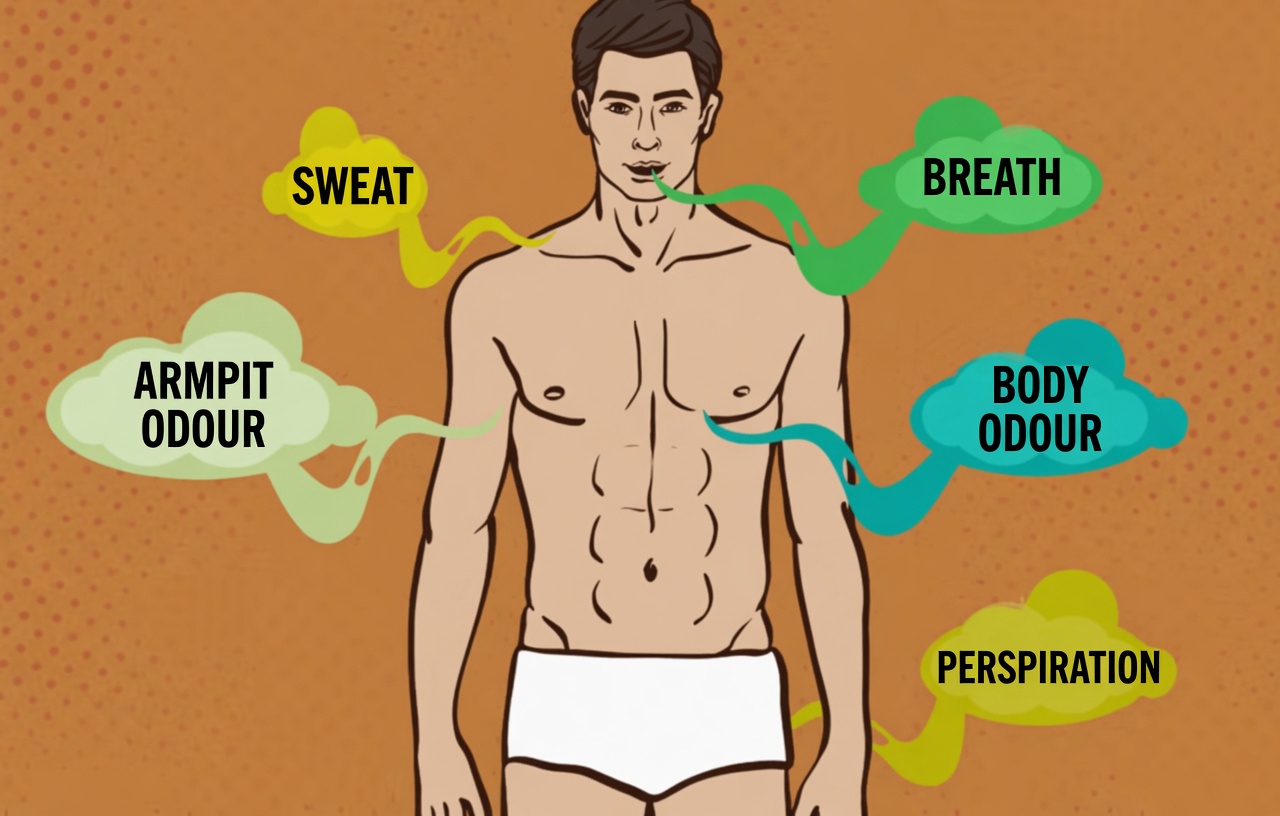
Unusual body odors, whether they come from the breath, feet, underarms, urine, or a wound, can sometimes act as early signs that something deserves a closer look. By noticing patterns and making a few simple changes, you may understand your body better and respond sooner when needed.
One surprisingly effective method is to keep a daily journal or use a health-tracking app. Logging odors along with meals, hydration, stress, exercise, and symptoms can reveal patterns that are easy to miss otherwise.
Frequently Asked Questions
What should I do if I notice a sudden change in body odor?
Start by thinking about any recent changes in diet, medication, stress, or hygiene habits. If the odor does not go away or comes with other symptoms, it is a good idea to speak with a healthcare professional.
Can food really change body odor?
Yes. Foods such as garlic, onions, strong spices, and asparagus can affect the smell of breath, sweat, or urine. These changes are often temporary, but tracking what you eat can help you spot the connection.