
Onion Tea for Men’s Wellness: A Simple Traditional Remedy to Explore
As men get older, occasional urinary discomfort or prostate-related concerns can become more common. These issues may interrupt everyday routines, lead to repeated nighttime bathroom visits, and reduce sleep quality and energy. Over time, that can affect work performance, family time, and overall comfort.
One traditional home remedy that has gained attention is onion tea. Made from a basic kitchen ingredient, this warm drink has long been used in natural wellness routines as a simple way to add plant compounds to daily life. And before you reach the end, there is a surprising variation of this remedy that may make it even easier to enjoy.
What Is Onion Tea?
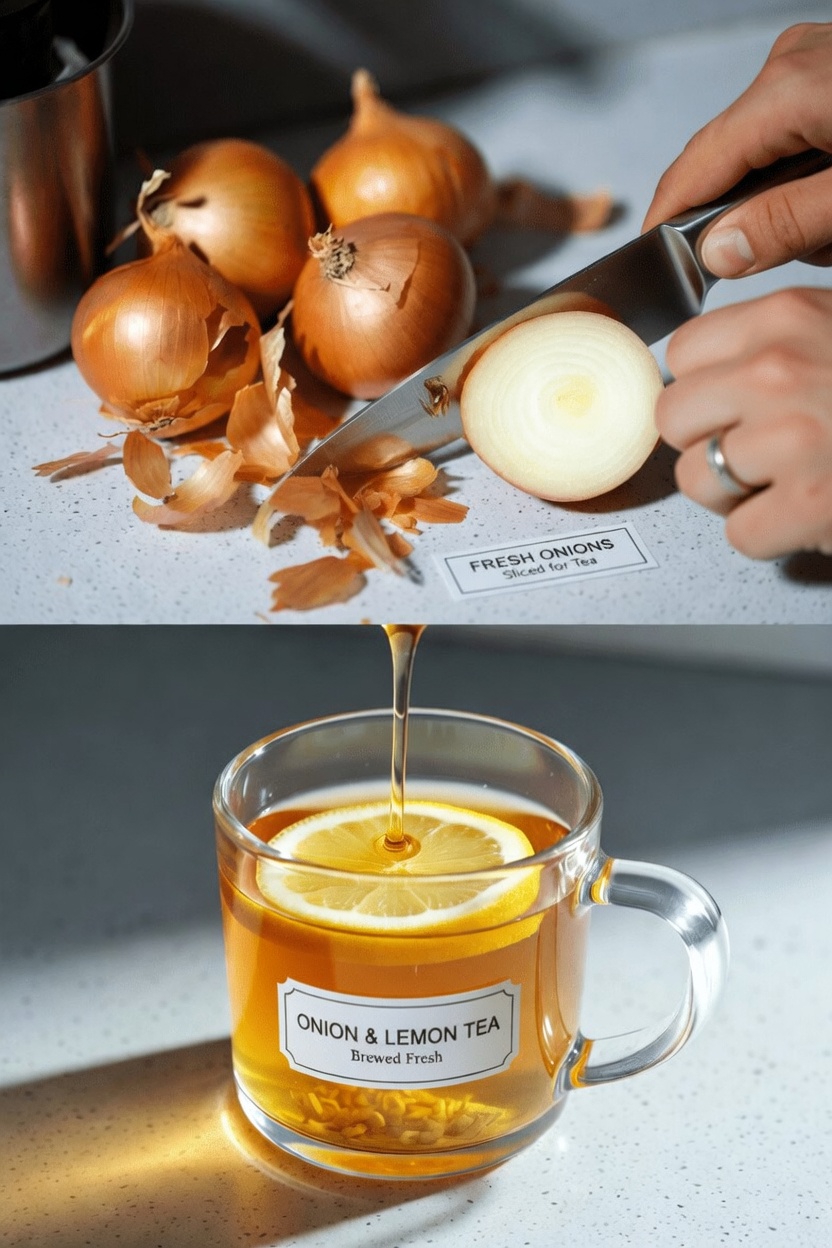
Onion tea is a mild infusion prepared by simmering onions or onion peels in water. It is usually served warm and is rooted in traditional practices that transform ordinary household ingredients into comforting drinks. For generations, people have relied on these kinds of natural preparations because they are affordable, familiar, and easy to make.
What gives onions their appeal is their natural content of quercetin, a flavonoid recognized for its antioxidant activity. Antioxidants are widely studied for their role in helping the body manage oxidative stress, which is linked to general health and aging.
Rather than acting as a quick solution, onion tea is best viewed as a small, steady habit for those interested in natural wellness support.

Why Onions May Be Helpful for Men’s Health
Onions do far more than add flavor to food. They contain a mix of nutrients and plant compounds that may support overall well-being. Research has suggested that men who regularly consume onions and garlic may show certain favorable health patterns.
For example, one medical study found that higher onion intake was associated with differences in markers connected to prostate function. That does not prove onions fix health problems, but it does suggest that their role in men’s health deserves attention.
Adding onion tea to your routine may work best as part of a broader lifestyle approach that includes:
- A vegetable-rich diet
- Good hydration
- Regular movement
- Long-term consistency
Hydration is especially important, since normal urinary function depends on adequate fluid intake. Drinking warm onion tea may contribute to overall hydration while also supplying beneficial compounds from the onion itself.
How to Make Onion Tea at Home
If you want to try onion tea, the process is simple and uses ingredients many people already have in the kitchen.
Ingredients
- 2 to 3 medium onions, such as red or yellow onions
- 4 cups of water
- Optional: honey or lemon for taste
Instructions
- Rinse the onions well to remove dirt or residue.
- Remove the outer layers, but keep the peels instead of throwing them away.
- Cut the onions into quarters.
- Bring the water to a boil in a pot.
- Add both the onion pieces and the peels.
- Lower the heat and let the mixture simmer for 10 to 15 minutes, until the liquid takes on a golden color.
- Strain the tea into a cup or container.
- Let it cool slightly, then drink it warm.
The full process usually takes around 20 minutes. If you are new to onion tea, begin with a small serving and pay attention to how your body reacts.
Why Onion Peels Should Not Be Ignored
One of the most valuable parts of this remedy may actually be the peel. Onion skins often contain more quercetin than the bulb itself, which is one reason they are commonly included in traditional recipes.
According to research referenced by sources such as the National Institutes of Health, the flavonoids found in onion peels offer antioxidant effects. This may help explain why some traditional methods use nearly the whole onion instead of only the edible center.
Onion Parts and Their Benefits
| Onion Part | Key Compounds | Possible Role |
|---|---|---|
| Bulb | Vitamin C, vitamin B6 | Flavor and basic nutrition |
| Peel | Quercetin, fiber | Antioxidant support |
| Whole onion | Sulfur compounds | General wellness support |
Using the peel also makes this remedy more sustainable by reducing kitchen waste.
Some people even prefer to dry the peels first before brewing. Leaving them in a sunny place for a day or two can create a stronger infusion.
Easy Ways to Add Onion Tea to Your Routine
If you decide to use onion tea, consistency is more important than intensity. Drinking it once daily, either in the morning or evening, can turn it into a calming ritual rather than an occasional experiment.
To make the habit more supportive, combine it with other wellness practices such as:
- Gentle exercise like walking
- Meals rich in fruits and vegetables
- Sufficient sleep
- Regular hydration throughout the day
These everyday habits work together and may support a better sense of balance over time.
If the flavor feels too strong, you can soften it by adding herbs like mint, which can make the tea more pleasant and easier to include regularly.
What Research Says About Onions and Urinary Health
Interest in onions as a wellness food continues to grow. Some animal research has shown that onion extracts may influence markers connected with prostate health, although strong human evidence is still limited.
Broader health reviews also note that onions may support heart health and immune function, both of which contribute to overall wellness. In some men’s health surveys, higher onion intake has also been associated with more positive health outcomes.
Still, it is important to stay realistic. Current evidence points to possible support, not guaranteed results. For the most accurate and updated guidance, rely on trustworthy medical and scientific sources.
Popular Onion Tea Variations
One reason onion tea remains appealing is that it can be adjusted in several easy ways without losing its basic character.
1. Honey Onion Tea
Add a teaspoon of raw honey after straining the liquid. This can soften the sharp taste and add natural sweetness.
2. Onion Tea with Ginger
Simmer a few slices of fresh ginger with the onions. This creates a warmer, more robust flavor.
3. Lemon Onion Tea
A squeeze of lemon brightens the drink and adds a fresh citrus note along with extra vitamin C.
These simple additions can make the tea more enjoyable while preserving its traditional foundation.
The unexpected twist is that in some cultures, people even add cinnamon or other spices, turning onion tea into a more aromatic and surprisingly pleasant beverage.
Things to Consider Before Drinking Onion Tea
Even natural remedies are not the same for everyone. Some people may notice mild digestive effects from onions, including:
- Gas
- Bloating
- Heartburn
- Stomach discomfort
If you have an allergy, a digestive condition, or any ongoing health concern, it is best to speak with a healthcare professional before making onion tea a regular habit.
It is also wise to keep drinking plain water throughout the day, since onion tea should support hydration rather than replace it.
An interesting idea some people explore is pairing onion tea with probiotics, which may offer additional digestive and gut health support.

Final Thoughts
Onion tea is a simple, traditional drink that offers an easy way to include antioxidants and plant nutrients from a common kitchen ingredient. It is inexpensive, flexible, and easy to customize with ingredients like honey, ginger, lemon, or even spices.
The main takeaway is not to expect an instant transformation, but to think in terms of balance, routine, and long-term habits. Small choices made consistently often fit better into real life and may offer more lasting value.
Staying open to natural options like onion tea may help you discover practical habits that work well with your lifestyle.
FAQ
What is onion tea made from?
Onion tea is usually made by boiling onions or onion peels in water. Some people add ingredients like honey or lemon to improve the taste.
How often can onion tea be consumed?
Many people drink it once a day, but it is best to start with a small amount and see how your body responds.
Can onion tea cause side effects?
For some individuals, it may lead to mild digestive discomfort, such as gas or heartburn. If you are unsure whether it is right for you, consult a healthcare provider.
Disclaimer
This article is intended for informational purposes only and should not be considered medical advice. Always speak with a qualified healthcare professional before changing your health routine.