Stinging Nettle for Prostate Support: A Natural Option for Men Over 50
Many men over 50 begin to notice changes in their bathroom routine. Waking up several times at night, feeling a sudden urge to urinate, or dealing with a weaker stream during the day can become increasingly common. These issues may interrupt sleep, interfere with work and social life, and create a constant sense of discomfort.
For those looking into gentle, natural ways to support prostate health, stinging nettle is one herb worth exploring. When used as part of a balanced lifestyle, it may help support urinary comfort and overall wellness. And before we finish, you’ll also find an easy recipe twist that blends nettle with everyday kitchen ingredients for a simple daily drink.
What Is Stinging Nettle?
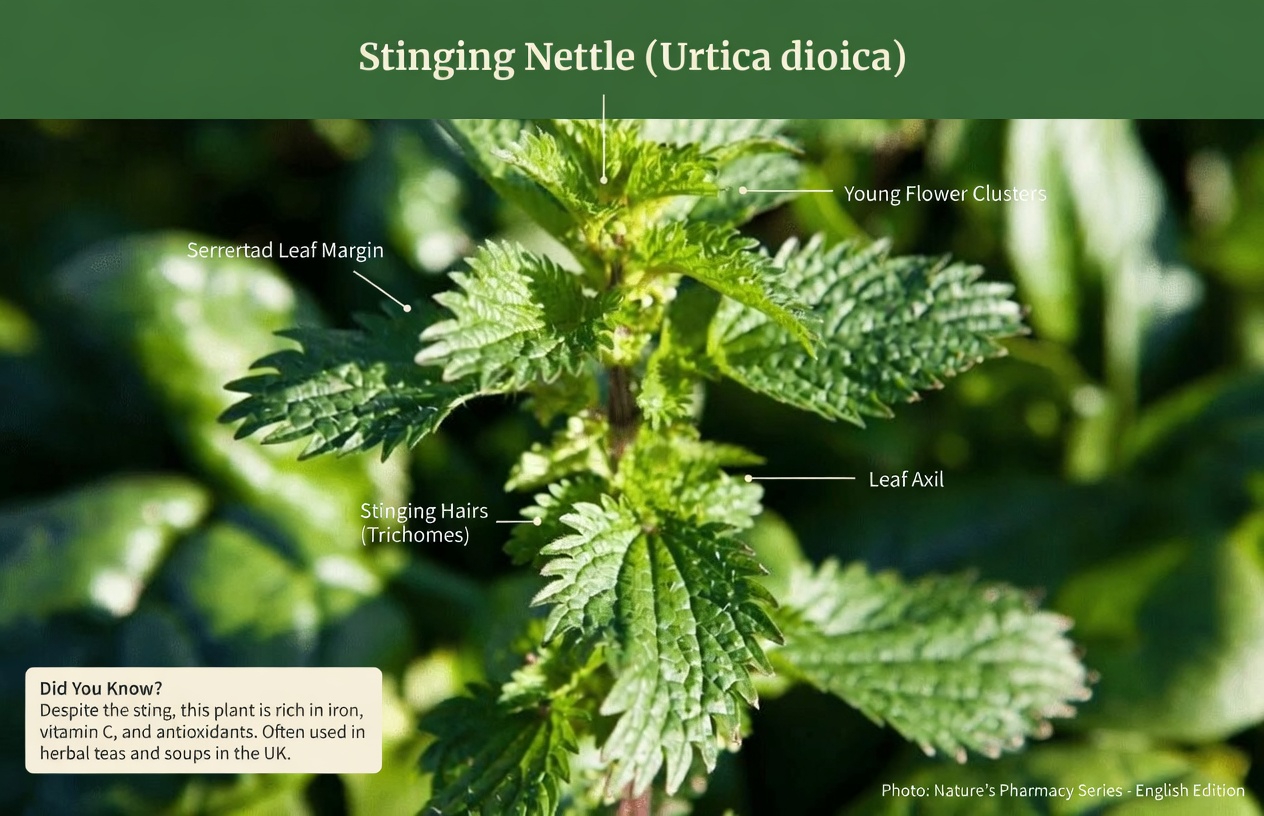
Stinging nettle, or Urtica dioica, is a perennial plant that grows widely across Europe, North America, and many other regions. For generations, it has been used in traditional herbal practices, with both the leaves and roots valued for different wellness purposes.
Its name comes from the tiny hairs on the leaves and stems, which can cause a brief stinging sensation when touched. However, once the plant is dried, cooked, or properly extracted, that irritating effect disappears.
Modern research suggests that stinging nettle contains naturally occurring compounds such as lignans, polysaccharides, vitamins, minerals, and antioxidants. These substances may work with the body in ways that support hormone balance and general prostate function.
Because of its broad nutrient profile, nettle is often considered more than just an herb—it can also be a useful addition to an overall wellness routine.
Prostate Health: The Basics You Should Know
The prostate is a small gland in men located around the urethra. It plays an important role in reproductive health, but it often changes with age. One of the most common age-related conditions is benign prostatic hyperplasia (BPH), which means the prostate becomes enlarged.
As the gland grows, it can place pressure on the urethra. This may affect normal urine flow and lead to a range of urinary symptoms. Health organizations estimate that up to half of men over 51 may experience some degree of prostate enlargement.
Not every man will have bothersome symptoms, but understanding these changes can make it easier to take action early. Supportive habits, including diet, exercise, and selected herbs, may help maintain comfort over time.
Common Signs of Prostate-Related Urinary Changes
Spotting the early warning signs can help you stay ahead of the problem. Frequently reported symptoms include:
- Needing to urinate more often, especially at night
- A weak, slow, or stop-and-start urine stream
- Feeling that the bladder is still not fully empty after urinating
- Sudden urges to go that are difficult to delay
These symptoms can range from mild to disruptive. Lifestyle factors such as hydration, stress, food choices, and physical activity can also influence how strongly they are felt.
Many men experiencing these changes start exploring natural strategies to support urinary comfort and maintain day-to-day quality of life.
How Stinging Nettle May Support Prostate Wellness
Interest in stinging nettle for prostate health has grown as more studies examine its potential benefits. Some findings suggest that nettle root may help support urinary function and reduce common discomforts linked to prostate enlargement.
A randomized study published in the Iranian Journal of Kidney Diseases involving 100 participants reported improved urinary flow in those using nettle root extract compared with a placebo.
Other studies, including animal research, indicate that nettle may affect enzymes involved in hormone conversion. This is important because certain hormone pathways are associated with prostate growth.
Human trials have also reported improvements in urinary symptoms after regular use. In addition, nettle is known for its anti-inflammatory properties, which may further support comfort and daily function.
While it is not a stand-alone cure, stinging nettle may be a useful part of a broader prostate support plan.
How to Use Stinging Nettle Safely at Home
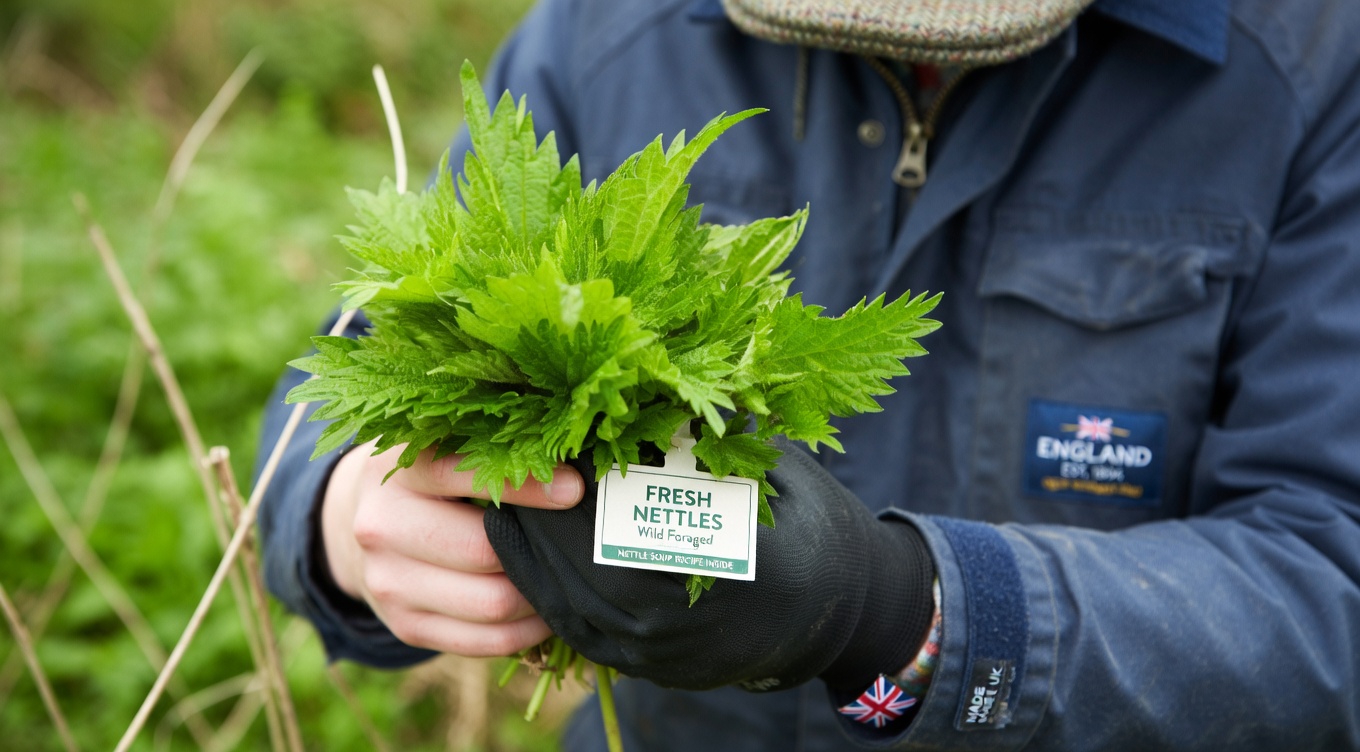
If you plan to work with fresh nettle, proper handling is essential. The raw plant can sting the skin, so be sure to use protective gloves when harvesting or preparing it.
Keep these safety tips in mind:
- Pick nettle only from clean areas away from roadsides and chemical-treated land
- If you prefer convenience, buy dried nettle from a trusted source
- To remove the sting from fresh leaves, blanch them in boiling water for 1 to 2 minutes, then cool them in cold water
- Nettle root is commonly used in extracts and supplements designed for prostate support
- Begin with a small amount to see how your body responds
Starting gradually is a smart way to assess tolerance and avoid unnecessary digestive discomfort.
Simple Stinging Nettle Tea Recipe
A basic nettle tea is one of the easiest and most affordable ways to add this herb to your day. It works well as a gentle daily ritual and can be enjoyed warm after meals.
Ingredients
- 1 teaspoon dried nettle leaves or nettle root
- 1 cup hot water
- Optional: honey or lemon for flavor
Directions
- Add the dried nettle to a mug or teapot.
- Pour hot water over the herb. Avoid using water at a full rolling boil.
- Let it steep for 5 to 10 minutes.
- Strain and drink.
- Enjoy once or twice daily, depending on preference.
Many people like the mild, earthy flavor on its own, but adding lemon or a touch of honey can make it more enjoyable. For extra variety, you can also pair nettle with herbs like peppermint.
Stronger Nettle Infusion with Added Herbs
If you want a more concentrated option, a blended herbal infusion may be a better fit. This version combines nettle with another herb often used in men’s wellness routines.
Ingredients
- 1 tablespoon dried nettle root
- 1/2 teaspoon saw palmetto berries
- 2 cups water
Instructions
- Place the nettle root and water in a small pot.
- Simmer gently for about 15 minutes.
- Remove from heat.
- If desired, add a few dried nettle leaves at the end for additional flavor.
- Let it cool slightly, then strain and drink.
This preparation can be stored in the refrigerator for up to two days, making it convenient for short-term use.
Although herbal combinations are popular, it is always wise to speak with a healthcare professional before mixing herbs regularly, especially if you take medication.
Easy Ways to Add Nettle to Your Routine
Using stinging nettle consistently does not have to be complicated. A few simple habits can make it easier to include in daily life.
- Start small: Begin with one cup of tea per day
- Keep notes: Track nighttime waking, urgency, and other urinary patterns over a week
- Support it with diet: Eat more vegetables, fruits, and fiber-rich foods
- Stay active: Walking and other light exercise may support circulation and general health
- Choose quality products: Look for reputable, preferably organic nettle sources
The key is regular use. Some people report gradual improvements after a few weeks of steady intake. Nettle can also be added to soups, broths, or smoothies for more variety.
Tea, Capsules, or Tinctures: Which Form Is Best?
Stinging nettle is available in several forms, and the best choice depends on your lifestyle and preferences.
Tea
- Easy to prepare
- Hydrating and soothing
- Ideal for beginners
- May be milder than concentrated supplements
Capsules
- Convenient and travel-friendly
- Offer more consistent dosing
- Popular for targeted prostate support
- Less enjoyable if you prefer natural food-based rituals
Tinctures
- Absorb quickly
- Have a long shelf life
- Useful for more focused use
- Often have a strong taste and may contain alcohol
Many prostate-focused products use nettle root extract in capsule form, but tea remains a practical option for those who prefer a simple, natural daily habit.
Side Effects and Precautions
Stinging nettle is generally considered well tolerated, but that does not mean it is right for everyone. Some people may experience mild digestive upset, especially when first using it.
Important precautions include:
- Nettle may interact with blood thinners, diuretics, or other medications
- People with kidney concerns should use caution
- Pregnant individuals should avoid nettle unless advised otherwise by a qualified professional
- Stop use if you notice signs of an allergic reaction such as rash or irritation
As with any herb, starting with a low amount and monitoring your response is the safest approach.
Build a More Complete Prostate Health Plan
Herbs can be helpful, but prostate wellness usually improves most when multiple healthy habits work together. Alongside stinging nettle, consider these practical strategies:
- Schedule regular health check-ups
- Eat a balanced diet rich in whole foods
- Include omega-3-rich foods such as fish
- Reduce bladder irritants like excess caffeine
- Manage stress through breathing exercises, stretching, or relaxation techniques
- Stay physically active with walking, yoga, or light strength training
A more holistic approach often brings better long-term results than relying on a single remedy alone.
Final Thoughts
Stinging nettle offers a natural and accessible way to explore prostate support, especially for men dealing with age-related urinary changes. Whether you choose tea, capsules, or herbal blends, consistency matters. Listening to your body and combining nettle with healthy daily habits can make the approach more effective.
As promised, here is the simple recipe twist: dry fresh nettle leaves at home by hanging them in a cool, dark place for about a week. Once dried, blend them with ginger to create a warming, slightly spicy tea. It is an easy, comforting way to enjoy nettle during colder months while adding a flavorful boost to your routine.