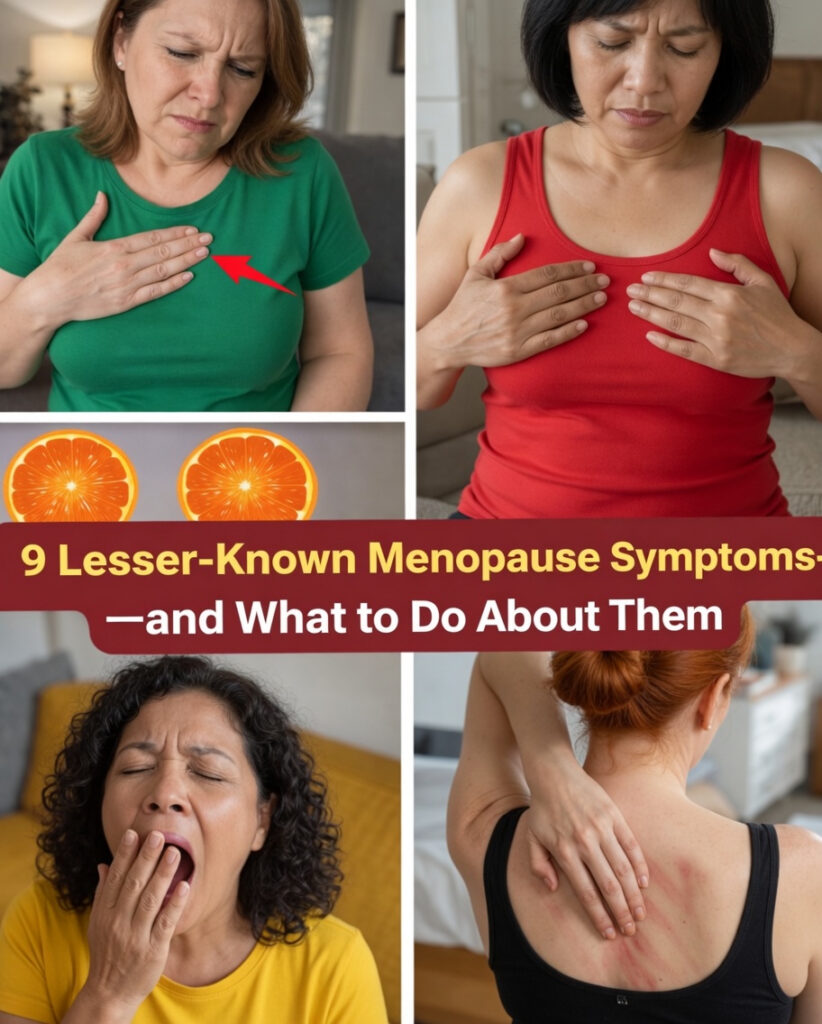
Early Menopause: 10 Important Signs Women Should Not Ignore
Many women expect menopause to begin in their late 40s or early 50s. However, for some, it starts much earlier—before age 45. When that happens, the symptoms can feel unexpected and unsettling. You may notice a sudden racing heartbeat, skin that becomes dry and itchy, or even an unusual burning feeling in your mouth that makes you want to drink water all the time.
These symptoms can interrupt daily life, affect your comfort, and leave you wondering whether something more serious is happening. The good news is that spotting the signs early can make a big difference. Once you understand what your body is telling you, you can take practical steps to feel better and get the support you need. And at the end, you’ll find one simple daily habit that many women say helps them manage this transition more smoothly.
What Is Early Menopause?
Early menopause refers to menopause that happens before age 45. In this stage, periods may stop completely or become very unpredictable. The symptoms are similar to those of menopause at the usual age, but they can feel more abrupt because hormone levels may decline more quickly.
According to organizations such as the Cleveland Clinic, early menopause affects about 1 in 100 women before age 40 and up to 5% of women by age 45. In some cases, the cause may be linked to genetics, autoimmune conditions, or medical treatments. In others, there is no clear explanation.
What matters most is recognizing the changes early. If you notice signs that suggest early menopause, speaking with a healthcare provider can help you find ways to improve both your immediate comfort and your long-term health.
10 Signs of Early Menopause You Should Know
Many women are familiar with classic menopause symptoms such as hot flashes and missed periods. But early menopause can also bring less obvious changes that are easy to overlook. Below are 10 common signs, including several that often surprise women.
1. Irregular or Missed Periods
One of the earliest and most noticeable signs is a change in your menstrual cycle. Your periods may come closer together, be delayed, become lighter or heavier than normal, or stop altogether. Some women also notice spotting between cycles.
These shifts are usually caused by changes in estrogen and progesterone. If you are under 45 and your cycle has changed significantly, it is a good idea to keep track of it for a few months.
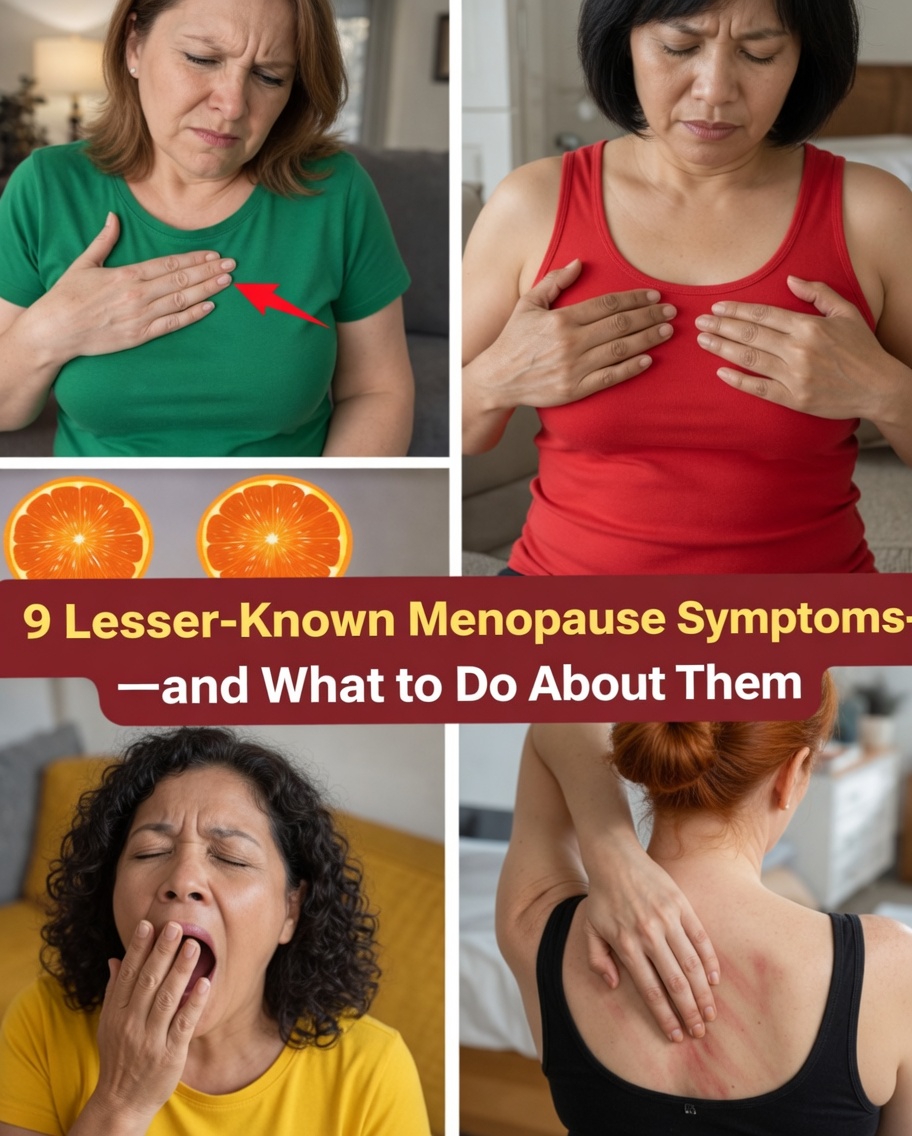
2. Hot Flashes and Night Sweats
Sudden heat surges are among the most recognized menopause symptoms. You may feel your face flush, your body warm rapidly, or your clothing become damp with sweat. At night, these episodes can disturb sleep and leave your sheets soaked.
These vasomotor symptoms are extremely common and can affect up to 80% of women during the menopause transition. In early menopause, they may feel stronger or happen more often than expected.
3. Heart Palpitations
A fluttering, pounding, or racing heartbeat can be alarming—especially when it happens while you are resting. Many women describe it as a skipped beat or a sudden burst of rapid heart activity.
Hormonal fluctuations, particularly shifts in estrogen, can influence the cardiovascular system and trigger palpitations. In many cases, they are not dangerous, but it is still wise to discuss them with your doctor to rule out other possible causes.
4. Breast Tenderness or Breast Changes
Some women notice that their breasts feel sore, swollen, or unusually sensitive. The sensation may resemble premenstrual tenderness, even if no period follows. Changes in breast size or texture can also occur.
These symptoms are linked to uneven hormonal changes, especially in estrogen and progesterone levels. Wearing a supportive bra and being gentle with self-care can help reduce discomfort.
5. Dry or Itchy Skin
If your skin suddenly feels rough, tight, flaky, or persistently itchy, hormones may be part of the reason. This symptom often appears on the arms, legs, or back and may be mistaken for seasonal dryness or normal aging.
Lower estrogen levels reduce the skin’s natural oils and collagen, making it harder to retain moisture. As a result, dryness can appear quickly and become uncomfortable if not addressed.
6. Fatigue and Low Energy
Feeling worn out all the time is another common sign of early menopause. You may sleep a full night and still wake up tired. Tasks that once felt easy can suddenly seem draining.
Hormonal changes often combine with poor sleep—especially if night sweats are involved—to create ongoing exhaustion. Many women also notice a drop in motivation and mental drive during this phase.

7. Burning Mouth or Changes in Taste
This is one of the lesser-known symptoms of early menopause. Some women experience a burning, tingling, or metallic sensation in the mouth, sometimes along with dryness. It can feel strange and frustrating, especially if it appears without warning.
These changes may be related to reduced saliva production and increased nerve sensitivity caused by shifting hormones. While uncomfortable, the symptom is often manageable with a few simple daily adjustments.
8. Brain Fog and Trouble Concentrating
If you find yourself forgetting words, losing focus, or walking into a room and forgetting why, you are not alone. Mental fog is a common part of the menopause transition.
Estrogen plays an important role in brain function. When levels decline earlier than expected, memory and concentration can temporarily suffer. The encouraging news is that many women find these cognitive symptoms improve with time and support.
9. Joint Pain or Muscle Aches
Unexpected stiffness, aching joints, or sore muscles can also be connected to early menopause. You may notice discomfort in your knees, shoulders, hands, or other areas even if your activity level has not changed.
Estrogen helps support joint health and regulates inflammation. When it drops, the body may feel stiffer and everyday movement may become less comfortable.
10. Mood Changes, Anxiety, or Irritability
Emotional shifts are another major sign. You might feel calm one moment and unusually tense, sad, or irritable the next. These mood changes can be intense and confusing.
The positive side is that they are often linked directly to hormone fluctuations rather than being “all in your head.” Understanding the hormonal connection can make them easier to address with the right support.
How to Feel More Comfortable During Early Menopause
You do not have to simply endure these symptoms. Small, consistent lifestyle habits can help ease discomfort and improve how you feel each day.
For Skin Dryness and Itching
- Drink plenty of water each day, aiming for at least eight glasses.
- Apply a fragrance-free moisturizer right after bathing while your skin is still damp.
- Choose gentle, unscented cleansers.
- Take lukewarm showers instead of very hot ones to help protect natural skin oils.
For Heart Palpitations, Fatigue, and Mood Changes
- Try to get around 30 minutes of moderate physical activity on most days, such as walking or yoga.
- Cut back on caffeine and alcohol, since both may worsen palpitations and disrupt sleep.
- Practice deep breathing or short meditation sessions to support calmness and relaxation.
For Burning Mouth and Taste Changes
- Sip cool water throughout the day.
- Avoid foods that are very spicy, acidic, or extremely hot for a while.
- Use sugar-free gum or lozenges to help stimulate saliva production.
But comfort is not only about managing one symptom at a time. Your everyday habits matter too. A balanced diet rich in fruits, vegetables, whole grains, and healthy fats can support energy and overall wellness. Strength training twice a week is especially helpful for protecting bones and muscles, which becomes even more important when menopause starts early.
Regular medical check-ups are also essential. A healthcare provider can evaluate your symptoms, order hormone-related tests if needed, and discuss options that fit your personal needs.
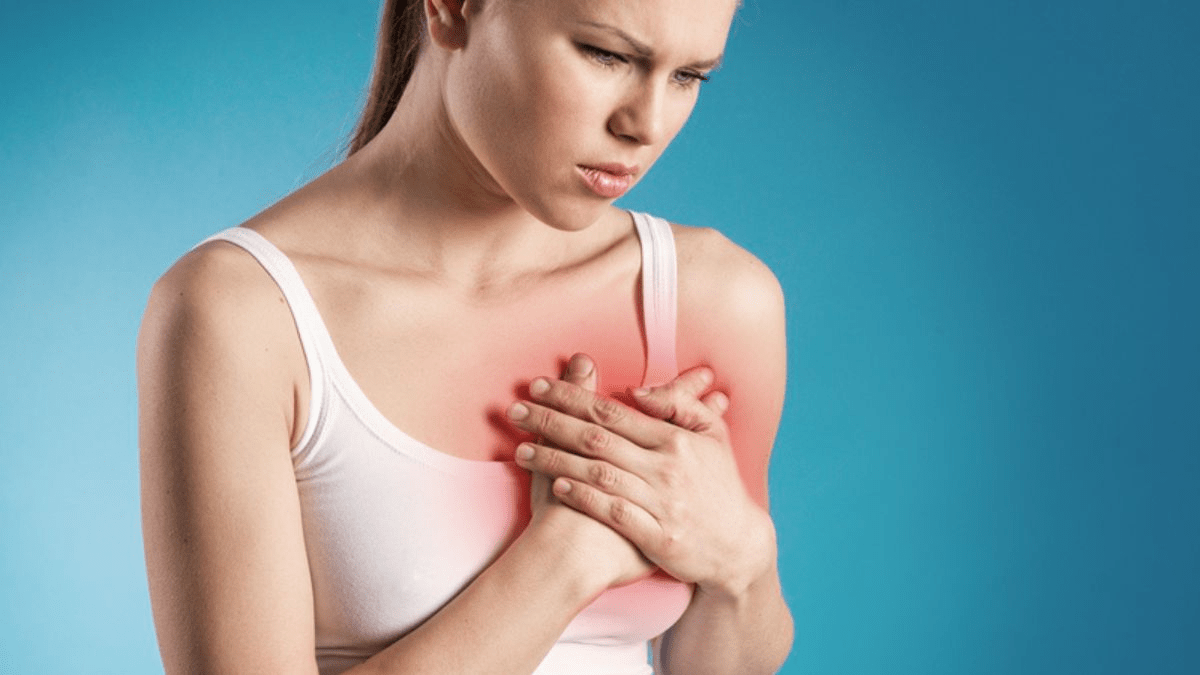
One Simple Habit That Can Make a Big Difference
A surprisingly effective habit for many women is creating a calming evening routine. About an hour before bed, dim the lights, reduce screen time, and let your body start winding down. Some women find that herbal tea, such as chamomile or peppermint, adds to the calming effect.
Keeping the bedroom cool, dark, and quiet may also help. This nightly routine can improve sleep quality, reduce the impact of night sweats, and even make mood swings feel more manageable.
Final Thoughts: You Are Not Alone
Early menopause can feel as though your body has suddenly accelerated into a new phase before you were ready. But learning the signs can help you regain a sense of control. Whether you are dealing with irregular periods, hot flashes, itchy skin, heart palpitations, or a burning mouth sensation, these symptoms are real—and there are ways to manage them.
The most important steps are to listen to your body, make supportive lifestyle changes, and work with your healthcare provider for personalized care. Many women come through this stage feeling more informed, more resilient, and more connected to their health than ever before.
FAQ
How do doctors diagnose early menopause?
Doctors usually begin by discussing your symptoms and menstrual history. In some cases, they may order blood tests to check hormone levels. If you are under 45 and your periods have changed noticeably, it is worth mentioning it during your next appointment.
Can lifestyle changes really help with early menopause symptoms?
Yes. Lifestyle changes cannot stop early menopause, but they can make symptoms more manageable. Regular exercise, nutritious meals, stress reduction, and healthy sleep habits often improve day-to-day comfort and overall well-being.
Is it still possible to get pregnant during early menopause?
Pregnancy may still be possible in the earlier stages, especially if you are still ovulating occasionally. If you do not want to become pregnant, contraception may still be necessary until your doctor confirms menopause. If you are hoping to conceive, speak with a healthcare provider as early as possible about your options.