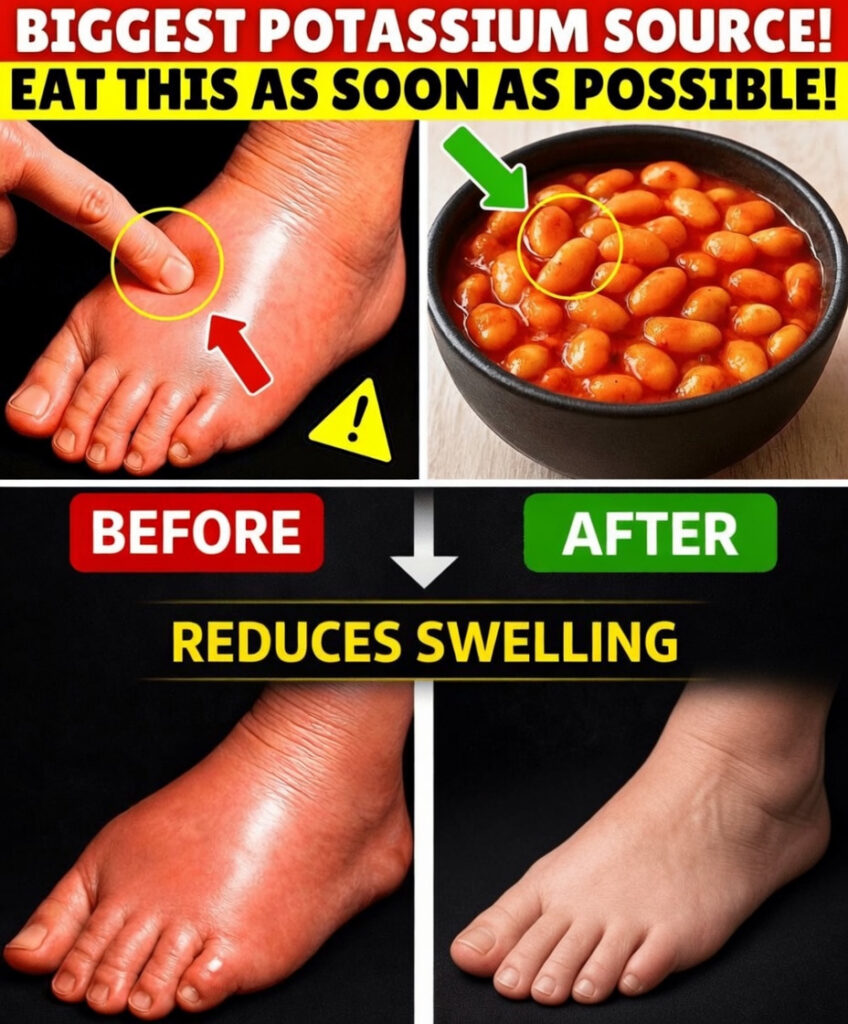
8 Potassium-Rich Foods That May Help Seniors Reduce Swelling Naturally
Waking up with swollen ankles, puffy feet, or heavy legs can make even simple movement feel tiring. For many older adults, fluid retention turns normal daily activities into uncomfortable tasks and can slowly reduce both mobility and confidence.
This type of swelling may seem minor at first, but over time it can interfere with comfort, independence, and quality of life. The good news is that small, natural diet changes may help support healthier fluid balance without making your routine complicated.
Potassium-rich foods can help the body manage excess fluid more effectively and may encourage natural drainage. When seniors include the right foods regularly, many notice they feel lighter, less bloated, and more comfortable throughout the day.
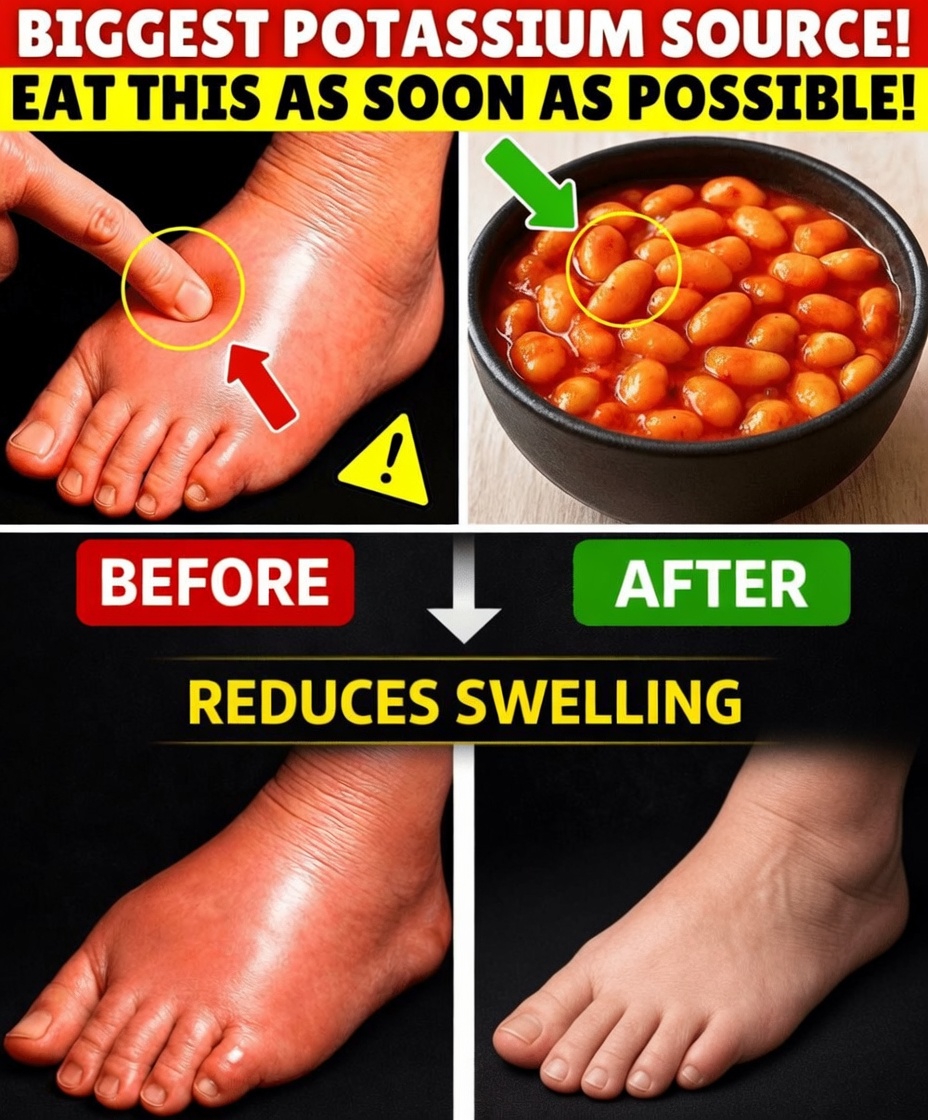
Stay with this guide to discover eight easy potassium-rich foods that fit naturally into a senior-friendly routine and may offer noticeable support for swelling.
Why Potassium Matters for Seniors With Swelling
As we get older, fluid retention often becomes more common, especially in the legs, feet, and ankles. Changes in kidney function, sodium balance, circulation, and activity levels can all contribute to that uncomfortable puffiness.
Potassium plays an important role in helping the body maintain a healthier fluid balance. It works in opposition to sodium and supports natural processes that help release extra water. For seniors, this may mean less heaviness, improved comfort, and easier movement.
Many older adults who regularly eat potassium-rich foods feel less bloated and more mobile, especially when those foods are part of an overall balanced lifestyle. Research also suggests that getting more potassium from whole foods may help reduce mild fluid retention.
1. Bananas
Bananas are one of the easiest and most familiar potassium-rich foods for seniors. They provide a solid amount of potassium that may help reduce puffiness and support healthier fluid balance.
Because bananas are soft, portable, and require no preparation, they are ideal for older adults who want a simple daily option. They work well at breakfast, as a snack, or alongside other light meals.
Many seniors find that adding bananas regularly helps their feet and ankles feel less heavy. One medium banana contains about 400 mg of potassium, making it an easy everyday choice.
2. Sweet Potatoes
Sweet potatoes are rich in potassium and also provide fiber, which supports overall wellness and may help the body regulate fluid more efficiently.
They are easy to bake, roast, or mash, so they fit naturally into meals seniors already enjoy. Their soft texture and mild sweetness also make them appealing on days when appetite is lower.
A medium baked sweet potato provides more than 500 mg of potassium, making it a comforting and practical option for reducing everyday swelling.
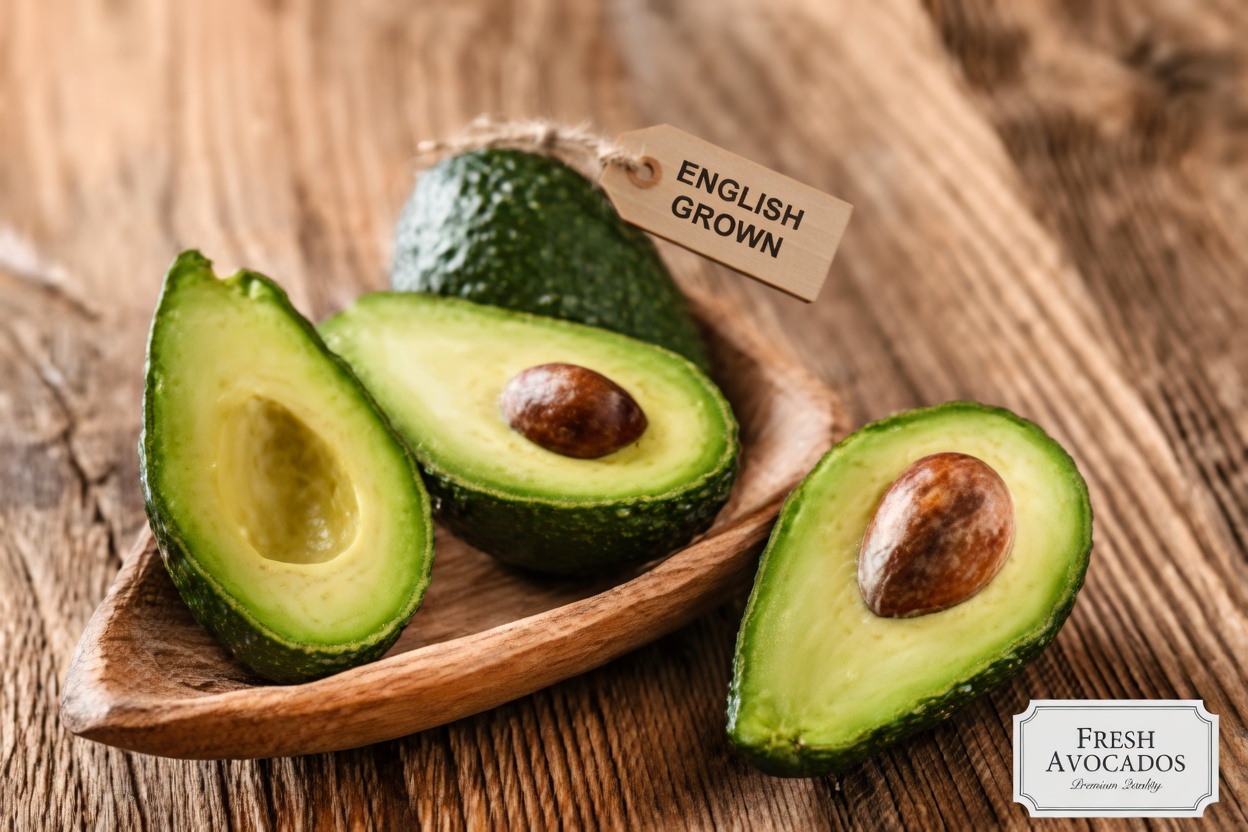
3. Avocados
Avocados offer a strong mix of potassium and healthy fats. This combination may help support fluid balance while also helping calm inflammation that can make swollen joints and ankles feel worse.
They are easy to add to toast, salads, sandwiches, or soft bowls. Their creamy texture makes them especially appealing for seniors who prefer gentle, easy-to-chew foods.
Half an avocado provides nearly 500 mg of potassium, making it a valuable food to include regularly.
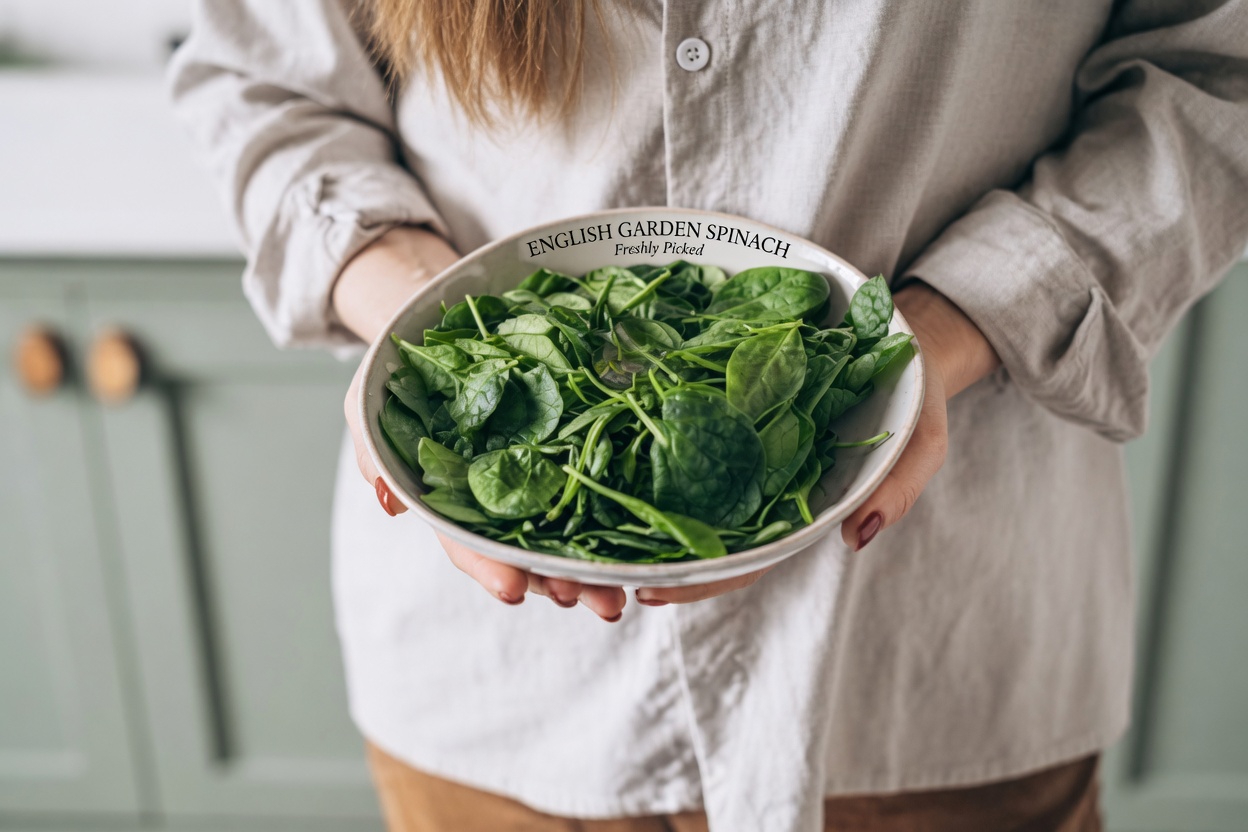
4. Spinach
Spinach delivers potassium along with magnesium, another mineral that supports muscle function and fluid regulation. Together, these nutrients may help ease that heavy, tight feeling in the legs.
One of spinach’s biggest advantages is how easy it is to use. It can be blended into smoothies, stirred into soups, or lightly sautéed as a side dish. Seniors can add it to meals without changing their routine much at all.
A generous handful of fresh spinach offers over 300 mg of potassium, making it a simple daily boost.
5. White Beans
White beans are one of the most powerful potassium-rich foods on this list. They also provide plant protein and fiber, which help make meals more filling without relying on extra salt.
They become soft when cooked, which makes them easy on digestion and suitable for soups, stews, or warm side dishes. Seniors dealing with frequent swelling often appreciate how satisfying and comforting beans can be.
One cup of cooked white beans contains more than 1,000 mg of potassium, making them an affordable and highly effective option.
6. Tomatoes
Tomatoes provide potassium as well as lycopene, a plant compound that may help support a healthy inflammatory response. For seniors with swollen legs or feet, that combination can be especially helpful.
They are easy to enjoy year-round, whether fresh in salads, sliced into sandwiches, or cooked into sauces and soups. Their bright flavor makes them one of the most versatile foods for daily use.
Two medium tomatoes offer around 300 mg of potassium, adding both taste and support to a senior-friendly eating plan.
7. Oranges
Oranges are refreshing, naturally sweet, and easy to prepare. In addition to potassium, they also supply vitamin C, which supports overall health and may help the body manage fluid retention more effectively.
For seniors who want a light snack, oranges are a convenient choice. Many people find them especially helpful when they want something hydrating and easy to digest.
One large orange contains about 250 mg of potassium, making it a simple and refreshing way to support fluid balance.
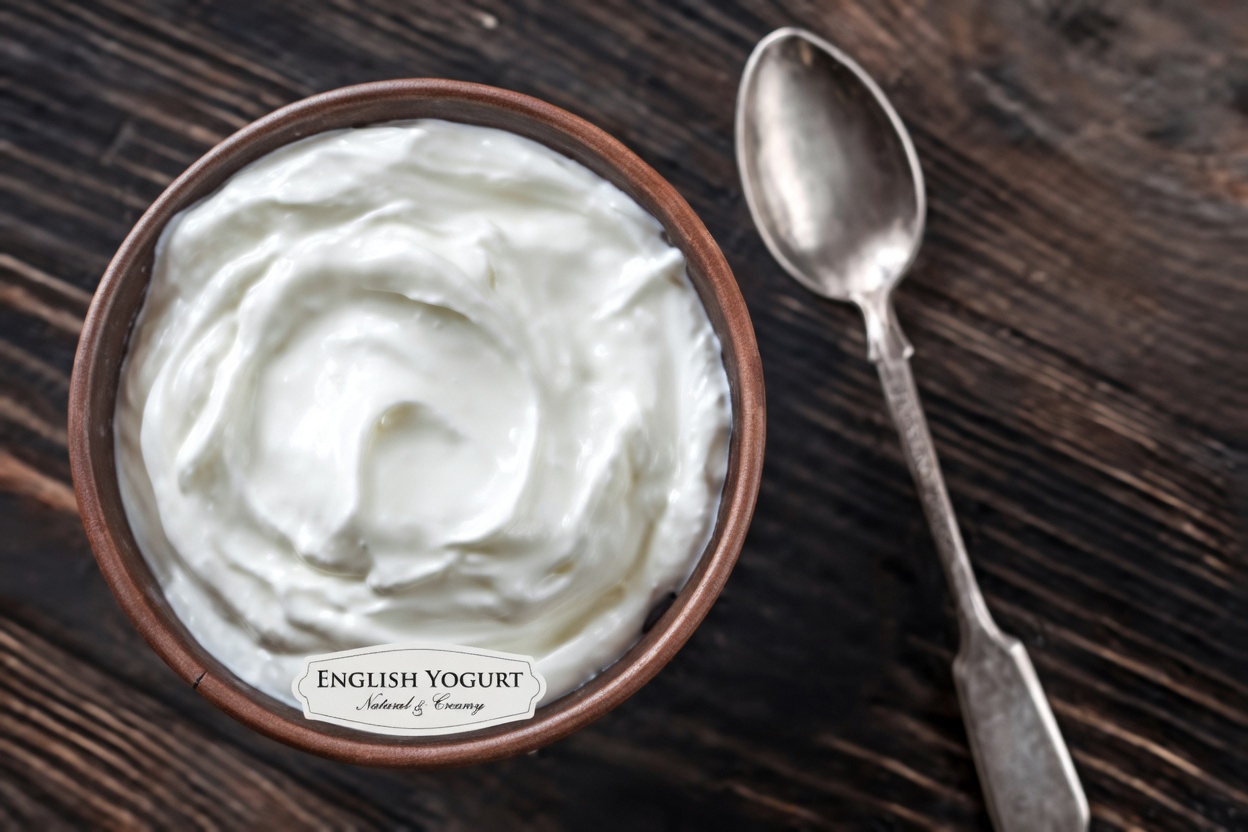
8. Yogurt
Plain yogurt is another easy addition to a senior diet. It provides potassium along with probiotics, which support digestive health and may also help reduce bloating.
Its smooth texture makes it gentle on the stomach, and it can be eaten on its own or paired with fruit for a simple breakfast or snack. Seniors who prefer soft foods often find yogurt especially convenient.
One cup of plain yogurt contains about 400 mg of potassium, making it a soothing and practical daily option.
A Simple 30-Day Plan for Adding These Foods
Building a new habit is easier when you start gradually. This gentle four-week approach helps seniors include more potassium-rich foods without feeling overwhelmed.
Week 1
Add:
- 1 banana each day
- 1 handful of spinach daily
Week 2
Continue Week 1, then include:
- Sweet potatoes in meals
- Avocado several times during the week
- Tomatoes in at least 2 meals
Week 3
Keep the previous foods and add:
- White beans
- Oranges
- Plain yogurt
Week 4
Aim to enjoy all 8 foods regularly and pay attention to how your:
- Ankles feel
- Legs feel
- Shoes fit
- Overall comfort changes through the day
This step-by-step approach keeps the routine realistic, gentle, and sustainable.
Quick Comparison Table
| Potassium-Rich Food | Potassium per Serving (Approx.) | How It May Help | Easy Senior-Friendly Way to Enjoy |
|---|---|---|---|
| Bananas | 400 mg | Supports natural fluid release | As a snack or with breakfast cereal |
| Sweet potatoes | 500+ mg | Steady, comforting support | Baked or mashed |
| Avocados | 500 mg | Adds healthy fats and anti-inflammatory support | On toast or in salads |
| Spinach | 300+ mg | Helps with daily fluid balance | In smoothies or sautéed |
| White beans | 1,000 mg | Filling, powerful potassium source | In soups or side dishes |
| Tomatoes | 300 mg | Hydrating and versatile | Fresh or cooked |
| Oranges | 250 mg | Light, refreshing support | Peeled and eaten as a snack |
| Yogurt | 400 mg | Adds probiotics and digestive support | Plain or with fruit |

Final Thoughts
Including more potassium-rich foods in daily meals gives seniors a simple, natural way to support healthy fluid balance. Over time, this may help reduce mild swelling, improve comfort, and make movement feel easier.
Many older adults who focus on these foods report feeling less puffy, more mobile, and more comfortable in daily life. By choosing easy options like bananas, sweet potatoes, spinach, white beans, and yogurt, seniors can support their bodies without major changes.
Start with one or two foods today, stay consistent, and let these potassium-rich choices become part of a daily routine for lighter, more comfortable days.