Why Drooling During Sleep Happens and What It May Be Telling You
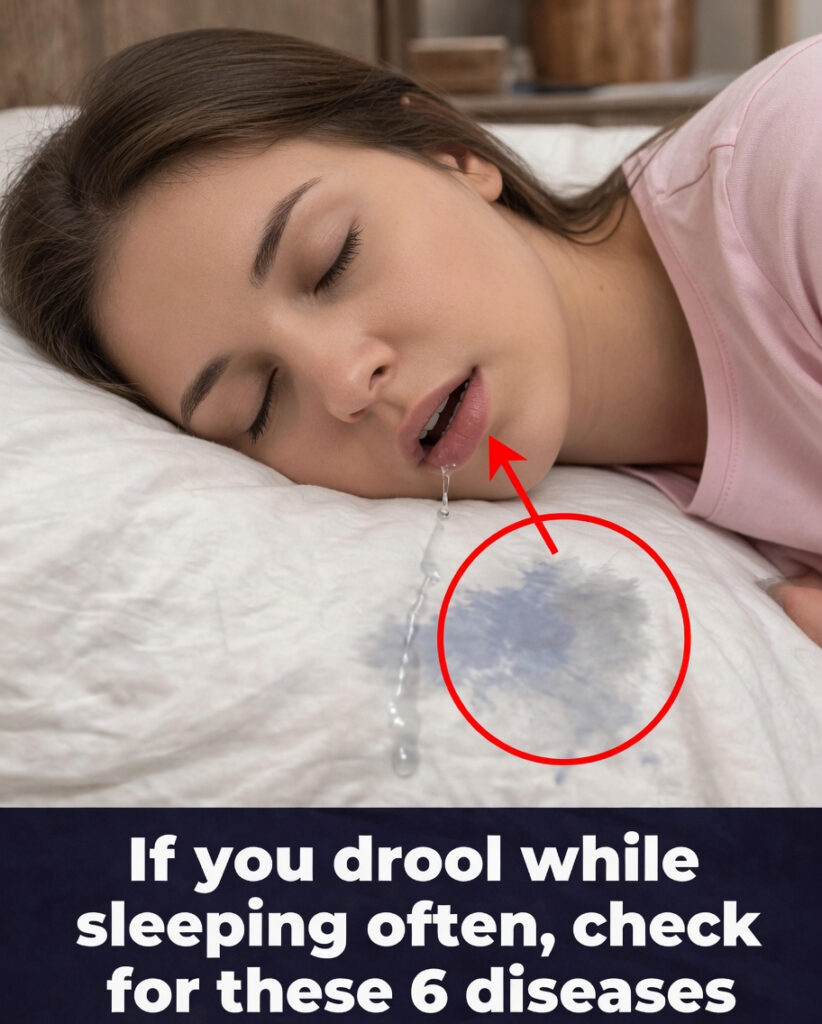
Most adults deal with drooling during sleep from time to time. Even though it is common, waking up to a damp pillow can feel awkward and may make you wonder whether it reflects poor sleep quality or a deeper health issue.
In many cases, sleep drooling is caused by simple, manageable factors such as the way you sleep or temporary nasal blockage. Still, it can also be linked to conditions that deserve medical attention. Below are the 9 most common causes of drooling while sleeping in the source article, along with what each one may mean for your health and rest.
1. Your Sleep Position May Be the Main Cause
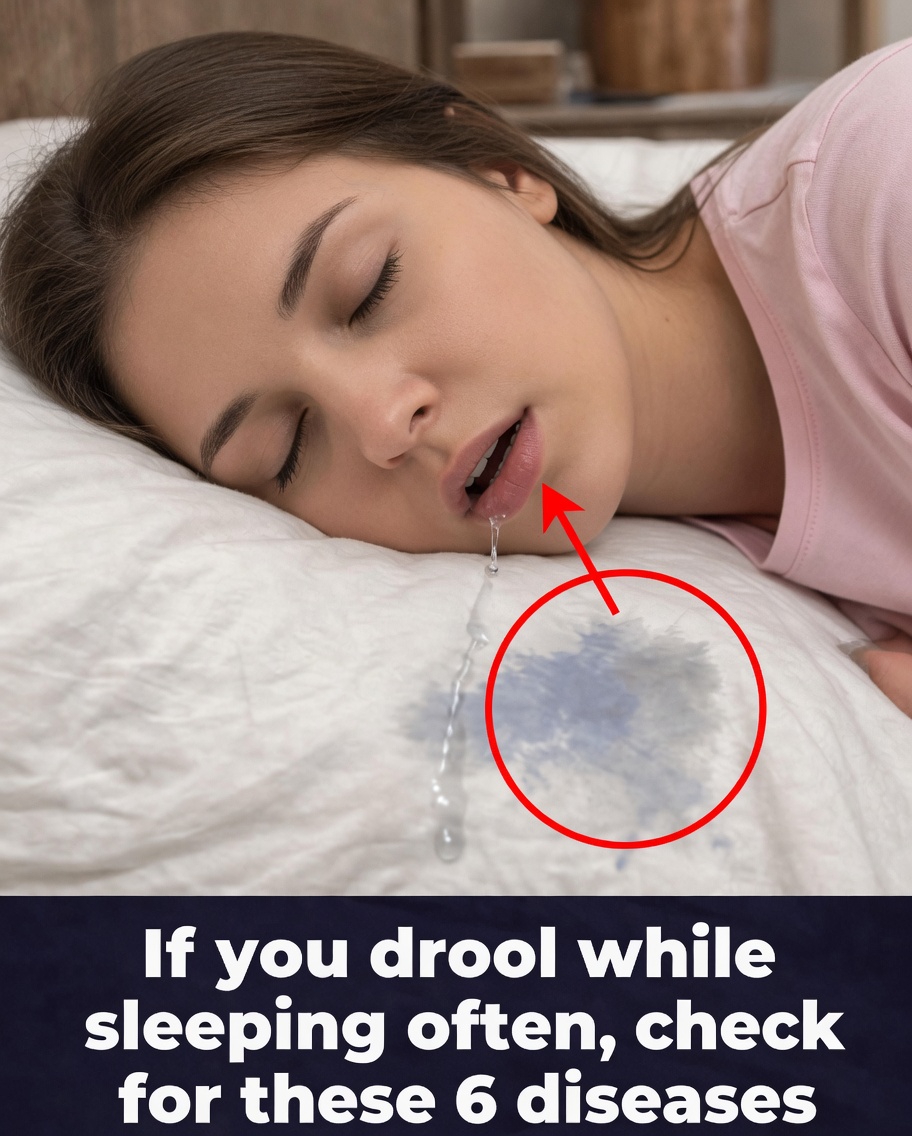
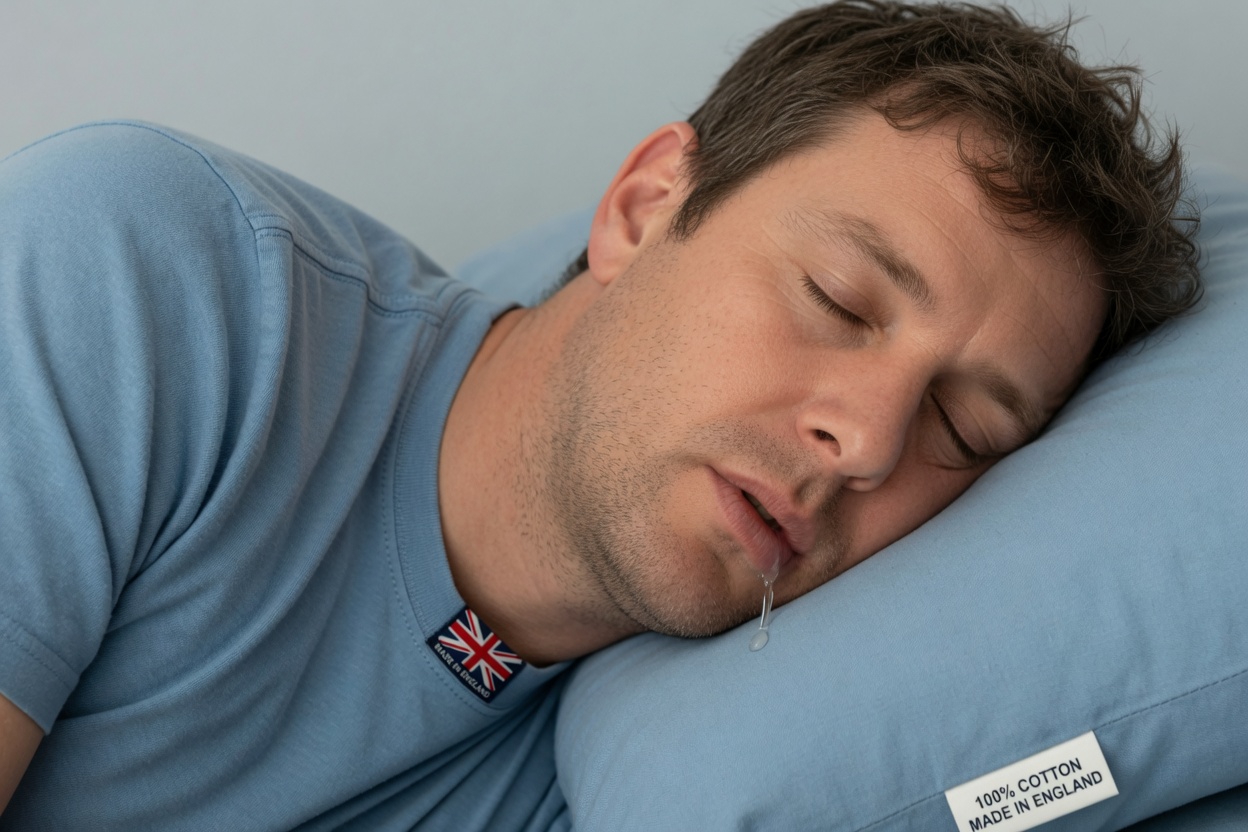
One of the most frequent reasons for drooling while sleeping is your body position in bed. People who sleep on their side or stomach are more likely to drool because gravity allows saliva to flow out more easily, especially if the mouth falls open during the night.
By contrast, sleeping on your back often helps saliva stay in the mouth and encourages more natural swallowing. For many adults, simply adjusting posture can noticeably reduce nighttime drooling.
Research also suggests that side and stomach sleeping increase the chances of drooling because the jaw relaxes more in these positions, making it easier for saliva to escape. If drooling has become more noticeable recently, even though your sleep habits seem unchanged, it may be worth looking into other contributing factors too.
How sleep position affects drooling
| Sleeping Position | Chance of Drooling | Reason |
|---|---|---|
| Back | Low | Gravity helps keep saliva in the mouth |
| Side | High | Saliva moves toward the pillow |
| Stomach | High | The mouth is more likely to stay open |
Tip: A body pillow may help you stay on your back and reduce drooling starting tonight.
2. Nasal Congestion and Allergies Can Lead to Mouth Breathing
A blocked nose from allergies, sinus irritation, or a cold often forces people to breathe through their mouth while sleeping. This can directly increase drooling at night because saliva collects and is swallowed less often.
Seasonal allergies are a common trigger. When the nasal passages are inflamed, the body shifts toward mouth breathing, and that makes saliva leakage more likely. If you often wake up with both a stuffy nose and a wet pillow, congestion may be playing a major role.
Simple ways to reduce drooling caused by congestion
- Use a saline nasal spray before bed
- Sleep with your head slightly elevated
- Take antihistamines only as advised by your doctor
For many people, these small changes improve symptoms within a few days.
3. Obstructive Sleep Apnea Is Another Possible Reason
Obstructive sleep apnea is a sleep disorder in which the airway becomes blocked repeatedly during the night. This often causes open-mouth breathing, which can increase drooling during sleep.
Sleep medicine research has linked sleep apnea to excess nighttime drooling because the body struggles to maintain airflow and normal swallowing becomes disrupted. Saliva can then pool in the mouth and leak out.
If drooling happens together with any of the following, a screening may be a smart next step:
- Loud snoring
- Gasping during sleep
- Frequent waking
- Daytime exhaustion
The good news is that proper treatment for sleep apnea can greatly reduce drooling and improve overall sleep quality.
4. GERD or Acid Reflux May Trigger Extra Saliva
Gastroesophageal reflux disease (GERD) can also contribute to drooling. When stomach acid rises into the esophagus at night, the body often responds by producing more saliva as a protective mechanism. That extra saliva may then lead to more drooling while asleep.
People with reflux often notice symptoms such as:
- Heartburn
- A sour taste in the mouth
- Throat irritation at night
Lying flat tends to make reflux worse, so nighttime drooling can sometimes be an indirect sign that acid reflux needs attention.
Helpful changes for reflux-related drooling
- Raise the head of your bed
- Avoid heavy meals late at night
- Follow your doctor’s treatment plan for GERD
5. Some Medications Can Increase Drooling
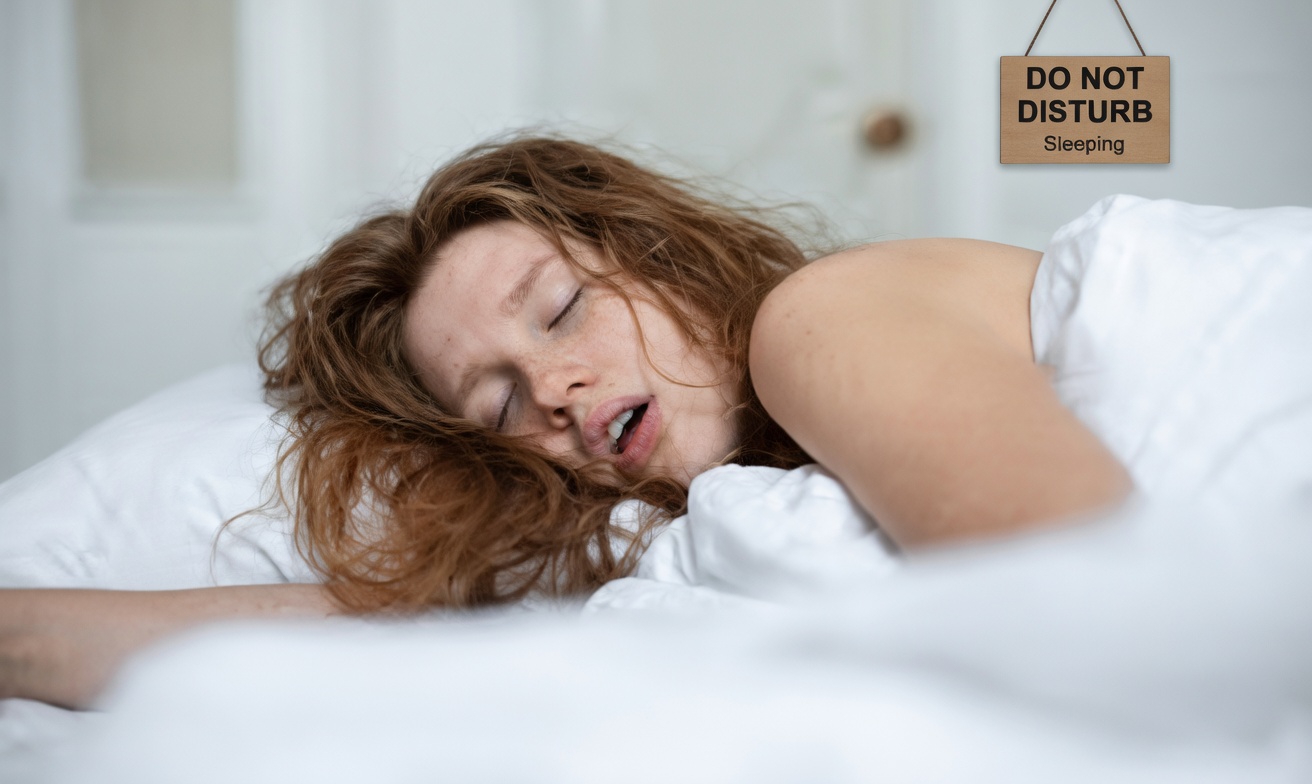
Certain prescription medications may cause excess saliva production as a side effect. This can make drooling during sleep much more obvious, especially if it started soon after beginning a new medicine.
Drugs that affect the nervous system or salivary glands are among the most common culprits. Some antidepressants and pain medications are known examples.
If your drooling began around the same time as a medication change, speak with your doctor. In some cases, adjusting the dose or changing when the medicine is taken may help.
Important: Never stop a prescribed medication without medical guidance.
6. Deep Sleep Naturally Relaxes the Face and Throat
During deeper stages of sleep, the muscles of the face and throat relax significantly. When that happens, swallowing slows down, and saliva can build up in the mouth. This makes drooling while sleeping more likely, even in otherwise healthy adults.
This natural muscle relaxation affects millions of people. It may be more noticeable in:
- Older adults
- People who sleep very deeply
- Those with irregular sleep patterns
Your body continues making saliva through the night to protect the mouth, so if swallowing decreases, drooling can happen more easily.
Habits that may help
- Stay well hydrated
- Keep a regular sleep schedule
- Monitor whether drooling worsens after unusually deep sleep
7. Dental and Oral Health Problems Can Make Drooling Worse
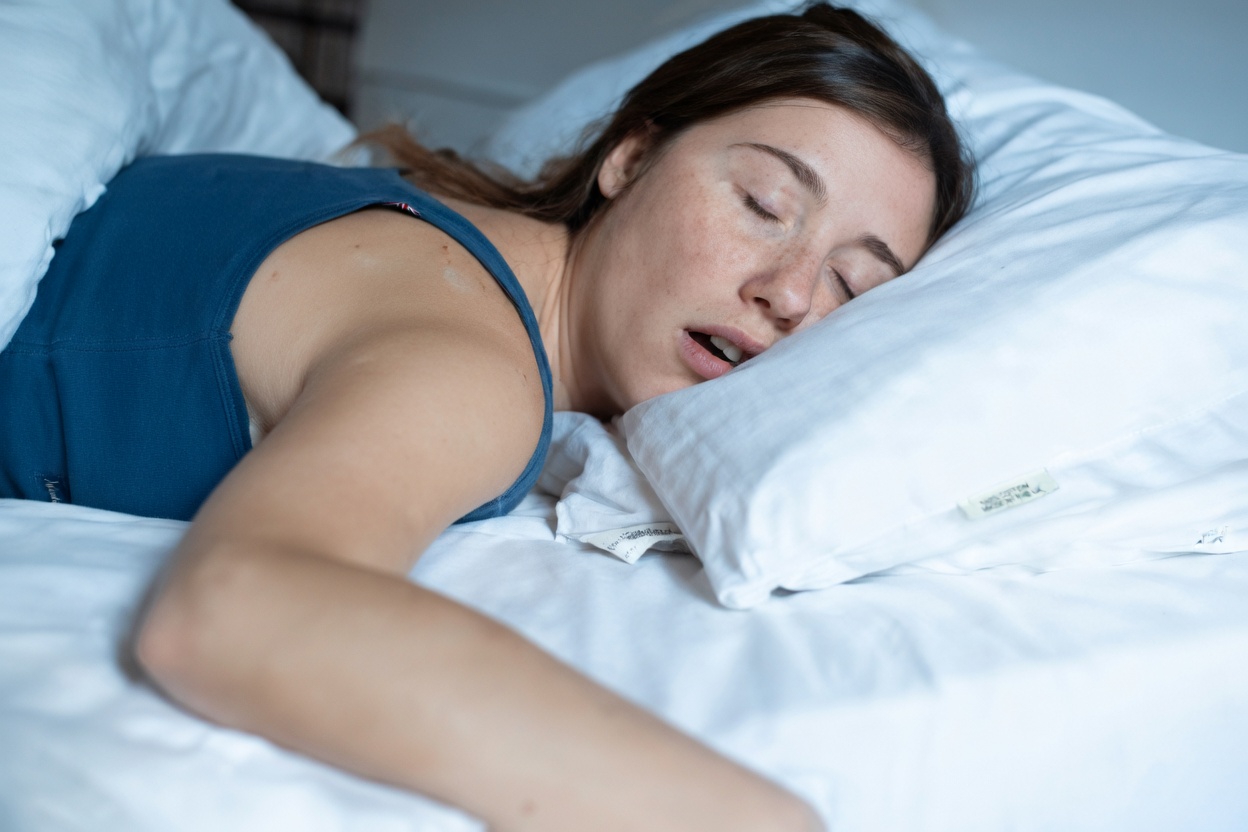
Issues inside the mouth can also contribute to nighttime drooling. Conditions such as tooth decay, gum disease, mouth sores, or oral irritation may stimulate the salivary glands and cause the body to produce more saliva.
Inflammation in the mouth often increases saliva as part of the body’s effort to protect tissues and flush away bacteria. If drooling occurs along with bad breath, gum discomfort, or tooth pain, an oral health problem could be the reason.
Signs to watch for
- Persistent bad breath
- Tooth sensitivity or pain
- Bleeding gums
- Mouth sores
Good brushing and flossing habits can help, but if symptoms are present, a dental exam is the best next step.
Tip: If drooling comes with mouth discomfort, early dental care can prevent the problem from getting worse.
8. Teeth Grinding Can Stimulate More Saliva
Bruxism, or nighttime teeth grinding, is another possible cause. Repetitive jaw movement during sleep can activate the salivary glands, leading to increased saliva production and more drooling.
Studies show that people who grind their teeth often experience both:
- Jaw tension or soreness
- Increased drooling during sleep
A custom night guard from a dentist can often reduce grinding and help control drooling at the same time. Treating bruxism early is important, since long-term grinding can damage teeth.
9. Neurological Conditions May Affect Swallowing and Saliva Control
Some neurological disorders can interfere with muscle coordination and swallowing, which may lead to more drooling during sleep. Medical research has noted this connection in conditions such as:
- Parkinson’s disease
- Recovery after stroke
- Other disorders that affect nerve and muscle control
When the nerves involved in swallowing do not work normally, saliva may not be managed effectively and can escape more easily at night.
If drooling begins suddenly and appears along with other symptoms, it should not be ignored. Changes in swallowing, speech, coordination, or facial muscle control warrant prompt medical evaluation.
When Drooling During Sleep Is Usually Harmless
In many situations, drooling while sleeping is not dangerous. It is often tied to common issues like:
- Side sleeping
- Temporary nasal congestion
- Deep sleep relaxation
- Minor oral irritation
If the problem is occasional and mild, simple home adjustments may be enough.
When You Should See a Doctor
It is a good idea to seek medical advice if drooling:
- Starts suddenly
- Becomes frequent or severe
- Happens with loud snoring or gasping
- Appears along with reflux symptoms
- Is linked to trouble swallowing, speech changes, or neurological symptoms
- Began after starting a new medication
Final Thoughts
Although drooling during sleep can feel embarrassing, it is usually caused by manageable factors rather than anything serious. Your sleep position, allergies, reflux, medications, deep sleep, oral health, teeth grinding, and even sleep apnea can all play a role.
Understanding the cause is the first step toward better sleep and better health. In many cases, a few simple changes can make a big difference. And when drooling points to an underlying condition, catching it early can help you get the right treatment sooner.