
A Simple Guide to Choosing Protein for Kidney Patients
Have you ever opened the fridge and wondered which proteins for kidney patients are actually safe to eat? If your kidneys are already under stress, even planning a meal can feel confusing. One person says to eat more protein, another says to cut back, and before long, every plate feels like a difficult decision.
If that sounds familiar, you are not alone. Many people living with kidney issues feel the same uncertainty around food. The good news is that learning which proteins for kidney patients are generally easier on the kidneys can make daily meals much less stressful. With the right approach, you can support your body without feeling overwhelmed every time you eat.

Why Protein Choice Matters for Kidney Health
Your kidneys are always working to remove waste and help maintain the right balance of minerals in the body. After protein is digested, waste byproducts are produced, and the kidneys help clear them out. When kidney function is reduced, some types of proteins for kidney patients may create more strain than others.
At the same time, protein is still important. It helps maintain muscle, supports immune function, and provides energy. That is why the goal is not always to avoid protein completely, but to choose it more carefully. Understanding the difference between kidney-friendly options and heavier choices can help you feel more confident at mealtime.
Research suggests that a moderate intake and smarter protein selection may help reduce daily discomfort and ease the workload on the kidneys.
6 Proteins for Kidney Patients That Are Often Limited
Some protein sources are more difficult for the kidneys because they come with extra sodium, preservatives, additives, or a higher waste load. These are commonly the proteins for kidney patients that healthcare professionals recommend limiting.
-
Salty cured meats
- Bacon, ham, and deli meats are often very high in sodium and preservatives.
- They may contribute to fluid retention and place extra pressure on the kidneys.
-
Processed protein snacks
- Protein bars, jerky, and similar packaged snacks often contain phosphorus additives.
- These additives can be harder for compromised kidneys to handle.
-
Large amounts of red meat
- Red meat can generate more metabolic waste after digestion.
- Many kidney patients do better when they eat it less often or in smaller portions.
-
Sausages and hot dogs
- These combine heavy protein content with high sodium and preservatives.
- That combination can make them especially demanding on kidney function.
-
Protein powders
- Some powders provide a very concentrated dose of protein in a single serving.
- They may also include additives that are not ideal for kidney patients.
-
Organ meats
- Liver and similar meats are high in purines.
- This may increase waste buildup in the body.

Quick Comparison: Better Choices vs. Foods to Limit
| Proteins for Kidney Patients to Choose More Often | Proteins for Kidney Patients to Limit or Avoid |
|---|---|
| Egg whites – lower in phosphorus and easy to digest | Salty cured meats – high in sodium |
| White fish such as cod or tilapia – lean and mild | Processed protein snacks – often contain phosphorus additives |
| Tofu – plant-based and may create a lower acid load | Red meat in excess – may produce more waste |
| Skinless poultry – lean and flexible for many meals | Sausages and hot dogs – high in sodium and preservatives |
| Protein powders – concentrated protein with possible additives | |
| Organ meats – high in purines |
This chart offers a fast way to remember which proteins for kidney patients are usually the better everyday options.
4 Proteins for Kidney Patients That Dietitians Often Recommend
Certain protein sources are commonly suggested because they provide nutrition without the same level of burden as heavier or processed choices.
1. Egg Whites
Egg whites are often considered one of the best proteins for kidney patients. They provide high-quality protein while being naturally lower in phosphorus than many other animal proteins. Many people also find them light and easy to digest.
2. White Fish
Fish such as cod and tilapia are lean and mild, making them popular proteins for kidney patients. They contain beneficial amino acids and may be easier for the body to process than fattier or heavier meats.
3. Tofu
Tofu is a practical plant-based option among proteins for kidney patients. It offers satisfying protein and may create a lower acid load, which some people with kidney concerns find helpful.
4. Skinless Poultry
Chicken breast and other skinless poultry options are lean, versatile, and simple to prepare. When cooked without too much salt or added fat, they can be a smart addition to a kidney-conscious meal plan.

Easy Ways to Include These Proteins in Daily Meals
Adding better proteins for kidney patients to your routine does not need to be complicated. Small changes can make meal planning much easier.
- Breakfast: Try scrambled egg whites for a light, simple start to the day.
- Lunch: Bake white fish and season it with lemon and low-sodium herbs for flavor.
- Dinner: Roast or grill tofu cubes with mild seasonings for a satisfying plant-based meal.
- Another dinner option: Use small portions of skinless chicken, cooked without extra salt, to keep meals kidney-friendly.
It can also help to pay attention to how you feel after eating. Some people notice certain proteins sit better than others. Portion size matters too, so it is wise to make adjustments with guidance from a registered dietitian or doctor.
What Research Continues to Show
Current science suggests that both the type and amount of proteins for kidney patients can affect kidney workload and overall comfort. Choosing more of the four gentler options listed above while reducing the six heavier ones may support a more balanced eating pattern.
If you want a simple place to start, try changing just one meal tomorrow. Swap a higher-burden protein for egg whites, white fish, tofu, or skinless poultry and see how your body feels.
One of the easiest first steps many people notice quickly is replacing one heavier protein meal with egg whites or white fish. By the end of the day, that single change may leave you feeling lighter and more comfortable.
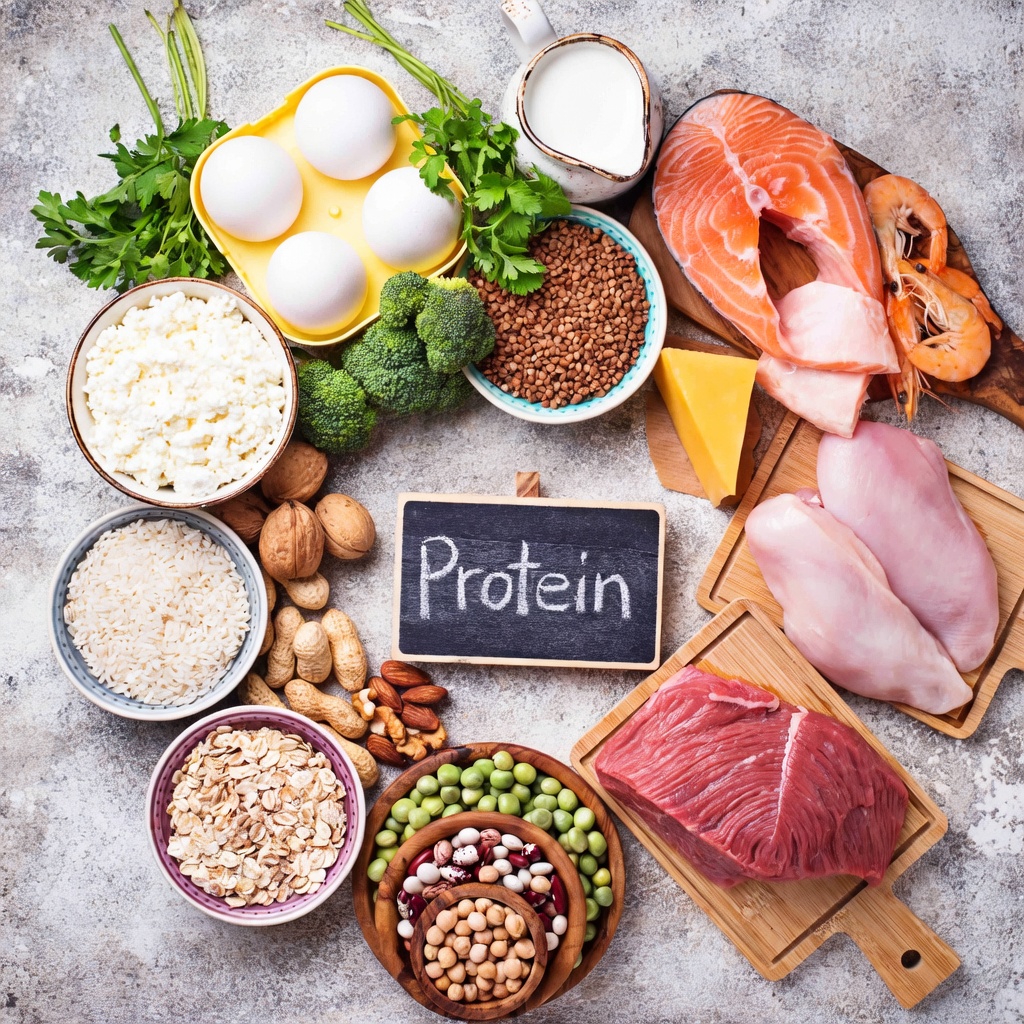
Frequently Asked Questions
1. Can kidney patients still eat protein?
Yes. Most kidney patients still need some protein to support muscle health, energy, and immune function. The key is choosing appropriate proteins for kidney patients and eating the right amount based on individual needs. Always follow the plan given by your doctor or dietitian.
2. Are plant-based proteins always better for kidney patients?
Not always, but many people do well with options like tofu. The best proteins for kidney patients depend on your kidney function, lab results, and overall health status. Your healthcare team can help determine what is most suitable for you.
3. How much protein is safe each day?
There is no single answer for everyone. The safe amount of proteins for kidney patients varies depending on the stage of kidney disease, body size, and medical condition. A dietitian can help you find the right balance between meeting your nutritional needs and avoiding extra strain on the kidneys.
Important Disclaimer
This article is intended for educational purposes only and should not be taken as medical advice. Always speak with your doctor or a registered dietitian before making changes to the proteins for kidney patients in your diet, especially if you have chronic kidney disease, are receiving dialysis, or are taking prescription medications.
Join the Conversation
Which of these proteins for kidney patients surprised you the most? Share a number from 1 to 10 in the comments, and if you’d like, mention your age range and where you are reading from. Your experience could help another kidney patient feel more confident about their next meal.