
Soursop Leaves: 10 Evidence-Inspired Wellness Benefits to Know
Many adults in midlife struggle with ongoing tiredness while also worrying about family health patterns. That combination can make everyday life feel heavier than it should. At the same time, the internet is crowded with conflicting wellness advice, leaving people unsure which natural options are worth exploring.
One plant that continues to attract attention is the soursop leaf. Long used in traditional tropical practices, it is now being discussed more widely as a gentle addition to a wellness routine. But can this simple leaf really offer meaningful support? Current research is still early, yet the topic is compelling enough to deserve a closer, more balanced look.
This countdown explores the most talked-about potential wellness properties of soursop leaves—without exaggerated claims and without replacing medical guidance.
Why Soursop Leaves Are Drawing Global Interest
Soursop leaves have gained attention across the world, especially among people over 45 who are looking for natural ways to support energy, resilience, and general well-being. In many tropical cultures, the leaves are commonly steeped into tea and valued for their calming, traditional use.
Researchers are also interested in the plant because soursop leaves contain bioactive compounds, including annonaceous acetogenins, polyphenols, and vitamin C. Early laboratory findings suggest these substances may have multiple biological effects. Still, it is important to remember that soursop leaves are not a substitute for established medical care.

10 Potential Wellness Benefits of Soursop Leaves
10. Antioxidant Support for Everyday Vitality
Soursop leaves contain antioxidants such as vitamin C and polyphenols, which may help the body manage oxidative stress. Since oxidative stress is often linked to fatigue and cellular wear, this antioxidant content is one reason many people consider soursop leaf tea as part of a daily routine.
Preliminary studies suggest these compounds may help support cell health in laboratory settings. For those feeling run down during midlife, that antioxidant profile is one of the leaf’s most appealing qualities.
9. Possible Immune System Support
Early lab research suggests that soursop leaves may influence immune activity. Some studies indicate the plant’s compounds could help regulate inflammatory signaling molecules such as cytokines.
For adults who want to strengthen their wellness habits during seasonal changes or periods of stress, this has made soursop leaves a topic of growing interest. While the evidence is still early, the idea of gentle immune support is part of what keeps this plant in the spotlight.
8. May Help Calm Inflammation
Inflammation is often a hidden factor behind occasional aches, stiffness, and discomfort. In vitro and animal research has suggested that soursop leaves may have anti-inflammatory properties, possibly linked to acetogenins and other plant compounds.
People dealing with minor physical discomfort often look to traditional herbs for support, and this is one reason soursop leaves continue to be explored. The research is not conclusive, but the traditional use and early findings are noteworthy.

7. Traditionally Used for Digestive Comfort
In folk wellness traditions, soursop leaves have been used to ease occasional stomach discomfort. This traditional role has made them especially interesting to people who deal with bloating or digestive unease after meals.
Some laboratory studies also suggest that soursop leaf extracts may have mild antimicrobial activity, which may help explain their long-standing use in digestive rituals. While more research is needed, digestive comfort remains one of the most recognized traditional uses.
6. May Support Energy and Mood Indirectly
Although soursop leaves are not a stimulant, their antioxidant profile may indirectly support a better sense of vitality. Some people who use soursop leaf tea describe feeling more refreshed, focused, or mentally clear.
At this stage, the science behind mood or energy effects is still limited, and much of the discussion remains anecdotal. Even so, for those experiencing age-related fatigue, the leaf is often seen as a calming and supportive addition rather than a dramatic fix.
5. Laboratory Activity Against Certain Bacteria
Another reason soursop leaves have attracted interest is their antibacterial activity in laboratory tests. Controlled studies have shown effects against selected bacterial strains, suggesting the plant contains compounds with protective potential.
This does not mean soursop leaves can treat infections, but it does help explain why they are often discussed in broader natural wellness conversations. Their role appears supportive rather than curative.
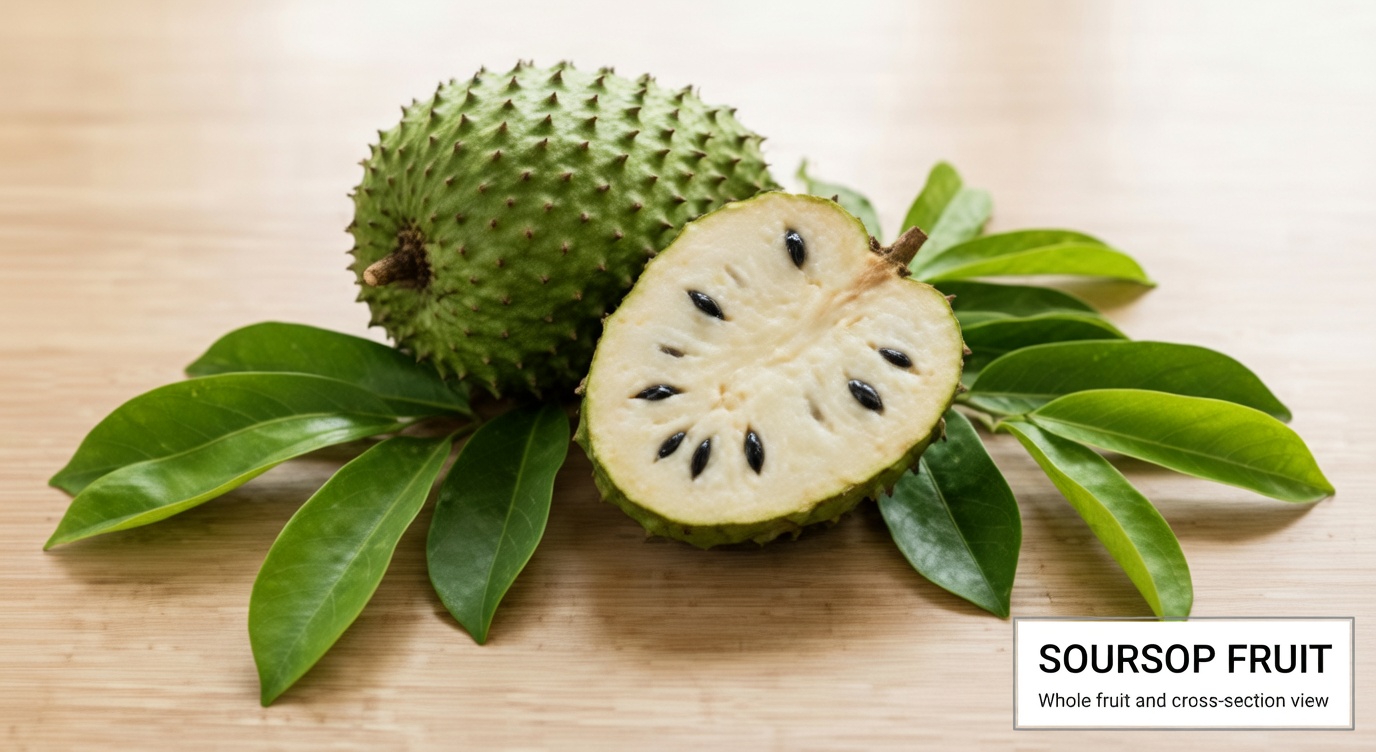
4. Early Signs of Antiparasitic Potential
In some tropical regions, soursop leaves have historically been used in ways that align with parasite-related wellness traditions. Preliminary testing has shown that certain compounds in the leaves may interfere with parasites under controlled conditions.
This area of research is still emerging, but it adds another layer to why soursop leaves remain relevant in both traditional and modern wellness discussions.
3. Potential Cellular Protection in Lab Studies
One of the most talked-about research areas involves how soursop leaf extracts behave in laboratory studies involving cell lines. Scientists have observed selective effects in test-tube models, including breast, lung, and prostate cell research.
These results are scientifically interesting, but they should be interpreted with caution. Lab findings do not equal proven human benefit, and no one should view soursop leaves as a cancer treatment. Still, the cellular activity seen in research continues to spark curiosity.
2. Emerging Research on Tumor Cell Growth Inhibition
Several reviews of early laboratory work suggest that soursop leaves may help slow the growth of certain tumor-related cell models, including pancreatic and colorectal lines, in dose-dependent conditions.
This research remains preliminary and belongs firmly in the experimental category. Even so, it is one of the key reasons soursop leaves are discussed so widely in natural health circles.
1. The Biggest Topic: Anticancer Interest
The strongest buzz around soursop leaves centers on their possible anticancer potential in laboratory settings. Studies have shown notable effects against different cell lines in culture, which has fueled many online claims.
However, the most important fact is this: there is no human evidence proving soursop leaves can treat cancer. Experts emphasize that, at best, they may be explored as a complementary wellness topic alongside proper medical care. Natural remedies can support a healthy lifestyle, but they should never replace diagnosis, treatment, or professional advice.
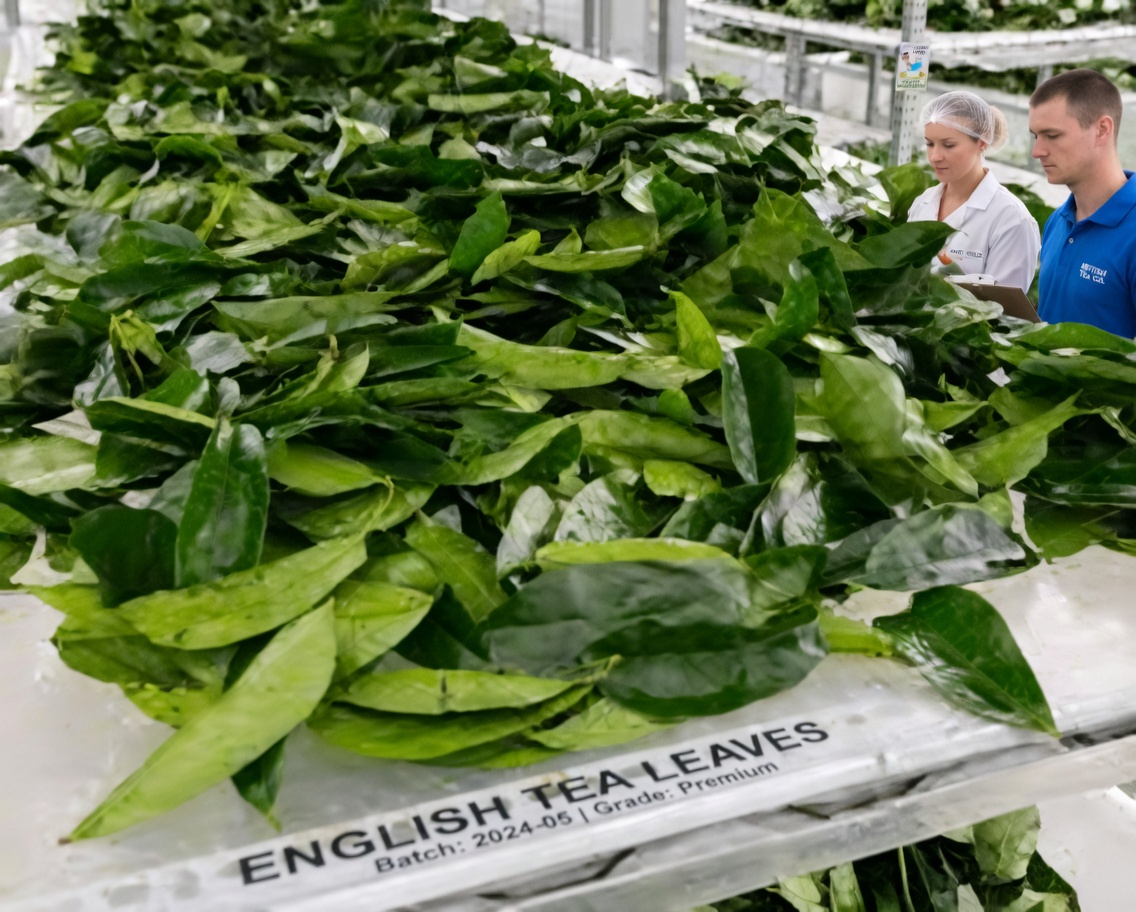
Key Compounds Found in Soursop
| Part | Key Compounds | Potential Studied Benefit |
|---|---|---|
| Leaves | Acetogenins | Cellular activity in lab research |
| Fruit | Vitamin C, Fiber | Antioxidant and nutritional support |
| Leaf Tea | Polyphenols | Immune-related support |
| Extract | Annonacin | Anti-inflammatory signals in early studies |
This overview helps explain why soursop leaves often receive so much attention in wellness conversations.
How to Use Soursop Leaves Mindfully
If you want to explore soursop leaves, start slowly and pay attention to how your body responds. A common traditional method is to brew 1 to 2 dried leaves in hot water for about 10 minutes, creating a mild herbal tea with an earthy flavor.
Many people enjoy the tea as part of a calming daily ritual. Still, quality matters. Choose clean, reputable sources, and avoid overuse.
Simple Ways to Try Soursop Leaves
- Tea: Drink 1 cup daily using fresh or dried leaves.
- Fresh leaves: Lightly boiled in water, but avoid use during pregnancy unless a healthcare professional approves it.
- Supplements: Follow the product label carefully if using extracts or capsules.
Important Safety Notes
- Watch for side effects such as nausea or stomach discomfort.
- Long-term or excessive use may raise concerns because of annonacin, a compound associated with possible nerve-related risks.
- Speak with a healthcare professional before using soursop leaves if you:
- have a medical condition
- take prescription medications
- are pregnant or breastfeeding
- are managing chronic health concerns
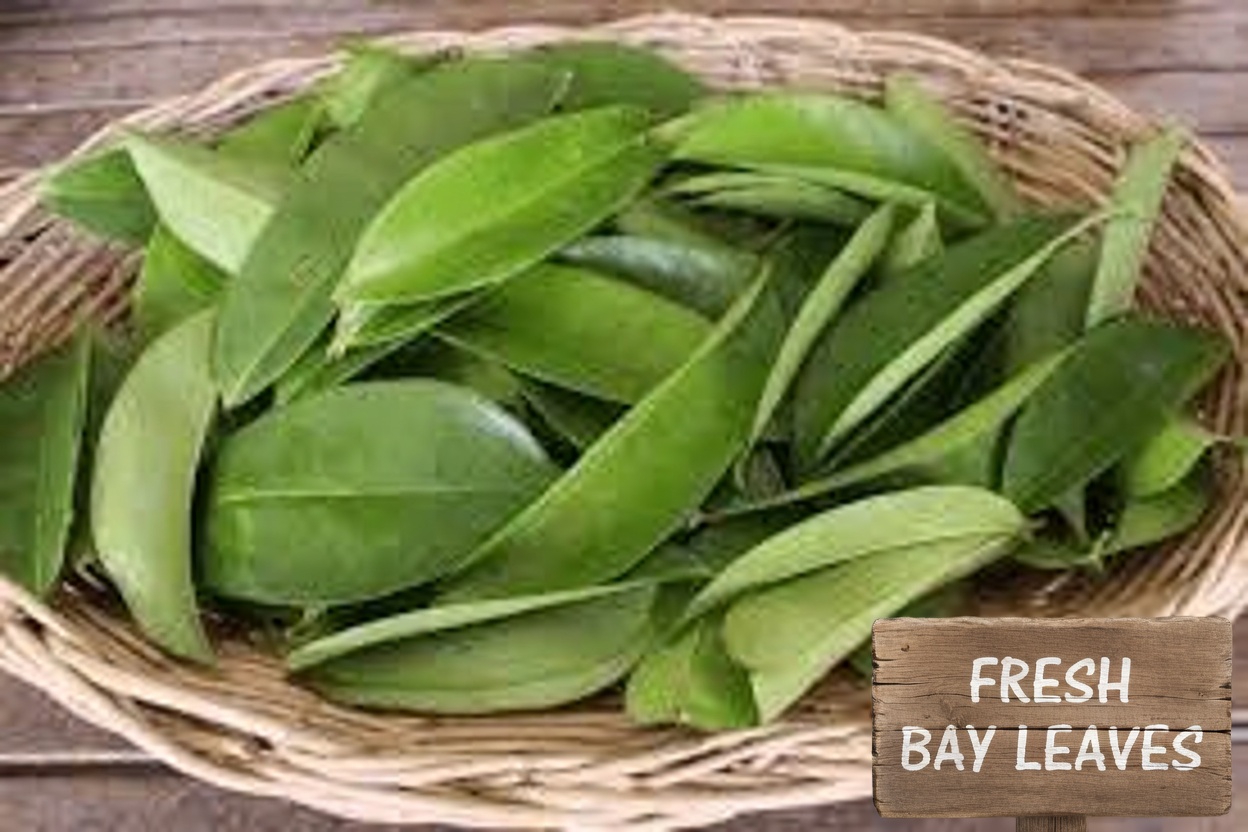
Practical Ways to Add Soursop Leaves to a Balanced Routine
If you are curious about trying soursop leaves, keep the approach simple and realistic:
-
Reflect on your goal
- Are you looking for more antioxidant variety?
- Do you want a calming herbal tea ritual?
-
Test gently
- Try soursop leaf tea for one week.
- Note any subtle changes in comfort, mood, or routine.
-
Pair with healthy habits
- Eat more vegetables and whole foods.
- Stay hydrated.
- Use herbs as support, not as a standalone solution.
Research consistently points to the same conclusion: soursop leaves may complement a wellness plan, but they should not replace proven care.
Final Thoughts on Soursop Leaves
Soursop leaves continue to attract attention because of their antioxidant content, traditional uses, immune-related interest, and intriguing laboratory findings. For adults over 45 who are dealing with fatigue or thinking more seriously about long-term wellness, they may be worth exploring carefully and thoughtfully.
The best approach is informed curiosity. Learn the facts, keep expectations realistic, and involve a qualified healthcare professional when needed. When used responsibly, soursop leaves may serve as one small part of a broader, balanced wellness lifestyle.
FAQ About Soursop Leaves
1. How do I prepare soursop leaf tea?
Steep 1 to 2 dried soursop leaves in hot water for about 10 minutes. Strain and drink warm.
2. Can soursop leaves cure cancer?
No. Current evidence does not show that soursop leaves can treat or cure cancer in humans. Existing findings are limited to early laboratory research.
3. Are soursop leaves safe for daily use?
Some people use them daily in small amounts, but long-term heavy use may not be advisable. It is best to use them cautiously and speak with a healthcare professional.
4. What are the main active compounds in soursop leaves?
Commonly discussed compounds include acetogenins, polyphenols, and annonacin.
5. Who should avoid soursop leaves?
People who are pregnant, breastfeeding, taking medication, or living with chronic health conditions should consult a healthcare provider before use.