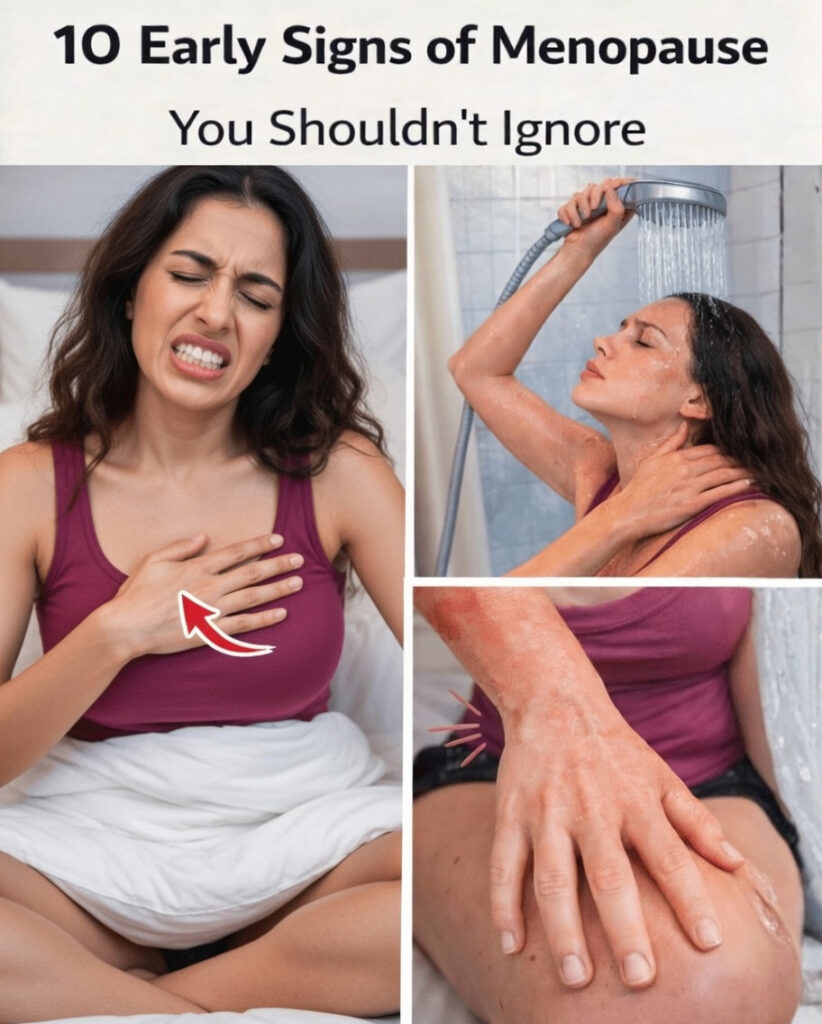
10 Early Signs of Menopause Every Woman Should Know
Many women in their 40s suddenly notice that their bodies no longer feel quite the same. Unexpected sweating, broken sleep, and shifts in energy can interrupt daily life and make familiar routines feel harder to manage. These changes may bring frustration, exhaustion, and uncertainty, especially when they begin affecting work, family time, or overall wellbeing.
The encouraging part is this: when you recognize the signs early, the transition can feel far less confusing and much easier to handle. There is also one lesser-known symptom that many women overlook at first, even though it can be an important clue.
Why These Changes Begin
During perimenopause, the stage leading up to menopause, hormone levels such as estrogen and progesterone start rising and falling unevenly. According to information from the Mayo Clinic, this process can begin for some women in their mid-30s, though it becomes more noticeable in the 40s. It is not an overnight event but a gradual biological transition.
Specialists at Cleveland Clinic emphasize that understanding these hormonal patterns can help women feel informed rather than caught off guard. Once you know what to watch for, it becomes easier to connect the symptoms.
1. Irregular Periods
A changing menstrual cycle is often one of the earliest signs. Your period may arrive sooner than expected, show up later, or vary significantly in heaviness from month to month. One cycle may be light, while the next feels much heavier than usual.
Research highlighted by the Mayo Clinic explains that ovulation becomes less predictable during this stage, which affects the normal rhythm of your cycle. If your period length regularly changes by a week or more, that can be an early signal of perimenopause.
2. Hot Flashes
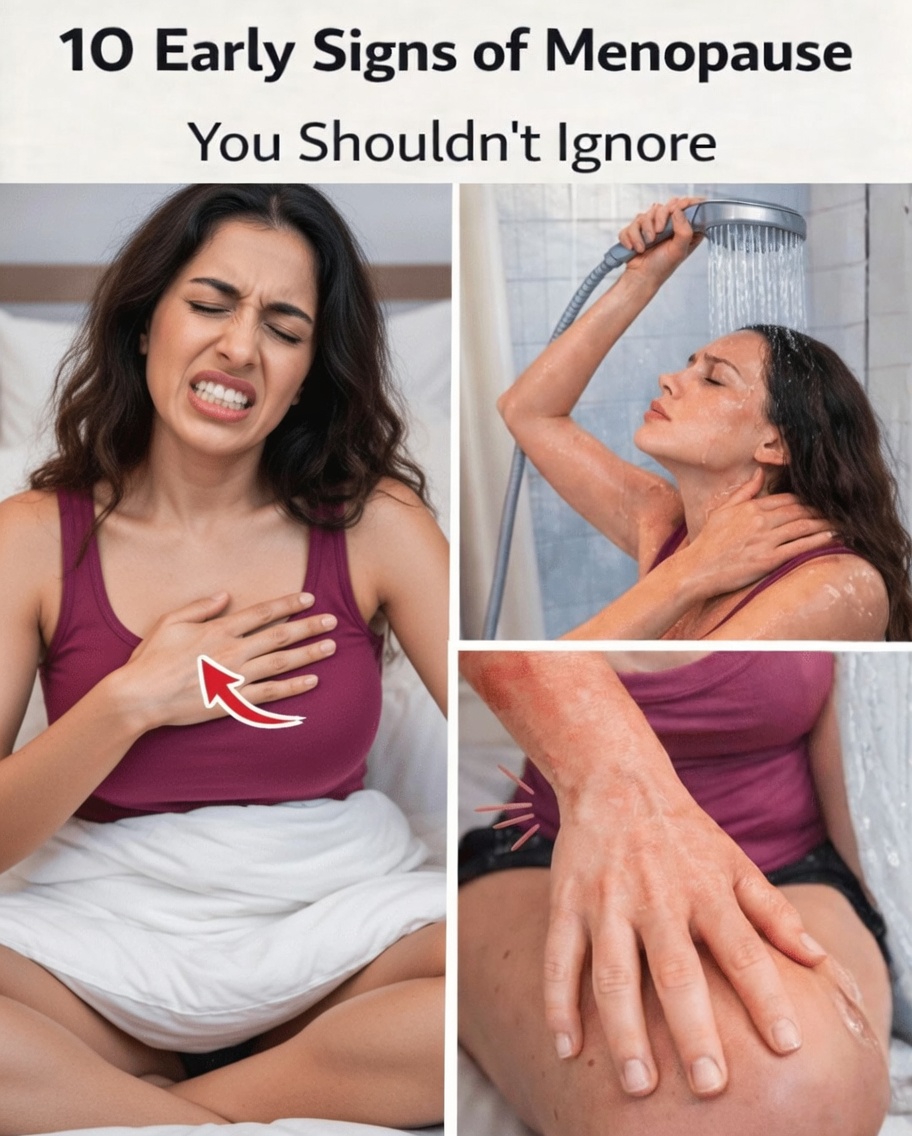
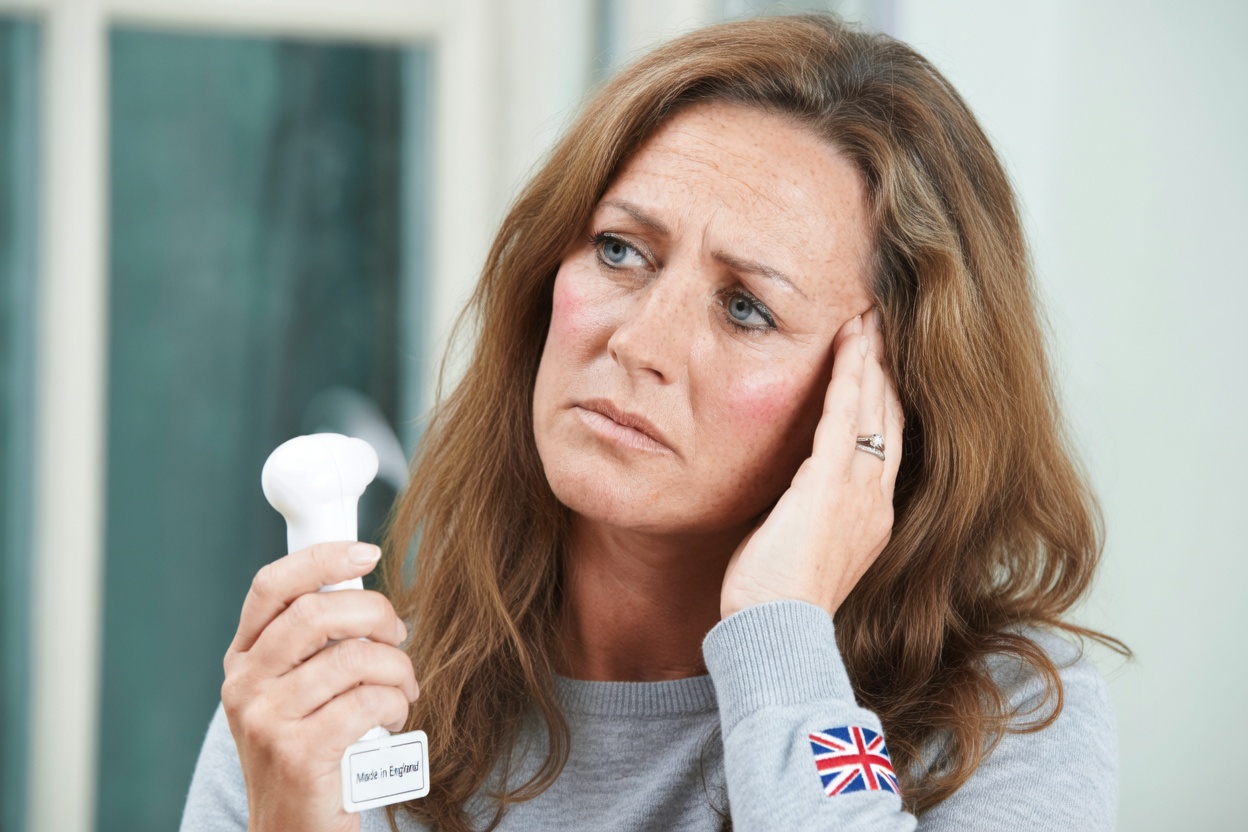
A sudden rush of heat across the face, neck, or chest is one of the best-known menopause symptoms. These episodes can happen during the day, often without much warning, and may leave you flushed and sweating.
Harvard Health reports that these vasomotor symptoms affect up to 80% of women during perimenopause. A hot flash may last only a few seconds or continue for several minutes.
3. Night Sweats
Night sweats are similar to hot flashes, except they happen while you are sleeping. Some women wake up damp, overheated, or even drenched enough to need fresh clothes or bedding.
The North American Menopause Society links these sleep-disrupting episodes to declining estrogen levels. Because they interrupt rest, night sweats often lead to tired mornings and lower energy during the day.
4. Sleep Problems
Even in the absence of night sweats, sleep can become more difficult during perimenopause. You may struggle to fall asleep, wake up several times overnight, or feel as if your mind stays active when you want to rest.
Cleveland Clinic reports that sleep difficulties affect nearly half of women during this phase. What used to be a full, refreshing night of sleep may become irregular and fragmented.
5. Mood Swings and Irritability
Emotional changes are also common. You may feel calm one day and unusually sensitive, irritable, or low the next. Anxiety and mood swings can seem to appear out of nowhere.
Hormonal fluctuations influence brain chemicals such as serotonin, which helps explain why emotional shifts often happen alongside physical symptoms. UCLA Health notes that these changes can be surprising, but they are a recognized part of the perimenopausal transition.
6. Vaginal Dryness and Discomfort
Lower estrogen levels can reduce natural lubrication, which may lead to vaginal dryness or discomfort. Intimacy may feel different, and some women also notice irritation during everyday activities.
WebMD notes that this symptom may also appear with urinary changes, making exercise or daily movement less comfortable than before.
7. Changes in Sex Drive
A lower interest in sex can happen during perimenopause as well. This may be related to physical discomfort, but it is not only about hormones. Fatigue, poor sleep, and mood changes can all contribute.
Cleveland Clinic points out that reduced libido is common during this stage, although experiences vary greatly from one woman to another.
8. Brain Fog and Fatigue
If you are misplacing things more often, forgetting details, or finding it harder to focus, you are not imagining it. Many women describe a sense of mental cloudiness during perimenopause.
Harvard Health explains that brain fog can include trouble recalling words, staying focused, or remembering tasks. Combined with ongoing tiredness and poor sleep, it can make daily life feel more demanding.
9. Skin Changes and Tingling Sensations
This is one of the more subtle signs that often goes unnoticed at first. Some women develop drier skin, increased sensitivity, itching, or a tingling, pins-and-needles feeling in the arms or hands.
Estrogen plays a role in supporting skin moisture and nerve function, which helps explain these changes. UCLA Health identifies skin dryness and sensitivity as symptoms that are easy to miss but fairly common.
10. Weight Gain and a Slower Metabolism
Even if your eating habits and activity level stay about the same, you may notice gradual weight gain, especially around the abdomen. Hormonal shifts can affect both metabolism and the way the body stores fat.
Research from the National Institutes of Health confirms that weight changes are a common experience during the menopause transition.
The Often Overlooked Sign That Connects the Dots
In addition to the more familiar symptoms, many women also report joint pain, heart palpitations, or new headaches. At first, these may seem unrelated. However, they can be part of the same broader hormonal picture.
One of the easiest symptoms to dismiss is the tingling or increased sensitivity in the skin. Yet for many women, this less obvious change is what finally helps them realize that the other symptoms are connected.
Daily Habits That Can Help Right Now
You do not need complicated solutions to begin feeling better. Small, practical habits can make a meaningful difference.
- Keep a simple symptom journal or use an app to track patterns and share them with your healthcare provider.
- Wear lightweight layers and keep a fan nearby to manage sudden heat.
- Create a cool, dark, consistent sleep environment to support better rest.
- Stay active with gentle movement such as walking, stretching, or yoga.
- Drink enough water and choose balanced meals with protein and fiber.
- Practice slow breathing or relaxation techniques when stress rises.
Research suggests that consistent lifestyle habits can reduce the intensity of many symptoms, even if they do not eliminate them completely.
Common Symptoms vs. Less Discussed Symptoms
Some menopause signs are widely recognized, while others are easier to overlook.
More Commonly Recognized
- Hot flashes
- Night sweats
- Irregular periods
Less Commonly Discussed
- Tingling or sensitive skin
- Brain fog
- Unexpected weight changes
Helpful Habits vs. Unhelpful Habits
Certain daily choices may support you more than others during this transition.
Habits That May Help
- Drinking enough water
- Eating regular, balanced meals
- Including protein and fiber in your diet
- Practicing deep breathing
- Following a steady sleep routine
Habits That May Make Symptoms Worse
- Skipping meals
- Relying on caffeine late in the day
- Ignoring signs of fatigue
- Letting sleep schedules vary too much
Easy Tips to Try This Week
Starting small is often the best way to build lasting routines.
- For hot flashes or sweating, keep a chilled cloth in the refrigerator for fast relief.
- If brain fog is affecting your work or daily tasks, use phone reminders and focus on one priority at a time.
- For mood and energy support, take a short walk outdoors each day in natural daylight.
- If dry or tingling skin is bothering you, switch to a gentle, fragrance-free moisturizer.
- Stay hydrated throughout the day, especially if night sweats leave you feeling depleted.
These are realistic steps that fit into everyday life and may help you feel more comfortable.
Final Thoughts
Recognizing the early signs of menopause can help you move through this stage with more confidence and less confusion. Every woman’s experience is different, but understanding the common symptoms can make the process feel more manageable.
And that overlooked clue mentioned earlier? For many women, it is the tingling, dryness, or unusual sensitivity in the skin that finally makes the bigger picture clear.
Frequently Asked Questions
How can I tell whether these symptoms are early menopause or something else?
Early menopause refers to menopause that happens before age 45. If you notice cycle changes and several of the symptoms above, it is a good idea to track them and speak with a healthcare provider. They can help determine whether perimenopause is the cause or whether another condition should be considered.
When should I speak with a doctor?
You should talk to a doctor if your symptoms are disrupting sleep, daily activities, mood, work, or relationships. It is also important to seek medical advice if bleeding becomes unusually heavy, periods become very irregular, or you notice symptoms such as frequent palpitations, severe headaches, or persistent pain. Early guidance can help you find the right support.