Low-Impact Exercises for Seniors: Smarter Alternatives to Walking After 60
Many adults in their 60s and older find that walking no longer feels as easy as it once did. Aching joints, reduced stability, or everyday tiredness can make a routine walk feel more demanding and, at times, discouraging. As movement becomes less comfortable, activity levels may drop, which can affect energy, independence, and overall quality of life.
Fortunately, there are gentle, low-impact exercises that orthopedic experts often recommend to help support mobility, strength, and confidence while placing less strain on the body. Even better, these alternatives can offer benefits that walking alone may not provide, helping older adults feel more stable, capable, and physically resilient.
Why Walking Is Not Always the Best Fit After 60
Walking remains one of the most accessible forms of exercise and is well known for supporting heart health. Still, it is not ideal for everyone. For some people over 60, repeated impact from sidewalks, pavement, or other hard surfaces may increase stress on the knees, hips, and ankles. This can be especially challenging for those living with arthritis, stiffness, or balance issues.
Health organizations such as the CDC note that while walking has clear benefits, low-impact forms of exercise can be especially helpful for older adults who want to stay active without placing extra pressure on their joints.
Why Low-Impact Exercise Can Be So Effective
Low-impact activities often use supported positions, smooth motions, or the natural support of water to reduce strain while still improving fitness. Research, including findings published in the Journal of Gerontology, suggests these exercises can improve physical function and lower fall risk in older adults.
Some of the biggest advantages include:
- Reduced stress on joints during movement
- Better muscle activation through controlled exercise
- Easy access in indoor, home, pool, or class settings
- Added support for balance, coordination, and flexibility
- A calming effect that may also encourage relaxation and mindfulness
These benefits help explain why many specialists encourage seniors to look beyond walking alone.
Low-Impact Exercise vs. Walking: Key Differences
Here is a quick comparison of how low-impact alternatives stack up against traditional walking:
| Aspect | Low-Impact Alternatives | Traditional Walking |
|---|---|---|
| Joint Impact | Very low due to support or buoyancy | Moderate because of repeated ground contact |
| Strength Development | More focused on specific muscle groups | Mostly supports endurance |
| Balance Training | Often built into the movements | Some benefit, but less targeted |
| Accessibility | Can be done at home, in classes, or in a pool | Often depends on weather and outdoor conditions |
| Expert Support | Commonly recommended for joint concerns | Excellent for general activity |
Because these exercises target more than endurance alone, they can be a strong addition to any senior fitness routine.
Real-Life Examples From Seniors
Margaret, a 68-year-old retiree in Florida, used to enjoy daily walks until knee discomfort made them harder to maintain. After switching to water-based exercise, she noticed less pain and better flexibility. She described feeling more in control and more comfortable while moving.
Robert, age 72, had a different concern: balance. After adding Tai Chi to his week, he began to feel steadier and more confident in his movements. Stories like these are common and show how the right activity can make a meaningful difference.
5 Low-Impact Exercises Experts Often Recommend
These exercises are beginner-friendly and can be adjusted for different ability levels. As always, check with your doctor before starting a new routine, especially if you have existing medical conditions.
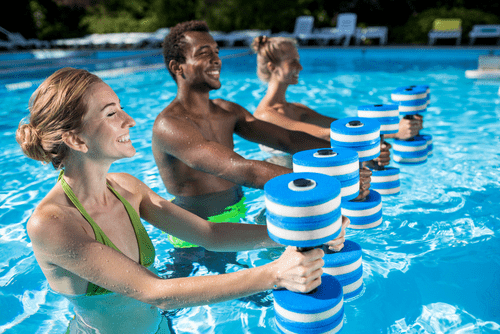
1. Swimming or Water Aerobics
Water exercise is one of the most joint-friendly options available. Because water supports up to 90% of body weight, it reduces pressure on painful joints while still allowing you to build strength and endurance. Studies have shown that pool-based activity can improve cardiovascular fitness, muscle tone, and balance.
How to begin:
- Start with 10 to 15 minutes in the pool
- Hold the pool edge and try gentle leg kicks
- Add easy arm circles or marching in place
- Consider joining a beginner water aerobics class
2. Chair Yoga
Chair yoga is a seated form of yoga that combines light stretching, posture work, and controlled breathing. Research suggests it can improve flexibility, lower stress, and increase strength in older adults.
Simple ways to start:
- Sit upright in a sturdy chair
- Practice seated cat-cow movements for the spine
- Add gentle twists or a small forward bend
- Focus on slow breathing throughout
3. Tai Chi
Tai Chi uses slow, flowing movements to improve coordination, posture, and balance. Multiple studies and reviews have found that it can significantly reduce fall risk in older adults while improving stability.
Tips for getting started:
- Follow a beginner video or attend a local class
- Learn simple forms first, such as weight shifts and arm patterns
- Move slowly and stay focused on control
- Pay attention to smooth, steady transitions
4. Wall Push-Ups
Wall push-ups are a practical way to strengthen the upper body and core without needing to lie on the floor. They are a great choice for improving functional strength used in everyday tasks.
How to do them:
- Stand about an arm’s length from a wall
- Place your hands on the wall at shoulder height
- Bend your elbows and slowly bring your chest toward the wall
- Push back to the starting position
- Try 8 to 12 repetitions
5. Seated Leg Lifts
This simple exercise helps strengthen the legs from a secure seated position. Stronger lower-body muscles can support daily activities such as rising from a chair, climbing steps, and walking more comfortably.
Instructions:
- Sit in a chair with your back supported
- Straighten one leg in front of you
- Hold for 3 to 5 seconds
- Lower it slowly
- Repeat 10 times on each leg
How to Build a Simple Low-Impact Routine
The best routine is one you can do consistently. Start small and focus on making movement a regular part of your week. Many experts suggest:
- Exercising 3 to 5 times per week
- Keeping sessions around 15 to 30 minutes
- Combining strength, balance, and flexibility exercises
A sample approach could include:
- 1 day of water exercise or walking in a pool
- 1 day of chair yoga
- 1 day of Tai Chi
- 2 short sessions of wall push-ups and seated leg lifts
Safety Tips for Seniors Starting a New Exercise Plan
To exercise safely and comfortably, keep these basics in mind:
- Warm up with easy movements before starting
- Use a wall or stable chair for support when needed
- Stop if you feel sharp pain
- Drink water and keep breathing steadily
- Increase time and intensity gradually
Research consistently shows that steady practice can lead to noticeable improvements in confidence, balance, and mobility over time.
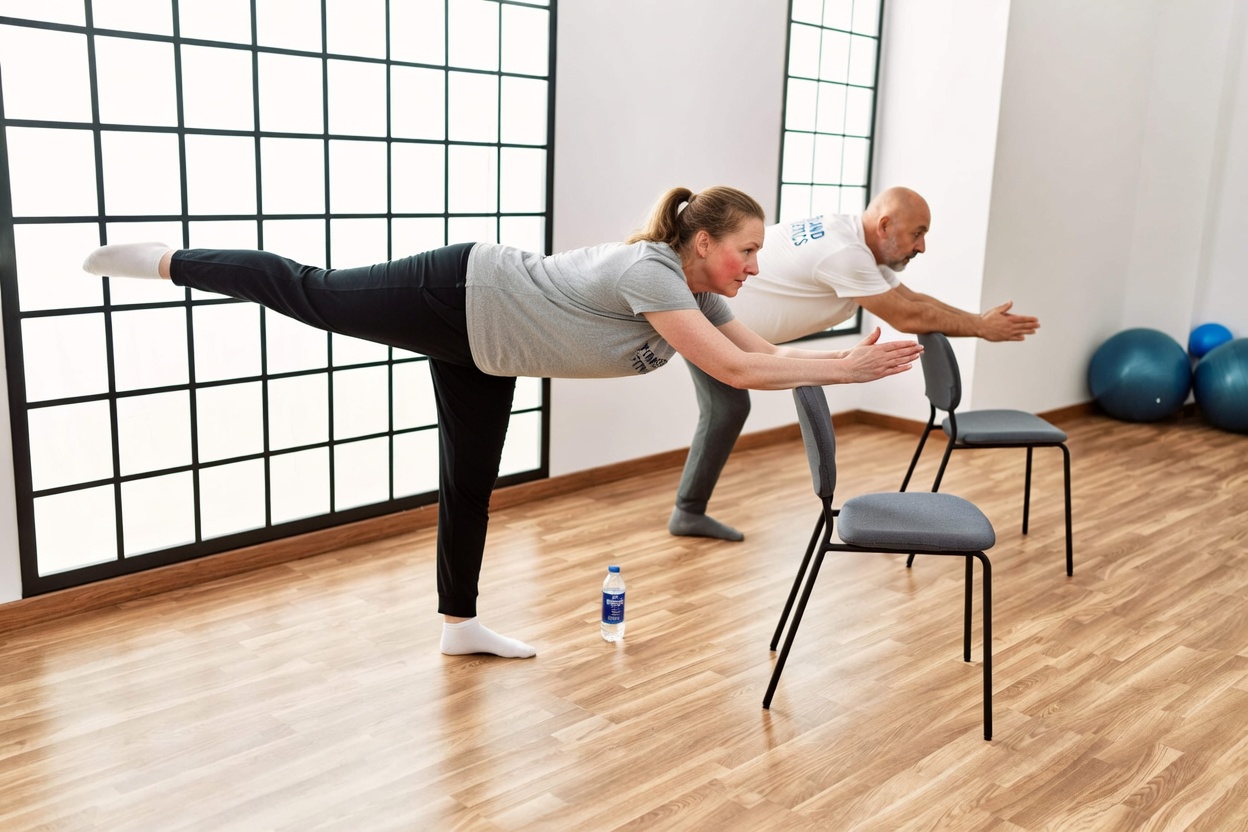
Benefits That Go Beyond Movement
The value of low-impact exercise is not limited to physical strength. Many older adults also report:
- Better sleep
- Improved mood
- Less stress
- More confidence during everyday activities
- Greater motivation from group classes and social interaction
These added benefits can make exercise feel more rewarding and easier to maintain long term.
Final Thoughts
After 60, staying active may require a different approach than it did in earlier years. Low-impact exercise can be an excellent alternative to walking, or a helpful complement to it, especially for seniors dealing with joint discomfort, fatigue, or balance concerns.
Swimming, chair yoga, Tai Chi, wall push-ups, and seated leg lifts all provide gentle ways to stay strong, mobile, and independent. Try adding one or two of these exercises to your week and pay attention to how your body feels.
Frequently Asked Questions
1. Are these exercises safe if I have arthritis or joint pain?
Many of these activities are specifically chosen because they are easier on the joints. Still, it is important to speak with your healthcare provider for advice based on your personal condition.
2. How soon can I expect results?
Some people notice better stability or comfort within a few weeks. Improvements in strength and balance often become more noticeable after 8 to 12 weeks of consistent practice.
3. Do I need special equipment?
Usually not. Most of these exercises only require simple items such as:
- A sturdy chair
- A wall
- Access to a pool for water exercise
- Comfortable clothes and supportive shoes
Important Note
This article is intended for informational purposes only and does not replace professional medical advice. Results vary from person to person. Always consult your healthcare provider before beginning any new exercise program, especially if you have existing health conditions.