Cyst vs. Lump: How to Tell the Difference and When to Get It Checked
Finding a new bump under your skin can be unsettling. It is easy for your thoughts to jump to worst-case scenarios, especially when you do not know whether the change is minor or something that needs medical attention. Many people first notice a lump while showering, getting dressed, or applying lotion, and that uncertainty can create ongoing stress.
The good news is that most cysts and many lumps are benign. Learning the basic differences between them can help you respond calmly and make smarter decisions about what to do next. This guide explains the common signs to look for and why a professional evaluation can often give you answers faster than you might think.
What Is a Cyst?
A cyst is a pouch-like structure in the body that contains fluid, air, or thick semi-solid material. You can think of it as a small sac that forms either under the skin or deeper inside the body. Cysts are very common and can develop for several reasons, including blocked glands, infections, inflammation, or normal biological processes.
In many cases, a cyst has features that make it feel different from a solid growth. It is often:
- Soft or compressible
- Rounded in shape
- Able to move slightly under the skin when touched
- Variable in size over time
Some cysts remain unchanged for long periods, while others shrink or disappear without treatment.
Common types of cysts include:
- Ovarian cysts: These may lead to pelvic pain, bloating, or menstrual changes in some women.
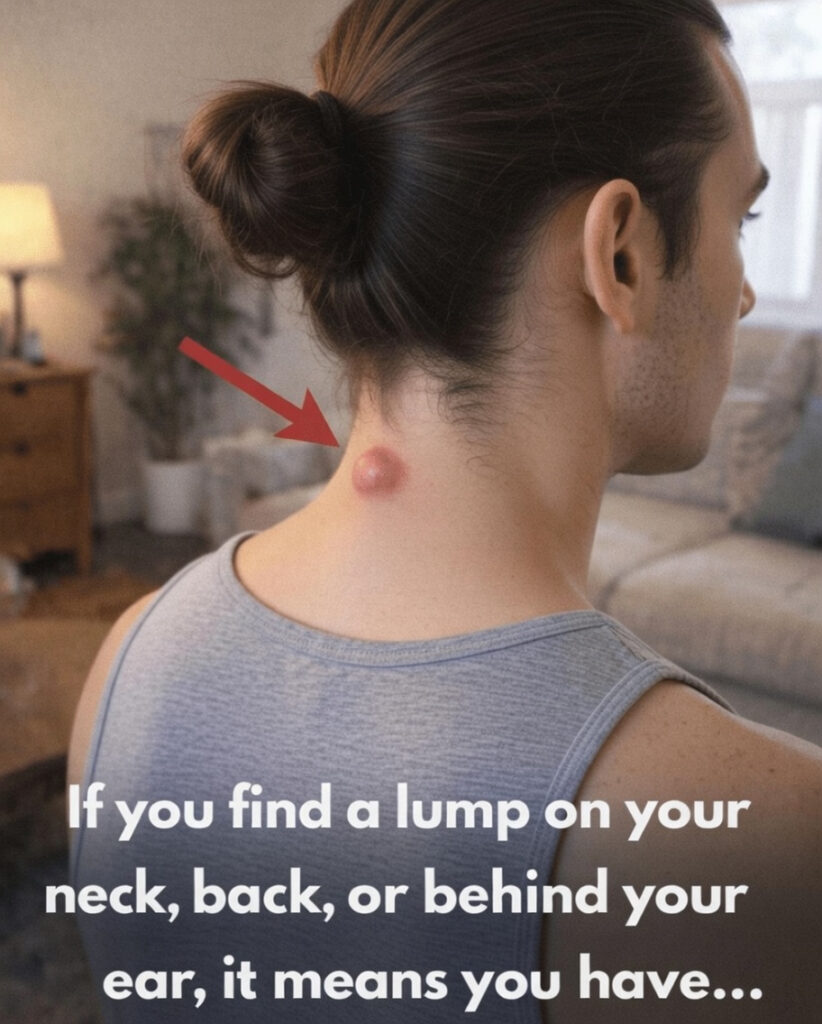
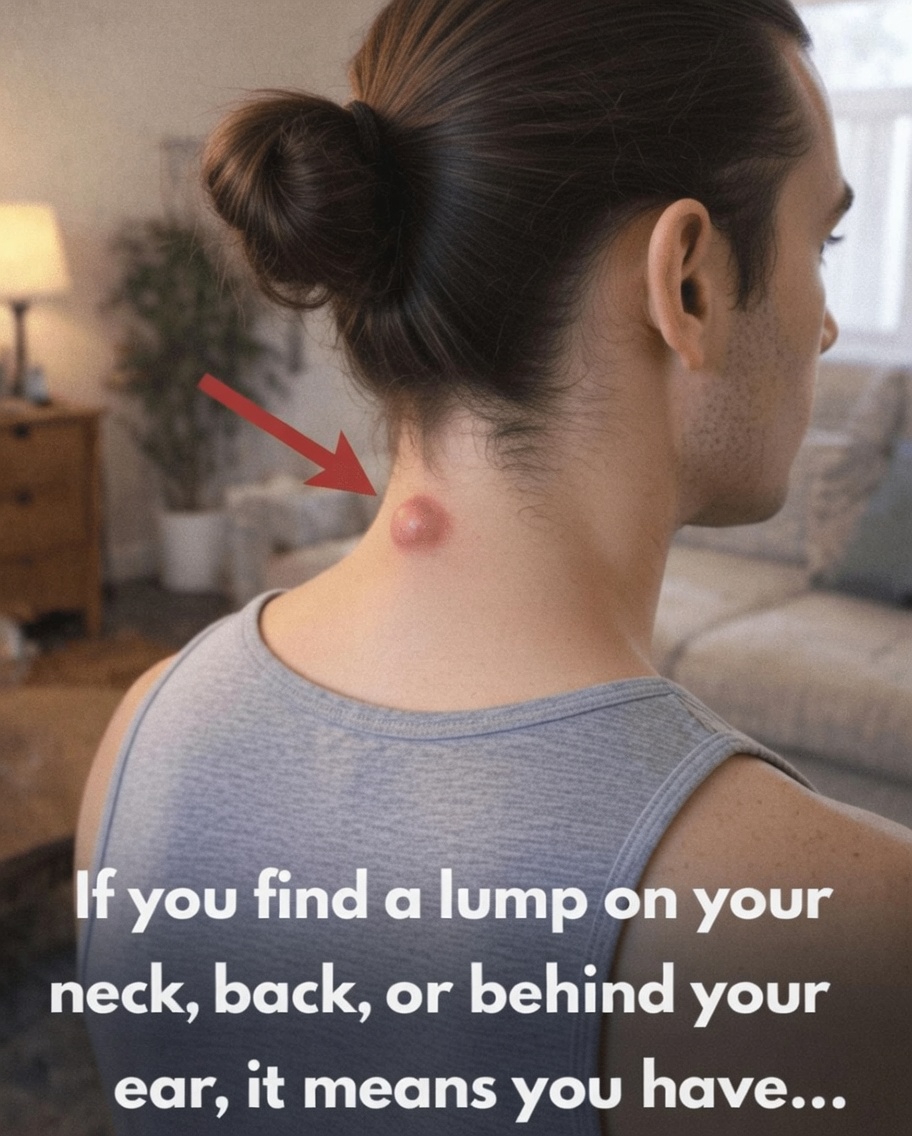
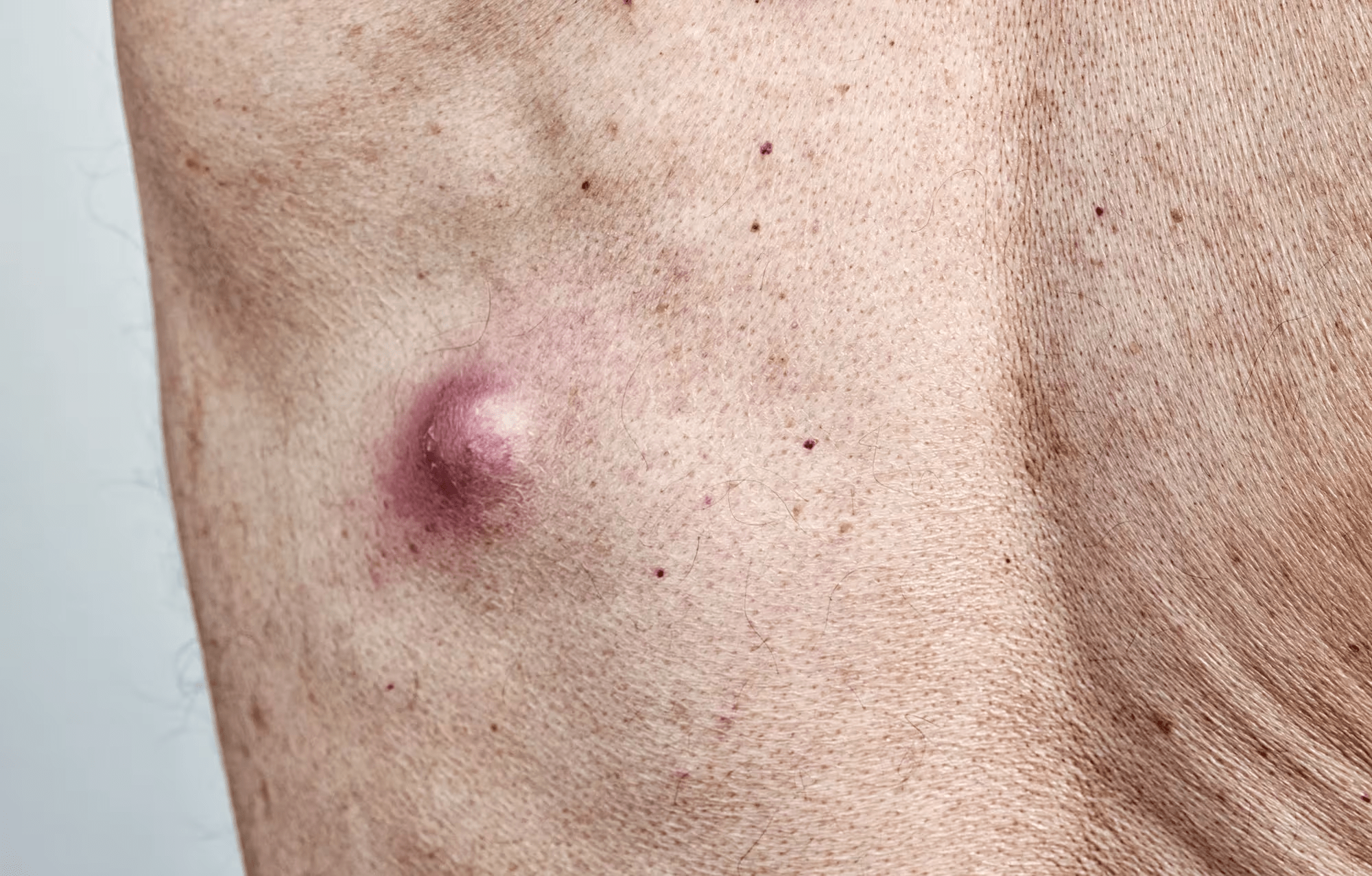
- Sebaceous or epidermoid cysts: Often found on the face, neck, back, or chest, sometimes with a small visible opening in the center.
- Breast cysts: These are often tender and may become more noticeable with hormonal changes.
Medical imaging studies show that simple fluid-filled cysts are usually noncancerous and can often be safely observed.
What Is a Lump?
A lump, also referred to medically as a tumor or solid mass, is made of tissue rather than fluid. These growths can form when normal cells multiply more than expected or from other non-fluid processes in the body. Their behavior can vary widely depending on the cause.
Importantly, not every lump is dangerous. Many are harmless and grow slowly over time. For example:
- Lipomas are common fatty lumps that often feel soft, rubbery, and painless. They usually move easily beneath the skin.
- Fibroadenomas in the breast are another frequent benign example. They are often firm but still somewhat movable.
Some lumps, however, feel harder and seem more attached to nearby tissue. A growth that changes quickly or does not move much may need closer assessment because these features can help doctors distinguish one type of mass from another.
Cyst vs. Lump: Key Differences at a Glance
While only a healthcare professional can confirm what a bump is through an exam or imaging, the following comparison can help you understand the general differences.
-
Texture
- Cysts are usually soft, squishy, or fluid-like.
- Lumps are more often firm or solid.
-
Mobility
- Cysts typically shift a little under the skin.
- Lumps may move or may feel fixed, depending on the type.
-
Growth Pattern
- Cysts can remain stable, enlarge, or change with hormones or infection.
- Benign lumps often grow slowly, while others may change more noticeably.
-
Pain or Tenderness
- Cysts can become sore, especially if inflamed or infected.
- Lumps are often painless unless they press on nerves or nearby structures.
-
Imaging Appearance
- Cysts usually appear as fluid-filled dark areas on ultrasound.
- Lumps appear as solid tissue.
This side-by-side comparison is not meant to replace diagnosis. It simply explains why one bump may feel very different from another.
Warning Signs That Should Not Be Ignored
Although most cysts and benign lumps are not serious, some symptoms deserve prompt medical attention. You should arrange an evaluation sooner if you notice:
- A lump that grows quickly in a short period
- A hard mass that feels fixed in place
- New pain, numbness, or pressure in the surrounding area
- Skin changes such as redness, swelling, dimpling, or unusual discharge
- Unexplained fatigue or weight changes
Even if none of these red flags are present, any new lump that remains for more than a few weeks should still be checked. Early evaluation often brings reassurance and can prevent prolonged anxiety.
Practical Steps You Can Take Right Away
If you discover a new bump, a few simple actions can help you track it clearly before your appointment:
- Write down the exact location
- Measure its size if possible
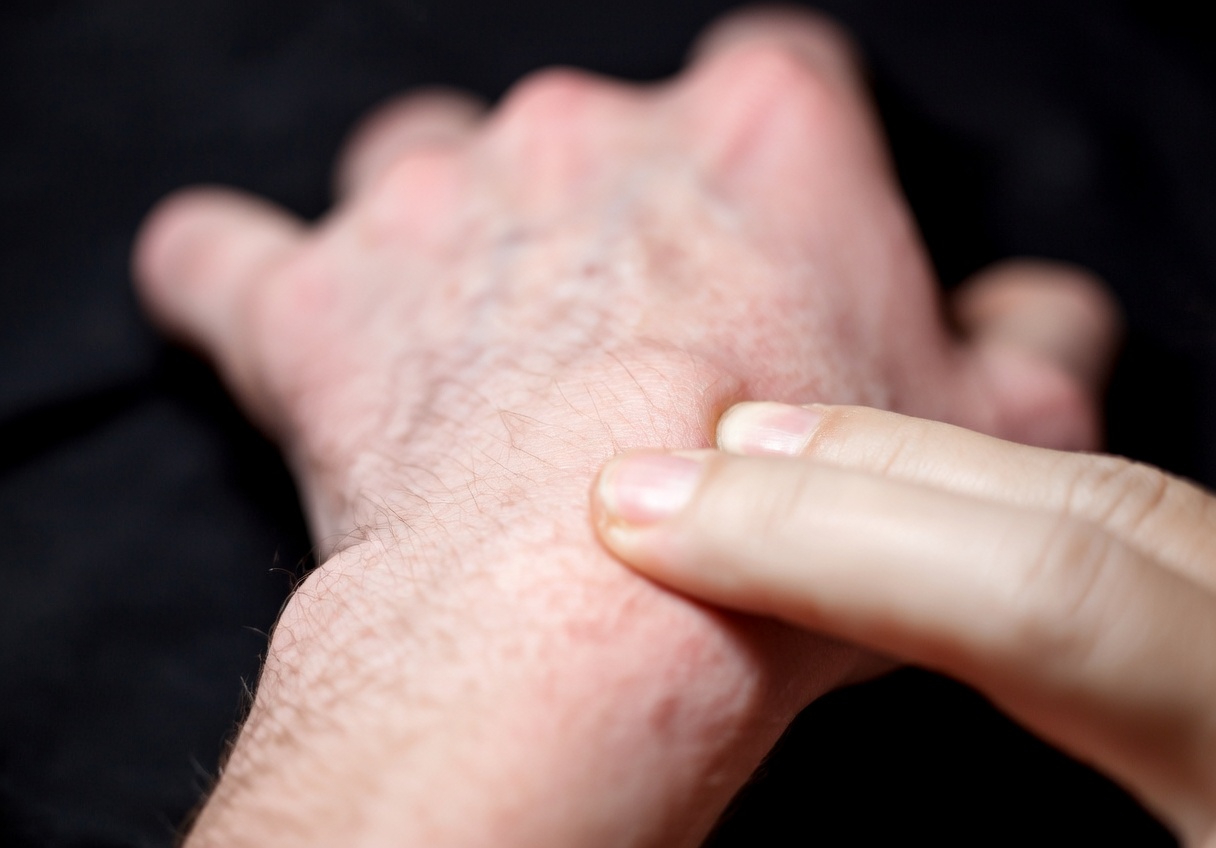
- Note whether it feels soft, firm, tender, or movable
- Watch for changes over the next 1 to 2 weeks
- Check it under the same lighting and similar conditions each time
- Avoid squeezing, poking, or repeatedly pressing on it, since this can cause irritation or infection
- Book a visit with your primary care provider if it persists or changes
A doctor may recommend an ultrasound or another imaging test, which can often quickly show whether the area is fluid-filled or solid.
Why Self-Awareness and Medical Evaluation Both Matter
You may wonder whether it is better to simply wait and see. For some soft, stable, movable bumps, observation may be reasonable. However, touch alone is not always reliable. Research shows that imaging, especially ultrasound, is much better at distinguishing a cyst from a solid mass.
That matters because clear information reduces fear and helps ensure that nothing important is missed.
A helpful habit is to check your body gently during regular routines, such as while showering or applying moisturizer. Areas like the neck, arms, breasts, and abdomen are often easy to monitor. The goal is not to become overly worried, but to build familiarity with what feels normal for you.
Healthy lifestyle habits also support early awareness of bodily changes, including:
- Maintaining a healthy weight
- Staying physically active
- Attending routine medical check-ups
- Paying attention to new or unusual symptoms
What to Expect at a Doctor’s Appointment
If you see a doctor about a cyst or lump, the process is usually simple and not overly complicated. In most cases, the visit includes:
- A physical examination
- Questions about your medical history
- Discussion of when you first noticed the bump and whether it has changed
Ultrasound is often the first imaging test because it is fast, painless, and very effective for showing whether a growth contains fluid or is solid. In some cases, additional imaging or a small tissue sample may be recommended to provide a definite answer.
The purpose of these tests is not to alarm you, but to give you accurate information so you can move forward with confidence.
Final Thoughts: Understanding Reduces Anxiety
Finding a lump or cyst can be stressful, but it does not automatically mean something serious is wrong. Most of these growths are benign and can be managed with observation, routine care, or simple treatment when needed. The most important thing is to stay aware without panicking.
Pay attention to how the area feels, whether it moves, and whether it changes over time. If something seems unusual or does not go away, seek medical advice. Understanding these common differences can help you feel more in control and less fearful.
Small habits, such as regular self-checks and timely medical follow-up, can make a meaningful difference in how you protect your health.
Frequently Asked Questions
Can a cyst become cancerous?
Most cysts stay benign and do not turn into cancer. Still, any growth that changes in appearance, becomes complex, or causes concern should be assessed by a healthcare professional.
Is it normal for some lumps to appear and then disappear?
Yes, some cysts may fluctuate in size or resolve on their own, especially if they are linked to hormones. However, any lump that persists, enlarges, or returns repeatedly should be examined.
Can I tell at home whether a lump is serious?
No, you cannot know for certain based on touch alone. The safest approach is to monitor for changes and seek medical evaluation for any lump that is new, painful, fast-growing, firm, or fixed in place.
Disclaimer
This article is intended for informational purposes only and does not replace professional medical advice, diagnosis, or treatment. Always speak with a qualified healthcare provider if you have concerns about a lump, cyst, or any other change in your body. Every situation is different, and only a medical professional can give advice tailored to your needs.