
4 Simple Foods That Can Help Support Kidney Health Naturally
If you’ve ever ended a long day feeling unusually drained or started noticing small changes in your energy, digestion, or overall balance, it makes sense to think about your kidneys. These essential organs work nonstop to filter waste, regulate fluids, and help maintain the body’s internal stability. But modern habits, especially meals heavy in processed ingredients, can place extra strain on them over time.
The reassuring part is that supporting kidney health does not have to feel complicated. In fact, a few smart choices in your daily meals can gently help your body’s natural filtration system work more efficiently. Even better, there are four widely available foods that are easy to include in everyday cooking and are often recommended in kidney-friendly eating plans.
Why Diet Plays Such an Important Role in Kidney Support
Your kidneys perform a remarkable amount of work every day. They remove excess waste and water, help control mineral balance, and contribute to overall wellness in ways most people rarely notice until something feels off. Because of that, what you eat matters more than many people realize.
Organizations such as the National Kidney Foundation have emphasized that balanced eating patterns rich in antioxidants and lower in sodium can help support healthy kidney function. This is not about extreme diets or miracle foods. It is about creating practical habits that are realistic, consistent, and beneficial over time.

The biggest difference often comes from choosing specific foods that provide nutrients your body can use without adding unnecessary burden. That is where these four kidney-supportive options stand out.
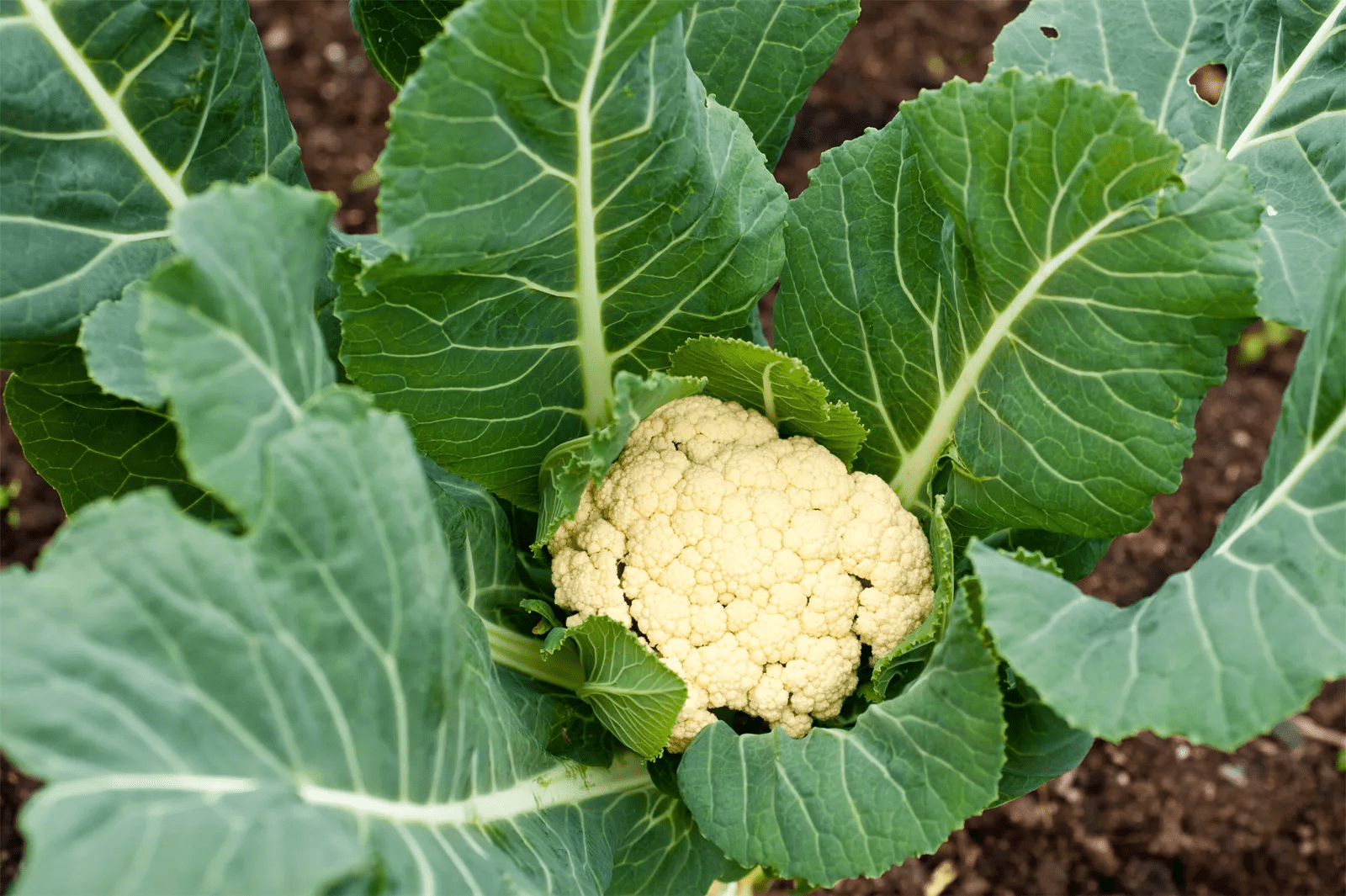
1. Cauliflower: A Flexible Vegetable With Everyday Benefits
Cauliflower is frequently listed in kidney-friendly nutrition guides for good reason. It contains vitamin C, folate, and fiber, all of which can support the body’s normal waste-management processes. It also offers these benefits without loading up on minerals that some people may need to monitor, such as potassium or phosphorus.
Its natural compounds may also help reduce oxidative stress, which is important for long-term health. That makes cauliflower a smart and versatile addition to many meals.
Why cauliflower is worth adding to your plate
- Rich in fiber, which supports digestion and regular elimination
- Provides vitamin C for antioxidant and immune support
- Low in calories, making it easy to enjoy in generous portions
Easy ways to eat more cauliflower
- Steam and mash it instead of potatoes
- Roast florets with olive oil and herbs
- Blend it into a smooth soup
- Add raw cauliflower rice to salads for extra texture and nutrition
2. Red Bell Peppers: Bright, Flavorful, and Kidney-Friendly
Red bell peppers deliver color, sweetness, and crunch while remaining naturally low in sodium, potassium, and phosphorus. They are also packed with vitamins A and C, along with lycopene, an antioxidant associated with reduced inflammation.
Nutrition professionals, including those involved in kidney-focused meal planning programs like DaVita, often recommend red bell peppers because they add strong flavor without depending on salty seasonings.
Benefits of red bell peppers
- Provide antioxidants that help protect cells
- Supply vitamin C, which supports immunity and iron absorption
- Add volume and satisfaction to meals without many calories
Simple ways to use red bell peppers
- Slice them raw for snacks or dips
- Stir-fry them with garlic and olive oil
- Stuff them with lean protein and fresh herbs
- Keep pre-cut strips in the refrigerator for quick meal prep
3. Apples: A Simple Fruit That Helps Maintain Balance
Apples are one of the easiest and most reliable fruits to include in a kidney-conscious eating routine. They contain pectin, a type of fiber that may help the body manage waste and cholesterol, along with quercetin, a plant compound linked to protective health benefits. They are also low in sodium and offer natural sweetness without being overly heavy.
Many health organizations note that apples fit well into balanced eating patterns because their fiber helps support gut health, and a healthy digestive system can reduce some of the workload placed on the kidneys.
Why apples are a smart everyday choice
- Pectin fiber may help support waste removal and cholesterol balance
- Lower in potassium than many other fruits
- High water content can contribute to hydration
Easy ways to enjoy apples
- Eat one whole with the skin on
- Bake apple slices with cinnamon
- Stir chopped apple into oatmeal
- Grate apple into pancake batter for extra moisture and natural flavor
4. Berries: Antioxidant-Rich Fruits With Big Benefits
Blueberries, strawberries, and cranberries regularly appear in lists of nutrient-dense foods, and for good reason. They are rich in antioxidants such as anthocyanins and vitamin C, which help the body deal with oxidative stress. Cranberries in particular have also been studied for their role in supporting urinary tract health.
Because berries are naturally low in sodium and full of flavor, they are often included in kidney-friendly food recommendations. Even small servings can deliver meaningful nutritional value.
What makes berries so helpful
- High antioxidant content helps protect cells from damage
- Natural fiber supports digestive health
- Sweet flavor can satisfy cravings in a lighter way
Easy ways to add more berries to your diet
- Mix fresh berries into yogurt alternatives or smoothies
- Sprinkle dried cranberries over salads
- Freeze blueberries for a refreshing snack
- Blend strawberries into a quick homemade salad dressing

How to Include These 4 Kidney-Friendly Foods This Week
The best part is that you do not need complicated recipes to benefit from these foods. Small, repeatable choices are often the most effective. If you want an easy starting point, try this simple 7-day approach:
- Add berries and sliced apples to overnight oats in the morning.
- Mix cauliflower rice and red bell pepper strips into lunch bowls or salads.
- Keep apple slices or raw cauliflower florets ready for snacks.
- Roast cauliflower and red bell peppers with herbs for dinner.
- Blend berries into water infusions or smoothies for a refreshing drink.
- Prep chopped vegetables at the start of the week for convenience.
- Replace extra salt with lemon, garlic, and fresh herbs for flavor.
These habits only take a few minutes, but they can make healthy eating feel far more manageable.
Other Daily Habits That Can Support Kidney Health
Food is important, but it works best alongside a few supportive lifestyle habits. To give your kidneys a healthier environment, try to focus on the following:
- Drink enough plain water throughout the day
- Stay active with gentle movement such as walking
- Limit heavily processed foods whenever possible
- Reduce added sugars
- Practice simple stress-relief habits like deep breathing
Together, these steps can complement a more kidney-conscious way of eating.
Final Thoughts: Small Food Choices Can Make a Meaningful Difference
Cauliflower, red bell peppers, apples, and berries are some of the easiest foods to include in a routine that supports kidney health. They are affordable, versatile, and supported by well-established nutrition guidance. Most importantly, they fit into real life without requiring drastic changes.
Start with one or two this week, then build from there. Consistent choices often matter far more than dramatic overhauls, and your kidneys benefit from that steady support.
Frequently Asked Questions
How soon could I notice a difference after adding these foods?
Many people notice gradual improvements in digestion, energy, and how they feel overall within a few weeks of more consistent healthy eating. Results vary from person to person, but the key is regularity rather than expecting immediate change.
Are these foods suitable for everyone, including people with kidney problems?
These foods are generally considered wholesome and well-tolerated, but people with existing kidney disease or special dietary restrictions should always check with a doctor or registered dietitian first. Individual needs can vary depending on kidney function, medications, and mineral limits.
Can these foods replace medical treatment for kidney issues?
No. These foods can support a healthy lifestyle, but they are not a substitute for professional medical care. If you have kidney-related symptoms or a diagnosed condition, proper treatment and guidance from a healthcare provider are essential.
What is the easiest food to start with?
Apples are often the simplest starting point because they require no preparation and are easy to carry. If you prefer vegetables, red bell peppers are another convenient option for snacks and meals.