
9 Best Vegetables for Diabetics to Help Steady Blood Sugar Naturally
Living with diabetes often means riding a daily roller coaster of blood sugar highs and lows, leaving you exhausted, anxious about long-term health, and frustrated by food rules that seem to steal the joy from eating. Worrying about which meals will cause spikes, plus the pressure to avoid “off-limit” foods, can turn every plate into a source of stress—especially as you age and energy becomes more precious.
One of the most effective and realistic shifts you can make is surprisingly simple: prioritize non-starchy, fiber-rich vegetables. These diabetic-friendly vegetables can help smooth out blood sugar swings, support heart and metabolic health, and keep you fuller for longer without overloading you with carbs.
Below are 9 of the best vegetables for diabetics, highlighted by nutrition experts for their potential to support more stable glucose levels. Stay through to the end for practical meal ideas you can actually stick with day after day.

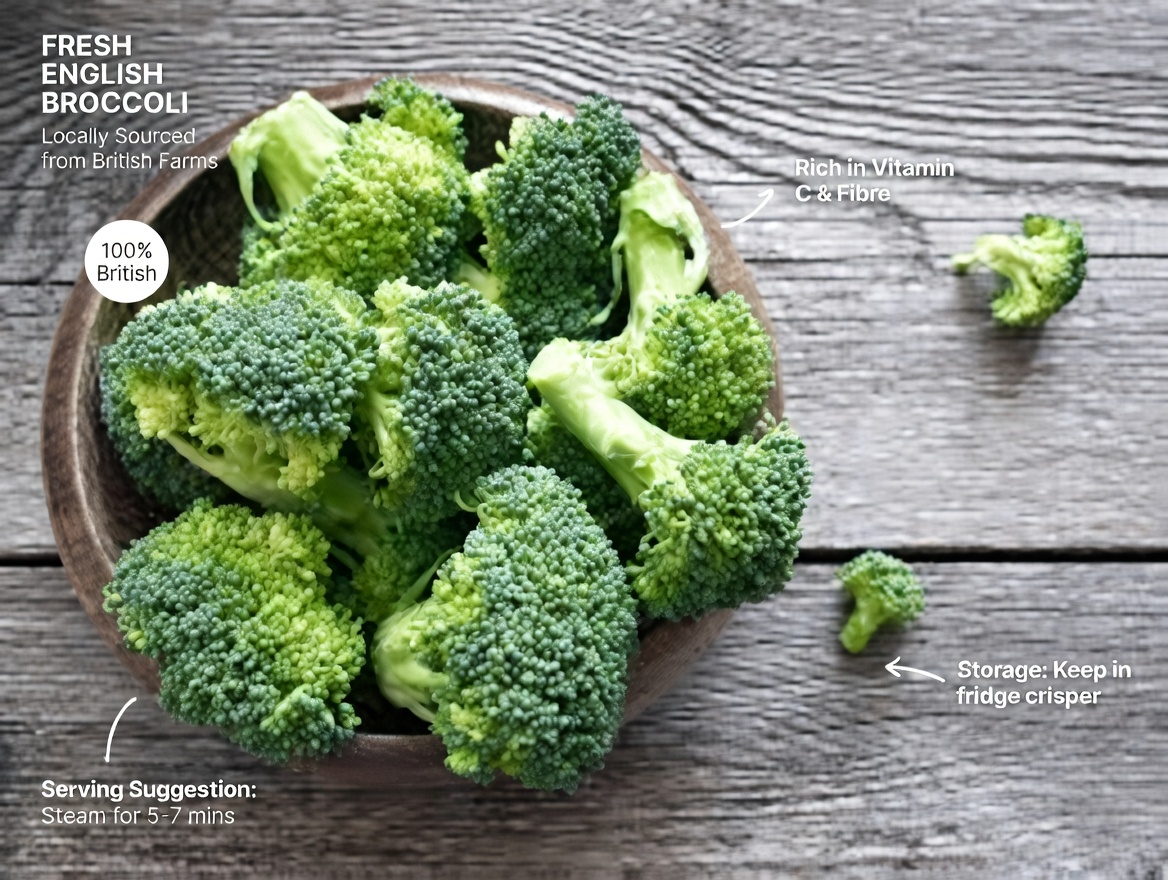
1. Broccoli – A Powerhouse Among the Best Vegetables for Diabetics
Many people with diabetes experience reduced insulin sensitivity, which can lead to unpredictable blood sugar and energy crashes. Broccoli is one of the best vegetables for diabetics because it’s low in carbohydrates and calories but packed with nutrition.
Cruciferous vegetables like broccoli contain compounds such as sulforaphane, which research suggests may help support healthy insulin function and reduce inflammation—both key factors in long-term blood sugar control. Its generous fiber content slows the absorption of glucose from your meals, helping to minimize sharp spikes after eating.
Easy ways to enjoy broccoli:
- Lightly steam and drizzle with olive oil and minced garlic
- Roast in the oven with herbs and a pinch of salt for a crisp texture
- Add small florets to stir-fries, stews, or hearty soups
- Blend into a vegetable smoothie or puree for added nutrients
Making broccoli a regular part of your week is a simple, practical step that can support more consistent energy and better blood sugar patterns.
2. Spinach – A Key Vegetable for Diabetics Seeking Better Balance
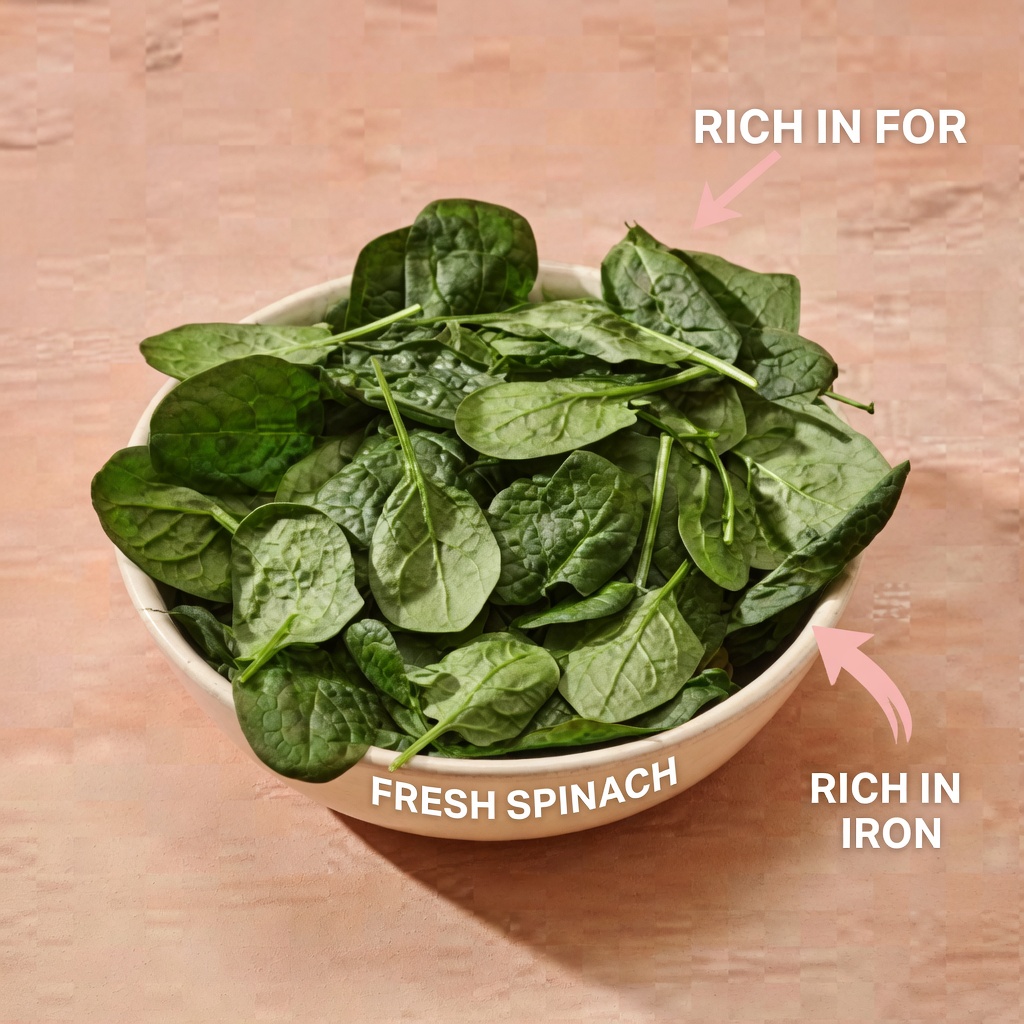
Magnesium deficiency is common in people living with diabetes and can make blood sugar harder to manage while increasing fatigue. Spinach stands out as one of the best vegetables for diabetics because it’s extremely low in carbs yet rich in magnesium, fiber, and antioxidants.
Magnesium plays a crucial role in how your body handles glucose, while spinach’s fiber slows digestion and may help reduce post-meal blood sugar spikes. Its antioxidants also support blood vessel and heart health—major concerns for many with diabetes.
Simple ways to add more spinach:
- Stir into scrambled eggs or omelets at breakfast
- Blend a handful into your favorite protein or green smoothie
- Use as a base for quick lunch salads instead of higher-carb sides
- Lightly sauté with garlic and a squeeze of lemon juice
Because spinach wilts down significantly when cooked, you can eat large portions without adding many calories or carbs, making it a reliable staple among diabetic-friendly vegetables.
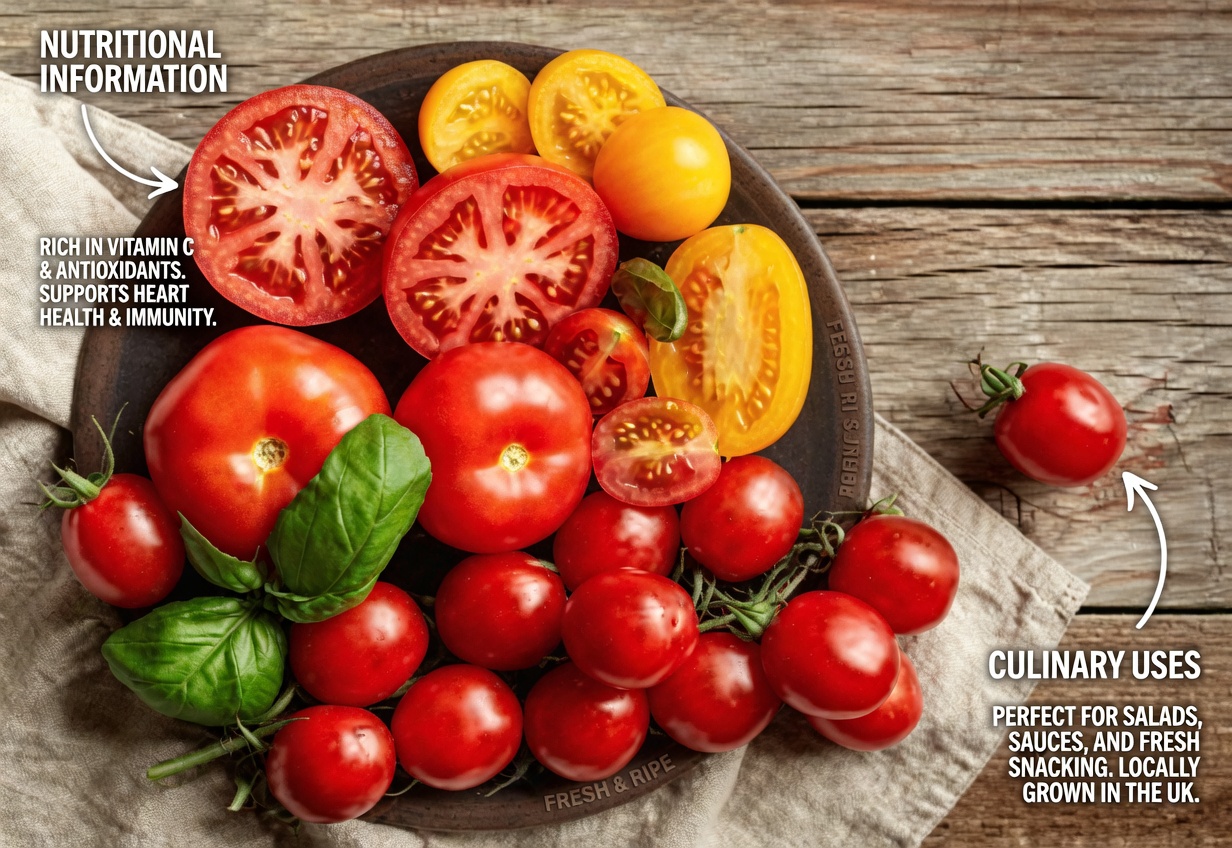
3. Tomatoes – A Versatile Choice on the Best Vegetables for Diabetics List
Cardiovascular health is a major concern for people with diabetes. Tomatoes—though technically a fruit—are commonly used as a vegetable and are a smart addition to a diabetes-friendly eating plan.
Tomatoes provide lycopene, vitamin C, potassium, and other antioxidants that may help protect blood vessels and support heart health. Their low glycemic impact means they generally have a modest effect on blood sugar, especially when eaten in reasonable portions and paired with healthy fats or protein.
Ways to use tomatoes in everyday meals:
- Slice fresh tomatoes for salads, drizzled with olive oil and herbs
- Layer on whole-grain toast with a bit of avocado for a light snack
- Simmer into homemade tomato sauces without added sugar
- Roast with garlic and Mediterranean herbs as a flavorful side
Whether eaten raw or lightly cooked, tomatoes are a convenient way to increase flavor and nutrition without significantly disrupting blood sugar.
4. Cabbage – A Budget-Friendly Vegetable for Diabetics
It can be disheartening to see blood sugar climb after you’ve tried hard to “eat right.” Cabbage earns its place among the best vegetables for diabetics thanks to its low carbohydrate content, high fiber, and wallet-friendly price.
Cabbage is rich in vitamin K, vitamin C, and anti-inflammatory plant compounds. Its fiber helps slow the digestive process, promoting steadier glucose release into the bloodstream. Fermented cabbage (like sauerkraut or kimchi) can also support gut health, which increasingly appears to be linked with metabolic and immune function.
Tasty ways to incorporate cabbage:
- Shred for a simple, vinegar-based slaw instead of creamy versions
- Stir-fry with lean proteins and a light soy or tamari sauce
- Add to vegetable or chicken soup for extra volume and texture
- Use large leaves as low-carb wraps in place of tortillas or bread
Because it’s inexpensive, versatile, and filling, cabbage is an easy vegetable to keep in regular rotation on a diabetes-friendly menu.
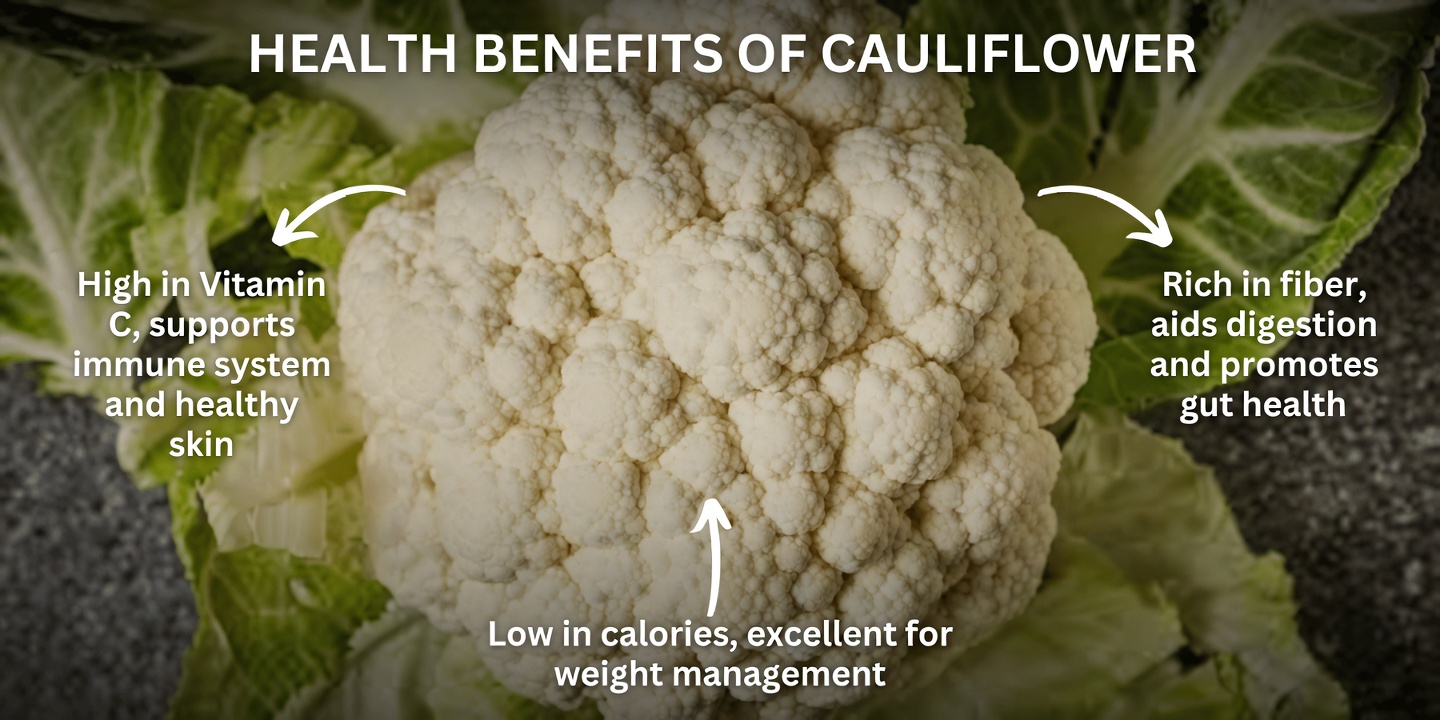
5. Cauliflower – A Smart Low-Carb Swap for Comfort Foods
Missing familiar comfort foods like rice, mashed potatoes, or pizza crust is a common struggle when you’re trying to keep blood sugar in check. Cauliflower is one of the best vegetables for diabetics because it works brilliantly as a low-carb stand-in for many high-starch ingredients.
With a low glycemic load and a good amount of fiber, cauliflower supports steady energy rather than sudden spikes. It also delivers vitamin C and antioxidants that promote overall health.
Popular ways to use cauliflower:
- Pulse florets in a food processor to create “cauliflower rice”
- Steam and mash as a lighter alternative to mashed potatoes
- Roast with spices and olive oil for a flavorful side dish
- Shape into a cauliflower pizza crust topped with non-starchy veggies and lean protein
This kind of flexible, satisfying swap helps many people maintain a long-term diabetes-friendly eating pattern without feeling deprived.
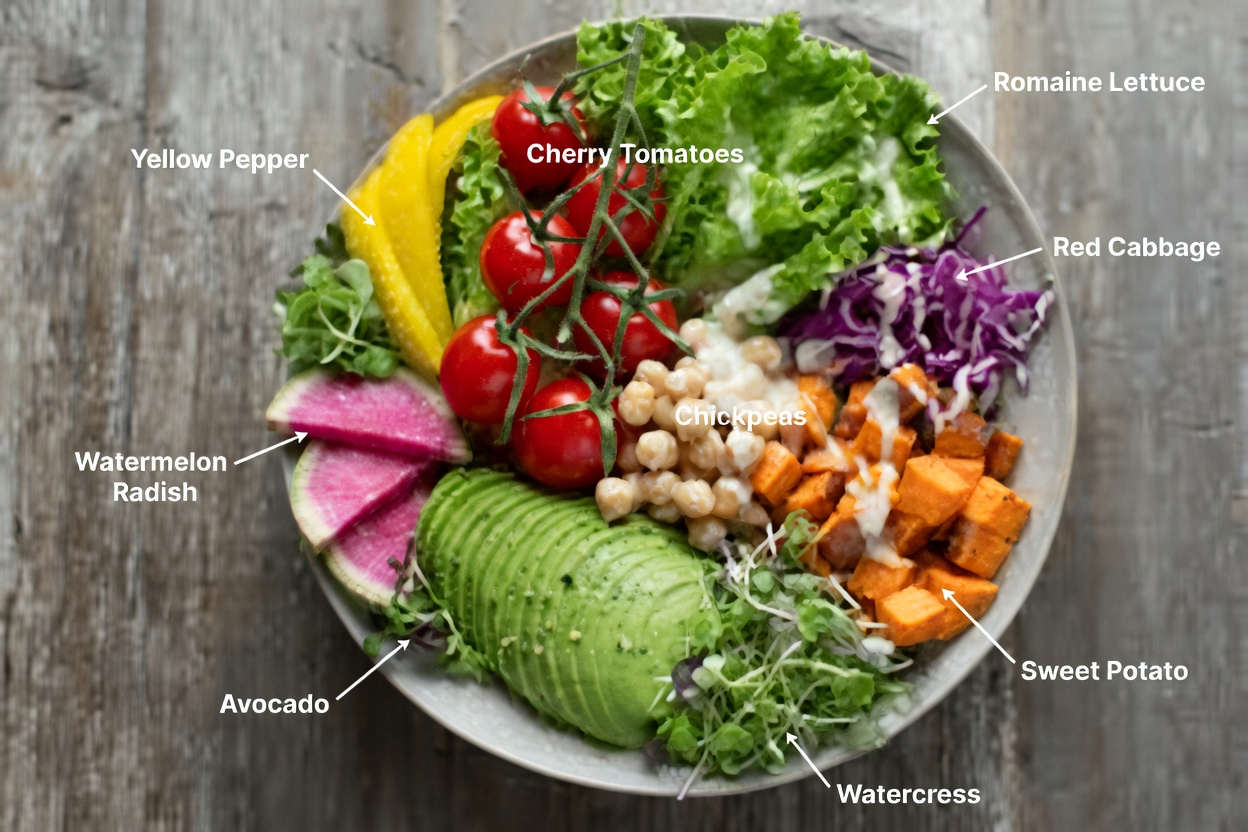
6. Zucchini – Light, Filling, and Diabetic-Friendly
Heavy, carb-dense meals can leave you sluggish and worried about your readings afterward. Zucchini is one of the best vegetables for diabetics because it is low in carbohydrates yet high in water content, making it both hydrating and filling.
Zucchini provides fiber, potassium (which supports heart health), and vitamin A. Using it as a base or extender in meals allows you to enjoy generous portions without driving blood sugar too high.
Creative ways to cook with zucchini:
- Spiralize into “zoodles” as a pasta substitute
- Grill slices with olive oil, salt, and your favorite seasonings
- Add diced zucchini to stir-fries, casseroles, or soups
- Incorporate into low-carb breads, muffins, or frittatas
Thanks to its mild flavor, zucchini pairs well with many herbs, spices, and sauces, making it easy to fit into a variety of diabetic-friendly recipes.
7. Asparagus – A Flavorful Vegetable for Metabolic Support
Concerns about insulin function and pancreatic health are common for people managing diabetes. Asparagus frequently appears on lists of the best vegetables for diabetics because it is low in carbohydrates, rich in fiber, and packed with vitamins and antioxidants.
Asparagus supplies folate, vitamin K, and other nutrients that support overall metabolic and cardiovascular health. Some research indicates that compounds in asparagus may positively influence blood sugar regulation, making it a smart addition to your plate.
Simple ways to enjoy asparagus:
- Roast with a drizzle of olive oil and a sprinkle of salt and pepper
- Grill and finish with fresh lemon juice or shaved Parmesan (in moderation)
- Chop into frittatas, egg bakes, or breakfast scrambles
- Combine with other non-starchy vegetables in mixed medleys
Asparagus has a naturally rich, satisfying flavor, so you don’t need heavy sauces or breading to make it enjoyable.
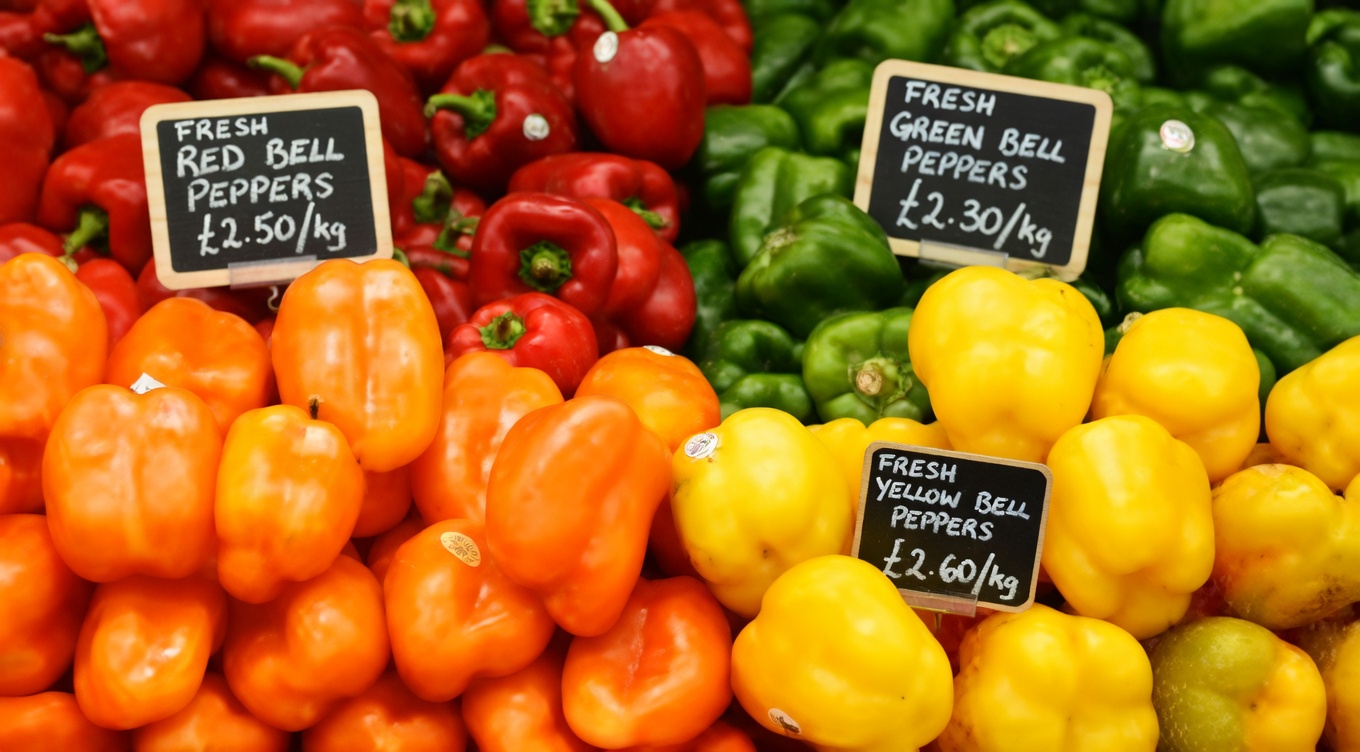
8. Bell Peppers – Colorful and Crunchy Best Vegetables for Diabetics
Many people complain that “diabetic food” tastes boring. Bell peppers can change that. Despite their subtle sweetness, they are relatively low in carbohydrates and an excellent addition to diabetes-friendly meals.
Bell peppers are loaded with vitamin C, carotenoids, and a reasonable amount of fiber. They add bulk, crunch, and bright color to meals without causing the blood sugar surge that more refined or starchy foods can trigger.
Ways to use bell peppers:
- Stuff with lean protein, herbs, and a small amount of whole grains or legumes
- Slice raw into salads or serve with hummus as a snack
- Add strips to fajitas, stir-fries, or omelets
- Roast until tender for a sweeter, more intense flavor
Their vibrant appearance and crisp texture can make your plate more appealing and satisfying, which is key for sticking to a diabetes-friendly eating plan long term.

9. Leafy Green Vegetables – The Ultimate Foundation for Diabetic-Friendly Meals
If you feel overwhelmed by complicated diet rules, focusing on leafy greens is a simple strategy that delivers big benefits. Dark leafy vegetables like kale, arugula, Swiss chard, collard greens, and various lettuces are widely considered some of the best vegetables for diabetics.
These greens are extremely low in carbohydrates and calories but rich in fiber, vitamins (such as A, C, and K), minerals (including magnesium and potassium), and powerful antioxidants. They help slow digestion, support healthy blood vessels, and can improve meal satisfaction without raising blood sugar significantly.
Easy ways to eat more leafy greens:
- Use them as the base for salads instead of pasta or grain-based sides
- Add to soups, stews, or bean dishes near the end of cooking
- Blend into smoothies for a nutrient boost that’s barely noticeable in taste
- Sauté with olive oil, garlic, and a bit of lemon or vinegar as a quick side
Building meals around leafy greens, then layering in lean protein and healthy fats, is a simple framework that can make diabetes-friendly eating far less confusing.
Making These Best Vegetables for Diabetics Work in Daily Life
Knowing which vegetables are best for diabetics is only half the battle—the real success comes from turning this knowledge into consistent habits. A few practical tips:
- Half your plate vegetables: Aim to fill at least half your plate with non-starchy vegetables at most meals.
- Mix and match: Combine several of the vegetables above in stir-fries, salads, soups, or sheet-pan dinners.
- Prep ahead: Wash, chop, and store vegetables in containers so they’re ready to cook or snack on.
- Pair smartly: Combine vegetables with lean proteins, healthy fats, and controlled portions of complex carbs to support steadier blood sugar.
With a bit of planning and experimentation, these best vegetables for diabetics can help you move toward more stable blood sugar, better energy, and meals that feel satisfying—not restrictive.