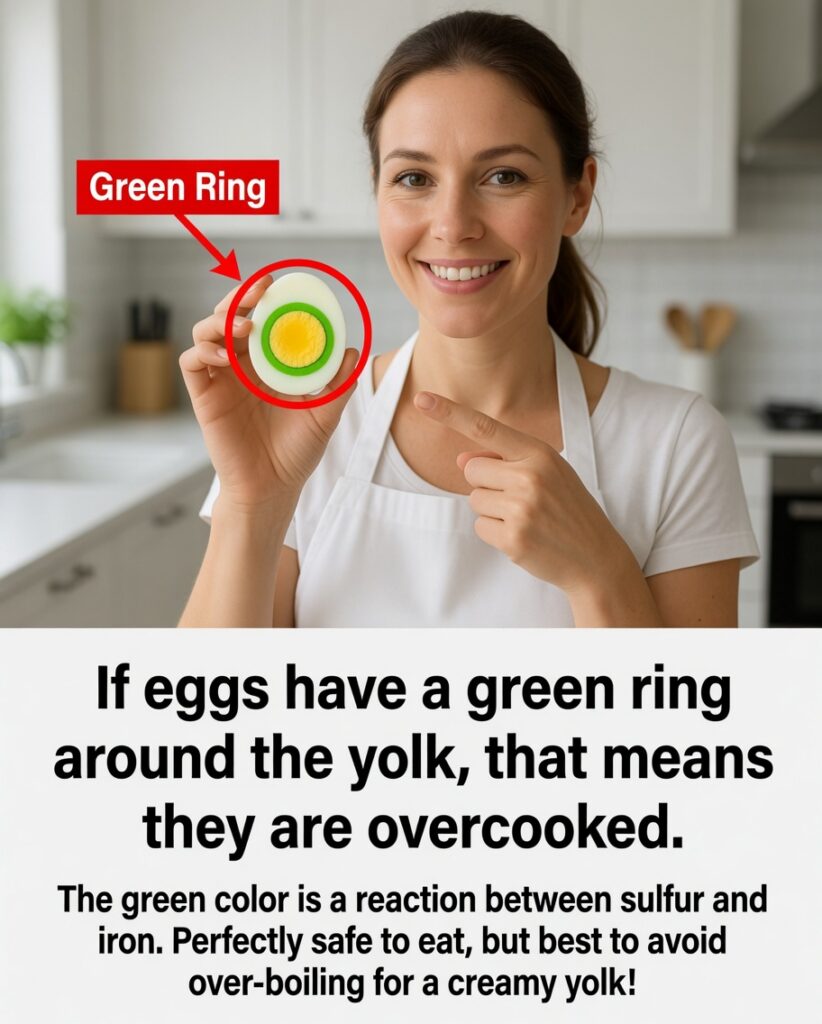
Say Goodbye to the Green Ring Around the Yolk
You slice into a hard-boiled egg expecting a sunny yellow center—and instead, there it is: a dull, green ring circling the yolk and spoiling the presentation of your carefully planned brunch or meal-prep box. It can feel like all that effort in the kitchen was wasted, especially when you’re trying to put nutritious, attractive food on the table for your family.
The good news: that green ring around the yolk is completely harmless. It’s simply the result of a predictable chemical reaction, and once you understand what causes it, you can prevent it almost every time. By the end of this guide, you’ll know the exact, science-based method to keep that green ring at bay and cook hard-boiled eggs that look as good as they taste.
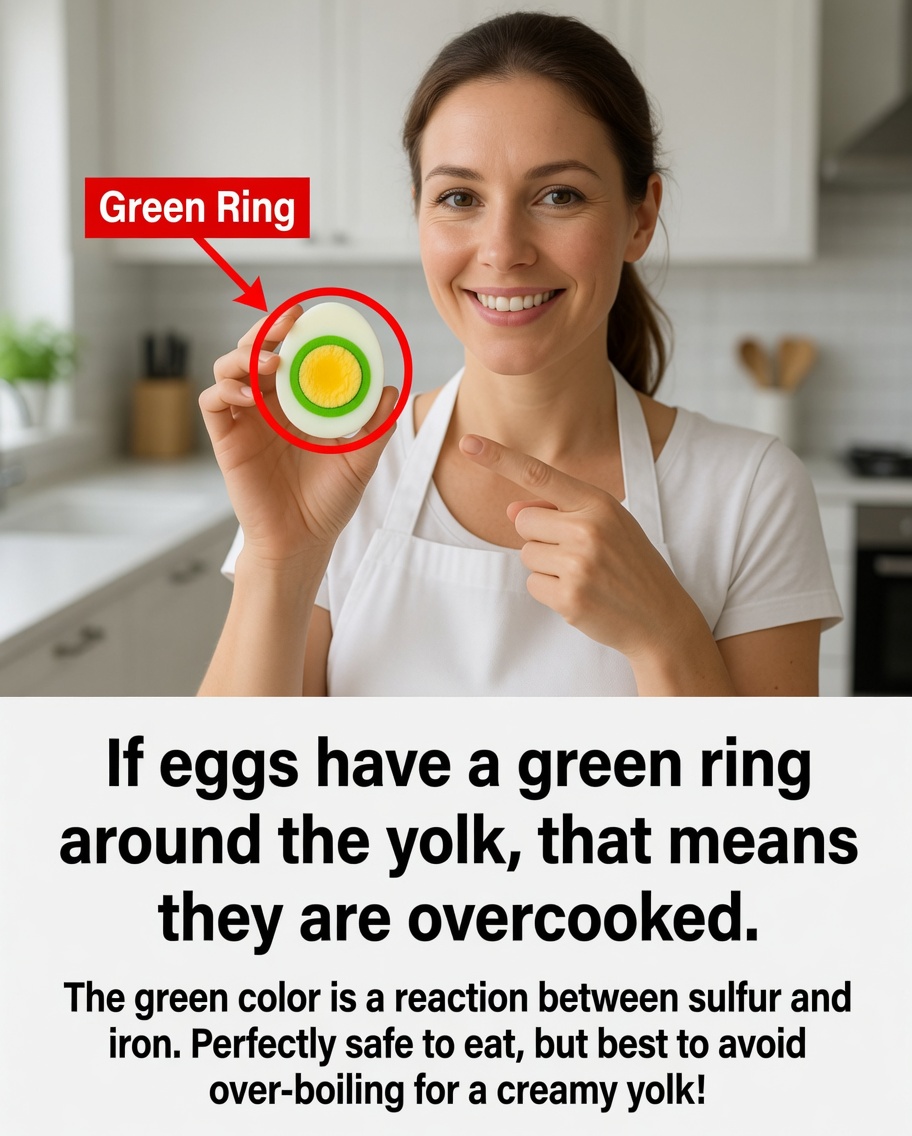
What Is the Green Ring Around the Yolk in Hard-Boiled Eggs?
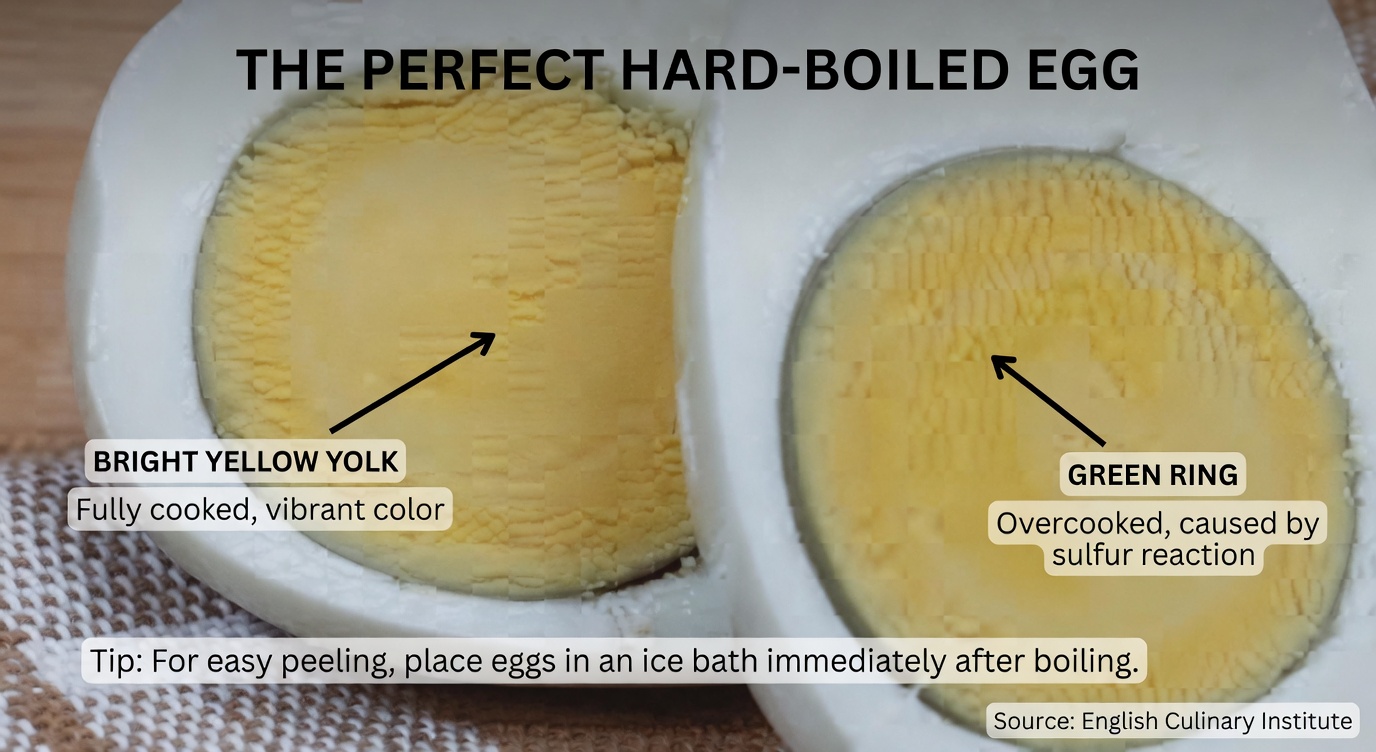
The green ring around the yolk is a discoloration that appears after eggs are cooked, especially when they’re hard-boiled. It often shows up as a gray-green halo between the yolk and the white.
While it can make an otherwise healthy snack or salad look overdone and unappealing, this ring is not a sign of spoilage or poor-quality ingredients. Many home cooks feel discouraged when they see it, but it’s merely a visual issue—not a safety concern.
The Science Behind the Green Ring Around the Yolk
Food scientists have a clear explanation for why the green ring around the yolk forms. Inside the egg white (albumen), there’s sulfur. Inside the yolk, there’s iron. When eggs are exposed to high heat for too long, sulfur from the whites combines with iron from the yolks.
This reaction creates a compound called ferrous sulfide, which has that characteristic gray-green color. The hotter and longer the egg stays near cooking temperature, the more pronounced the green ring becomes.
Research and food safety authorities agree: this color change is purely cosmetic. The presence of a green ring around the yolk does not mean the egg is unsafe, spoiled, or less nutritious.
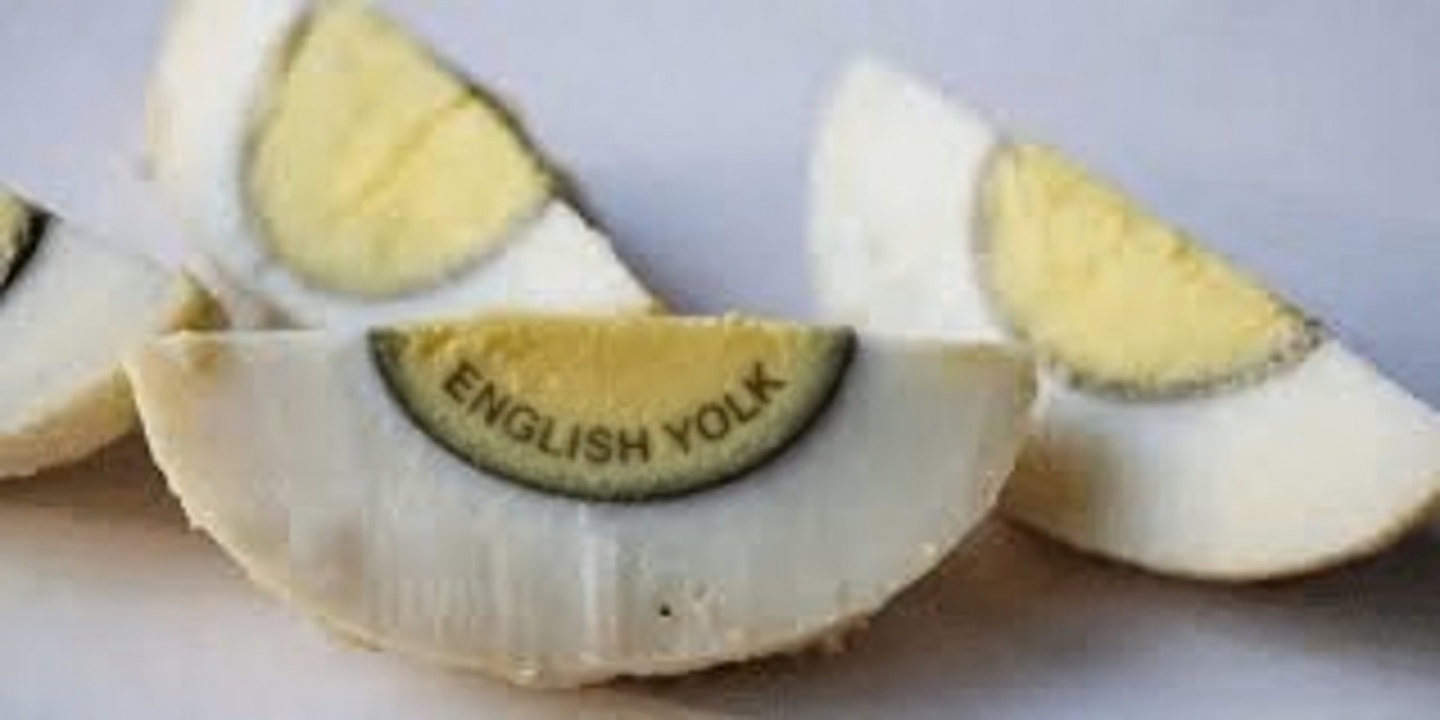
Why Hard-Boiled Eggs Develop a Green Ring Around the Yolk
Hard-boiled eggs are particularly prone to developing a green ring around the yolk because they’re cooked longer and often kept hot for extended periods. That extended time in high heat gives sulfur and iron more opportunity to react.
Other factors can also contribute to the green ring:
- Very high boiling temperatures or vigorous rolling boils
- Leaving eggs in hot water after they’re fully cooked
- Skipping or delaying the cooling step
- Using very fresh eggs in some situations, which can behave differently during cooking
The longer an egg is exposed to high heat—even after the burner is turned off—the more likely you’ll see that green ring around the yolk when you cut it open.
Step-by-Step: How to Boil Eggs Without a Green Ring
To avoid the green ring around the yolk, you need a gentler approach and precise timing. Here’s a reliable method:
-
Start with cold eggs and cold water
Place eggs in a single layer in a saucepan and cover them with about 2.5 cm (1 inch) of cold water. -
Heat to a gentle simmer, not a rolling boil
Set the pot over medium heat and bring the water just to a gentle simmer. Avoid a furious boil, which can overcook the eggs and toughen the whites. -
Cook for the right amount of time
- For large eggs: simmer for about 10–12 minutes.
- For medium eggs: 9–11 minutes.
- For extra-large eggs: 12–13 minutes.
-
Remove from heat immediately
Once the time is up, take the pot off the burner right away. Do not let the eggs sit in the hot water. -
Cool the eggs quickly
Transfer the eggs straight into an ice-water bath (or very cold running water) to stop the cooking process and prevent the green ring around the yolk from forming.
The Ice-Water Shock: Your Best Defense Against the Green Ring
Rapid cooling is one of the most effective ways to prevent the green ring around the yolk. When you plunge hot eggs into ice water, you immediately slow the reaction between sulfur and iron.
To do this:
- Prepare a large bowl of ice water before the eggs finish cooking.
- Move the eggs directly from the hot pot into the ice bath.
- Let them sit for at least 5 minutes, or until completely cool.
This quick chill keeps the yolks a vibrant yellow and often makes peeling much easier—a major bonus for anyone doing weekly meal prep.
Does the Green Ring Around the Yolk Change Taste, Safety, or Nutrition?
Finding a green ring around the yolk after you’ve already cooked a big batch of eggs can be disappointing, but it doesn’t affect the eggs’ quality in any meaningful way.
Key points to remember:
- Safety: Eggs with a green ring around the yolk are safe to eat as long as they were handled, cooked, and stored properly.
- Taste: Most people notice little to no difference in flavor. At most, the edge of the yolk may seem slightly drier.
- Nutrition: The protein, vitamins, and minerals remain essentially unchanged. The green ring does not strip away nutritional value.
You can confidently use these eggs in salads, snacks, or sandwiches without worrying that the green ring around the yolk has made them less healthy.
Extra Tricks for Perfect, Photo-Worthy Eggs
If you’re aiming for consistently beautiful hard-boiled eggs without a green ring around the yolk, these additional tips can help:
-
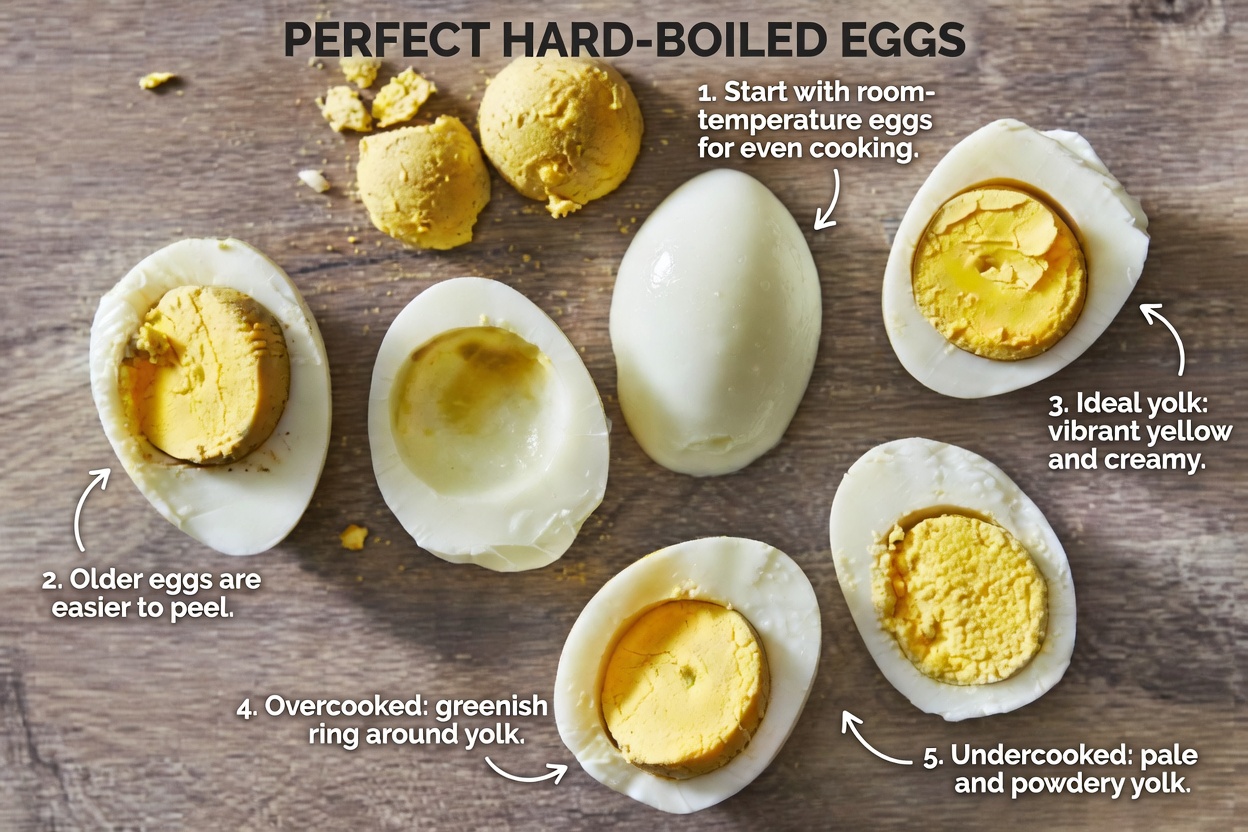
Use slightly older eggs
Eggs that are about a week old tend to peel more easily and are less likely to develop a pronounced green ring. They’re ideal for large batches and meal prep. -
Add a pinch of baking soda
A small amount of baking soda in the cooking water can make shells easier to remove and may help limit discoloration by altering the pH of the water. -
Try steaming instead of boiling
Steaming eggs over simmering water offers more even, controlled heat and can reduce the likelihood of the green ring around the yolk. -
Store correctly after cooking
Keep hard-boiled eggs (in their shells) refrigerated and use them within about a week. Proper storage helps maintain both texture and appearance.
Smart Ways to Use Eggs That Already Have a Green Ring
Even if a faint green ring around the yolk appears, your eggs are far from wasted. You can easily incorporate them into dishes where the discoloration is barely noticeable:
- Mash them into egg salad with herbs, mustard, and yogurt or mayonnaise.
- Turn them into deviled eggs, where spices and fillings mask any slight ring.
- Chop them into potato salad, green salads, or grain bowls.
- Slice them for sandwiches, wraps, or bento boxes where presentation is less critical.
This practical approach lets you prioritize flavor and nutrition without letting the green ring around the yolk derail your meal plans.
Final Thoughts: Mastering the Green Ring Around the Yolk
The green ring around the yolk is simply a sign of how eggs respond to heat—not a sign of spoilage or danger. With gentle simmering, accurate timing, and fast cooling in ice water, you can dramatically reduce or eliminate that discoloration.
The next time you boil eggs for snacks, salads, or family favorites, you’ll know exactly how to keep the yolks bright, attractive, and ready to serve with confidence.
Frequently Asked Questions About the Green Ring Around the Yolk
Is the green ring around the yolk in hard-boiled eggs safe to eat?
Yes. The green ring around the yolk is safe and does not indicate harmful bacteria or spoilage. It’s simply ferrous sulfide formed by a reaction between sulfur and iron during cooking. As long as the eggs were stored and cooked properly, they are fine to eat.
How long should I cook eggs to prevent the green ring around the yolk?
For large eggs, aim for about 10–12 minutes at a gentle simmer after the water reaches temperature. Slightly reduce the time for smaller eggs and increase it a bit for extra-large eggs or high-altitude cooking. Always follow with rapid cooling in ice water to prevent the green ring from developing.
Do older eggs increase or decrease the green ring around the yolk?
Slightly older eggs—typically around a week old—tend to be less prone to a strong green ring around the yolk and are easier to peel. They’re a great choice when you want consistent, attractive hard-boiled eggs.
This article is for informational and educational purposes only. It is not intended as professional cooking or dietary advice. Always follow safe food-handling guidelines and consult qualified experts for specific culinary or nutrition questions.