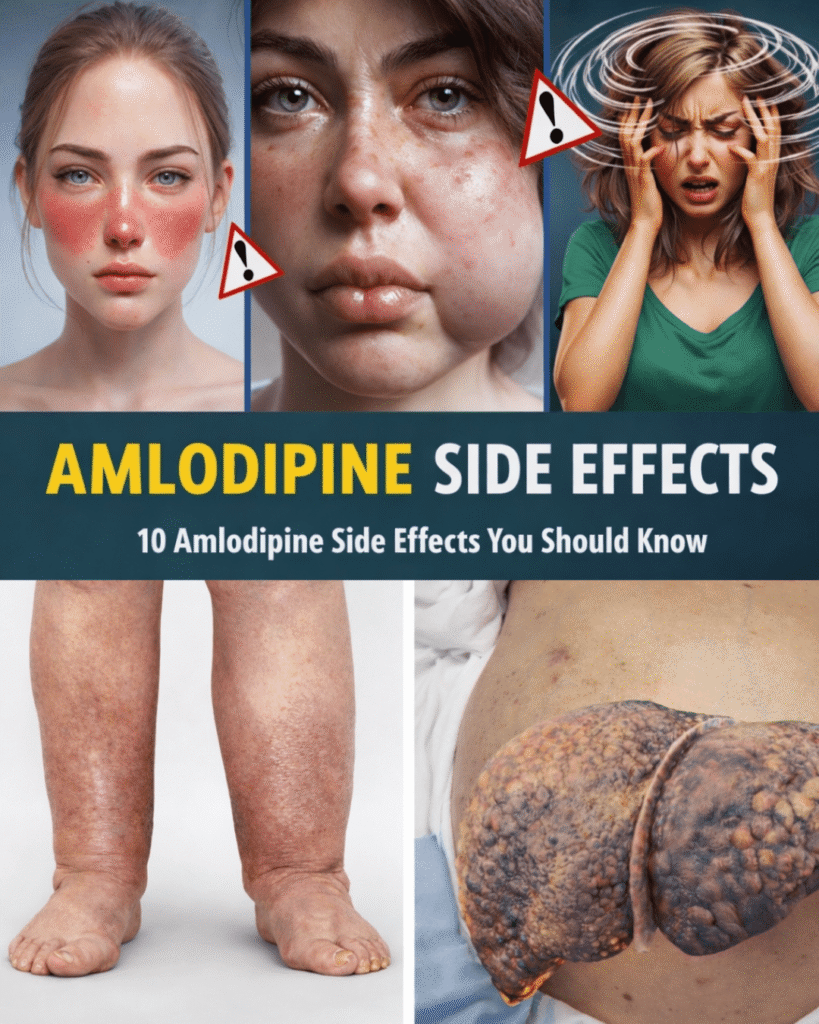
Amlodipine Side Effects: 12 Common Reactions and How to Manage Them
If you take amlodipine for high blood pressure or angina, you may notice a few side effects you did not expect. Swollen ankles, facial warmth, dizziness, or unusual tiredness can make you wonder whether the medication is causing more trouble than help. These reactions are more common than many people think, and they can affect comfort, confidence, sleep, and daily activities.
The reassuring part is that most of these symptoms are manageable once you understand why they happen. Knowing what amlodipine does inside the body can help you respond calmly, reduce discomfort, and have a more informed discussion with your doctor. There is also one simple daily habit that often makes the most annoying side effect much easier to handle.
How Amlodipine Works and Why Side Effects Happen
Amlodipine is a calcium channel blocker, a type of medicine that relaxes the muscles in the walls of blood vessels. When those vessels widen, blood flows more easily and the heart does not have to work as hard. That is why the drug is widely used to lower blood pressure and relieve chest pain.
However, the same vessel-relaxing effect can also lead to unwanted symptoms. Fluid may move into nearby tissues, blood can rise closer to the skin, and normal body regulation may temporarily shift. Information from sources such as Mayo Clinic and Drugs.com suggests that side effects are often linked to dose. Higher amounts, especially 10 mg, are more likely to cause noticeable problems, and swelling tends to be reported more often by women than men.
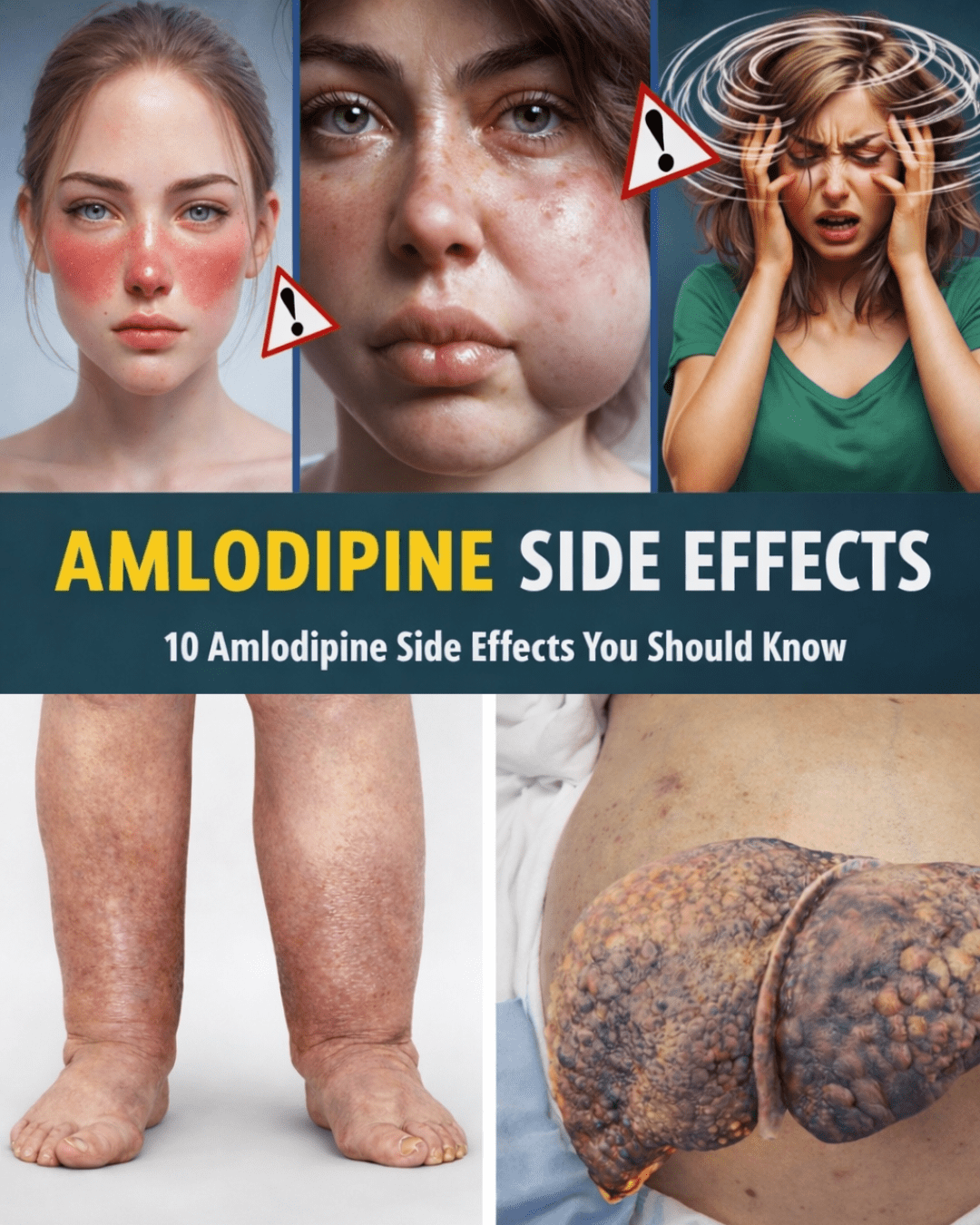
12 Common Amlodipine Side Effects
Below is a practical overview based on clinical research and reports from trusted medical references such as Mayo Clinic, WebMD, and Drugs.com.
1. Swelling in the Ankles, Feet, or Legs
This is the most frequently reported amlodipine side effect. In some studies, it affected up to 14.6% of users, especially those taking higher doses. Because blood vessels relax, fluid can seep into nearby tissue, most often in the lower legs due to gravity. It usually develops gradually and tends to be worse later in the day.
2. Facial Flushing and Warmth
A sudden warm or red feeling in the face, neck, or chest happens when blood moves closer to the surface of the skin. Although it is usually harmless, it can feel uncomfortable or embarrassing. Some people also notice mild tingling.
3. Headaches
Headaches are common during the first few weeks after starting amlodipine. As blood pressure shifts and the body adjusts, some people feel throbbing or pressure-like pain, often more noticeable in the morning.
4. Dizziness or Lightheadedness
Standing up too quickly can bring on brief dizziness. Because the medication lowers blood pressure, the body may need a moment to adjust when changing position.
5. Fatigue or Unusual Tiredness
Some users feel drained or low on energy in the first month or two. This can happen while the body adapts to changes in circulation and blood pressure.
6. Heart Palpitations
You might notice a racing, pounding, or fluttering heartbeat. In many cases this is not dangerous, but it can feel alarming if you are not expecting it.
7. Nausea
A mild queasy stomach can occur with amlodipine. For some people, it appears on its own; for others, it comes with general digestive discomfort.
8. Abdominal Pain or Stomach Upset
Some users report bloating, cramping, or vague stomach discomfort. These symptoms are usually mild but can still be frustrating.

9. Drowsiness or Sleepiness
Amlodipine can leave certain people feeling groggy or less alert during the day. This may improve over time as the body gets used to the medicine.
10. Swollen or Sensitive Gums
This lesser-known side effect is called gingival hyperplasia. The gums may become puffy, tender, or more likely to bleed while brushing or flossing.
11. Skin Rash or Itching
A mild rash, irritation, or itching can occur in some people. It may appear in one area or across different parts of the body.
12. Muscle Cramps, Aches, or Mild Tremors
Some people experience nighttime leg cramps, mild stiffness, muscle aches, or a shaky feeling. These effects are less talked about but can still occur.
A Key Point Many People Never Hear
One of the most important things to know is that these side effects are usually not dangerous for most patients. In many cases, they improve significantly or disappear altogether within a few weeks or months as the body adjusts to the medication. That is something many doctors may not have time to explain fully during a short appointment.
7 Lifestyle Tips That Can Help
If you are dealing with amlodipine side effects, these practical steps may reduce discomfort:
- Raise your legs above heart level for 20 to 30 minutes, three times a day, especially in the evening.
- Reduce salt intake as much as possible, aiming for less than 2,300 mg per day.
- Stay well hydrated, but avoid drinking very large amounts of water right before bedtime.
- Use compression socks during the day if swelling is noticeable.
- Take amlodipine at the same time daily to keep the effect consistent.
- Walk gently or do ankle-pump exercises several times a day to support circulation.
- Brush and floss twice daily, and book a dental cleaning if you notice gum swelling or tenderness.
For many people, the everyday habit that makes the biggest difference with swelling is regular leg elevation. It is simple, free, and often very effective.
When You Should Contact Your Doctor
Most side effects are mild, but some symptoms should never be ignored. Call your healthcare provider promptly if you experience:
- Sudden severe swelling
- Swelling in only one leg
- Chest pain
- Shortness of breath
- An irregular heartbeat that feels different from usual
- Yellowing of the skin or eyes, which may rarely signal liver-related issues
- Severe dizziness or fainting
According to Mayo Clinic, amlodipine can rarely make angina worse in people with serious heart disease. If something feels unusual or severe, it is best to seek medical advice right away.

Frequently Asked Questions About Amlodipine Side Effects
Do amlodipine side effects go away?
In most cases, yes. Many people find that symptoms become much milder or disappear within 4 to 8 weeks. If they continue, your doctor may reduce the dose or recommend a different medication.
Can I stop taking amlodipine if the side effects are bothering me?
No. You should not stop amlodipine suddenly without speaking to your doctor. Blood pressure can rise quickly after stopping, which may create more serious health risks than the side effects themselves.
Is amlodipine swelling the same as swelling from heart failure?
Usually, no. Swelling caused by amlodipine is often painless, affects both legs equally, and tends to improve when you lift your feet. If needed, your doctor can usually tell the difference through an exam and simple testing.
Final Thoughts
Managing high blood pressure is not only about lowering numbers. It is also about finding a treatment plan that protects your heart while still allowing you to feel well day to day. Amlodipine helps millions of people, and understanding these 12 common side effects can help you feel prepared rather than caught off guard.
The goal is not to fear the medication, but to learn how to work with it. An open conversation with your doctor can make a big difference. Sometimes a small dose change, a different dosing time, or the addition of another mild medicine can greatly improve comfort.
You should not have to choose between heart protection and quality of life.
Important Disclaimer
This article is for informational purposes only and does not replace medical advice. Side effects can vary from person to person. Always talk with your healthcare provider before changing your medication or treatment plan, and report any concerning symptoms as soon as possible.