8 Overlooked Signs That Could Be Linked to Liver Health
Your liver is constantly at work behind the scenes. It helps remove toxins, supports digestion, processes nutrients, and plays a major role in keeping your body balanced. Even so, many people overlook small body changes until the symptoms become harder to ignore. By then, confusion and concern often grow, especially when it is not clear what the body is trying to communicate.
The encouraging part is that the body often gives warning signs early. If you know what to watch for, you may be able to respond sooner. In this article, you will discover 8 lesser-known signs that may point to liver-related concerns, along with simple lifestyle habits and everyday foods that can support overall wellness. One of these signs is especially common, yet many people do not realize it may be connected.
Why the Liver Is So Important
Think of the liver as your body’s internal processing center. It helps break down nutrients from food, filters waste from the bloodstream, and supports many essential chemical functions. When liver function begins to change, the effects may appear in places you would not expect.
Trusted medical organizations such as the Mayo Clinic note that liver-related issues often begin with mild symptoms that are easy to dismiss. That is why awareness matters. Catching these subtle clues early can help you make informed decisions about your health.
8 Hidden Signs That May Be Related to Liver Concerns
These symptoms are often mentioned in major health resources. They do not always mean there is a serious liver problem, since many conditions can cause similar changes. A doctor is the best person to evaluate them properly.
Here is a quick summary:
- Ongoing itchy skin with no obvious cause
- Red spots or unexplained skin rashes
- Belly swelling or changes in the abdomen
- Persistent fatigue without a clear reason
- Dark urine
- Pale or clay-colored stools
- Bruising easily or slow healing
- Swollen legs or ankles
Let’s look at each sign more closely.
1. Ongoing Itchy Skin Without an Obvious Cause
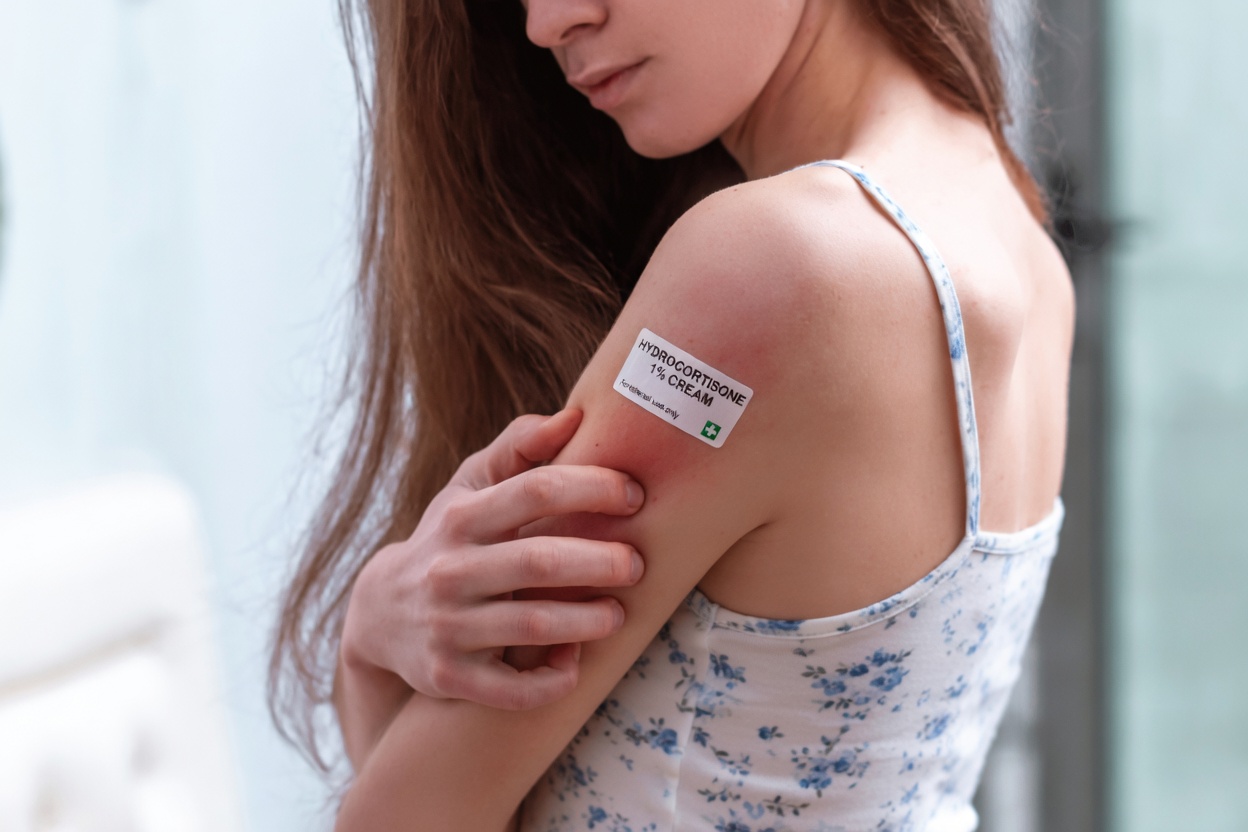
Unexplained itching can be one of the earliest signals. It may affect the arms, palms, legs, or larger areas of the body. In some cases, the itching becomes intense enough to disturb sleep or interfere with daily comfort.
Medical references, including the Mayo Clinic, often list itchy skin as a possible sign associated with liver function changes. While dry skin and allergies are common causes too, persistent itching without a clear explanation is worth paying attention to.
2. Red Spots or Unusual Skin Rashes
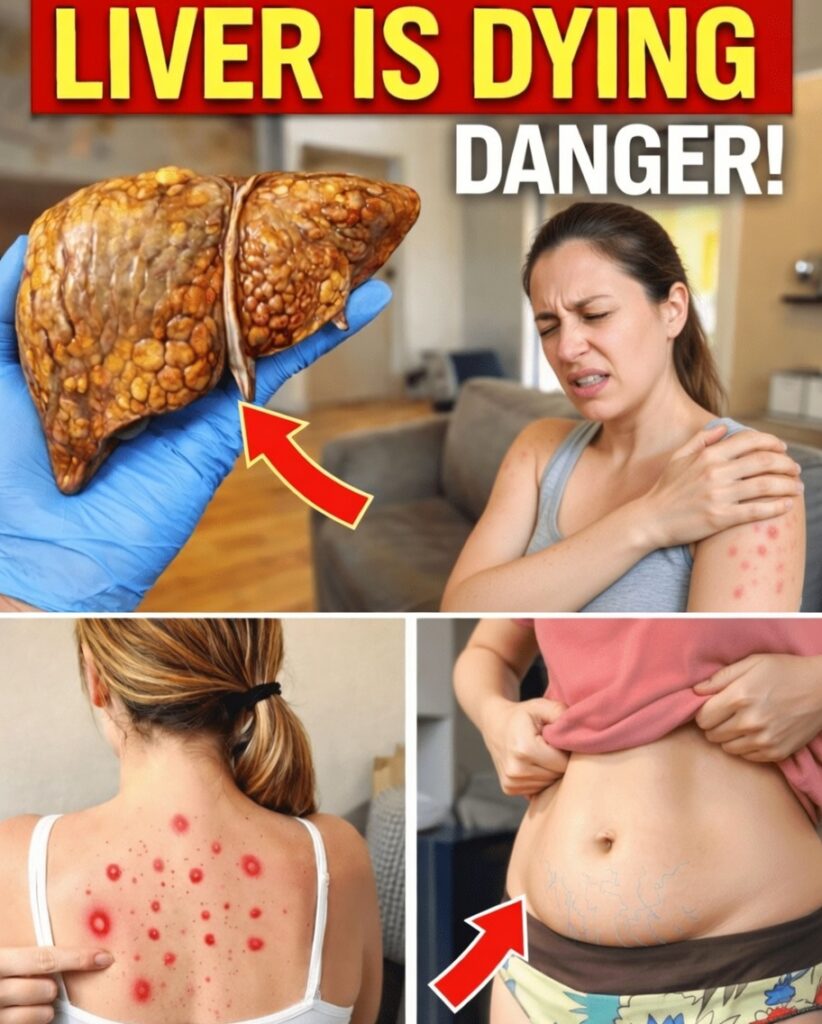
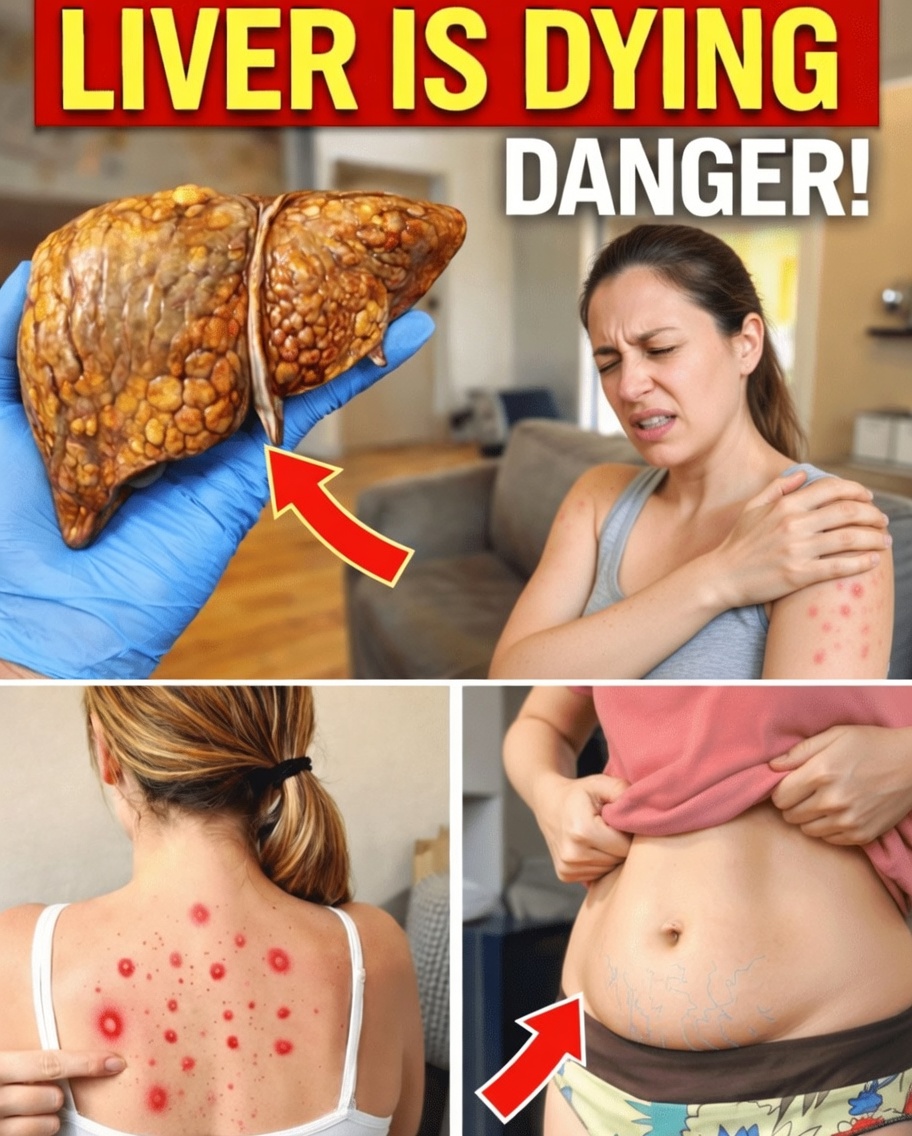
Another possible clue is the appearance of red circular spots, blotches, or unexplained rashes, especially across the back or other visible areas of skin. Some people first notice these changes in the mirror, while others have them pointed out by someone else.
These skin changes may be linked to how the liver influences blood vessels and general skin condition. Although many skin issues are harmless, sudden or ongoing changes should not be ignored.
3. Abdominal Swelling or Noticeable Changes
A bloated stomach, visible swelling, discomfort in the midsection, or a feeling of pressure in the abdomen may also be connected to liver-related issues. Some people notice their clothes fitting more tightly, while others feel tenderness when touching the area.
WebMD and other health sources commonly mention abdominal swelling as one sign to watch when liver function is affected.
4. Constant Fatigue That Does Not Improve
Feeling tired all the time is one of the most frequently reported symptoms in many health conditions, including liver concerns. If you are getting enough rest but still feel drained, weak, or mentally foggy, it may be a signal your body needs attention.
The American Liver Foundation identifies fatigue as one of the most common early complaints associated with liver problems. Because the liver plays an important role in metabolism and energy regulation, even mild dysfunction can affect how you feel each day.
5. Darker-Than-Usual Urine
Urine that looks unusually dark, such as a tea-like or cola-like shade, can be another important sign. This kind of change may happen when bile flow is altered or when certain substances build up in the body.
Resources from the Cleveland Clinic note that urine color can provide useful insight into internal health. If dark urine continues despite good hydration, it is a good idea to speak with a healthcare professional.
6. Pale or Light-Colored Stools
Stools that lose their usual brown color and appear pale, grayish, or clay-colored may also suggest a change in bile processing. Because bile helps give stool its normal color, changes here can offer an important clue.
This is one of those bathroom-related signs people often overlook, but it can be helpful information when combined with other symptoms.
7. Easy Bruising or Slow Healing
If bruises appear more easily than usual, or small cuts seem to take longer to heal, it could point to changes in the body’s clotting process. The liver helps make proteins involved in blood clotting, so reduced function may affect how well the body responds to minor injuries.
Although bruising can happen for many reasons, frequent unexplained bruises are worth monitoring.
8. Swollen Legs and Ankles
Swelling in the lower legs, feet, or ankles is another symptom that may be related to fluid balance issues. Many people notice it most clearly at the end of the day or after standing for long periods.
When this sign appears together with other symptoms on this list, it may be more meaningful and should not be brushed aside.
When Multiple Symptoms Appear Together
A single symptom does not automatically mean there is a liver issue. However, if several of these signs show up at the same time, last for weeks, or steadily get worse, it becomes more important to get checked. The body often gives messages gradually, and paying attention early can make a big difference.
Simple Ways to Support Liver Health
Taking care of your liver does not have to be complicated. A few daily habits can go a long way in supporting normal function and overall wellness.
Try these practical steps:
- Drink at least 8 glasses of water a day to support natural detoxification
- Add regular physical activity such as walking, stretching, or yoga
- Cut back on processed foods, excess sugar, and alcohol
- Prioritize 7 to 9 hours of quality sleep each night
- Build meals around more whole foods, especially vegetables and fruits
Consistency matters more than dramatic changes. Small routines practiced daily are often the easiest to maintain.
Everyday Foods That May Help Support Liver Wellness
Several common ingredients are often studied for their potential role in supporting liver health. Adding them to your meals is a simple way to make your diet more nutrient-rich.
Consider including:
- Turmeric: Use fresh or ground turmeric in soups, teas, or cooked dishes
- Garlic: Crush or chop it into meals for added flavor and beneficial compounds
- Broccoli and cauliflower: Roast or steam these vegetables regularly
- Lemons: Add fresh lemon juice to water or meals
- Green tea: Enjoy it as a light, antioxidant-rich drink
- Berries: Eat them fresh, frozen, or blended into smoothies
- Leafy greens: Add spinach, kale, or similar greens to salads and stir-fries
These ingredients are widely available and easy to work into a normal routine. For example, you could start the day with warm lemon water, add berries to breakfast, and season dinner with garlic and turmeric. Often, it is these small, repeated habits that help people feel better over time.
Final Thoughts
Paying attention to these 8 hidden signs can help you become more aware of your body and its needs. While these symptoms do not confirm a liver problem on their own, they can serve as useful signals that something may need attention.
Combining symptom awareness with healthy habits, hydration, movement, and nutrient-rich foods can support overall liver wellness. The small choices you make today may have a meaningful impact on how you feel in the future.
FAQ
1. Do these symptoms always mean there is a serious liver problem?
No. These signs can result from many different causes, including diet, medications, dehydration, skin conditions, or other health issues. A healthcare provider can help determine the real cause.
2. What is the fastest way to start supporting liver health?
Begin with simple basics: drink more water, eat more vegetables, include helpful ingredients like leafy greens and garlic, and reduce alcohol and heavily processed foods. Steady habits are more important than being perfect.
3. When should I see a doctor?
You should talk to a doctor if these symptoms last more than a couple of weeks, become more severe, or appear together. A professional evaluation and basic testing can help identify what is going on.
Disclaimer
This content is for informational purposes only and should not be used as a substitute for professional medical advice, diagnosis, or treatment. Always consult a qualified healthcare provider regarding symptoms, health concerns, or dietary changes.