
10 Often-Missed Signs of Pancreatic Cancer You Should Not Ignore
Many adults dismiss small physical changes as part of getting older or dealing with everyday stress. Feeling unusually drained, losing interest in meals, or noticing that clothes fit differently may not seem alarming at first. However, some of these quiet changes can be subtle symptoms of pancreatic cancer and may deserve medical attention.
This guide covers 10 subtle symptoms of pancreatic cancer that are commonly overlooked, helping you stay more aware of your health. The final sign is especially important because it relates to everyday bathroom habits and may be worth mentioning during a routine conversation with your doctor.

Why Pancreatic Cancer Symptoms Are Easy to Miss
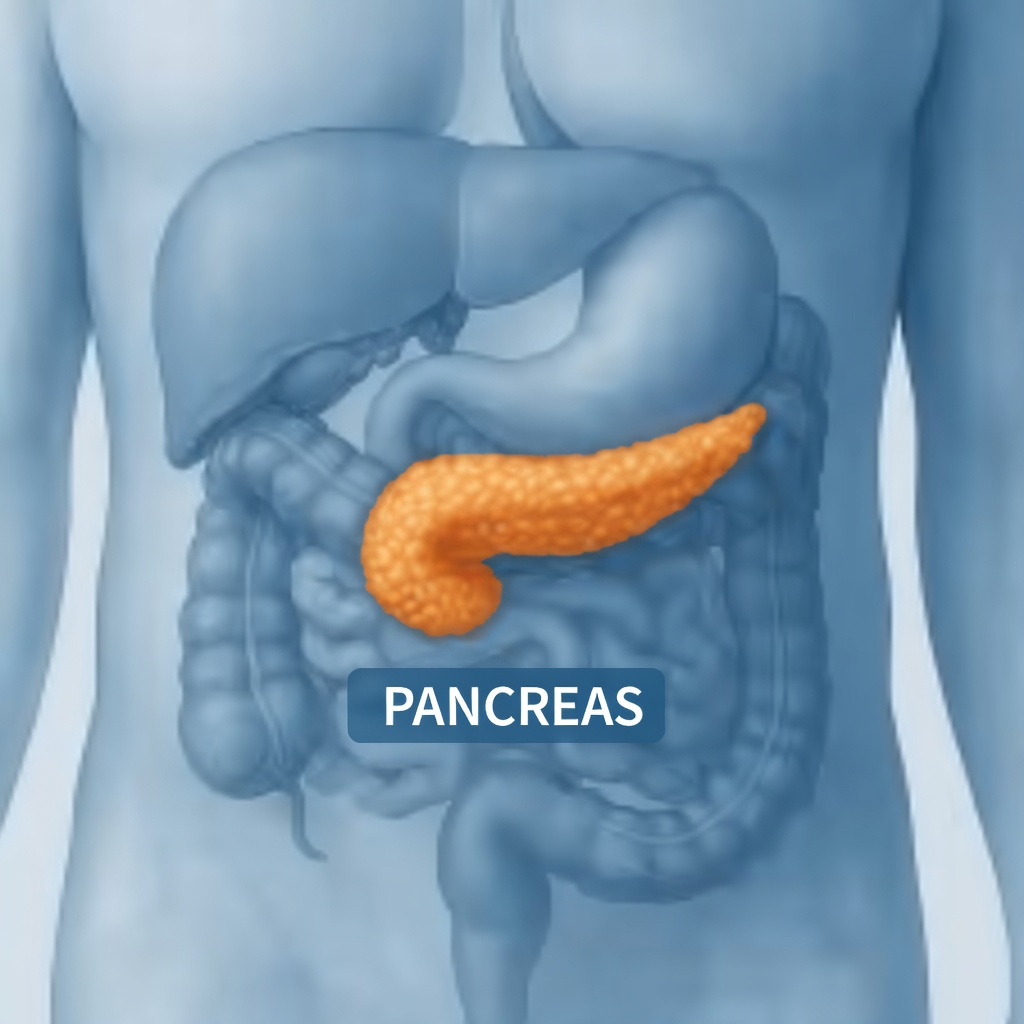
The pancreas is located deep in the abdomen, behind the stomach. It plays a major role in digestion and blood sugar regulation, but because of its hidden position, problems involving the pancreas can be difficult to detect early.
That is one reason subtle symptoms of pancreatic cancer often go unnoticed until they become more obvious. Studies have shown that many cases are discovered only after symptoms have progressed. For this reason, paying attention to ongoing changes in your body can be an important part of protecting your overall health.
Another challenge is that subtle symptoms of pancreatic cancer can look like common issues such as indigestion, tiredness, or appetite changes. While age, family history, and lifestyle may influence risk, recognizing persistent warning signs remains especially important.
10 Subtle Symptoms of Pancreatic Cancer to Watch For
These signs do not automatically mean cancer is present, but if they continue or appear together, they may be worth discussing with a healthcare professional. The list below is based on general medical knowledge and is not a diagnosis.
10. Changes in Stool or Urine Color
One of the most overlooked subtle symptoms of pancreatic cancer involves changes in the bathroom. Pale, greasy, or floating stools may appear when digestion is affected. Urine may also become darker than usual.
These changes can happen when bile flow is blocked or disrupted. Many people blame diet or dehydration, but if these bathroom changes continue, they may deserve a closer look.
9. Unexplained Blood Clots
Unexpected blood clots can sometimes be linked to pancreatic cancer. Sudden swelling, pain, or redness in the leg may be a warning sign.
Because these symptoms are often mistaken for muscle strain or poor circulation, they may be ignored at first. Still, unexplained clotting should always be evaluated by a medical professional.

8. Ongoing Fatigue
Persistent exhaustion that does not improve with rest can be another subtle symptom of pancreatic cancer. This is not the usual tiredness that follows a busy week or a poor night’s sleep.
Instead, it may feel like a deep and lasting lack of energy. When fatigue appears alongside weight loss, appetite changes, or digestive problems, it can become more concerning.
7. Severe Itching Without a Rash
Strong itching, especially without a visible skin rash, can sometimes be tied to pancreatic issues. This may happen when bile salts build up in the body and irritate the skin.
For some people, the itching becomes worse at night. It is easy to assume the cause is allergies or dry skin, but persistent itching with no clear explanation should not be ignored.
6. New-Onset Diabetes After Age 50
Developing diabetes later in life, especially without common risk factors, can occasionally be one of the subtle symptoms of pancreatic cancer. A tumor may interfere with the pancreas and affect insulin production.
This may show up through unexpected changes in blood sugar, often along with increased thirst and more frequent urination. While new diabetes is common and usually unrelated to cancer, it can still be worth discussing with a doctor in the right context.
5. Loss of Appetite
A reduced desire to eat can be another early warning sign. Foods you normally enjoy may suddenly seem unappealing, or you may feel full after eating only a small amount.
Over time, this can contribute to unplanned weight loss. When appetite changes linger for no obvious reason, they should be monitored carefully.
4. Ongoing Digestive Problems
Digestive trouble is one of the easiest pancreatic cancer symptoms to misread. Nausea, bloating, discomfort after meals, or changes in stool may all occur when the pancreas is not functioning properly.
Some people also notice pale or oily stools, which can happen when the body is not getting enough digestive enzymes. These symptoms are often blamed on something recently eaten, but if they persist, they may warrant medical advice.
3. Upper Abdominal Pain That Spreads to the Back
Pain in the upper abdomen that extends into the back can be a subtle but important symptom. It may feel dull, nagging, or difficult to describe.
In some cases, the discomfort gets worse after eating or when lying flat. Because it can resemble indigestion or muscle tension, many people delay seeking help.

2. Unexplained Weight Loss
Losing weight without changing your diet or activity level can be a significant warning sign. Pancreatic problems may interfere with digestion and prevent the body from absorbing nutrients properly.
Some people initially welcome the weight loss, especially if it seems to happen without effort. But unexpected weight loss, particularly when combined with fatigue or appetite changes, should be taken seriously.
1. Jaundice
Jaundice is one of the more visible subtle symptoms of pancreatic cancer. It causes yellowing of the skin and the whites of the eyes.
This can happen when a blockage prevents bile from flowing normally. Jaundice often appears along with dark urine, pale stools, or itchy skin. For many people, it becomes the first sign that something is clearly wrong.

Quick Overview of Common Subtle Symptoms of Pancreatic Cancer
| Symptom | Common Related Signs | Possible Reason |
|---|---|---|
| Jaundice | Itchy skin, dark urine | Blocked bile duct |
| Unexplained weight loss | Fatigue, poor appetite | Trouble absorbing nutrients |
| Upper abdominal pain | Pain moving to the back | Pressure from a tumor |
| Digestive problems | Nausea, pale stools | Lack of digestive enzymes |
| Loss of appetite | Feeling full quickly | Digestive system disruption |
| New-onset diabetes | Thirst, frequent urination | Changes in insulin production |
| Intense itching | Worse at night | Bile salt buildup |
| Persistent fatigue | Not relieved by rest | Energy and nutrient depletion |
Simple Ways to Track Symptoms
Taking a few practical steps can help you stay more aware of changes in your body. Consider the following:
- Keep a daily health journal and record symptoms such as fatigue, appetite loss, digestive discomfort, or stool changes.
- Schedule routine medical visits, especially if you have risk factors such as age or family history.
- Support your general health with balanced meals, hydration, and light physical activity.
- Pay attention to patterns rather than isolated events. Symptoms that continue, return often, or appear together matter most.
- Mention even small changes to your doctor, particularly jaundice, unexplained weight loss, new diabetes, or ongoing digestive issues.
When to Talk to a Doctor
Many of these symptoms can also be caused by less serious conditions. Still, persistent or unusual changes should not be brushed aside. If you notice several of these subtle symptoms of pancreatic cancer at the same time, or if one symptom becomes more noticeable over time, it is a good idea to seek medical advice.
Early attention does not guarantee a specific diagnosis, but it can help identify problems sooner and give you greater clarity about your health. Sometimes the most important step is simply starting the conversation.