Dry Mouth at Night: 8 Common Causes and What You Can Do About It
Waking up with a dry mouth during the night can make sleep feel anything but restful. Instead of starting your day refreshed, you may wake up with a sticky, rough feeling in your mouth and immediately reach for water. This uncomfortable symptom can also come with bad breath, a sore throat, and concerns about your teeth and general health.
If dry mouth at night keeps happening, you are not alone. It affects millions of people and can disrupt sleep, comfort, and daily well-being. The encouraging part is that once you understand what is causing it, you can often find relief with practical changes that begin right away.
Keep reading to learn the eight most common reasons for dry mouth at night and the best ways to address each one.
1. Lower Saliva Production at Night and Aging
Your body naturally makes less saliva while you sleep. For many people, this becomes more noticeable with age. Studies suggest that resting saliva flow may decline by around 38% to 44% after age 60, making nighttime dryness more frequent and more intense.
When saliva levels drop, your mouth can feel dry, uncomfortable, and harder to use normally in the morning. Swallowing, speaking, and even simple comfort may be affected. If you are older and regularly waking up with dry mouth at night, this natural decline may be a major factor.
2. Mouth Breathing, Snoring, and Sleep Apnea
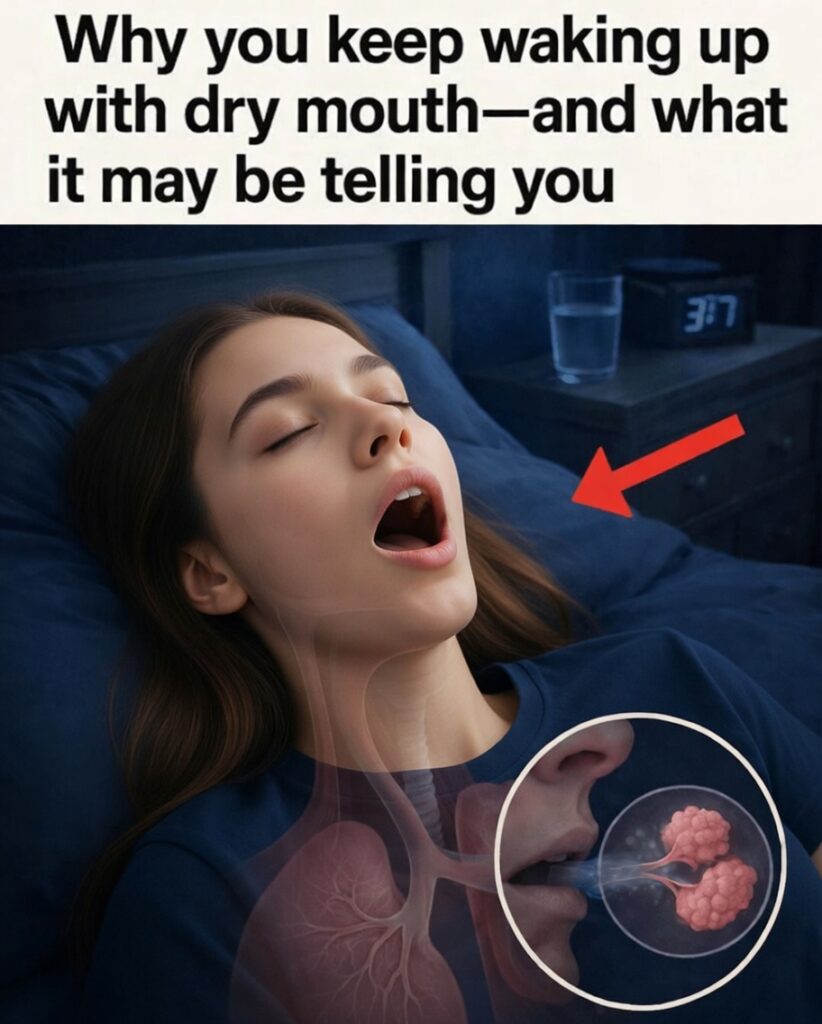
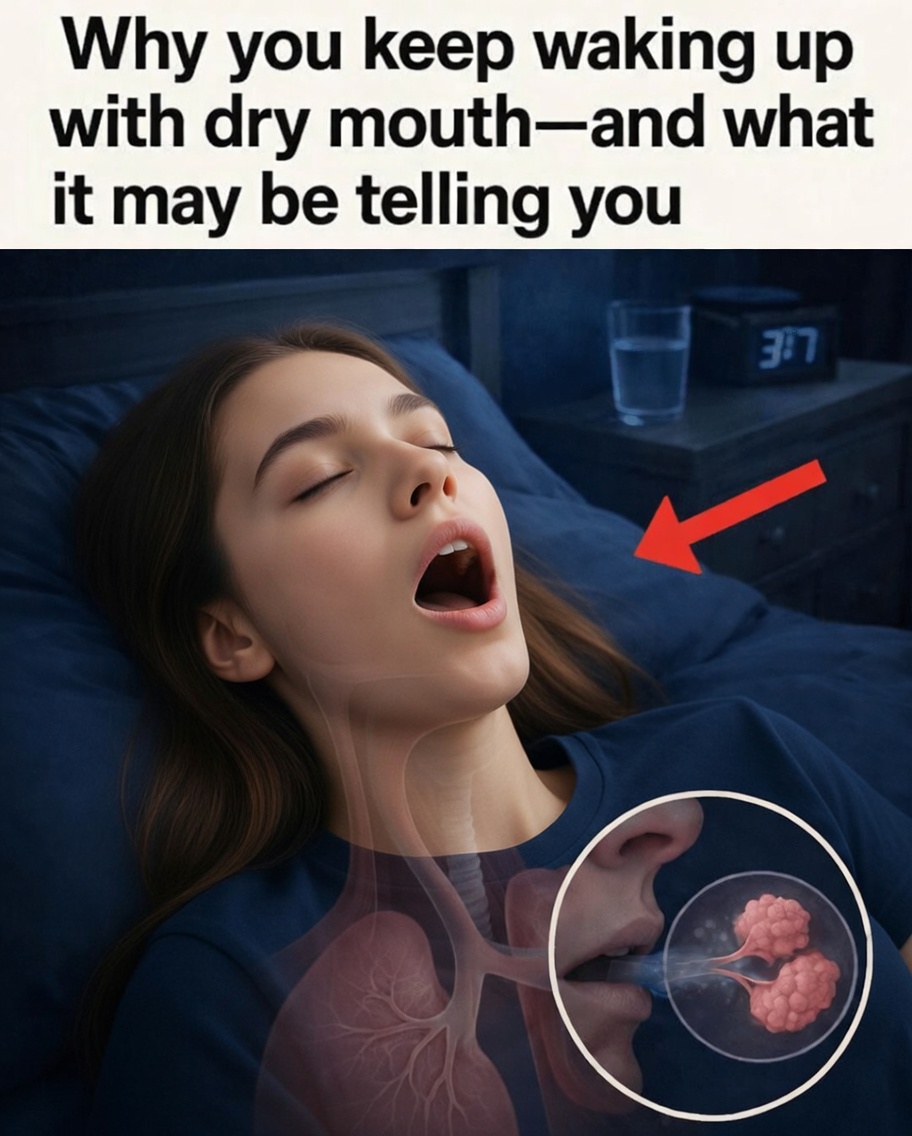
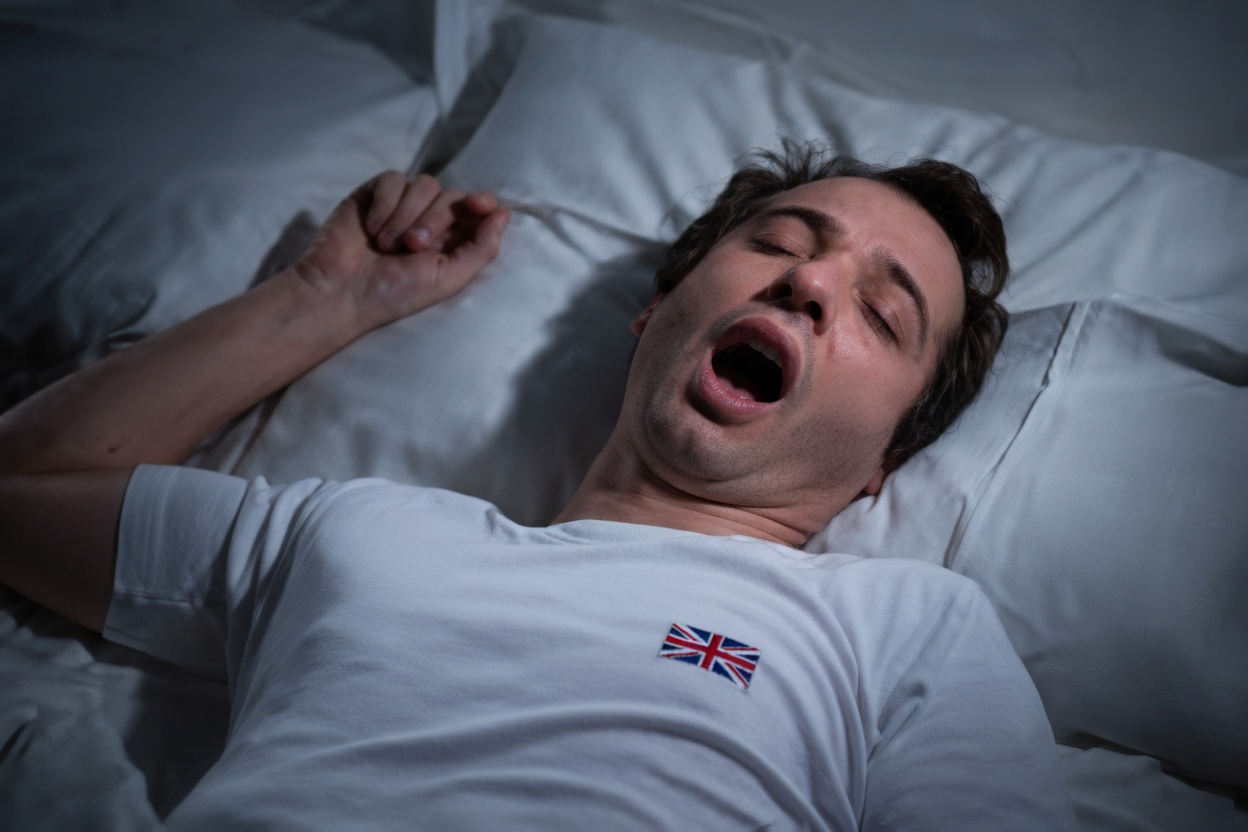
Sleeping with your mouth open can dry out the small amount of saliva that remains overnight. That is why mouth breathing is one of the leading causes of dry mouth at night.
Snoring and untreated sleep apnea can make this worse by forcing your mouth open so you can breathe more easily. As air moves across the tissues in your mouth, moisture evaporates quickly. The result can be a dry mouth, sore throat, poor sleep, and next-day fatigue.
If you often wake up with dryness, snoring, gasping, or throat irritation, it may help to look into ways to improve airflow and support nasal breathing.
3. Side Effects From Medications
A large number of prescription and over-the-counter medicines can reduce saliva production. This is one of the most common reasons people suddenly begin waking up with dry mouth at night.
Drugs often linked to dry mouth include medications for:
- Allergies
- High blood pressure
- Depression
- Pain relief
These medicines may interfere with the nerves and signals that help keep the mouth moist. Because saliva naturally drops at night anyway, the dryness may feel especially noticeable when you are trying to sleep.
If your symptoms began after starting a new medication, talk with your doctor or pharmacist. A professional may be able to adjust the dose, timing, or type of treatment without you stopping it on your own.
4. Dehydration and Evening Habits
Not drinking enough water can easily contribute to dry mouth at night. Certain evening habits also make the problem worse, especially:
- Caffeine
- Alcohol
- Tobacco use
These can dehydrate the body, reduce saliva flow, and sometimes relax the throat enough to increase mouth breathing. That combination often leads to interrupted sleep and a dry, uncomfortable mouth by morning.
Simple hydration habits can help. Drinking water steadily through the evening, rather than consuming a lot all at once before bed, may support better moisture levels overnight.
5. Autoimmune Disorders Such as Sjögren’s Syndrome
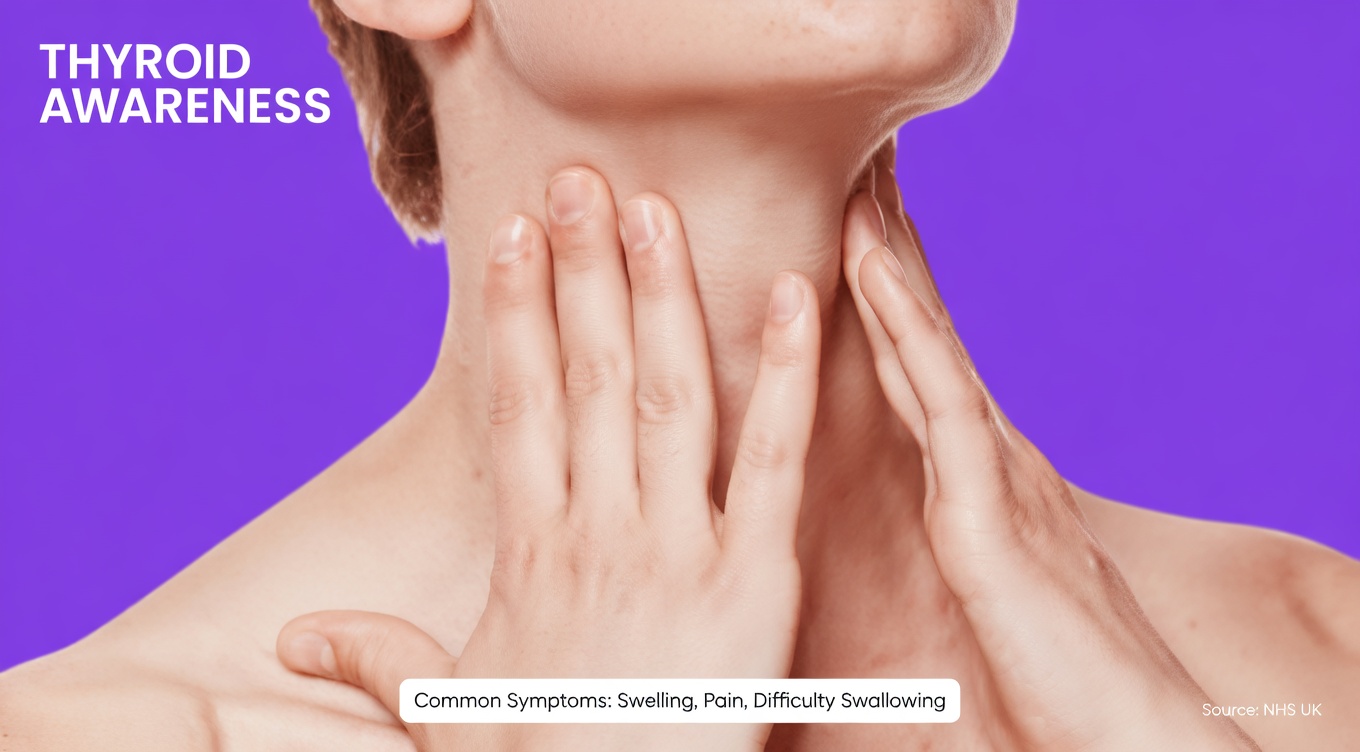
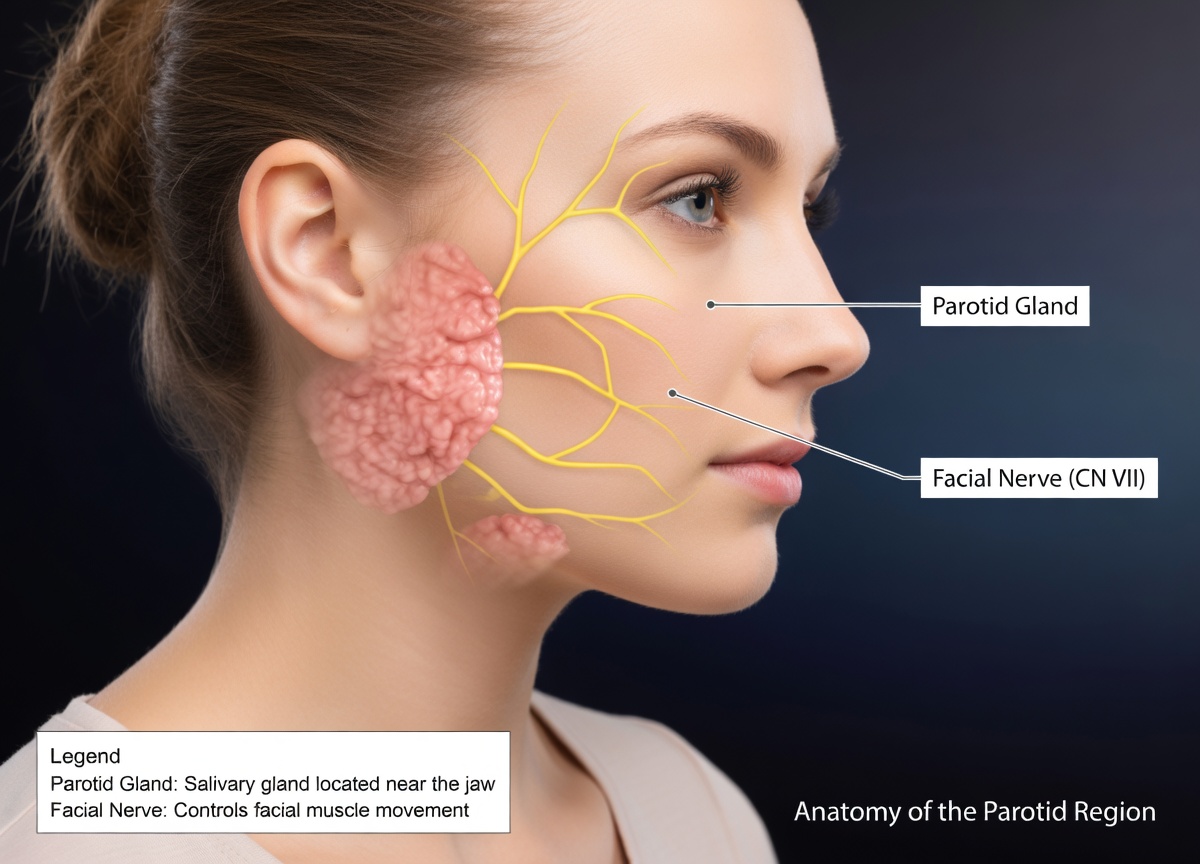
In some cases, dry mouth at night is not just a simple sleep-related issue. Autoimmune conditions like Sjögren’s syndrome can target the glands that produce moisture, leading to ongoing and more severe dryness.
This kind of condition often causes more than just a dry mouth. Other warning signs may include:
- Dry or gritty eyes
- Fatigue
- Joint pain
- Swollen glands
If you have persistent nighttime dry mouth along with these symptoms, it is important to seek medical evaluation. Early diagnosis can make symptom management easier and help protect long-term comfort and oral health.
6. Diabetes and Other Medical Conditions
Health conditions such as diabetes can affect the nerves and blood vessels involved in saliva production. This is one reason many people with diabetes notice more dryness at night.
High blood sugar can also increase the risk of dehydration, even if you think you are drinking enough. Other chronic or neurological conditions, as well as past injuries, may have a similar effect.
If dry mouth at night is linked to a broader health issue, improving management of the underlying condition often helps reduce symptoms. Good hydration can also play an important role.
7. Smoking, Vaping, and Recreational Drug Use
Smoking and vaping can irritate oral tissues and decrease saliva flow over time. Some recreational substances may do the same. As a result, people who use these products often experience dry mouth more often, especially at night.
The heat and chemicals involved can also affect the salivary glands and irritate the gums, adding to discomfort and increasing oral health risks. Many people notice a cycle of:
- Nighttime dryness
- Bad breath
- Poor sleep
- Ongoing mouth irritation
Reducing or stopping these habits may significantly improve dry mouth symptoms and overall oral comfort.
8. Cancer Treatment and Salivary Gland Damage
Treatments for cancer can sometimes lead to long-term dry mouth. This is especially true for:
- Radiation to the head or neck
- Certain chemotherapy drugs
- Surgery involving the salivary glands
When the glands are damaged, they may produce much less saliva. That can make eating, speaking, and sleeping more difficult, while also increasing the risk of tooth and gum problems.
If your dry mouth is related to cancer treatment, working closely with your dentist and healthcare team is especially important. A personalized care plan can help protect your mouth and improve nighttime comfort.
How to Relieve Dry Mouth at Night
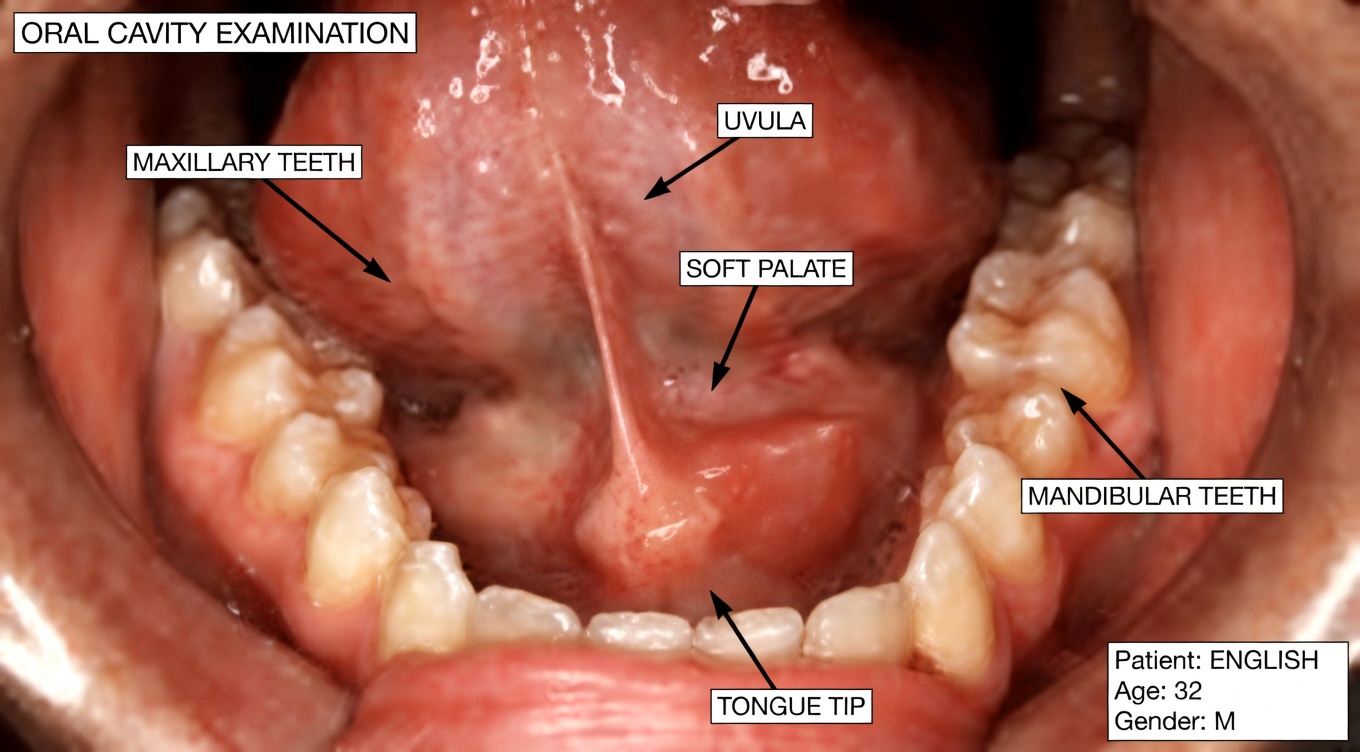
Many cases of dry mouth at night improve with a few simple adjustments. You can start with these practical steps:
- Chew sugar-free gum or use sugar-free lozenges before bed to encourage saliva production.
- Keep water nearby and sip small amounts during the evening.
- Use saline nasal rinses or a humidifier if congestion is making you breathe through your mouth.
- Reduce evening intake of caffeine, alcohol, and tobacco.
- Maintain regular dental checkups.
- Use fluoride toothpaste to help protect your teeth.
These habits may not solve every case, but they often provide noticeable relief.
When to See a Doctor or Dentist
You should talk to a healthcare professional if your dry mouth at night continues even after making lifestyle changes, or if it comes with other symptoms such as:
- Trouble swallowing
- Ongoing dry eyes
- Swollen glands
- New cavities or dental issues
Persistent symptoms should not be ignored. A dentist or doctor can help identify the cause and recommend the right treatment.
Final Thoughts: Take Control of Dry Mouth at Night
Dry mouth at night does not have to become your normal. By learning the most common causes and making a few focused changes, you can improve your sleep and wake up feeling more comfortable.
Small actions like staying hydrated, breathing through your nose, and keeping up with dental care can make a meaningful difference. Healthy saliva flow supports not only your mouth, but also your sleep quality, digestion, and overall health.
FAQ
What is the most common cause of dry mouth at night?
The most common reasons are reduced saliva production during sleep, mouth breathing, and medication side effects. Drinking water regularly and using a humidifier may help ease symptoms.
Can dry mouth at night harm your teeth?
Yes. Saliva helps protect your teeth and gums by washing away bacteria and neutralizing acids. If dry mouth happens often, it can raise the risk of bad breath, cavities, and gum problems.