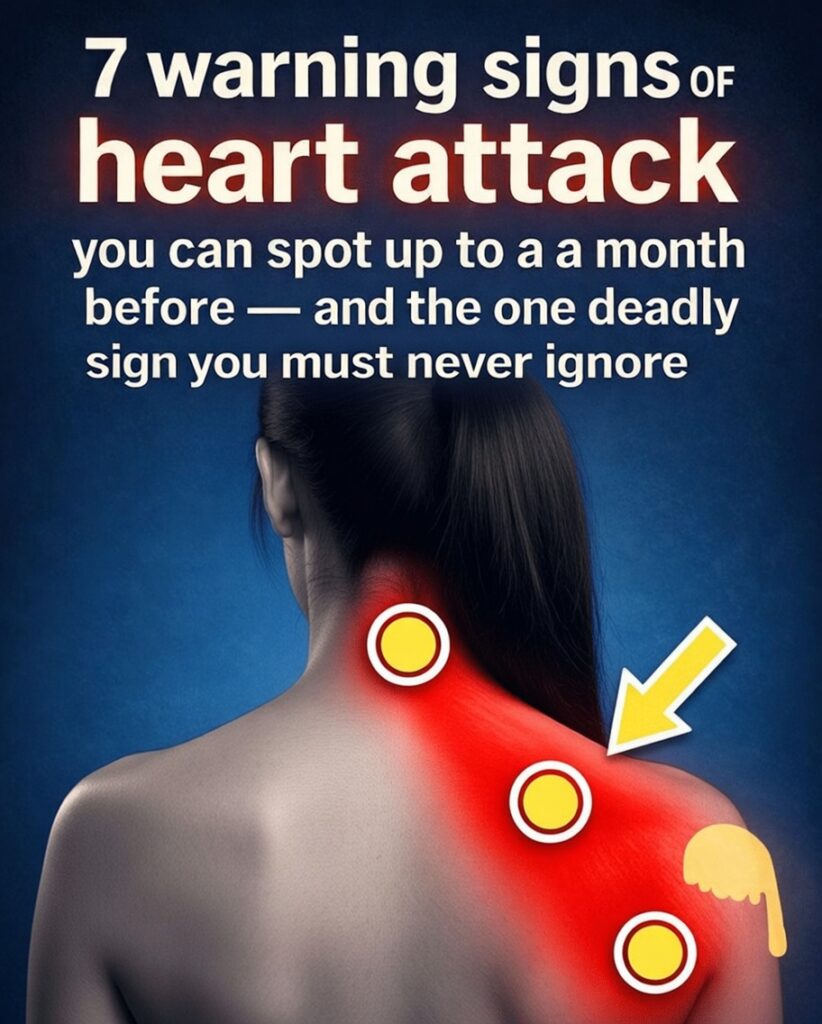
Heart Attack Warning Signs You Should Never Ignore
Many people carry a silent fear that a heart attack could happen without warning, changing everything in an instant and leaving families devastated. That fear can make ordinary symptoms—like chest pressure or unusual tiredness—feel alarming, especially because heart problems often begin with subtle signals long before they become life-threatening.
The good news is that the body often gives clues weeks in advance. In some cases, warning signs of a heart attack may appear up to a month before a medical emergency. Recognizing those signs early can help you take action sooner and protect your health.
Most importantly, there is one symptom experts say you should never dismiss. We’ll get to that after reviewing the major warning signs and the key risk factors that affect heart health.
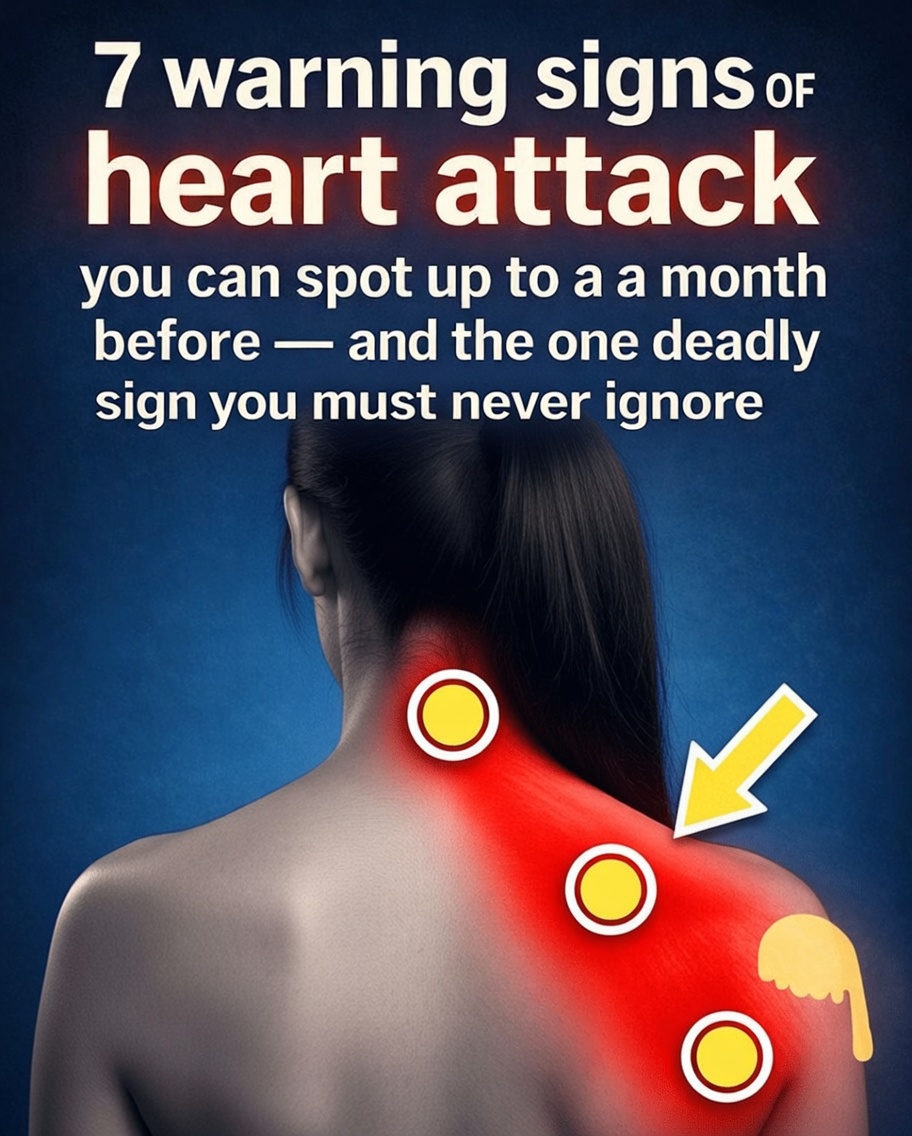
7 Major Warning Signs of a Heart Attack
1. Chest Pain, Pressure, or Tightness
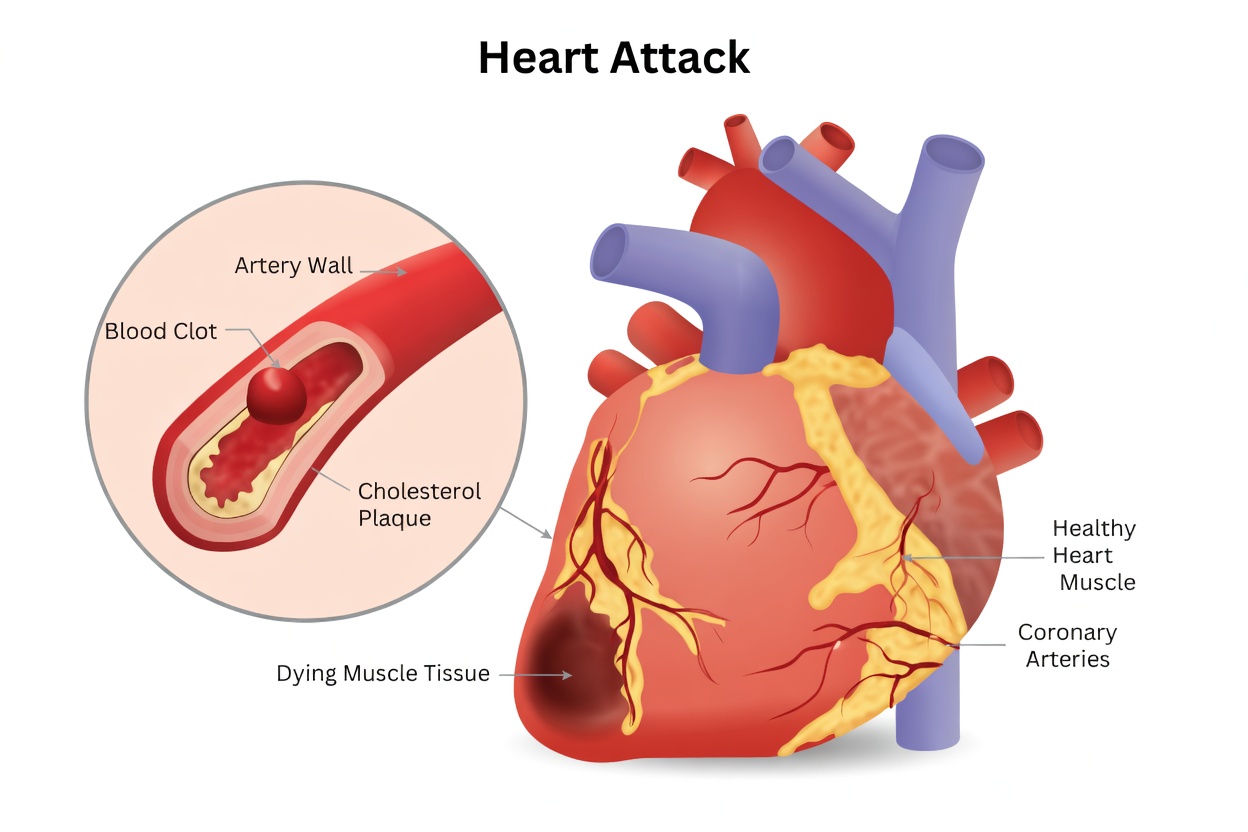
Chest discomfort is one of the best-known warning signs of a heart attack. For many people, it does not feel like a sharp stab. Instead, it may feel like heaviness, squeezing, fullness, or pressure in the center of the chest.
This happens when blood flow to part of the heart is reduced, depriving the heart muscle of oxygen. Because the sensation can resemble severe indigestion or heartburn, some people delay getting help. That delay can be dangerous. If chest pressure appears suddenly or feels unusual, take it seriously.
2. Pain or Numbness Spreading Beyond the Chest
Heart attack symptoms do not always stay in the chest. Discomfort may travel to the left arm, shoulders, jaw, neck, back, or even the stomach.
This radiating pain occurs because the nerves connected to the heart share pathways with other parts of the body. The result may be aching, tingling, pressure, or numbness that seems unrelated at first. Even if chest pain is mild, discomfort spreading to these areas can be an important warning sign.
3. Nausea or Vomiting
An upset stomach may not seem like a heart-related symptom, but nausea and vomiting can occur during a heart attack. In some cases, irritation of the vagus nerve—which helps regulate digestion—can trigger these symptoms.
When nausea appears suddenly without an obvious cause, especially with chest discomfort, sweating, or shortness of breath, it should not be ignored. What feels like a minor digestive problem may actually be a cardiac warning.
4. Dizziness or Lightheadedness
Feeling faint, weak, or unsteady can be another sign that the heart is not pumping enough oxygen-rich blood through the body. Some people describe it as sudden lightheadedness, while others feel as if the room is spinning.
Although dizziness has many possible causes, it becomes especially concerning when it appears together with chest pressure, breathlessness, or sweating. Recognizing it as a possible heart attack symptom can help you seek urgent care before the condition worsens.
5. Cold Sweats
Breaking out into a cold sweat for no clear reason is a common but often overlooked symptom. You may become pale, clammy, and suddenly drenched in perspiration even when you are not exercising or overheated.
This reaction is linked to the body’s stress response as the cardiovascular system struggles. If unexplained sweating happens with other symptoms, it may signal more than anxiety or fatigue.
6. Sudden Anxiety or a Sense of Doom
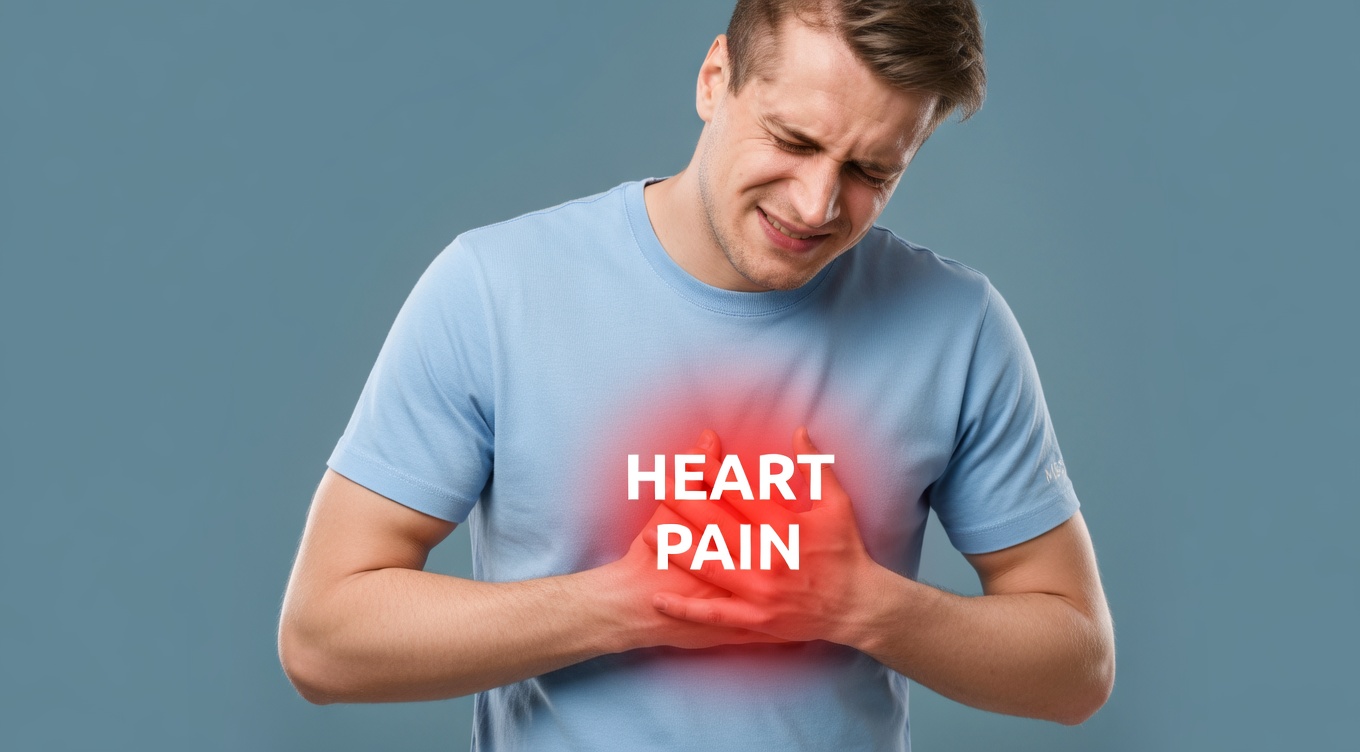
Some people experiencing a heart attack report an intense feeling that something is terribly wrong. This is more than everyday stress. It can feel like overwhelming panic, dread, or a strong sense of impending disaster.
Because this symptom is emotional, it is often brushed off as purely psychological. Yet in some cases, it is part of the body’s warning system. If that feeling comes together with physical symptoms, it deserves immediate attention.
7. Shortness of Breath
Difficulty breathing—especially while resting or doing very little—can be one of the most urgent warning signs of a heart attack. When the heart cannot pump efficiently, fluid may begin to back up into the lungs, making breathing harder.
You may feel winded during simple movements, or struggle to catch your breath even while sitting still. This symptom should never be taken lightly, particularly if it appears with chest discomfort, fatigue, or sweating.
Prevention Matters: 7 Heart Attack Risk Factors to Watch
Understanding symptoms is essential, but prevention is just as important. Monitoring the following risk factors can reduce the chance of developing serious heart problems.
1. Poor Blood Sugar Control
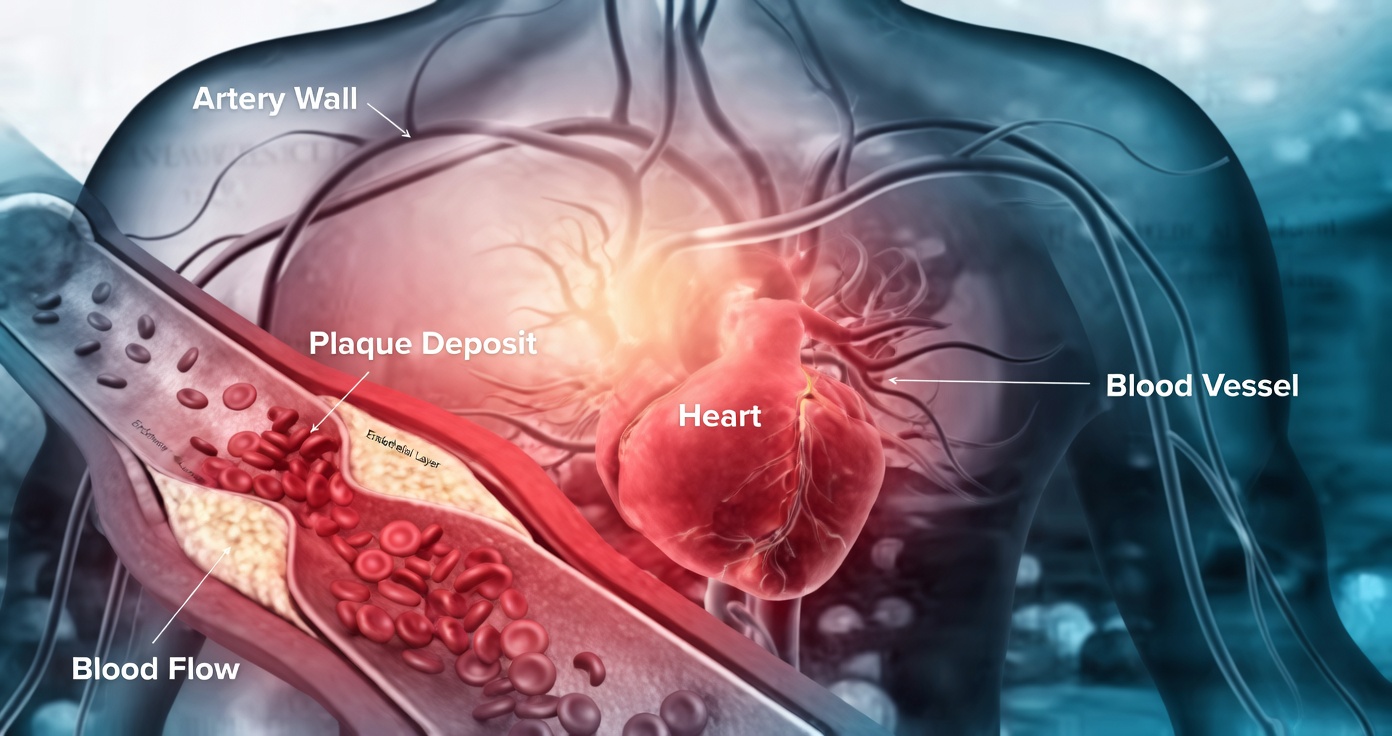
High blood sugar, even in the prediabetes range, can gradually damage blood vessels and encourage plaque buildup in the arteries. Fasting glucose and A1c levels may rise quietly, without obvious symptoms, while cardiovascular risk increases in the background.
Regular testing can help detect a problem early and lower your long-term risk of a heart attack.
2. High Blood Pressure
High blood pressure places constant strain on artery walls. Over time, that pressure can weaken blood vessels, increase stiffness, and make blockages more likely.
Because hypertension often has no symptoms, home monitoring can be especially helpful. Keeping blood pressure under control is one of the most effective ways to protect the heart.
3. Chronic Inflammation
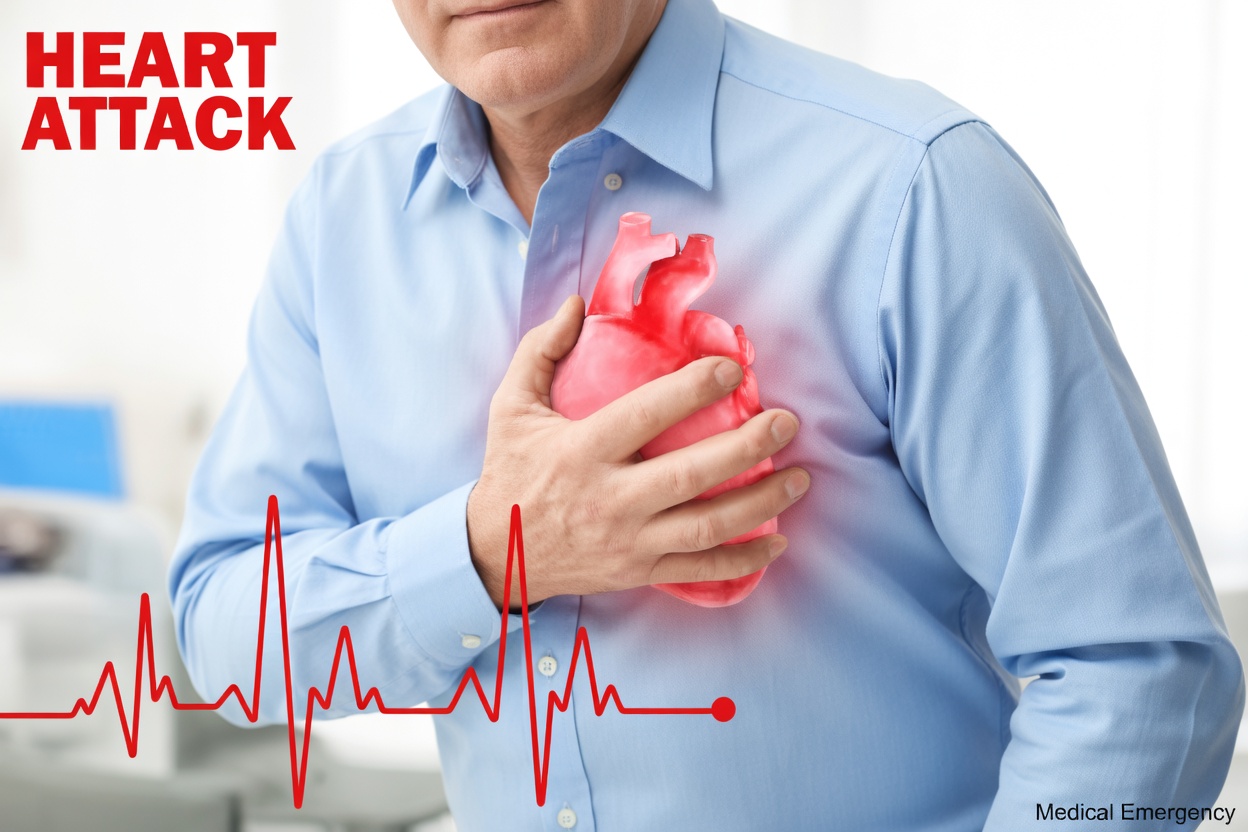
Ongoing inflammation in the body can contribute to artery damage and plaque formation. Tests such as hs-CRP may help identify this hidden risk.
Excess abdominal fat, poor diet, stress, and other health issues can all drive inflammation. Tracking and reducing it may offer another layer of protection against future heart problems.
4. Unhealthy Cholesterol and Triglycerides
Cholesterol imbalance plays a major role in heart disease. High LDL cholesterol can contribute to plaque buildup, while low HDL may reduce the body’s ability to clear excess cholesterol from the bloodstream.
Triglycerides also matter. Keeping them in a healthy range supports better artery health. Regular blood tests can help you stay ahead of potential problems.
5. Untreated Thyroid Disorders
Thyroid imbalance can affect blood pressure, heart rhythm, and cholesterol levels. Left untreated, thyroid conditions may quietly increase the risk of cardiovascular disease.
Specialists such as endocrinologists often emphasize that hormone health and heart health are closely connected. Managing thyroid issues may reduce an important but commonly overlooked cardiac risk.
6. Lack of Physical Activity
A sedentary lifestyle weakens the heart and worsens many other risk factors, including weight gain, insulin resistance, and poor circulation. Sitting too much over time can make the heart less resilient.
Even moderate daily movement can help. Walking, stretching, and regular exercise support stronger cardiovascular function and better overall health.
7. Smoking
Smoking damages blood vessels, reduces oxygen delivery, raises blood pressure, and increases inflammation. It is one of the most harmful habits for heart health.
The benefits of quitting begin quickly. Stopping smoking remains one of the strongest steps you can take to reduce heart attack risk.
The Most Important Warning Sign of a Heart Attack: Angina
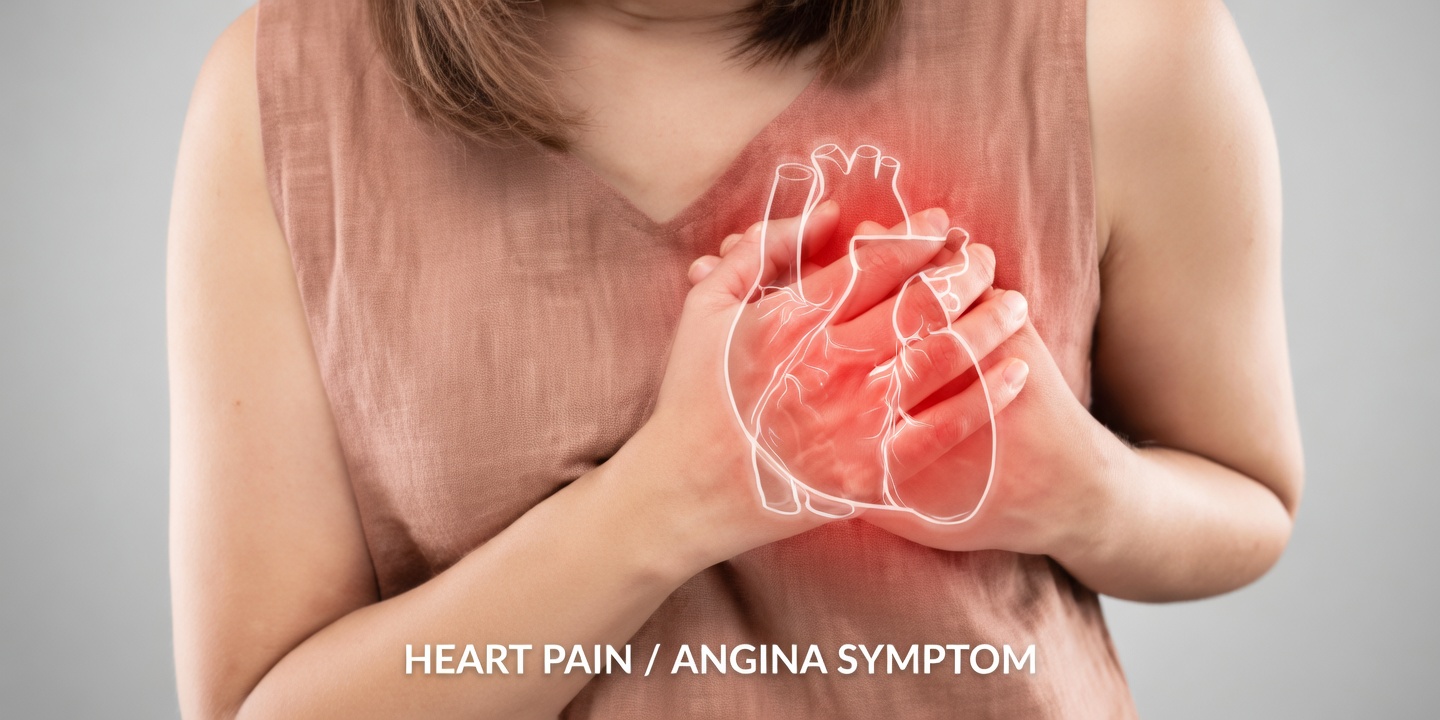
Among all heart attack warning signs, one deserves special attention: angina.
Angina is chest discomfort that appears during physical effort or emotional stress and then improves with rest. It often feels like pressure, squeezing, heaviness, or tightness rather than sharp pain. This pattern can indicate that the coronary arteries are partially blocked and the heart is not receiving enough blood when it works harder.
For example, you may feel chest pressure while climbing stairs, walking uphill, or hurrying through daily tasks. Then, once you stop and rest, the discomfort fades. That temporary relief can be misleading.
Because the pain goes away, many people assume it is nothing serious. But experts warn that angina is one of the clearest signs of significant coronary artery disease and may come before a heart attack. It should always be evaluated by a medical professional.
Why Angina Is So Often Ignored
Angina can be easy to dismiss because it does not always last long. The symptom may disappear within minutes, creating a false sense of safety.
In reality, this is the heart sending a direct warning message: blood flow is limited, and the problem may worsen without treatment. Ignoring repeated episodes can allow a serious blockage to progress until it causes a full heart attack.
That is why chest discomfort that appears with activity and improves with rest should never be brushed aside as simple fatigue, stress, or indigestion.
When to Seek Medical Help Immediately
Call emergency services right away if you experience:
- Chest pain, pressure, or tightness that lasts more than a few minutes
- Pain spreading to the arm, jaw, neck, back, or stomach
- Shortness of breath
- Cold sweats
- Dizziness or faintness
- Nausea or vomiting with chest discomfort
- Sudden anxiety or a feeling of impending doom
If symptoms come on with exertion and improve with rest, you should still arrange urgent medical evaluation. That pattern may point to angina, which can be a major warning sign before a heart attack.
Final Thoughts
Heart attack symptoms are not always dramatic, and they do not always appear all at once. Sometimes the body gives subtle warnings days or even weeks ahead of a crisis. Paying attention to chest pressure, radiating pain, nausea, dizziness, cold sweats, anxiety, and shortness of breath can make a critical difference.
Just as important, monitoring risk factors like blood sugar, blood pressure, inflammation, cholesterol, thyroid health, physical inactivity, and smoking can help prevent trouble before it starts.
Above all, never ignore angina—chest discomfort triggered by activity and relieved by rest. That may be your heart’s clearest call for help.