
10 Superfoods That May Help Support Kidney Health When You Have Proteinuria
Seeing foam in your urine or hearing your doctor mention “proteinuria” can instantly raise fears about your kidneys. Protein in the urine is often a sign that the kidneys’ filtering units are under strain, which can trigger worries about long-term issues like fatigue, swelling, or other complications. Because proteinuria is frequently linked to conditions such as high blood pressure and diabetes, day-to-day life can start to feel uncertain and stressful.
The encouraging news: certain everyday “superfoods,” used alongside medical care and a balanced diet, may gently support kidney health and help you manage concerns around proteinuria.

What if some of the foods on your plate could become daily allies in caring for your kidneys? Below are 10 superfoods that research suggests may play a supportive role when proteinuria is present.
Why Proteinuria Matters
Proteinuria often develops quietly, without clear symptoms at first. Yet it can signal underlying problems that put extra pressure on your kidneys. Living with proteinuria may bring a persistent sense of worry about gradual kidney damage, especially as you grow older or manage other health issues like diabetes or hypertension.
Nutrition cannot replace medical treatment, but evidence suggests that a kidney-friendly eating pattern may help support overall kidney function and ease some of the strain when proteinuria is present.
Emotionally, dealing with proteinuria day in and day out can be draining and anxiety‑provoking. The hopeful takeaway: making thoughtful food choices is one practical way you can participate in protecting your kidney health.

The Power of Superfoods for Proteinuria Support
When it comes to kidney health, not all foods offer the same benefits. Some are rich in antioxidants and anti‑inflammatory compounds that may help reduce oxidative stress and inflammation, processes closely tied to kidney damage and proteinuria. Others support related factors such as blood pressure, circulation, or cholesterol levels.
So which foods are especially worth focusing on if proteinuria is a concern? The following 10 superfoods stand out for their potential to support your kidneys as part of an overall healthy lifestyle and your doctor’s treatment plan.

Top 10 Superfoods for Supporting Kidney Health in Proteinuria
10. Blueberries
Blueberries deliver a powerful mix of antioxidants, particularly anthocyanins, which may help shield kidney tissue from oxidative stress when proteinuria is present. Many people report feeling more energized and balanced after regularly adding blueberries to their meals while monitoring protein in the urine.
Their deep color reflects the presence of beneficial plant compounds that research links to overall kidney support.
9. Garlic
Garlic, known for its bold flavor and aroma, contains active compounds like allicin that may support healthy blood pressure—a key factor when managing proteinuria. Incorporating garlic into soups, stir-fries, or roasted dishes can bring comforting flavor while potentially supporting kidney function.
Studies suggest that garlic’s anti‑inflammatory and antioxidant properties may offer additional protective effects for the kidneys in people with proteinuria.
8. Avocados
Avocados are rich in heart‑healthy monounsaturated fats and provide potassium, a mineral that helps regulate blood pressure. For individuals with proteinuria (who are cleared by their doctor to consume potassium), moderate avocado intake may support cardiovascular health, indirectly benefiting kidney function.
Swapping heavier spreads or processed snacks for avocado can make meals feel more satisfying yet lighter, as part of a broader kidney‑supportive diet.
7. Spinach
Spinach is a nutrient‑dense leafy green packed with magnesium, folate, and various antioxidants. These nutrients may help calm inflammation and support overall metabolic health, both important when you are dealing with proteinuria.
Its mild flavor and soft texture make spinach easy to blend into smoothies, add to salads, or stir into soups for an effortless kidney‑friendly boost. However, people with a history of kidney stones or advised to limit oxalates should discuss spinach intake with their healthcare provider.
6. Walnuts
Walnuts, with their distinctive “brain-shaped” appearance, are loaded with plant-based omega‑3 fatty acids. Omega‑3s are known for their anti‑inflammatory properties and may help support circulation and vascular health, which in turn can reduce strain on the kidneys in the context of proteinuria.
A small handful of walnuts as a snack or salad topping can deliver a satisfying crunch while contributing beneficial fats and antioxidants to your daily routine.
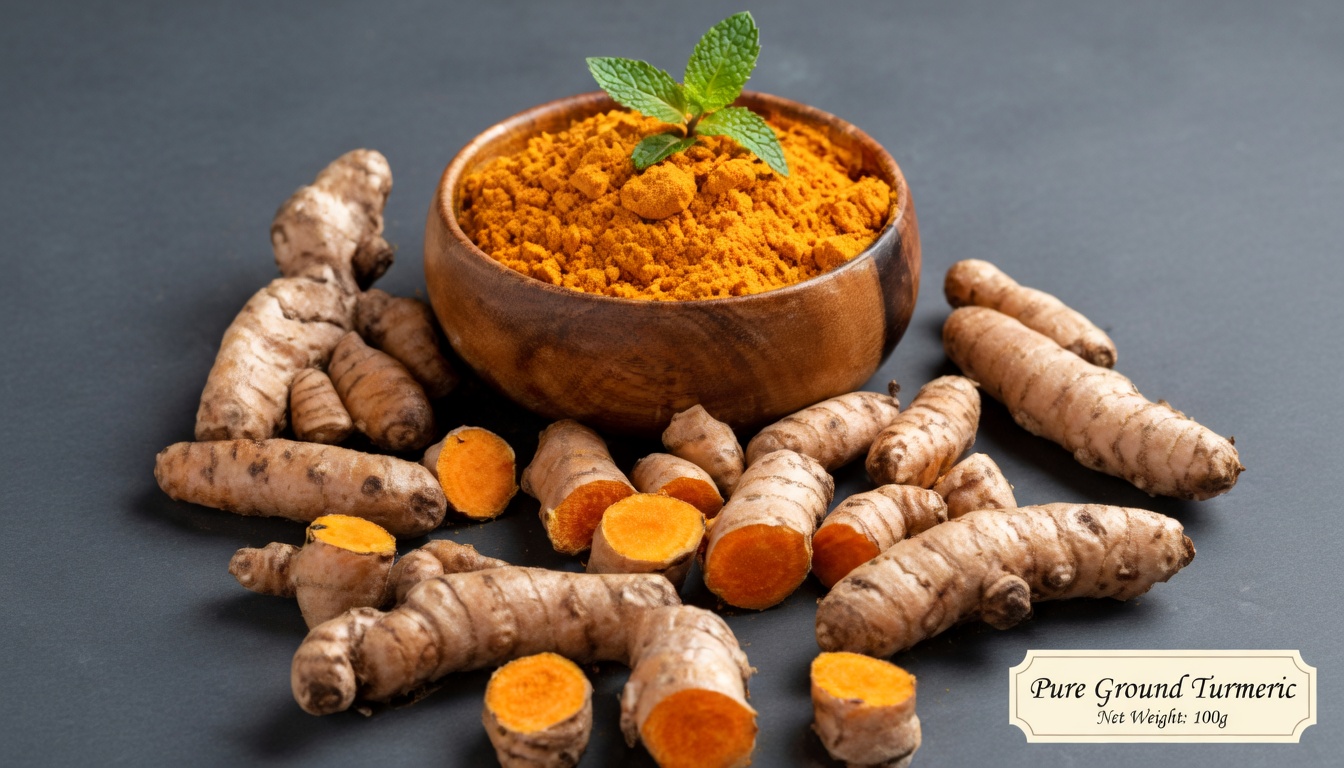
5. Turmeric
Turmeric, the golden spice commonly used in curries, owes its color to curcumin, a compound studied for its anti‑inflammatory and antioxidant effects. These properties may offer supportive benefits for kidney health, particularly where inflammation plays a role in proteinuria.
Many people stir turmeric into warm milk, herbal teas, or savory dishes. Combining turmeric with a small amount of black pepper and fat (like olive oil) can enhance curcumin absorption.
4. Apples
Apples are a familiar, easily accessible fruit rich in fiber, especially pectin. Pectin may help support healthy cholesterol levels and metabolic balance, both of which are associated with better kidney outcomes when proteinuria exists.
Replacing sugary desserts or heavily processed snacks with a crisp apple can help you feel “cleaner” and more refreshed, while supporting overall health and kidney function.
3. Olive Oil
Olive oil is a cornerstone of heart‑healthy diets. It provides monounsaturated fats and polyphenols that may support blood vessel health, reduce inflammation, and ease some of the workload on the kidneys in people with proteinuria.
Using extra‑virgin olive oil as your main cooking oil or drizzling it over vegetables and salads is an easy way to build a kidney‑supportive habit into daily meals.
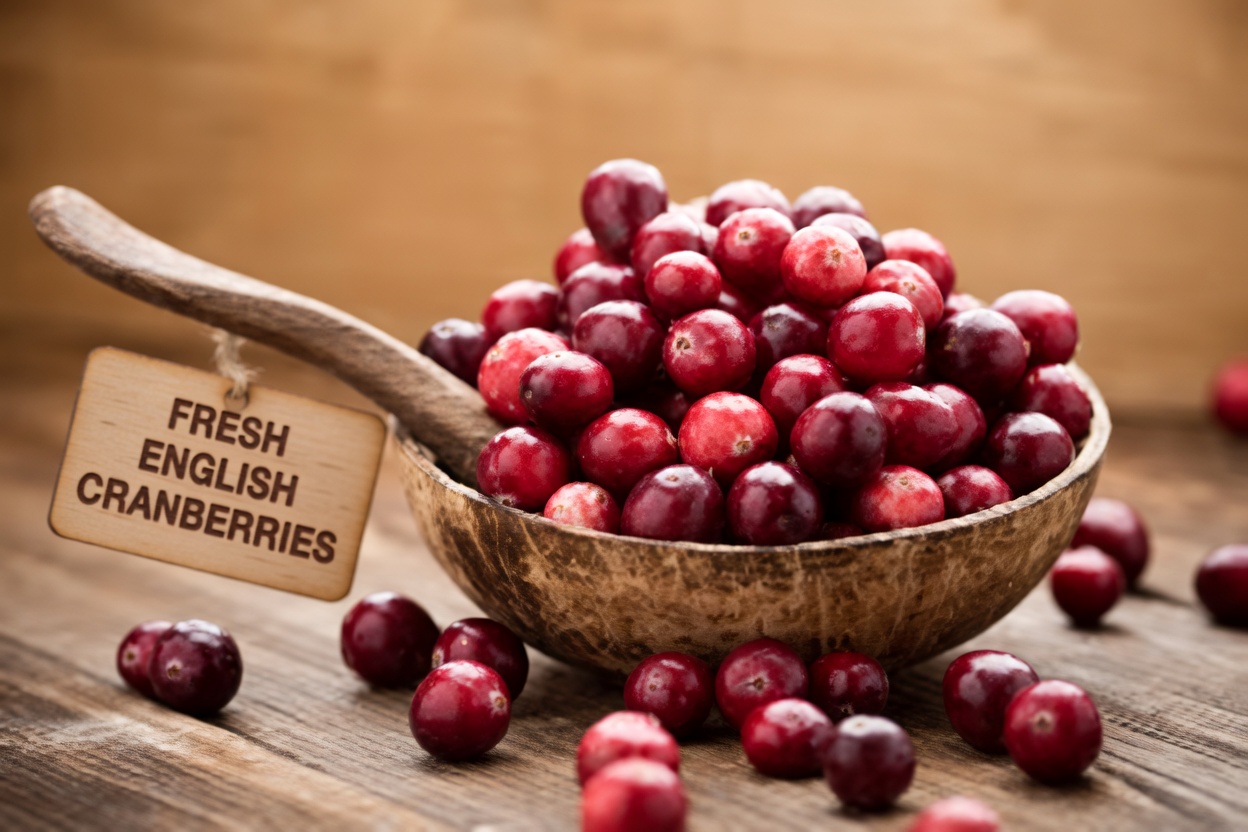
2. Cranberries
Cranberries are best known for supporting urinary tract health. They contain plant compounds that may help prevent harmful bacteria from adhering to the urinary tract lining, which can be especially important when you are trying to protect kidney and urinary health in the setting of proteinuria.
Enjoying fresh cranberries, unsweetened cranberry juice diluted with water, or low‑sugar cranberry products can add a tangy, refreshing twist to your routine.
1. Ginger
Ginger is a warming, aromatic root prized in many traditional healing systems. It may support circulation, reduce inflammation, and aid digestion—all factors that can influence overall comfort and wellbeing when you live with proteinuria.
Sipping ginger tea, adding fresh ginger to stir‑fries, or blending it into smoothies can feel both soothing and empowering as part of a kidney‑supportive lifestyle.
Quick Comparison: Superfoods That May Support Proteinuria
| Superfood | Key Benefit for Proteinuria Support | Sensory Highlight |
|---|---|---|
| Blueberries | Antioxidant and oxidative stress protection | Sweet–tart flavor |
| Garlic | Supports healthy blood pressure | Strong, savory aroma |
| Avocados | Healthy fats and potassium (if appropriate) | Creamy, rich texture |
| Spinach | Anti‑inflammatory, nutrient-dense | Mild, earthy leaves |
| Walnuts | Plant-based omega‑3s, circulation support | Crunchy, nutty bite |
| Turmeric | Anti‑inflammatory spice (curcumin) | Warm, earthy spice |
| Apples | Pectin and cholesterol support | Crisp, juicy crunch |
| Olive Oil | Heart‑friendly fats, vascular support | Smooth, mellow richness |
| Cranberries | Urinary tract and bacterial defense support | Tart, bright flavor |
| Ginger | Circulation, digestion, and comfort support | Spicy, warming heat |
Safe Use Tips for These Superfoods
Even nutrient‑rich foods need to be used thoughtfully—especially when kidney function is affected.
| Superfood | Suggested Use | Safety Note |
|---|---|---|
| Garlic | Add to soups, sauces, roasted dishes | May interact with blood thinners |
| Spinach | Blend into smoothies; add to salads or sautés | High in oxalates; caution in stone formers |
| Walnuts | Snack on a small handful or add to salads | Calorie-dense; watch portion size |
| Turmeric | Stir into tea, milk, or curries | Best absorbed with black pepper and fat |
| Cranberries | Use fresh or unsweetened juice | Avoid products with added sugar |
Always check with your doctor or dietitian before making significant changes to your diet, especially if you have chronic kidney disease, diabetes, or other medical conditions.
Practical Ways to Start Using These Superfoods for Proteinuria
Here are simple, realistic steps to weave these foods into your daily routine:
-
Start small at breakfast
Add a handful of blueberries or a few walnuts to oatmeal, yogurt, or a smoothie to gently support kidney health alongside proteinuria management. -
Enhance flavor with spices
Stir fresh ginger or a pinch of turmeric into warm water, tea, or soups for easy, daily anti‑inflammatory support. -
Swap out processed snacks
Replace chips, cookies, or sugary treats with a crisp apple, a small portion of walnuts, or a salad dressed with olive oil. -
Build kidney‑friendly meals
Combine spinach, avocado (if appropriate), and a drizzle of olive oil in a salad, then flavor with garlic and ginger in the main dish. -
Track your experience
For two weeks, note what you eat and how you feel—energy levels, digestion, swelling, or general comfort—while integrating these superfoods alongside your prescribed treatment for proteinuria.
Used thoughtfully and under medical guidance, these superfoods can become supportive partners in your overall plan to protect kidney health and manage proteinuria over the long term.