Subtle Changes in Energy and Brain Health After 60
Many adults over 60 start to notice new symptoms: sudden tiredness, brief headaches, or unexplained weakness that makes everyday tasks feel more draining than they used to. These quiet shifts can be unsettling, especially when they raise questions about brain health and stroke risk.
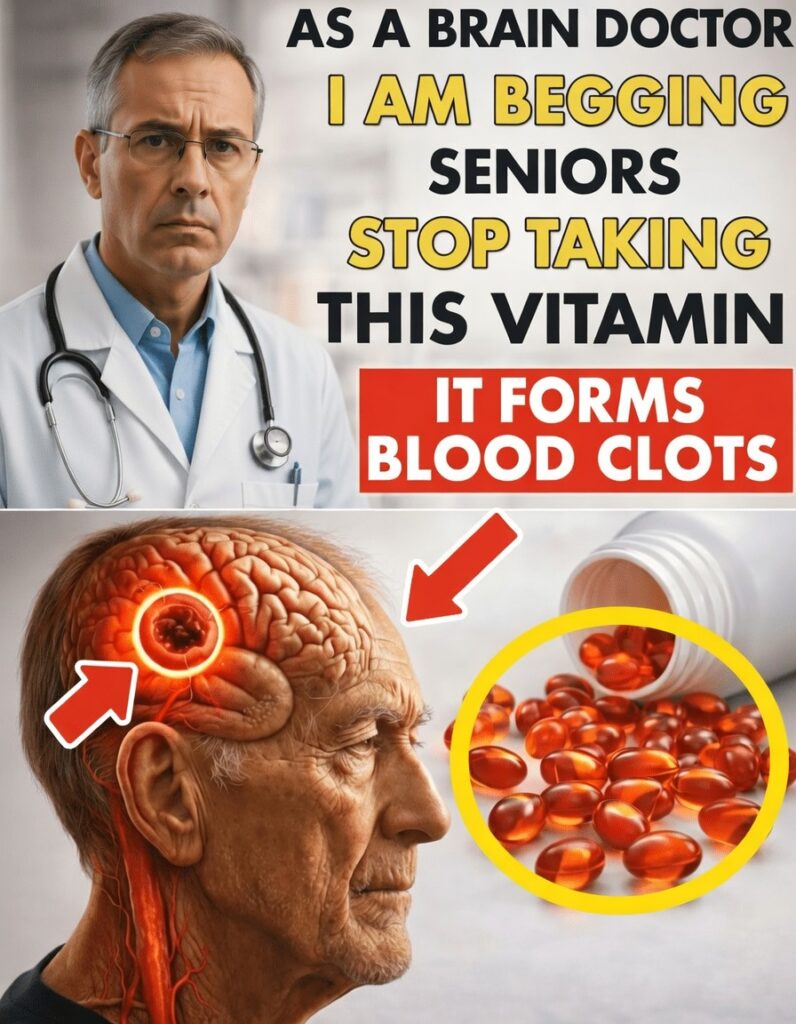
As we age, blood vessels naturally become more fragile, and the risk of serious events like stroke increases. Families can see life change overnight when a stroke happens. Amid all this, scientists have uncovered something many seniors don’t expect: high-dose Vitamin E supplements may play a role in stroke risk for some people. Even more surprising, one very common daily habit could be influencing this risk without anyone realizing it.
The Unexpected Link Between Vitamin E Supplements and Stroke Risk
Many older adults turn to Vitamin E supplements hoping to protect their heart, brain, and circulation. Because Vitamin E is widely promoted as a powerful antioxidant, it often feels like a safe, “healthy” choice.
However, research suggests that at high doses—typically above 400 IU per day—Vitamin E supplements may alter blood clotting in ways that increase the risk of certain strokes. This comes as a shock to people who have taken Vitamin E for years believing it only offers protection.
Large population studies following older adults over time have observed a pattern: those taking high-dose Vitamin E had a slightly higher rate of hemorrhagic stroke, the type of stroke caused by bleeding in the brain rather than a clot. Many seniors swallow these capsules every day without being aware of this possible downside.
How High-Dose Vitamin E May Affect Aging Blood Vessels
When an older adult starts worrying about sudden weakness, balance problems, or other stroke-related symptoms, high-dose Vitamin E becomes important to discuss because of how it interacts with platelets and blood vessel walls.
Meta-analyses combining data from major clinical trials have found a key distinction:
- Vitamin E from food (such as nuts, seeds, and leafy greens) appears generally neutral or beneficial.
- Concentrated Vitamin E supplements, especially at high doses, may thin the blood and interfere with normal clotting, raising concerns about bleeding in some older individuals.
Across pooled data from thousands of participants, people taking high amounts of supplemental Vitamin E showed about a 22% higher risk of hemorrhagic stroke compared with those who did not. This is especially important for adults over 60 who already:
- Have high blood pressure
- Take blood thinners or antiplatelet medications
- Have a history of vascular problems or prior stroke/TIA
Why Seniors Are More Vulnerable to Vitamin E Supplement Effects
Managing multiple prescriptions, regular checkups, and chronic conditions can already feel overwhelming. Vitamin E supplements are often added to this list casually, without a detailed discussion of risks and benefits.
Yet aging bodies do not process supplements the same way as younger ones. Research indicates that:
- Liver function often becomes less efficient with age, affecting how nutrients and supplements are metabolized.
- Common conditions in seniors—such as hypertension, high cholesterol, or diabetes—can increase sensitivity to any supplement that influences blood vessels or clotting.
- Combining Vitamin E with blood thinners or anticoagulants can amplify its blood-thinning effects.
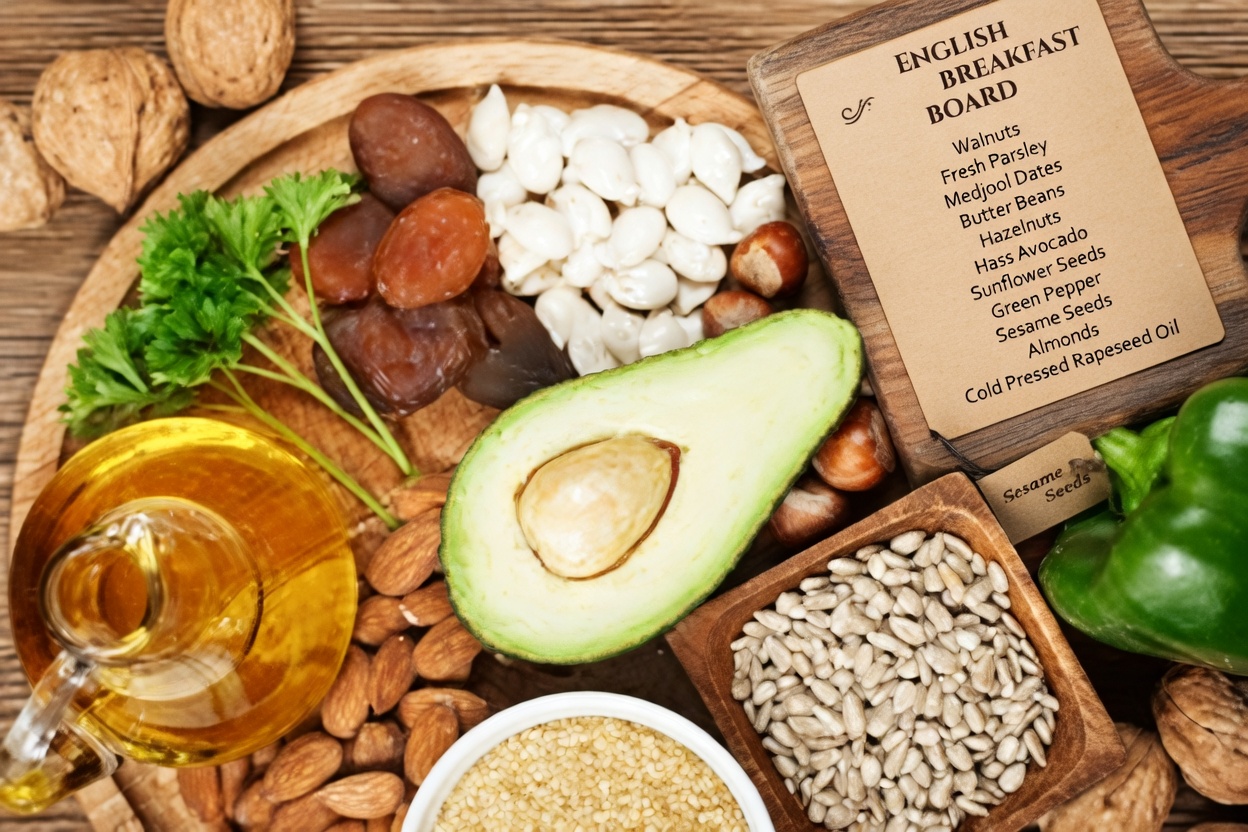
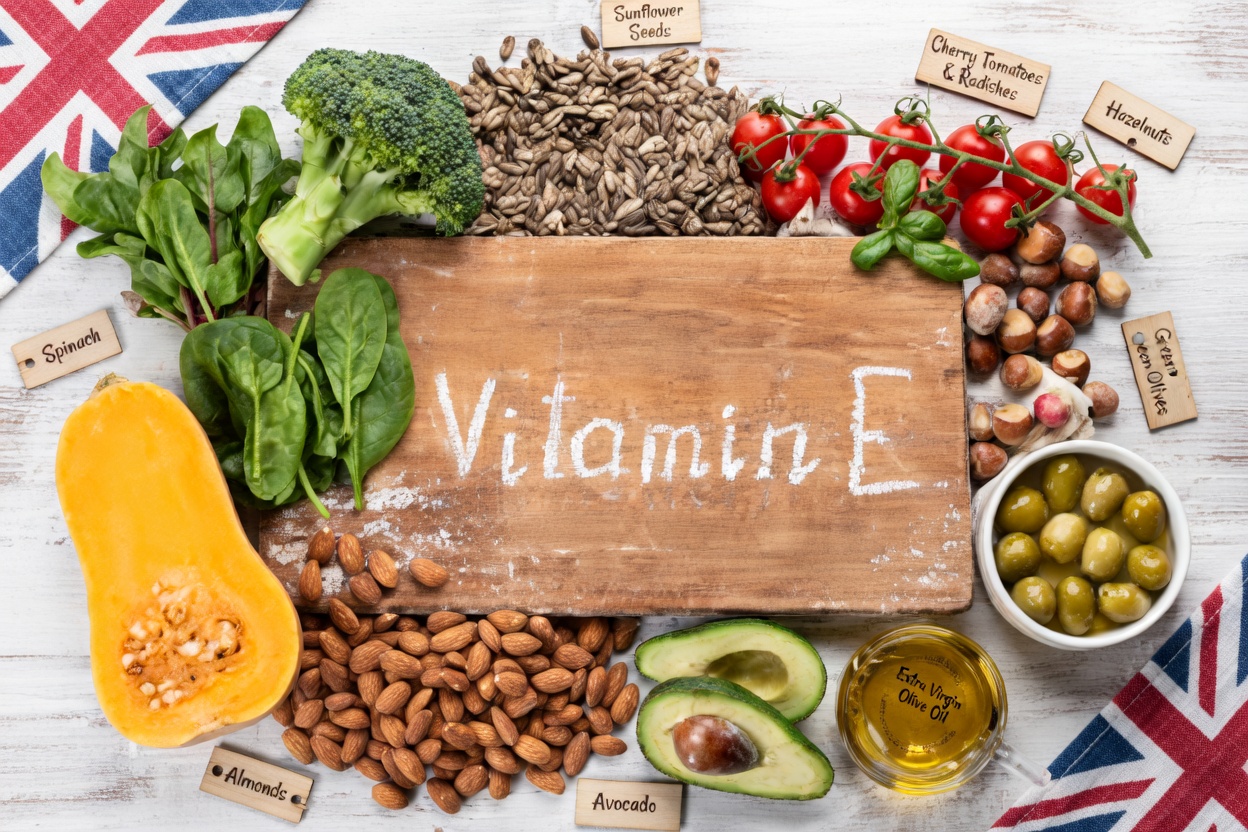
Experts consistently point out that food-based Vitamin E—from almonds, spinach, sunflower seeds, and plant oils—rarely causes problems at normal intake levels. However, compressed, high-dose Vitamin E in pill form behaves differently and has been linked to bleeding concerns in a subset of older adults.
Safer Vitamin E Dosage and Timing for Older Adults
Worries about stroke keep many seniors and their families on edge, which makes it crucial to understand how much Vitamin E is actually needed—and what “too much” looks like.
Current guidelines generally recommend:
- About 15 mg (around 22 IU) of Vitamin E per day for adults, ideally from food.
- Avoiding long-term use of “megadose” supplements (typically over 400 IU daily) unless there is a clear medical reason and close supervision.
Long-term observational studies suggest that higher supplemental doses may be linked to increased hemorrhagic stroke risk in some groups, particularly older adults with vascular issues.
Before continuing or starting high-dose Vitamin E, especially if you are over 60 or have high blood pressure, heart disease, or a history of stroke, it is wise to:
- Review your blood work with your healthcare provider.
- Check for clotting status and interactions with other medications.
- Confirm whether you actually need supplemental Vitamin E at all.
Balancing Vitamin E Benefits While Reducing Stroke Concerns
Fear of stroke can make seniors question every pill in their cabinet. The key is not to fear Vitamin E itself, but to distinguish between natural food sources and high-dose supplements.
- Food sources of Vitamin E still provide valuable antioxidant support and fit easily into a heart-healthy, brain-protective diet.
- High-dose supplements may be unnecessary and, for some, potentially risky.
Building a Vitamin E strategy that prioritizes food first helps many older adults keep their energy up, support circulation, and protect blood vessels while respecting stroke risk factors.
Comparing Vitamin E Sources and Stroke Considerations
| Vitamin E Source | Stroke Risk Relationship | Recommended Approach for Seniors |
|---|---|---|
| High-Dose Supplements (>400 IU) | Linked in some studies to higher hemorrhagic risk | Use only under medical supervision; often not needed |
| Dietary Sources (nuts, oils, etc.) | Generally neutral or possibly protective | Make these the primary source of Vitamin E daily |
| Low-Dose Supplements | Minimal impact seen at modest doses | Typically safe if approved by your healthcare provider |
Practical Tips to Manage Vitamin E and Stroke Risk
To keep Vitamin E in a safe and supportive range, older adults can adopt a few practical habits:
-
Prioritize food first
Aim to meet your Vitamin E needs from foods like almonds, sunflower seeds, spinach, and vegetable oils before considering supplements. -
Limit unnecessary supplements
Avoid high-dose Vitamin E pills unless you have been tested and found deficient or your doctor specifically recommends them. -
Watch for warning signs
Report unusual bruising, prolonged bleeding, new or worsening headaches, or sudden weakness to your healthcare provider promptly. -
Monitor blood pressure regularly
Since high blood pressure raises stroke risk, pair your supplement decisions with consistent blood pressure checks. -
Support circulation safely
Gentle morning walks, staying hydrated, and not smoking are all low-risk ways to promote healthy blood flow.
How to Review Your Vitamin E Routine Safely Today
If you’re ready to take a more active role in managing your stroke risk, one of the simplest steps is to review all the Vitamin E you’re currently taking—both obvious and hidden sources.
Instead of stopping everything abruptly on your own, work through a structured review together with your healthcare provider. Many older adults feel significantly more at ease after aligning their supplement routine with up-to-date evidence.
Step-by-Step Action Plan
-
List Every Source of Vitamin E
Include:- Standalone Vitamin E supplements
- Multivitamins
- “Heart health” or “brain health” formulas
- Fortified foods or drinks
-
Schedule a Medical Review
Ask your doctor about:- Vitamin E levels (if clinically appropriate)
- Clotting tests, if you use blood thinners or have bleeding concerns
- Overall stroke risk markers (blood pressure, cholesterol, etc.)
-
Shift Focus Toward Food
Incorporate Vitamin E–rich foods into your weekly meals:- A handful of almonds or sunflower seeds
- Spinach or other leafy greens
- Sunflower, safflower, or wheat germ oil in moderation
-
Adjust Supplements Only With Guidance
Do not change high-dose Vitamin E on your own. Let your healthcare provider:- Recommend a lower dose
- Stop it entirely if unnecessary
- Ensure no conflict with other medications
-
Track Your Symptoms and Energy
Keep a simple weekly log of:- Energy levels
- Headaches or unusual bruising
- Any new neurologic symptoms (weakness, confusion, vision changes)
If high-dose Vitamin E turns out to be a concern, alternatives include:
- Emphasizing colorful fruits and vegetables for broad antioxidant support
- Using healthy fats (olive oil, avocado, nuts) for heart and brain health
- Following doctor-approved alternatives for circulation or cholesterol support
- Combining these with light activity, stress management, and scheduled screenings
These steps help protect brain and blood vessel health from multiple angles, not just through a single nutrient.
What Happens If You Ignore Vitamin E Details?
Overlooking the fine print on a common supplement might seem harmless, but it can mean missing a simple opportunity to reduce stroke-related worries. By taking a closer look at how much Vitamin E you really need—and where it comes from—you can:
- Support healthy blood vessels
- Avoid unnecessary bleeding risks
- Feel more confident in your daily wellness routine
Small, evidence-based adjustments often add up over months and years, especially for older adults already working hard to maintain brain and heart health.
Frequently Asked Questions About Vitamin E and Stroke Risk
Does high-dose Vitamin E change stroke risk overnight?
No. Research points to long-term, high intake as the main concern. The risk seems to develop over time rather than from a single day’s dose. However, because many seniors take Vitamin E daily for years, it is important to review dosage regularly with a healthcare provider.
Can I still get the benefits of Vitamin E without raising stroke risk?
Yes. For most people, food-based Vitamin E from nuts, seeds, plant oils, and leafy greens offers antioxidant benefits without the concentrations seen in high-dose supplements. Always discuss your diet and supplements with your doctor, especially if you have cardiovascular or bleeding risks.
Is Vitamin E safe for all seniors who worry about stroke?
Vitamin E from a normal diet is generally considered safe for most older adults. The concern arises mainly with high-dose supplements, particularly in people who:
- Are over 60
- Have high blood pressure or vascular disease
- Take blood thinners or antiplatelet drugs
- Have a history of stroke or brain bleeding
Personalized medical advice is essential to find the right balance.
Disclaimer:
This article is for informational purposes only and does not replace professional medical advice, diagnosis, or treatment. Always consult your healthcare provider before starting, stopping, or changing any supplements or routines, especially those related to stroke risk or Vitamin E intake.