
Moringa Leaves: A Natural Boost for Energy and Everyday Vitality After 45
As many people move past the age of 45, they increasingly notice persistent fatigue, recurring aches, and worries about sustaining steady energy and overall vitality. Routine activities may start to feel draining, mood can dip, and a general sense of declining wellness can creep in. Conventional solutions can help, but a growing number of people are looking to nutrient-rich plants as an added, natural layer of support.
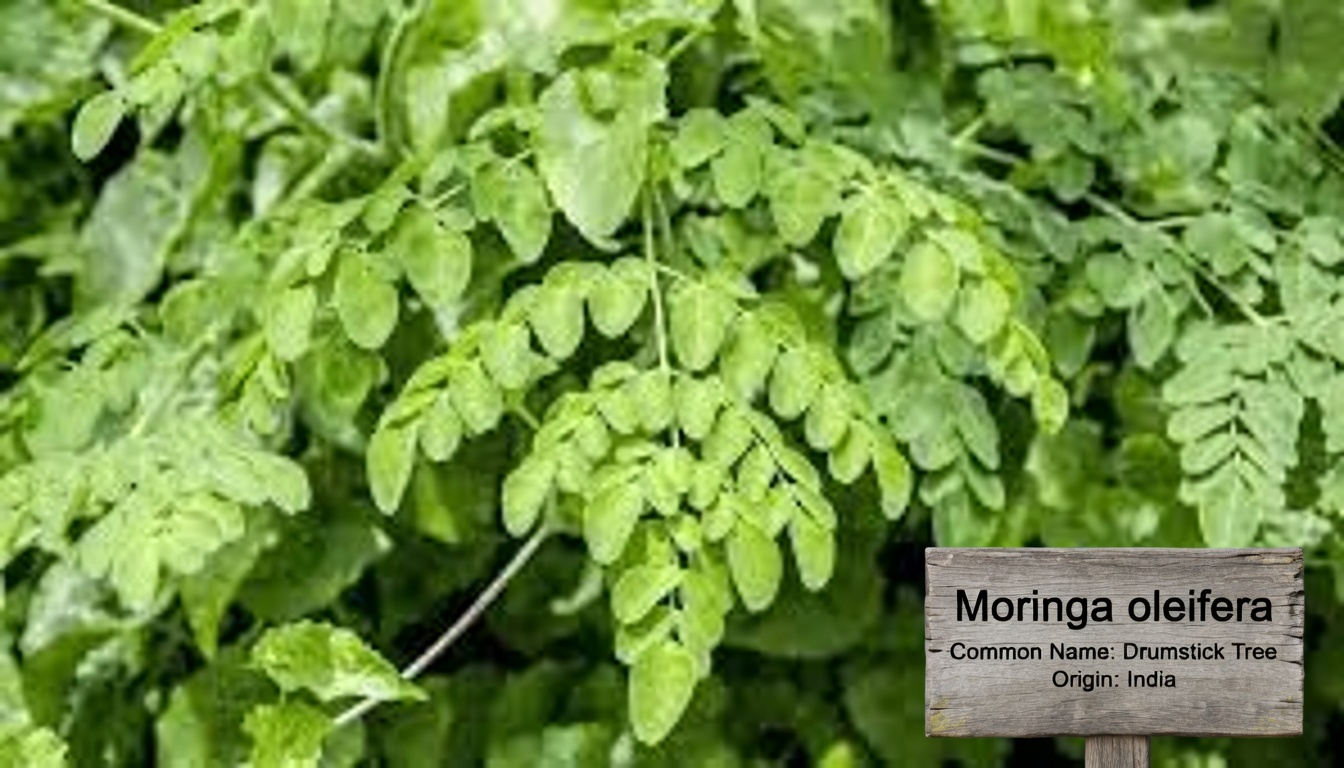
Moringa leaves—harvested from the Moringa oleifera tree and often labeled a “superfood”—stand out for their dense concentration of vitamins, minerals, and beneficial plant compounds. Emerging research points to their antioxidant and anti-inflammatory properties, suggesting they may support overall health in several ways.

So how, exactly, might adding moringa leaves to your diet contribute to better daily wellness? Below, you’ll find seven evidence-informed areas where moringa leaves may offer support, plus practical tips on how to use them safely at home.
Why Moringa Leaves Are Attracting Attention
Moringa leaves are naturally rich in:
- Vitamins A, C, and E
- Minerals such as calcium and iron
- Plant-based protein
- Bioactive compounds, including flavonoids and phenolic acids
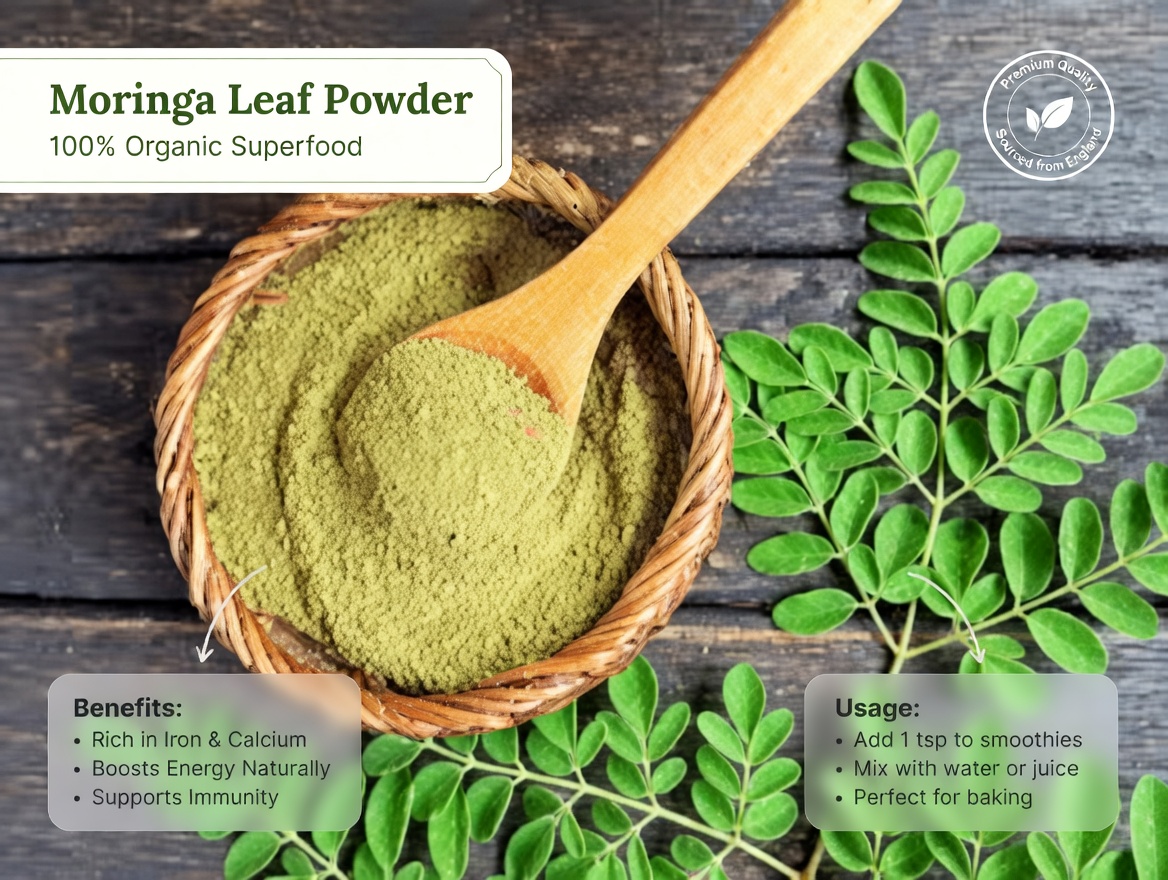
Scientific reviews highlight their high antioxidant capacity, which may help counter oxidative stress—one of the factors linked to everyday tiredness and age-related health concerns. In addition, moringa’s anti-inflammatory compounds, such as quercetin and certain isothiocyanates, have shown promising effects in supporting the body’s natural balance.
Because moringa is relatively affordable, easy to find in tea, powder, or capsule form, and simple to incorporate into meals, it has become a popular choice for those seeking natural wellness support.
7 Ways Moringa Leaves May Support Everyday Health
7. May Help Improve Daily Energy Levels
Struggling to get through the morning, hitting a mid-day slump, or feeling worn out after modest activity is common among adults, especially with age. Moringa leaves provide iron, B vitamins, and other nutrients involved in the body’s energy metabolism.
Research suggests these components may help the body use nutrients more efficiently, which can translate into better day-to-day vitality for some people. While moringa is not a stimulant, regular intake may offer a gentle, natural lift if you experience occasional fatigue.
Potential benefits for energy:
- Lift: May help ease everyday tiredness in a natural way
- Vitality: Can support overall alertness and mood
- Stamina: May assist with maintaining steady energy during daily activities
6. May Help Support a Healthy Inflammatory Response
Low-grade, ongoing inflammation is often linked with joint stiffness, reduced mobility, and daily discomfort—issues that tend to become more noticeable with age. Moringa leaves contain anti-inflammatory compounds such as quercetin and isothiocyanates, which have been studied for their role in moderating the body’s inflammatory processes.
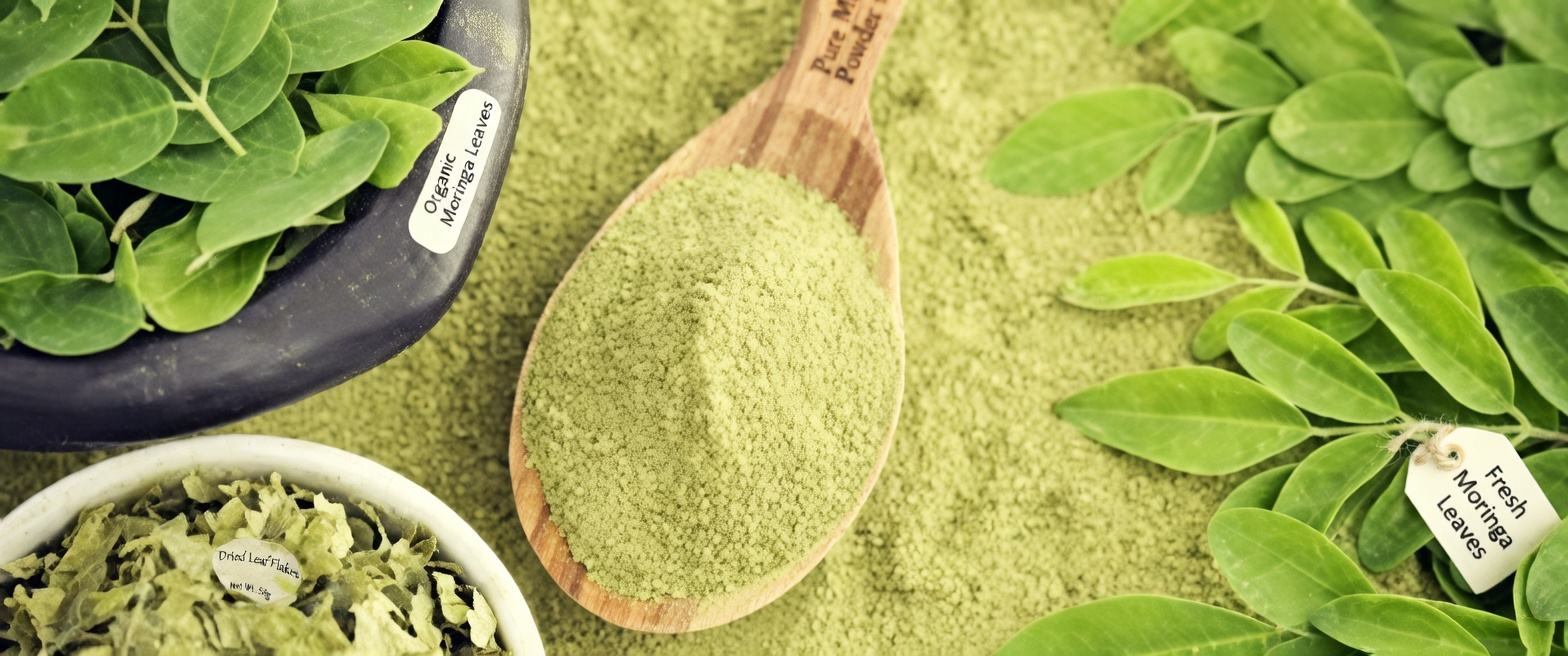
Scientific reviews suggest moringa may help ease swelling and support more comfortable movement when used alongside an overall healthy lifestyle.
Potential benefits for comfort and mobility:
- Calm: May help reduce everyday swelling and irritation
- Relief: Supports joint and muscle comfort
- Mobility: May encourage easier, more fluid movement
5. May Help Strengthen Immune System Function
Frequent minor illnesses, recurring colds, or simply feeling “run down” can be especially disruptive for busy adults. Moringa leaves are naturally high in vitamin C and contain other nutrients and antioxidants that play a role in immune health.
Studies suggest these components can help reinforce the body’s natural defenses against everyday stressors, environmental challenges, and changing seasons.
Potential benefits for immune resilience:
- Defense: May support the body’s ability to handle common germs
- Strength: Promotes overall robustness and wellness
- Vitality: Can help prevent the energy drain that often follows minor illness
4. May Support Natural Detoxification Processes
Daily exposure to environmental pollutants, processed foods, and lifestyle stress can leave you feeling sluggish or mentally foggy. Moringa leaves are packed with antioxidants and other plant compounds that may support liver function and the body’s natural detox pathways.
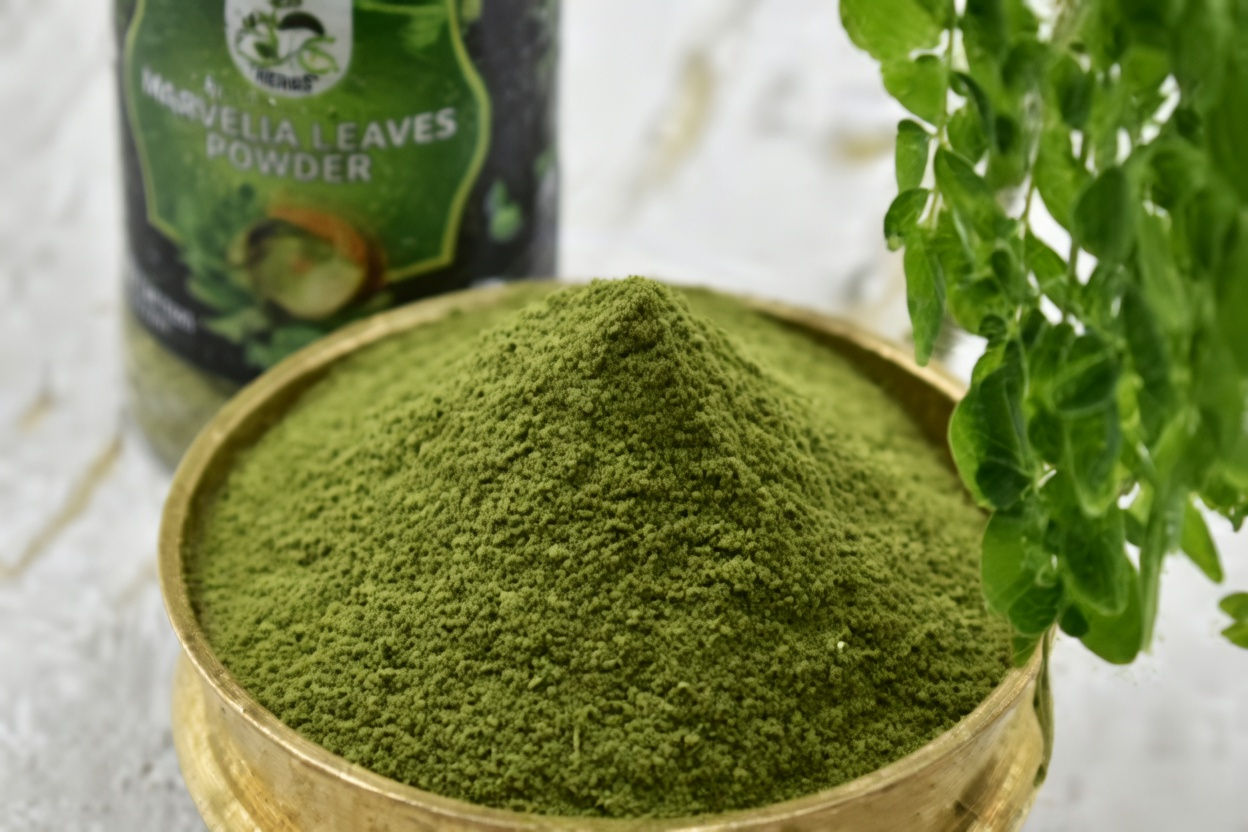
By aiding these internal cleansing systems, moringa might help you feel clearer and more energized over time.
Potential benefits for detox support:
- Cleanse: May help the body process and eliminate everyday waste products
- Health: Supports the liver, a key organ in natural detoxification
- Energy: Many people report feeling lighter and more energized with regular use
3. May Help Maintain More Stable Blood Sugar Levels
Blood sugar highs and lows can cause sudden energy crashes, irritability, and long-term health concerns. Some studies have explored the potential of moringa leaves—particularly due to compounds like chlorogenic acid—to support more balanced blood sugar levels.
While not a standalone treatment, including moringa as part of a balanced diet may help reduce sharp spikes and dips, contributing to more consistent energy and focus.
Potential benefits for metabolic balance:
- Stability: May help smooth out blood sugar fluctuations
- Energy: Supports more consistent energy throughout the day
- Balance: Can play a complementary role in overall metabolic health
2. May Promote Healthier, More Radiant-Looking Skin
Dryness, dullness, or visible signs of aging often affect confidence and self-image. The antioxidants and vitamins in moringa leaves—especially vitamins A, C, and E—are known to support skin health from within.
Regular use, alongside a healthy diet and skincare routine, may contribute to a brighter, more even complexion and smoother texture over time.
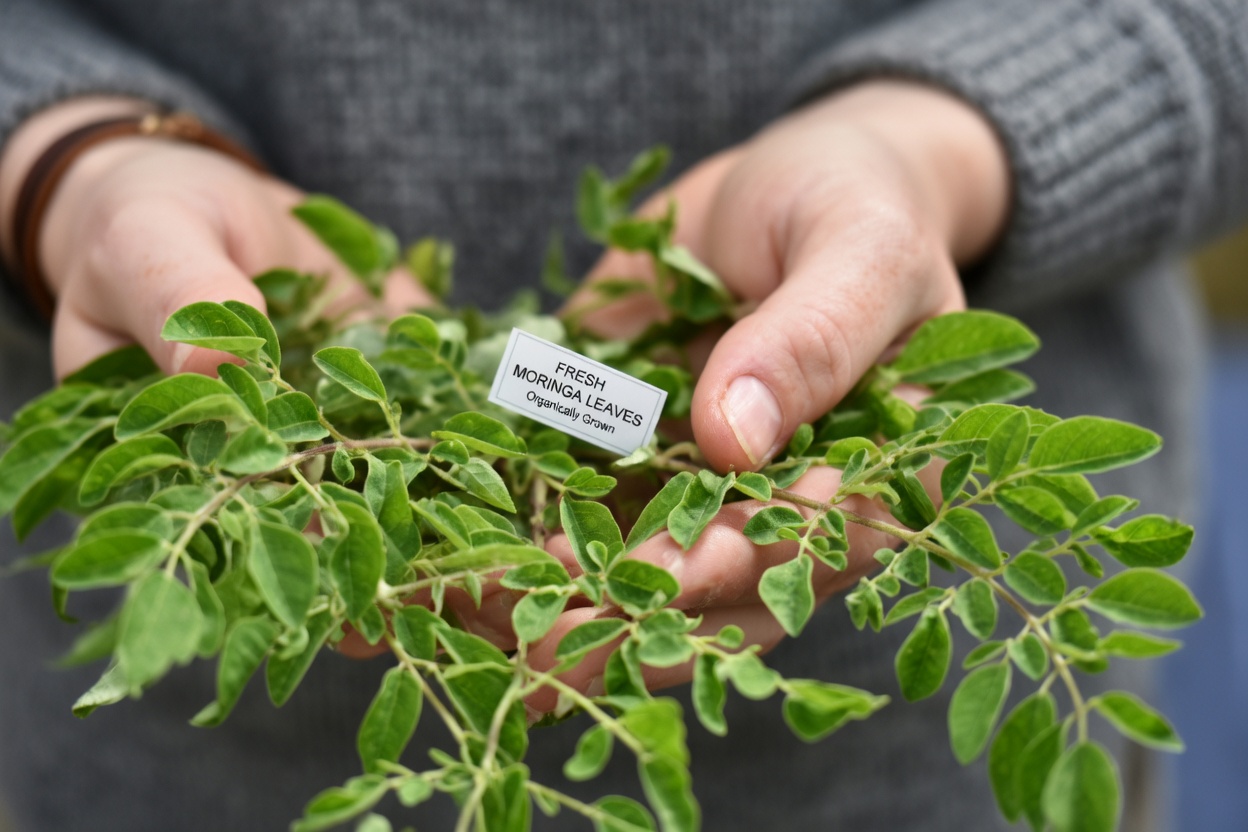
Potential benefits for skin appearance:
- Glow: May help improve overall skin tone and radiance
- Smoothness: Supports softer, more refined texture
- Appeal: Feeling better about your skin can boost confidence and self-esteem
1. May Elevate Overall Daily Wellness
When low energy, physical discomfort, and reduced resilience stack up, life can feel limited. Because moringa leaves offer a broad spectrum of nutrients and bioactive compounds, they may provide wide-ranging support for overall wellness.
Research into preventive health strategies increasingly highlights nutrient-dense plants like moringa as potential allies in promoting long-term vitality.
Potential benefits for whole-body well-being:
- Vitality: May contribute to renewed energy and enthusiasm for daily life
- Joy: Feeling physically better often supports a more positive mood
- Transformation: Over time, moringa can be one helpful piece of a broader lifestyle shift toward better health
Quick Comparison: Common Forms of Moringa Leaves
Different forms of moringa leaves can target similar wellness goals, but each offers unique advantages in terms of convenience and use.
| Form | Key Wellness Areas Often Supported | Easy Way to Use |
|---|---|---|
| Tea | Everyday energy, immune support | Steep fresh or dried leaves in hot water |
| Powder | Detox support, skin health, vitality | Stir into water, smoothies, or yogurt |
| Capsules | Blood sugar balance, general wellness | Take according to label instructions |
How to Use Moringa Leaves Safely at Home
To see how moringa works for you, begin with small amounts and increase gradually. Here is a simple step-by-step approach:
-
Choose High-Quality Moringa
- Opt for organic fresh or dried leaves, powder, or reputable supplements.
- Buy from trusted brands to reduce the risk of contamination.
-
Prepare Moringa Tea
- Use about 5–7 fresh leaves or 1 teaspoon of dried leaves/powder.
- Steep in hot (not boiling) water for around 10 minutes, then strain.
- Start with 1 cup per day; adjust based on your comfort.
- Add a little honey or lemon if the flavor feels too earthy.
-
Try Moringa Powder in Foods and Drinks
- Mix 1 teaspoon into smoothies, yogurt, or a glass of water.
- Use 1–2 times daily, depending on your tolerance and needs.
-
Consider Capsules for Convenience
- Follow the dosage instructions on the product label.
- Capsules are often preferred for consistent daily use or travel.
General guideline:
Begin with small amounts 2–3 times per week. Notice how you feel, and gradually increase frequency if well tolerated. Many people find that consistent use over several weeks leads to more noticeable benefits.
A Simple Moringa Wellness Starter Plan
To integrate moringa leaves into your routine in a realistic way, you might follow this basic plan:
-
Weeks 1–2:
- Use moringa tea or powder once per day.
- Track your energy, digestion, mood, and sleep in a simple journal.
-
Weeks 3 and Beyond:
- Continue with the form that feels best (tea, powder, or capsules).
- Combine with plenty of water, balanced meals, and light daily movement (walking, stretching, gentle exercise).
-
Ongoing Monitoring:
- Note any changes in energy, comfort, or skin appearance.
- Adjust timing, form, or amount based on how you feel and any guidance from your healthcare provider.
Many individuals report gradual improvements in vitality and comfort when moringa is used consistently as part of an overall healthy lifestyle.
Tips to Maximize Potential Moringa Benefits
To get the most from moringa leaves:
- Stay well hydrated to support circulation and nutrient absorption.
- Eat a nutrient-dense diet with plenty of vegetables, fruits, and lean proteins alongside moringa.
- Incorporate regular, gentle movement such as walking, stretching, or yoga to complement moringa’s supportive effects.
These simple habits can enhance the potential benefits of moringa and contribute to broader wellness gains.
Summary: Could Moringa Leaves Be Your Daily Wellness Ally?
Moringa leaves offer a concentrated source of vitamins, minerals, antioxidants, and anti-inflammatory compounds. For adults—especially those over 45—moringa may help support:
- Everyday energy and stamina
- A healthy inflammatory response and joint comfort
- Immune function and resilience
- Natural detoxification processes
- More stable blood sugar levels
- Healthier, more radiant-looking skin
- Overall daily wellness and vitality
Moringa is not a cure-all and should not replace medical treatment, but it can be a valuable, accessible addition to a broader plan for long-term health.
Important: This article is for informational purposes only and does not provide medical advice. It is not intended to diagnose, treat, cure, or prevent any disease. Always consult your healthcare provider before starting any new supplement or herbal product, especially if you have existing health conditions, are pregnant or breastfeeding, or are taking medications.
Frequently Asked Questions (FAQ)
1. What is the best way for beginners to take moringa leaves?
For most beginners, moringa tea is a gentle, straightforward option. Start by steeping about 1 teaspoon of dried moringa leaves or powder in hot (not boiling) water for around 10 minutes. Drink one cup per day and notice how you feel.
2. Are there any side effects from using moringa leaves?
Most people tolerate moderate amounts of moringa well. However, some may experience mild digestive discomfort, such as gas or stomach upset, especially when starting or increasing the dose quickly. Begin with a small amount, increase gradually, and speak with a healthcare professional if you have any concerns or medical conditions.
3. How long does it usually take to notice benefits from moringa leaves?
Experiences vary, but many people report subtle shifts—such as slightly better energy, more comfortable joints, or improved regularity—within 1–4 weeks of consistent use. More noticeable changes may take longer and depend on factors like diet, lifestyle, and overall health.