
Gentle Exercises After 60: Easier Alternatives to Walking for Strength and Balance
As many people move into their 60s and beyond, walking can start to feel less comfortable. Achy joints, stiff hips, or fear of tripping on uneven ground may cause you to scale back your activity. Over time, everyday tasks like climbing stairs, carrying groceries, or getting in and out of a chair can feel more tiring and uncertain.
When you want to stay independent but traditional movement feels painful or unsafe, these exercises after 60 offer a joint-friendly way forward. Orthopedic and rehabilitation specialists often recommend them because they build strength, stability, and confidence without excessive impact or strain.

The real advantage? Most of these simple, seated, or supported moves can be woven into your day in just a few minutes—and many people notice better steadiness and ease of movement faster than they expect.
Chair Yoga: Gentle Flexibility and Relaxation from a Seat
Imagine settling into a sturdy chair, just as Margaret, 68, does each morning. She sits tall, lifts her arms overhead with her inhale, and lowers them as she exhales, moving at a calm, steady pace. Chair-based yoga adapts familiar yoga poses so you can enjoy the benefits without needing to get on the floor.
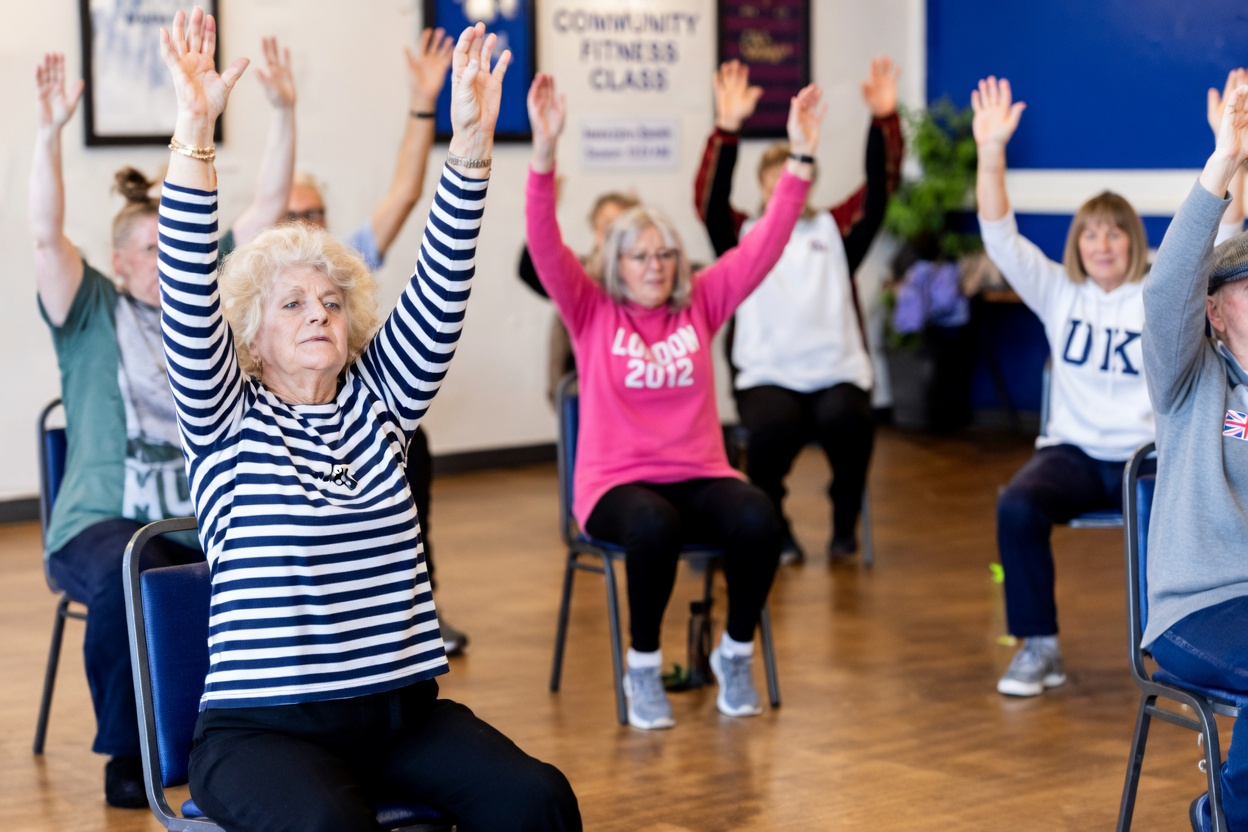
These exercises after 60 can:
- Support flexibility in the shoulders, spine, and hips
- Help maintain a functional range of motion for daily activities
- Encourage relaxation and a sense of calm
- Ease stiffness that makes moving uncomfortable
Research on chair yoga for older adults suggests it may help improve mobility and reduce perceived stiffness, making everyday movements like reaching, turning, and standing more comfortable.
If tight joints or a stiff back have been keeping you from activities you once loved, chair yoga could be the low-pressure starting point you need. Many adults over 60 report feeling “looser” and more at ease after just a few weeks of regular practice.
You can begin with only 5–10 minutes, a few times per week, and progress as your comfort grows.
Wall Push-Ups: Easy Upper Body Strength Without Floor Work
Now picture Robert, age 72, standing an arm’s length from a wall, hands pressed flat at chest height. He slowly bends his elbows to lean toward the wall, then presses back to standing, feeling his chest, shoulders, and arms gently engage.
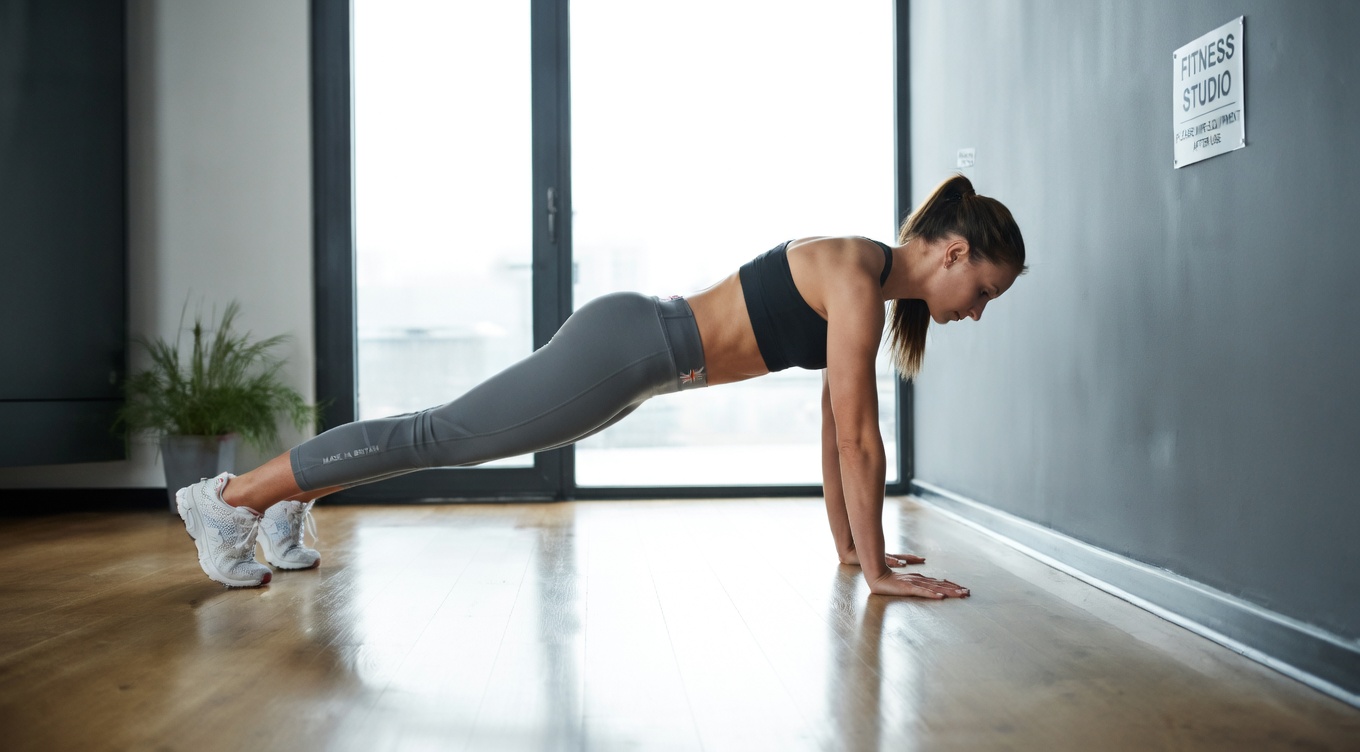
Wall push-ups are a modified version of traditional push-ups that reduce load on the joints while still building upper body strength. As part of these exercises after 60, they can help you:
- Strengthen chest, arms, and shoulders
- Support daily tasks like pushing doors, using shopping carts, or rising from chairs
- Improve posture when combined with back-strengthening moves
You can adjust the difficulty by changing your distance from the wall:
- Stand closer for an easier variation
- Step back slightly to increase challenge over time
Short, consistent sessions—just 1–3 sets of wall push-ups several times per week—can gradually improve upper body endurance and make lifting and carrying feel more manageable.
Seated Leg Lifts or Marches: Building Lower Body Strength While Seated
Think of Susan, 65, sitting upright near the front of her chair, feet flat on the floor. She lifts one knee toward her chest in a slow, marching motion, then switches sides, keeping her core gently engaged.
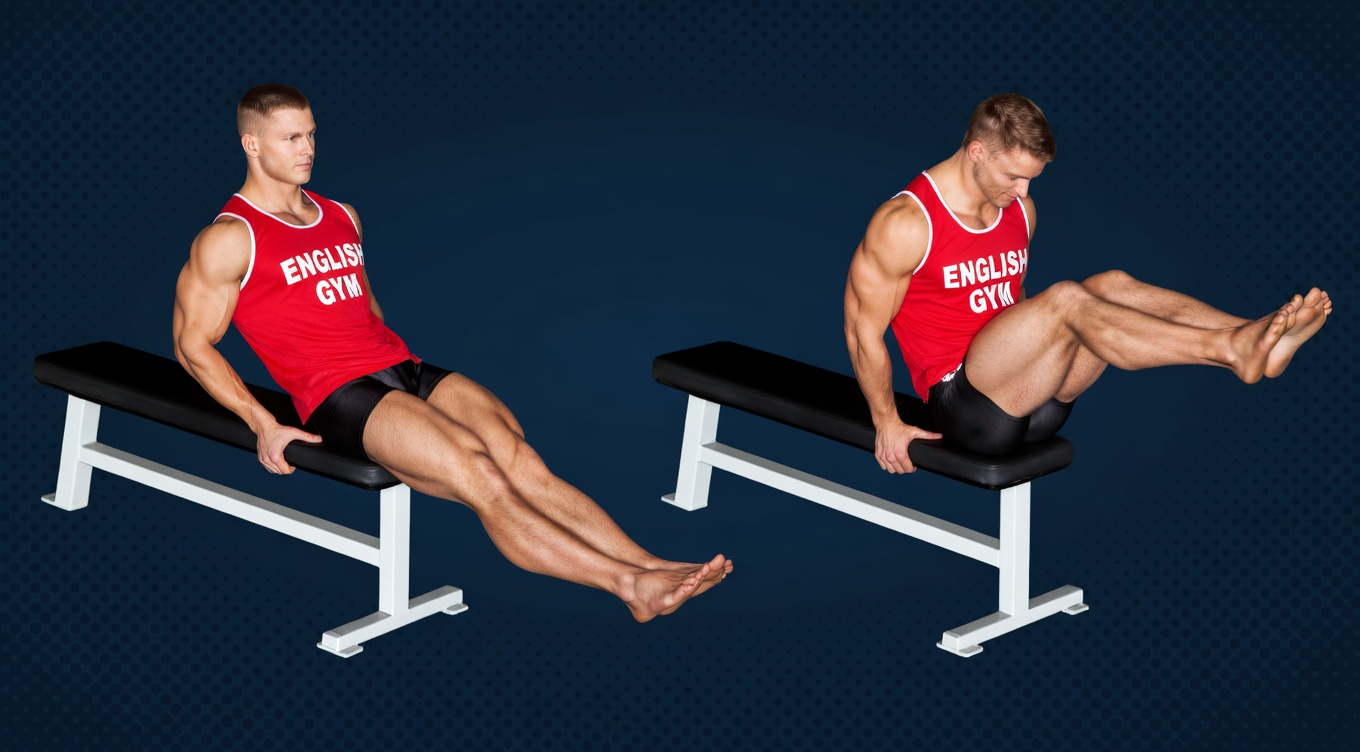
Seated marches or leg lifts are powerful lower body exercises after 60 because they:
- Target the quadriceps (front of thighs) and hip flexors
- Encourage blood flow and circulation in the legs
- Support better balance and stability when you stand up
- Improve coordination for smoother sit-to-stand transitions
Programs designed for older adults often include seated marches because they allow people with balance concerns to strengthen their legs safely. If you worry about falls or feel unsteady rising from a chair, this fully seated option offers controlled strengthening without the risk of losing balance.
Start slowly:
- Lift one knee at a time
- Move at a steady, unhurried pace
- Focus on staying tall rather than leaning backward
Over time, you can increase repetitions, hold each lift for a second or two, or add light ankle weights if approved by your healthcare provider.
Glute Bridges: Support for Your Hips, Back, and Core
Now imagine John, 70, lying on a mat or firm bed, knees bent and feet flat. He gently lifts his hips off the surface, squeezes his glutes for a second at the top, and then lowers back down with control.
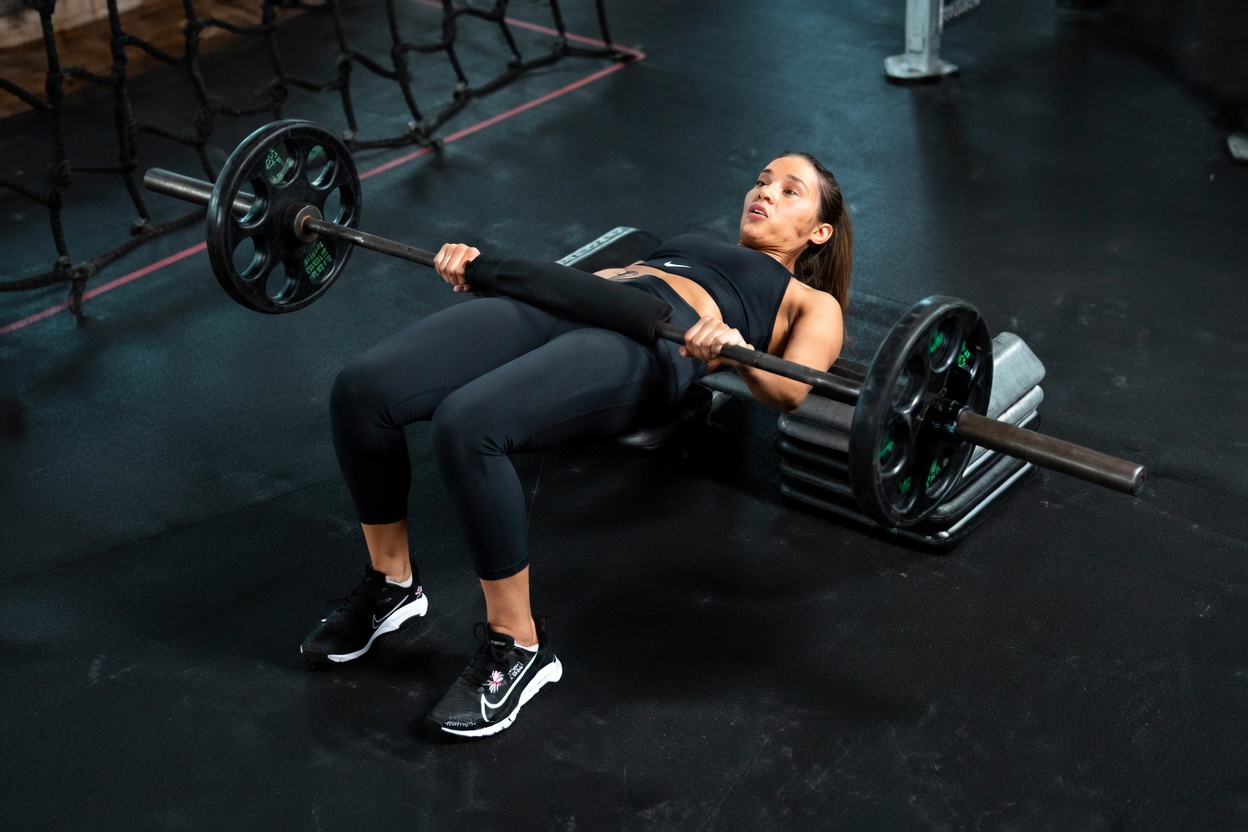
Glute bridges are valuable exercises after 60 because they:
- Strengthen the glute muscles (buttocks)
- Engage the lower back and core
- Contribute to better posture and spinal support
- Help stabilize the pelvis and hips for walking and standing
Research on older adults often links stronger glutes and core muscles to better balance and reduced risk of falls. If you spend a lot of time sitting, your backside and lower back may become weak and tight—glute bridges help counteract that.
For extra comfort:
- Place a small pillow under your head
- Start with a small lift rather than trying to raise the hips high
- Focus on smooth, controlled movements rather than speed
Even a few sets per week can make your back feel more supported during everyday activities like standing in line, gardening, or household chores.
Resistance Band Pulls: Upper Back Strength and Posture Support
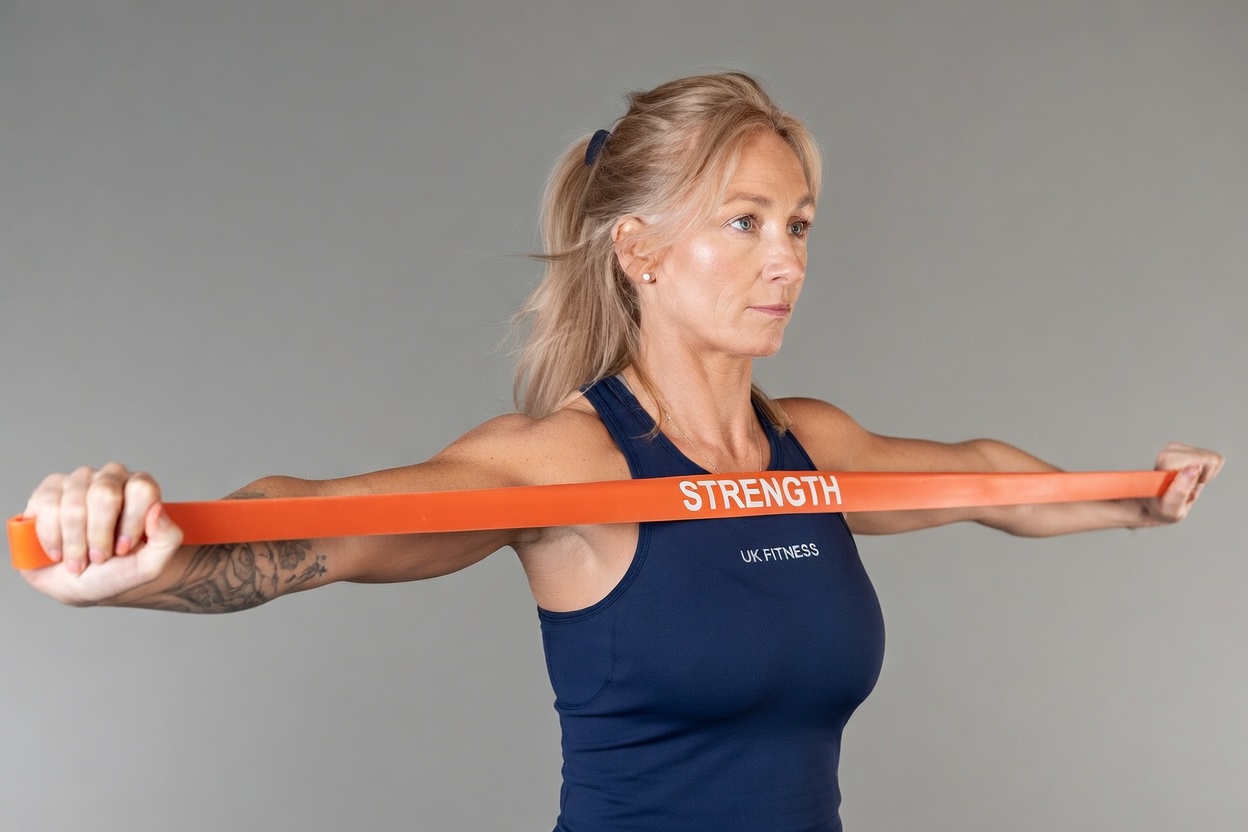
Picture Linda, 67, holding a light resistance band at chest height with both hands. She gently pulls her hands apart, feeling her shoulder blades draw together, then slowly returns to the starting position.
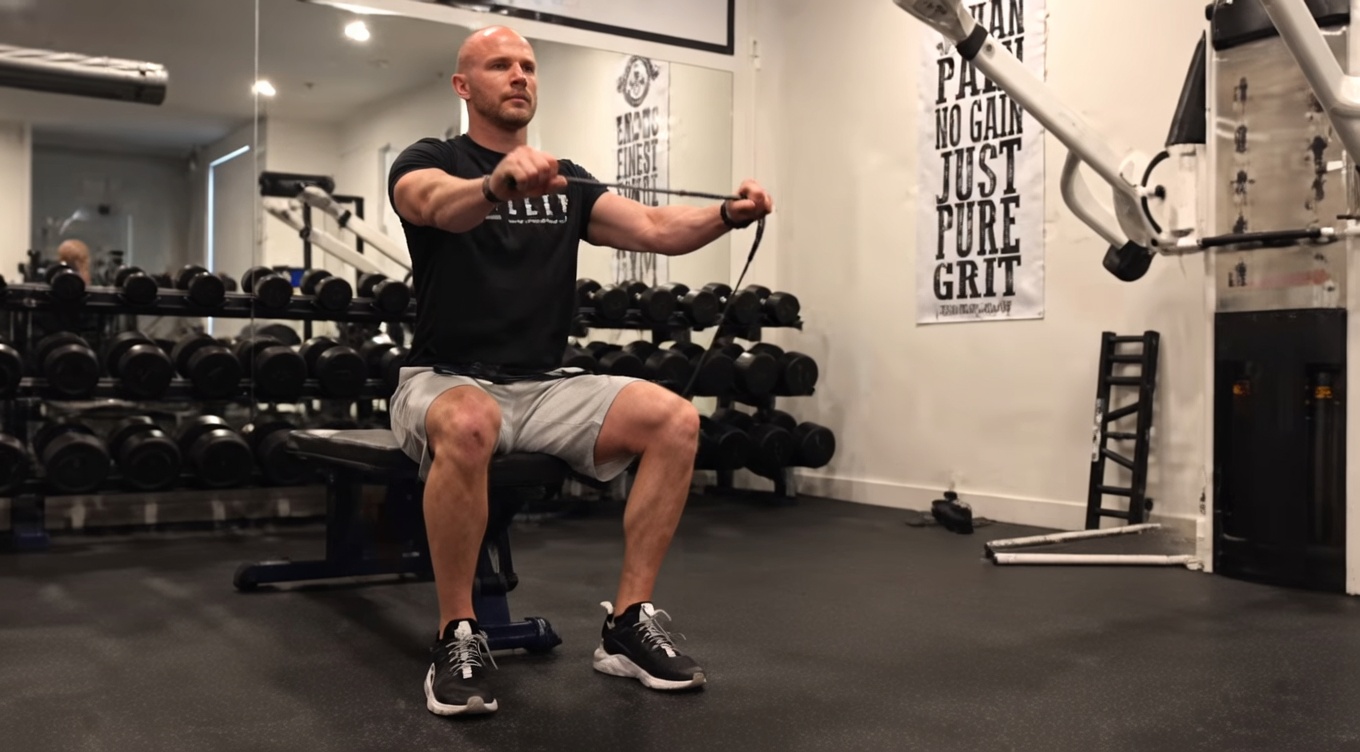
Resistance band pulls (such as band pull-aparts or rows) are excellent exercises after 60 for:
- Strengthening the upper back and rear shoulder muscles
- Counteracting rounded shoulders and forward head posture
- Supporting deeper breathing by opening the chest
- Improving overall posture and alignment
Physical therapy guidelines frequently highlight resistance training for older adults to maintain muscle mass and joint support. If you do not have a band, you can mimic the motion with just your arms to begin learning the pattern.
Key tips:
- Keep movement slow and controlled
- Avoid shrugging shoulders toward your ears
- Focus on squeezing shoulder blades gently together
Over time, these small efforts can help your shoulders feel less tight and your neck less strained, especially if you spend time reading, using a computer, or looking down at a phone.
Comparison of These Exercises After 60
These five targeted exercises after 60—ranging from chair yoga to band pulls—offer a joint-friendly alternative or complement to walking. Many orthopedic and rehabilitation professionals consider them practical options for building strength and stability with reduced impact.
Here is a simple overview:
| Exercise | Main Benefits | Ease Level |
|---|---|---|
| Chair Yoga | Flexibility, calm, balance support | Beginner-friendly, fully or mostly seated |
| Wall Push-Ups | Chest, arm, and shoulder strength | Easy standing modification |
| Seated Marches/Lifts | Leg endurance, circulation, stability | Entirely seated |
| Glute Bridges | Glute and core support, posture | On a mat or firm bed |
| Band Pulls | Upper back strength, posture alignment | Light band or no-equipment option |
General guidelines for these exercises after 60:
- Aim for 10–15 repetitions or holds,
- Perform 2–3 sets,
- Allow rest days between sessions for recovery.
You can make them easier or harder by:
- Holding onto a chair or countertop for support
- Reducing the range of motion at first
- Adding short pauses at the top of each movement as you get stronger
- Gradually increasing repetitions over weeks, not days
Safe Steps to Begin These Exercises After 60
If you’re ready to weave these exercises after 60 into your routine, start small. Many people find success by choosing just one exercise—such as chair yoga—and doing it for 5–10 minutes daily. Individuals like Margaret often notice feeling more stable and confident within the first week or two when they practice consistently.
It’s normal to have questions about arthritis, past injuries, or heart conditions. That’s why these exercises after 60 emphasize listening to your body:
- Gentle effort and mild muscle fatigue are expected
- Stop immediately if you feel sharp or severe pain
- Seek medical guidance if something doesn’t feel right
Always check with your healthcare provider before beginning a new exercise plan, especially if you have chronic conditions or have been inactive for a while.
Many people, like John, report renewed confidence as their strength improves and those nagging worries about stability fade. For Susan, the rhythm and structure of these exercises after 60 turned movement into something she looks forward to again.
Quick Start Guide
Use this simple roadmap to get going:
-
Consult a Professional
Talk with your doctor or physical therapist about these exercises after 60 for personalized recommendations. -
Warm Up Gently
Spend 3–5 minutes doing easy movements like shoulder rolls, ankle circles, or light marching in place (with support if needed). -
Try One Exercise at a Time
Begin with 5–10 minutes of one chosen exercise after 60 each day to allow your body to adapt. -
Progress Slowly
Add a second or third exercise over the following weeks as you feel ready, rather than all at once. -
Track Your Progress
Note changes in energy, balance, or how easy it feels to perform daily tasks like standing up, climbing stairs, or carrying laundry.
Helpful Tools for These Exercises After 60
You don’t need a gym or expensive gear. Most of these exercises after 60 only require:
- A sturdy chair without wheels
- A clear wall space for support or wall push-ups
- Optional resistance band
- Optional exercise mat or firm bed for glute bridges
For added balance training, once you feel comfortable, you can try:
- Brief single-leg stands near a countertop or chair
- Light heel-to-toe walking along a hallway, holding a wall for support if needed
Always stay within a range that feels safe and steady.
Combining Walking with These Exercises After 60
If walking is still part of your plan, you do not need to give it up. In fact, combining walking with these exercises after 60 can provide more complete support for long-term independence:
- Use glute bridges and seated marches to build leg and core strength for walking
- Add band pulls and wall push-ups to support posture and arm swing
- Rely on chair yoga for flexibility and recovery on non-walking days
Just 10 minutes a day of these focused exercises after 60 can help you feel more capable getting up, moving around your home, and handling everyday tasks with less effort.
Consider sharing these ideas with friends or family so you can stay strong and motivated together.
Frequently Asked Questions About These Exercises After 60
How often should I do these exercises after 60?
Start with 2–3 sessions per week, especially if you are new to strength or flexibility work. As your body adapts and you feel more comfortable, you can gradually build to practicing on most days of the week, alternating muscle groups or varying intensity to give yourself recovery time.
Do I need special equipment for these exercises after 60?
Not necessarily. Many of these exercises after 60 require only:
- A chair
- A wall
- Optional items like a resistance band or exercise mat
Resistance bands are inexpensive and portable, but you can begin with bodyweight variations and add equipment later if desired.
Are these exercises after 60 safe if I have balance problems?
Because many of the movements are seated or supported (such as using a wall or sturdy chair), they are often suitable for people with balance concerns. However, safety is individual. It’s important to:
- Get clearance from your doctor or physical therapist
- Start with fully seated exercises
- Hold onto a stable surface during standing movements
This article is for informational purposes only and is not a substitute for professional medical advice, diagnosis, or treatment. Always consult your healthcare provider before starting any new exercise program, especially after age 60.