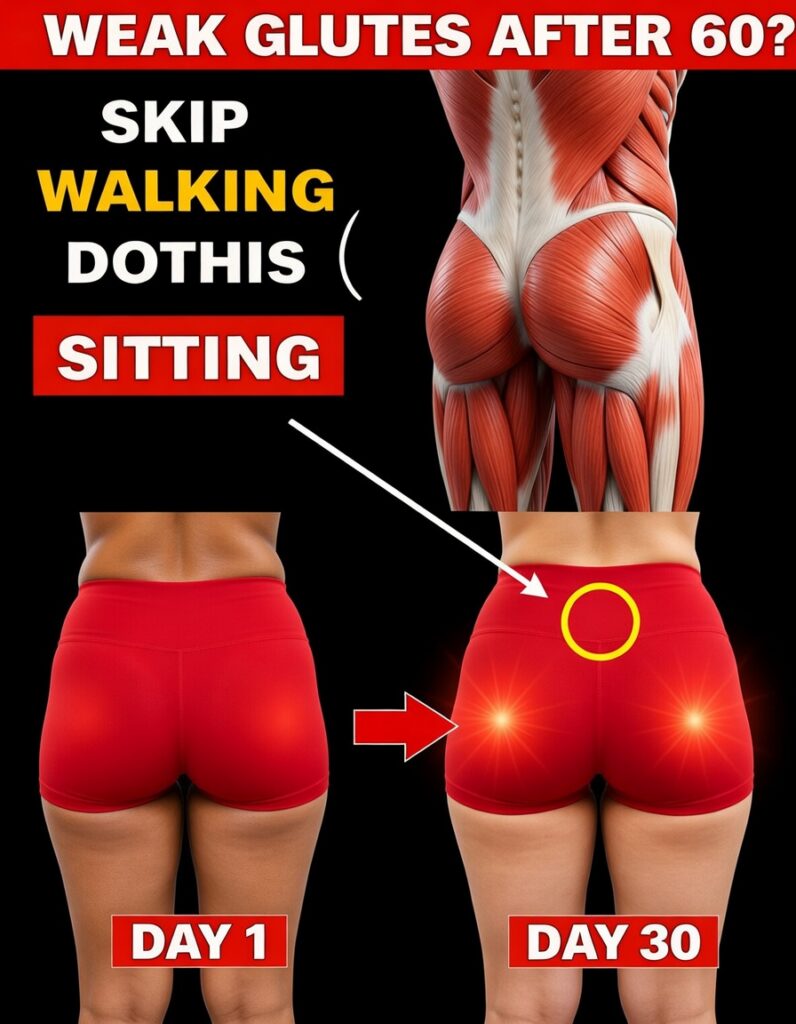
Glute Exercises for Seniors: Build Stronger, Steadier Legs After 60
Many adults over 60 start to notice that their legs don’t feel quite as steady as they used to. Standing up from a chair, climbing stairs, or walking on uneven pavement can suddenly feel like more of a challenge, quietly increasing worries about balance and falls.
A big reason is the gradual loss of glute strength. When your glutes weaken, you may find yourself gripping railings, taking shorter steps, or shuffling cautiously where you once walked confidently.
The encouraging news: simple glute exercises for seniors, done at home with just a chair, wall, or light band, can safely help you rebuild stronger glutes and better balance. Stay with this guide all the way to the end—because the final “activation trick” makes these senior glute exercises work even better than most people expect.
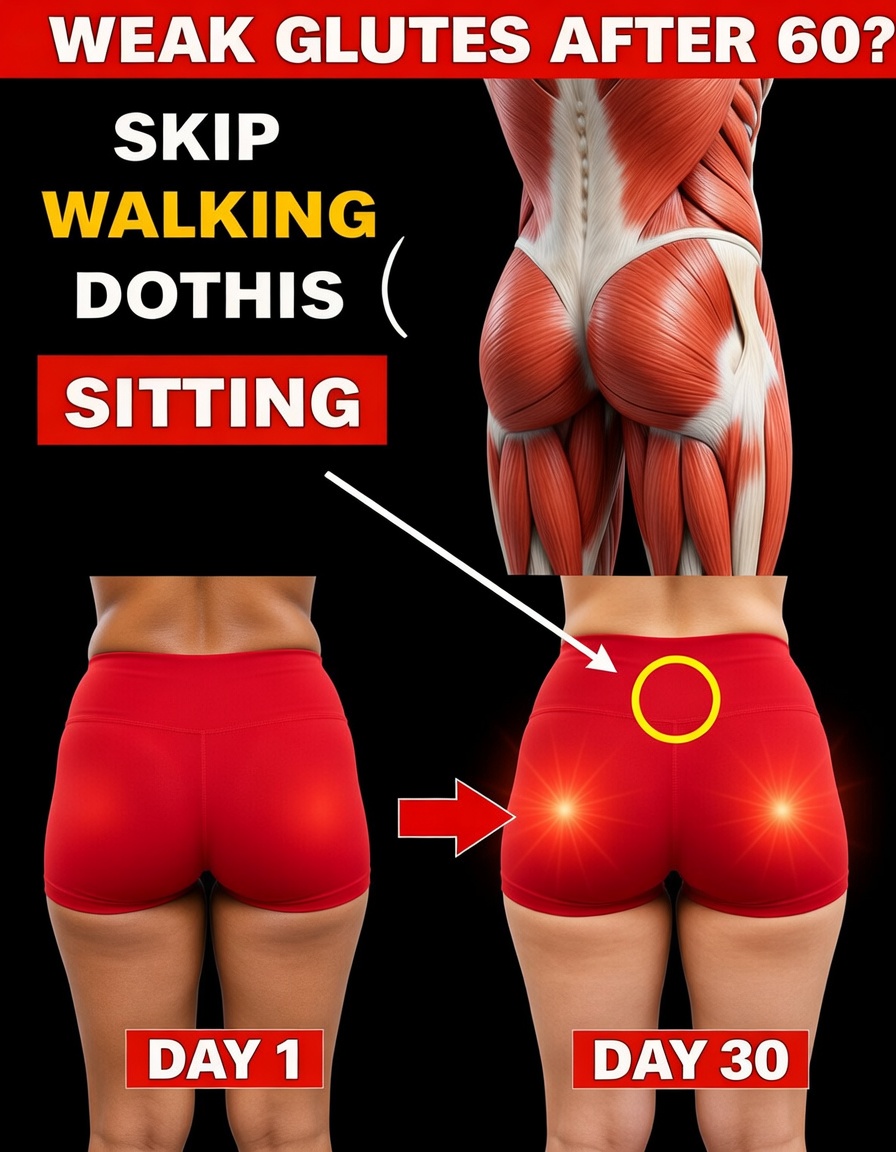
Why Walking Alone Is Not Enough for Stronger Glutes
Daily walking is excellent for your heart, joints, and overall mobility. Yet many seniors who walk regularly still struggle with weak glutes that make balance, stair climbing, and getting up from low seats feel tiring.
Walking often doesn’t fully challenge the glute muscles—especially the side and deep stabilizing fibers. That’s where targeted glute exercises for seniors come in. These movements fill the gap, helping you build stronger glutes so your legs feel more powerful and secure.
One older adult shared that despite walking every day, she still needed both hands to push herself up from chairs. After adding specific glute exercises for seniors, she could stand up more smoothly and felt much steadier on stairs.
The best part: you don’t need a gym, heavy weights, or complicated equipment. These focused glute exercises for seniors are designed for real-life strength—helping to reduce that “wobbly” feeling and support safer, more confident movement.
Key Glute Exercises for Seniors
✅ Step-Ups – The Everyday Move for Stronger Glutes and Better Balance
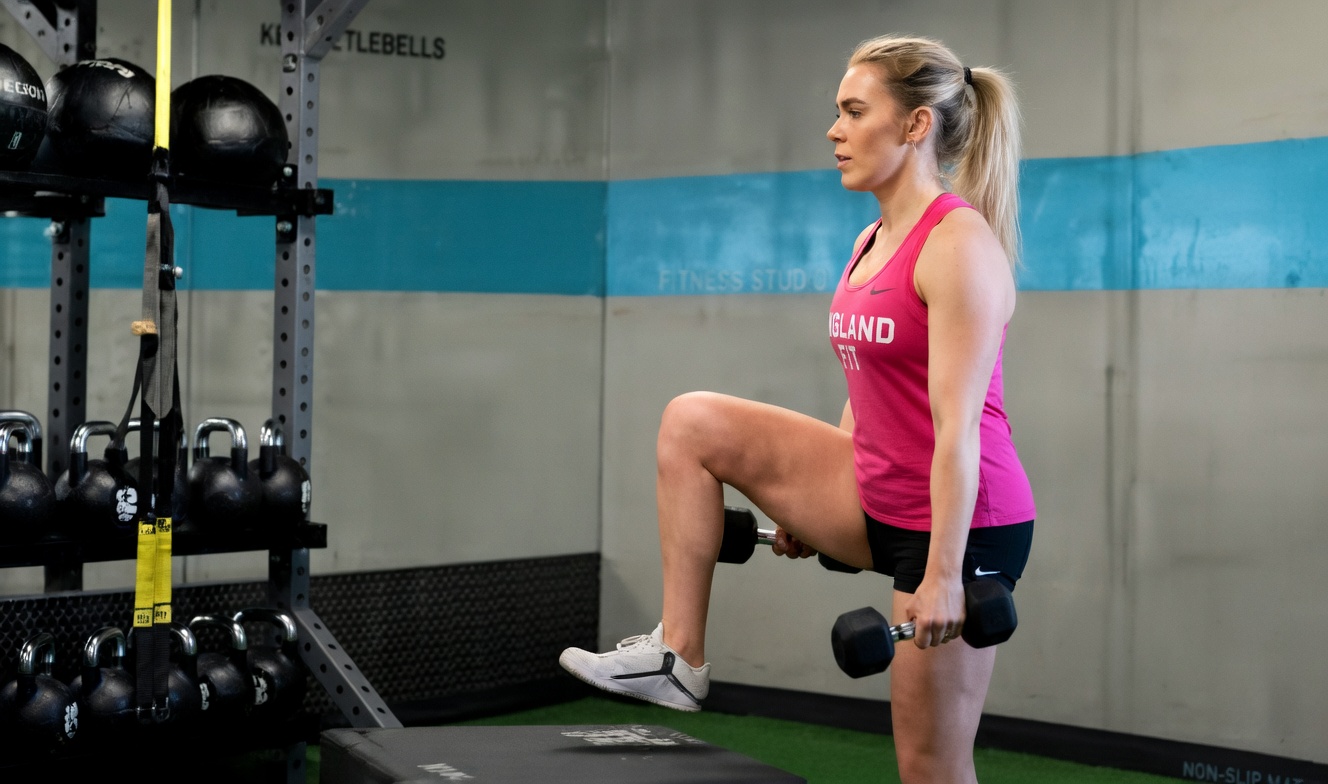
Stepping onto a small step or curb mimics what you do all day—getting onto stairs, curbs, and doorways. Performed in a controlled way, step-ups are a powerful glute exercise for seniors to build leg strength and stability.
How to do it:
- Use a sturdy 6–8 inch step or low stair.
- Stand close and lightly hold a wall or chair for support.
- Place one foot on the step, press through your heel, and slowly lift your body up.
- Step back down with control and repeat on the same leg before switching.
Aim for 8–12 repetitions per leg, 2–3 times per week. Many seniors find that stairs feel easier and their walking feels more stable after a few weeks of including step-ups in their glute exercises routine.
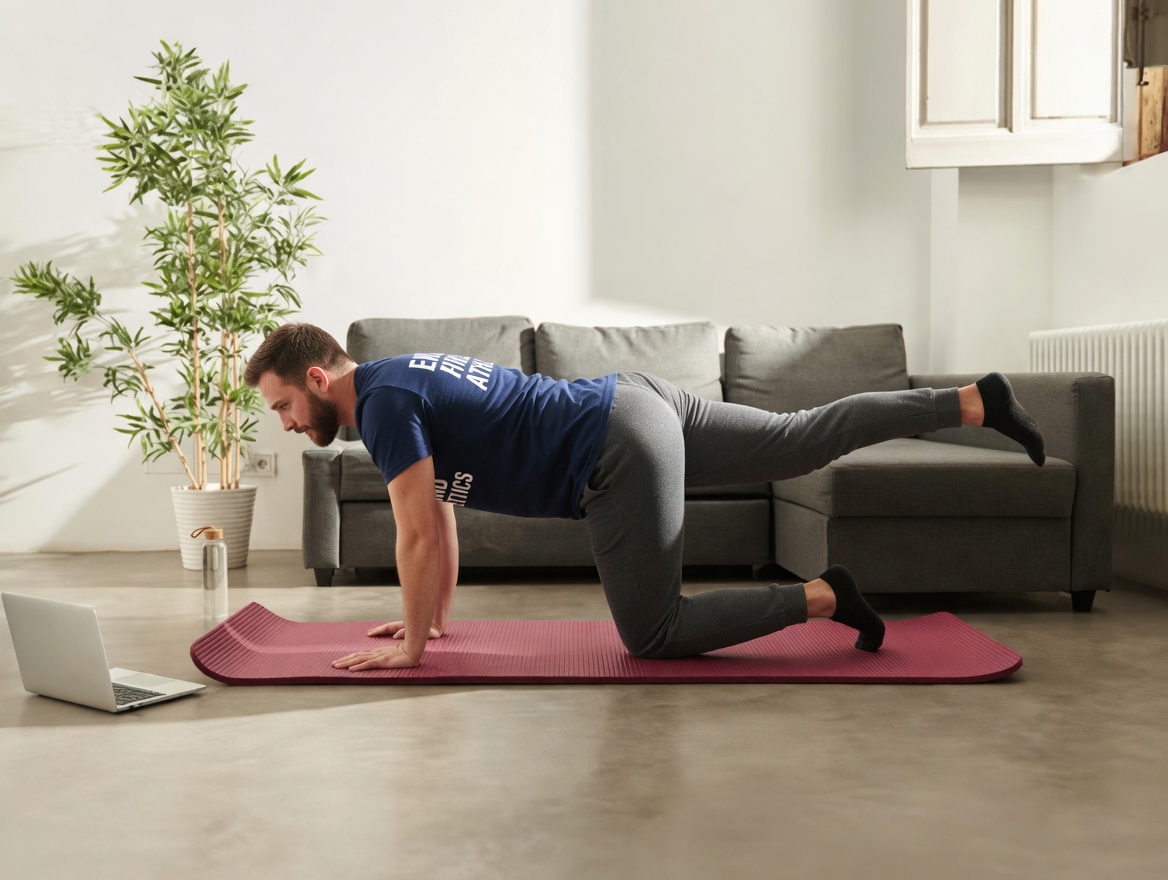
✅ Glute Kickbacks – A Simple Standing Move for Posture and Stronger Glutes
When your glutes “wake up” and do their job, it’s easier to stand tall and walk without stressing your lower back. Glute kickbacks are a gentle, standing glute exercise for seniors that helps your body remember how to use these muscles properly.
How to do it:
- Stand tall while lightly holding the back of a chair or a countertop.
- Keep your torso upright and your core gently engaged.
- Without arching your lower back, extend one leg straight back a few inches.
- Pause to squeeze your glutes, then return the leg to the starting position.
Perform 10–15 slow, controlled reps per side. This senior glute exercise trains proper muscle activation and can contribute to stronger glutes with minimal strain.
Many older adults report less lower-back discomfort and noticeably better posture after doing glute kickbacks regularly as part of their weekly routine.
Mid-Article Check-In: How Are Your Glutes Doing?
Take a brief pause to reflect:
- How many glute exercises for seniors have you seen so far?
- Which movement seems most useful for your current balance concerns?
- What do you expect the next exercise might help with—strength, comfort, or stability?
- On a scale from 1–10, how steady do your legs feel right now?
This quick check-in helps you stay mindful and reinforces what you’re learning about building stronger glutes safely.
✅ Glute Bridge – A Gentle Floor Exercise for Stronger Glutes and Back Relief
Strengthening your glutes while lying on your back may feel simple, but it can be incredibly effective—especially if you spend a lot of time sitting. The glute bridge is one of the most joint-friendly glute exercises for seniors, supporting stronger glutes while easing tension in the lower back.
How to do it:
- Lie on your back with your knees bent and feet flat on the floor, hip-width apart.
- Rest your arms by your sides.
- Press your feet gently into the floor, tighten your glutes, and slowly lift your hips.
- Pause at the top, then lower your hips back down with control.
Start with 12–15 repetitions, moving at a comfortable pace. You can place a pillow between your knees for extra comfort or to help keep your legs aligned.
Many seniors notice that getting in and out of bed feels easier and more supported after regularly adding the glute bridge to their senior glute exercises.
✅ Seated Band Abductions – Side Glute Strength to Reduce Wobbles
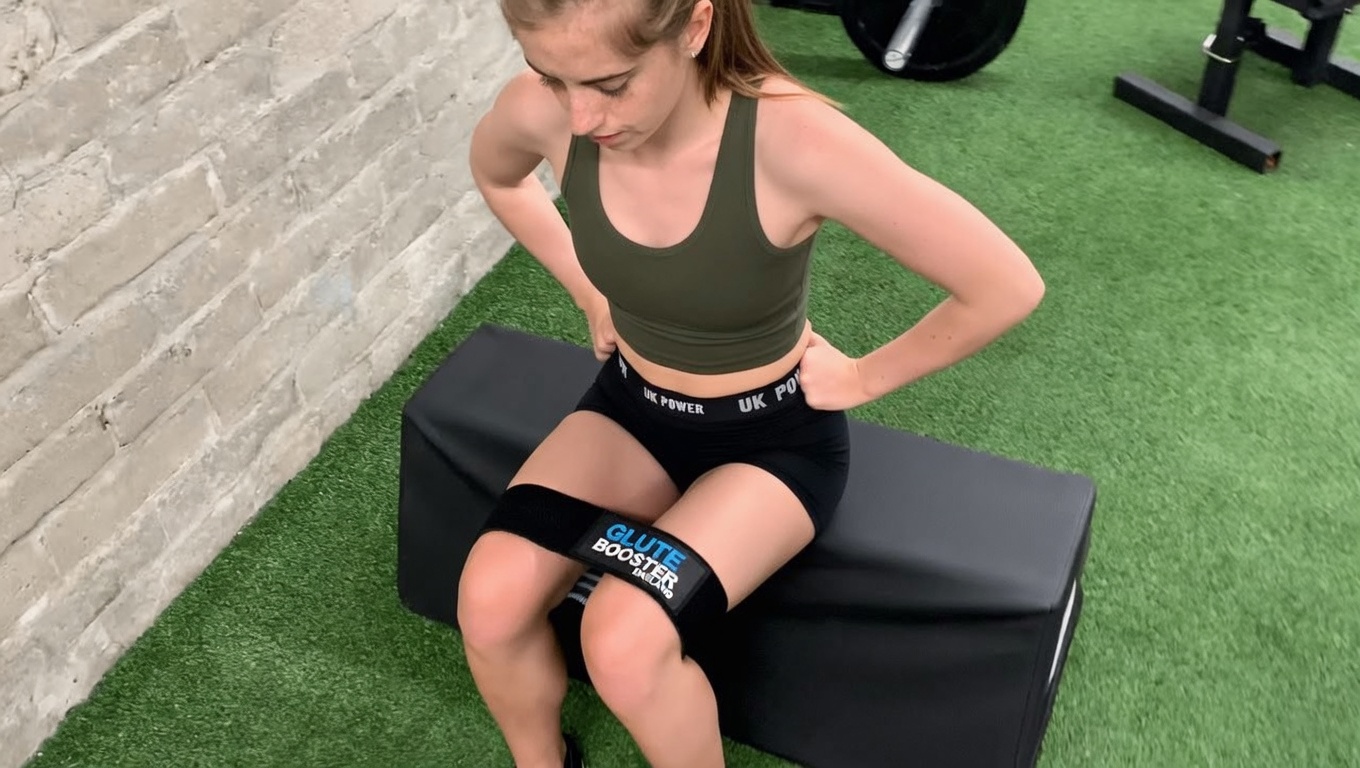
Side-to-side stability is essential when stepping off curbs, turning, or walking on uneven ground. Seated band abductions are a targeted glute exercise for seniors that strengthen the outer hip muscles responsible for lateral stability.
How to do it:
- Sit tall on a firm chair with your feet flat on the floor.
- Loop a light resistance band (or a folded towel) around your thighs, just above the knees.
- Gently press your knees outward against the band, without lifting your feet.
- Control the movement as your knees come back together.
Perform 12–15 repetitions, focusing on a slow, smooth motion. This move helps build stronger glutes on the sides of your hips, so you feel more grounded and less wobbly during daily activities.
Many seniors notice a clear reduction in side-to-side sway after including this exercise in their regular glute routine.
✅ Modified Bulgarian Split Squat – Functional Strength for Real-Life Tasks
The Bulgarian split squat is essentially a supported single-leg squat. While it may sound advanced, the modified version makes it accessible and beneficial for seniors. It is one of the most effective glute exercises for seniors to help build stronger glutes and improve confidence with stairs, getting up, and everyday movement.
How to do it (modified for seniors):
- Stand in front of a sturdy chair with the seat behind you.
- Lightly hold a wall or another chair for balance.
- Place the toes of one foot on the edge of the chair seat behind you.
- With your front foot firmly planted, slowly bend the front knee just halfway, then return to standing.
Start with 6–8 repetitions per side, using only your body weight and full support from your hands as needed.
Over time, many seniors feel their legs working more evenly from left to right and notice a big difference in everyday tasks like standing up or climbing stairs.
Glute Exercises for Seniors: Comparison Table
Use this quick overview to see how targeted glute exercises for seniors stack up against regular walking alone when it comes to building stronger glutes and better balance.
| Activity | Support for Stronger Glutes | Balance Benefit | Daily Carryover (stairs, standing) | Equipment Needed |
|---|---|---|---|---|
| Regular Walking | Limited | Moderate | Moderate | None |
| Step-Ups | High | Very high | High | Low step or stair |
| Glute Kickbacks | High | High | High | Chair or countertop |
| Glute Bridge | Very high | High | Very high | Mat or soft surface |
| Seated Band Abductions | High (outer glutes) | Very high | High | Light band or towel |
| Modified Split Squat | Very high | Exceptional | Very high | Chair for rear foot |
This table highlights why adding targeted glute exercises for seniors often produces better results for strength and stability than walking alone.
A Simple Week 1 Plan to Start Building Stronger Glutes
Here’s an easy, beginner-friendly plan to introduce these senior glute exercises without overwhelming your body:
-
Days 1–3
- Glute bridge: 2 sets of 10 reps
- Seated band abductions: 2 sets of 12 reps per side
-
Days 4–7
- Continue the above, and add:
- Glute kickbacks: 2 sets of 10 reps per side
- Step-ups: 2 sets of 8 reps per leg
- Continue the above, and add:
-
Throughout the week
- Modified Bulgarian split squat: 1–2 sets of 6 reps per leg, using full support from a wall or chair.
Move at a comfortable pace and stop if you feel sharp or unusual joint pain. Many seniors report easier standing, smoother stair climbing, and steadier walking after just a week or two of consistent glute exercises for seniors.
The Simple Activation Trick That Makes Glute Exercises Work Better
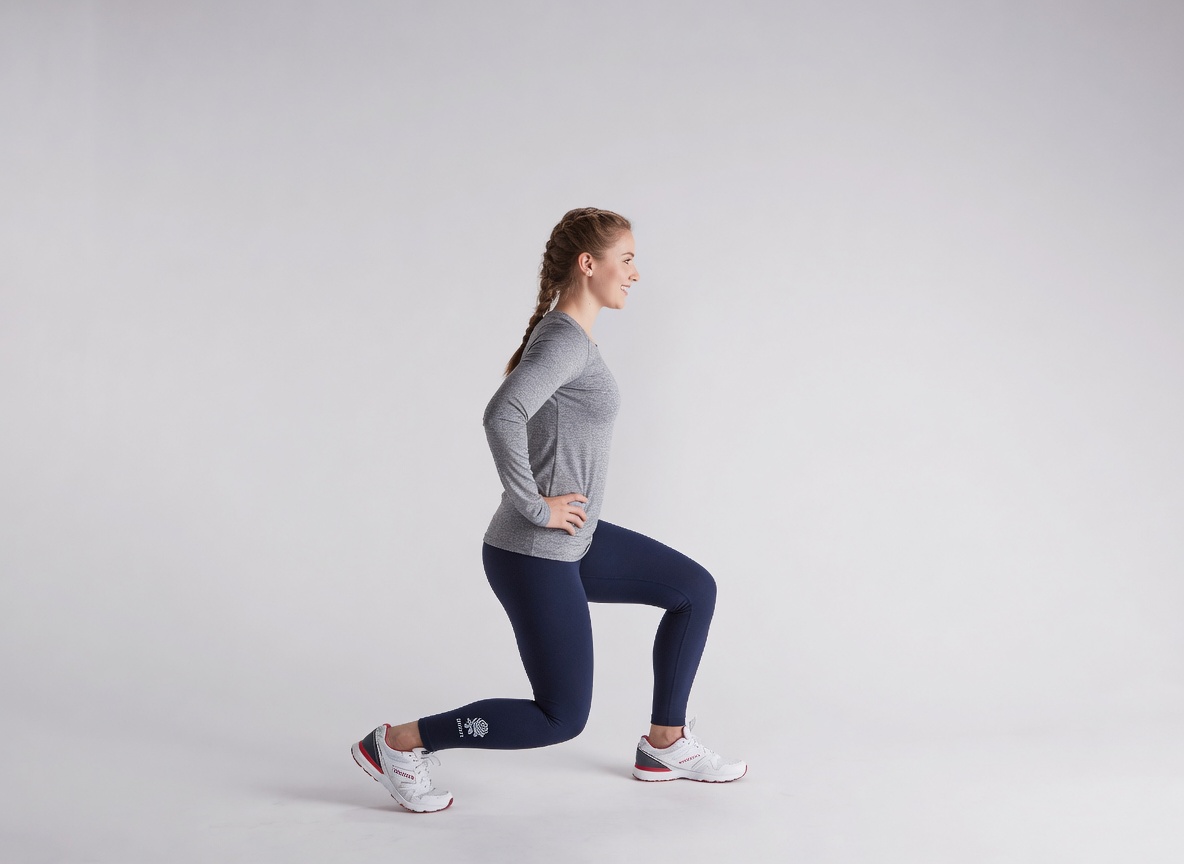
To get even more benefit from your glute exercises for seniors, use this quick activation technique before each set:
- While standing or lying down, gently squeeze your glutes for 5–10 seconds.
- Relax, then begin your set of exercises.
This small step “switches on” your glute muscles, helping them engage more effectively during the movement. Over time, this can make building stronger glutes faster and more efficient.
Imagine:
- Standing up from chairs without needing to push with your arms.
- Walking on trails or uneven sidewalks with steady, confident steps.
- Feeling secure and balanced instead of worried about losing your footing.
Done gently and consistently, glute exercises for seniors can help make this your everyday reality.
Your Action Steps to Start Strengthening Your Glutes Tonight
You don’t need to overhaul your whole routine. Start small:
- Tonight: Clear a safe space near a chair and try one gentle set of glute bridges.
- Tomorrow: Add the seated band abductions (or towel version) and notice how your legs feel afterward.
- This week: Invite a friend, partner, or family member to join you so you can follow the simple weekly plan together for extra motivation and support.
Every small, consistent step with these glute exercises for seniors builds toward stronger glutes, better balance, and more confident movement.
Tip: Put a note on your fridge that says:
“Remember: 5-second glute squeeze before each exercise.”
This reminder turns your glute activation into an easy habit that supports stronger glutes for the long term.
Frequently Asked Questions About Glute Exercises for Seniors
What if I have knee or back discomfort?
If you experience knee or back issues, begin with the glute bridge and seated band abductions, as they are typically the gentlest on joints. Focus on a smaller range of motion and stop if you feel sharp or worsening pain. Always consult your healthcare provider or physical therapist before starting or changing any glute exercises for seniors, especially if you have existing conditions.
Do I need special equipment?
Not at first. In the early weeks, you can rely entirely on body weight plus a stable chair or wall for support. A light resistance band or folded towel can be added later for seated abductions if you want more challenge as your glutes get stronger.
When will I start to notice changes in balance and strength?
Many seniors begin to notice:
- Standing up feels easier.
- Walking feels less unsteady.
- Stairs and small curbs feel more manageable.
These changes often appear within 1–3 weeks of consistent glute exercises for seniors. Progress is gradual but steady—each session helps you build stronger glutes and more reliable balance over time.