How Your Blood Type May Shape Cancer Risk
Cancer directly or indirectly affects most families, and worrying about your own chances can feel exhausting—especially when so much seems beyond your control. One factor many people overlook is something you’ve likely known for years: your blood type. Large population studies suggest that different blood groups are linked to slightly different odds of certain cancers, raising an important question: could your blood type quietly be nudging your risk up or down?
Researchers have now analyzed data from millions of people and found a consistent pattern: one blood type repeatedly shows the lowest cancer associations. The real value of this finding, however, is not in predicting your destiny, but in understanding how these patterns work—and how much more power you actually have through everyday choices.
How Blood Types Are Connected to Cancer Risk
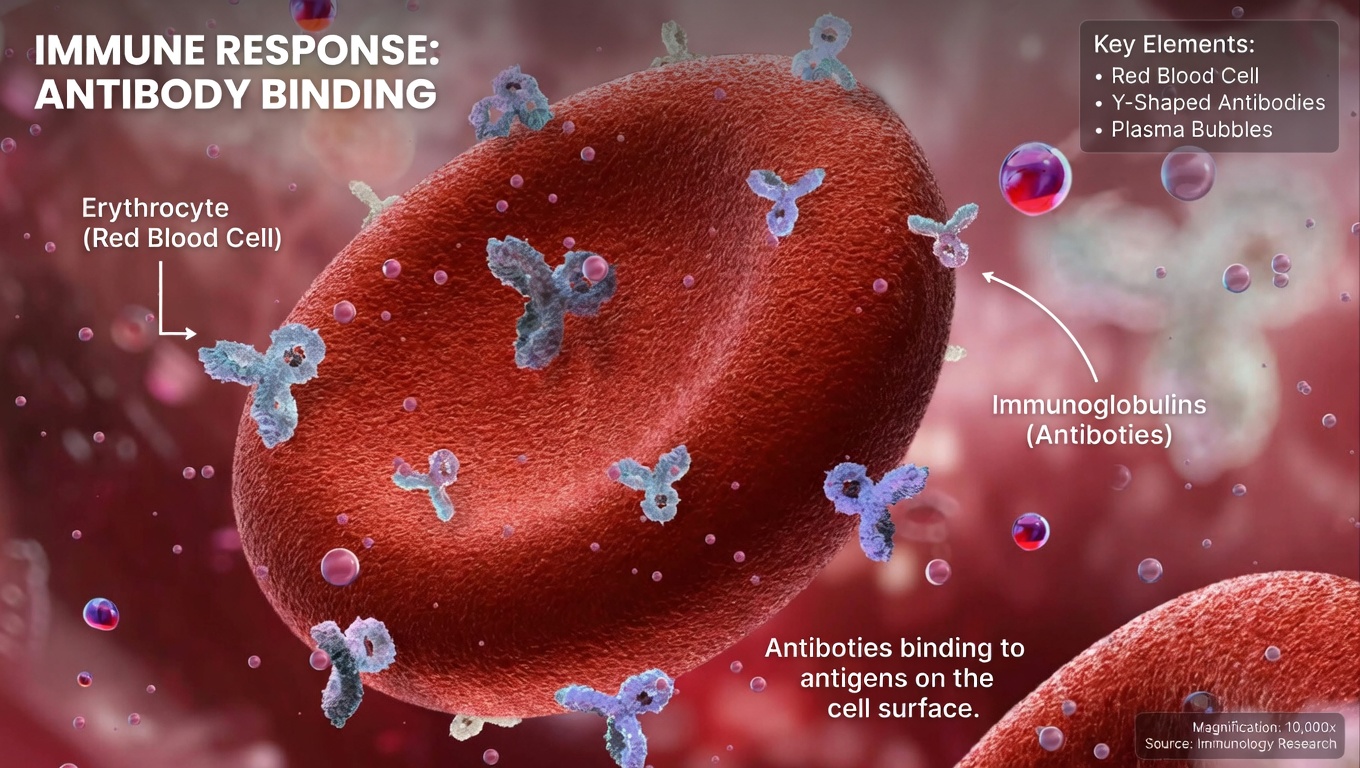
Blood type is defined by the ABO system: A, B, AB, or O. Each type is determined by specific antigens on the surface of red blood cells. These molecules don’t just matter during transfusions; they also play a role in immunity, inflammation, and how your body interacts with bacteria and other microbes over time.
Importantly, this isn’t about a “cancer blood type” that seals your fate. Instead, scientists are looking at trends that appear when you compare huge numbers of people across decades of research.
A major 2014 meta-analysis in the Asian Pacific Journal of Cancer Prevention pooled results from many studies and found that people with blood type A had a modestly higher overall cancer risk, while those with blood type O tended to have lower risk. Additional large datasets, including research from Harvard on pancreatic cancer, show similar patterns for stomach, pancreatic, colorectal, and several other cancers.
On an individual level, the differences are small—most people, regardless of blood type, will never develop cancer. Yet when researchers zoom out to the population level, the signal remains consistent.
The Blood Type Most Often Linked to Lower Cancer Risk
Across multiple large-scale studies, blood type O emerges as the group with the most favorable overall cancer profile. When researchers compare type O to A, B, and AB, people with type O blood generally show lower odds for several major cancers.
Key findings from the research include:
- Reduced risk markers for several cancers: In a large Taiwanese cohort of more than 339,000 participants, non-O blood types showed higher associations with pancreatic cancer, while individuals with type O blood had noticeably lower rates.
- Potential protection in the digestive tract: Multiple reviews connect blood type O with lower gastric (stomach) cancer risk. This may be related to how type O blood interacts differently with common bacteria such as Helicobacter pylori, a major driver of stomach cancer.
- Consistency across populations: Whether the study population is from Asia, Europe, or North America, the general pattern holds—type O often appears with the lowest relative odds for several cancer types.
That said, blood types A, B, and AB tend to show higher associations for certain cancers in these datasets. This doesn’t guarantee that someone with A, B, or AB will get cancer, nor does it guarantee protection for type O. It simply means blood type can be one useful piece of context in conversations with your healthcare provider.
Comparing Cancer Associations by Blood Type
Drawing from meta-analyses and large cohort studies, here is how the different blood groups generally compare:
-
Blood Type O:
Frequently shows the lowest associations with gastric, pancreatic, colorectal, and breast cancers in combined analyses. -
Blood Type A:
Repeatedly linked with higher risk for gastric, pancreatic, and ovarian cancers. -
Blood Type B:
Associated with elevated risk in some studies for pancreatic cancer and selected colorectal outcomes. -
Blood Type AB:
Results are more mixed, but this group often shows higher pancreatic cancer risk and variable patterns across other cancers.
Some example numbers from observational research:
-
Gastric (stomach) cancer:
- Type A: up to 18% higher odds
- Type O: about 16% lower odds
-
Pancreatic cancer:
- Type A: up to 23% higher odds
- Type O: up to 25% lower odds
-
Overall cancer risk (across multiple cancers):
- Type A: roughly 12% higher
- Type O: about 16% lower
These figures reflect associations, not proof that blood type directly causes cancer. Still, the repeated patterns across various studies make them scientifically meaningful.
Why Would Blood Type Affect Cancer Risk?
Researchers believe the explanation lies in the biology of ABO antigens and how they interact with your immune system and environment. Several mechanisms have been proposed:
-
Immune response and inflammation:
The A and B antigens may influence how the immune system recognizes cells and responds to chronic inflammation. Since chronic inflammation is a known driver of many cancers, subtle differences here could affect risk over decades. -
Microbial interactions:
Certain bacteria and viruses bind more easily to specific blood group antigens. For example, differences in susceptibility to H. pylori infection—strongly linked to stomach cancer—may partially explain why type O often shows lower gastric cancer risk. -
Coagulation and vascular effects:
Blood type O is also associated with lower levels of certain clotting factors, which has been tied to reduced cardiovascular risk. The same pathways may indirectly influence cancer development, since blood flow, inflammation, and clotting all affect tumor growth and spread.
Because your blood type is encoded in your DNA, these differences are present from birth and subtly influence your biology throughout life. Still, they form only a small part of your overall cancer risk profile.
What Actually Matters Most: Everyday Choices
Regardless of whether you’re type O, A, B, or AB, lifestyle choices have a far greater impact on cancer risk than ABO blood group. Decades of public health research point to practical habits that can significantly reduce risk for nearly everyone:
-
Find out your blood type (if you don’t know it):
A quick lab test—or even some reliable home test kits—can confirm your type in minutes, often as part of routine blood work. -
Emphasize a plant-forward diet:
Build meals around vegetables, fruits, whole grains, legumes, nuts, and seeds. These foods support healthy cells and reduce chronic inflammation. -
Be consistently active:
Aim for at least 30 minutes of moderate movement most days—brisk walking, cycling, dancing, or anything that gets your heart rate up. -
Avoid tobacco and limit alcohol:
Not smoking is one of the single most powerful ways to prevent cancer. If you drink, keep it to moderate levels or less. -
Stay current on cancer screenings:
Follow your doctor’s recommendations for colonoscopies, mammograms, Pap tests, skin checks, and other age- and risk-based screenings. -
Maintain a healthy weight and manage stress:
Quality sleep, stress-reduction techniques (like deep breathing or meditation), and balanced nutrition all contribute to lower overall risk.
These actions benefit everyone, regardless of blood type, and their effects accumulate over time. In practical terms, they are far more important than the letter on your blood type card.
The Bigger Picture: Blood Type Is Just One Small Clue
While the data consistently point to blood type O as having the lowest associated risk for several cancers—and to types A, B, and AB showing modestly higher risks—the overall impact is relatively small compared with lifestyle factors.
Review after review confirms that smoking, diet, physical activity, alcohol use, body weight, and regular screening explain most of the differences in cancer risk between individuals. If you have type A, B, or AB, there is no reason to panic; focus on the powerful changes you can make today. If you have type O, consider it a minor advantage, not a shield—and follow the same prevention strategies.
The most important takeaway is this: understanding your blood type can inform better conversations with your doctor, but your daily choices remain the strongest tools for long-term health.
FAQ: Common Questions About Blood Type and Cancer Risk
Can changing my diet or lifestyle switch my blood type to reduce cancer risk?
No. Your blood type is fixed by your genes and does not change with diet, exercise, or supplements. The encouraging news is that healthy habits—like not smoking, eating well, and staying active—can significantly lower cancer risk for every blood type.
Does blood type influence all types of cancer equally?
No. The clearest links are seen with cancers of the stomach, pancreas, and parts of the gastrointestinal tract. For many other cancers, such as lung or skin cancer, studies have not shown a strong or consistent relationship with ABO blood type.
How reliable are these findings, and should I get tested only for cancer risk reasons?
The patterns come from large meta-analyses and cohort studies involving hundreds of thousands of people, which makes them statistically robust. However, blood type testing is not recommended solely as a cancer risk test. Most people learn their blood type during routine medical care, pregnancy, or blood donation. Treat this information as helpful context, not a standalone reason to get tested.
In summary, research repeatedly shows that blood type O is associated with lower risk for several common cancers, while types A, B, and AB carry slightly higher associations in the data. Yet your real power lies in how you live: prioritize proven prevention habits, keep up with screenings, and use your blood type as just one small part of a comprehensive approach to long-term health.