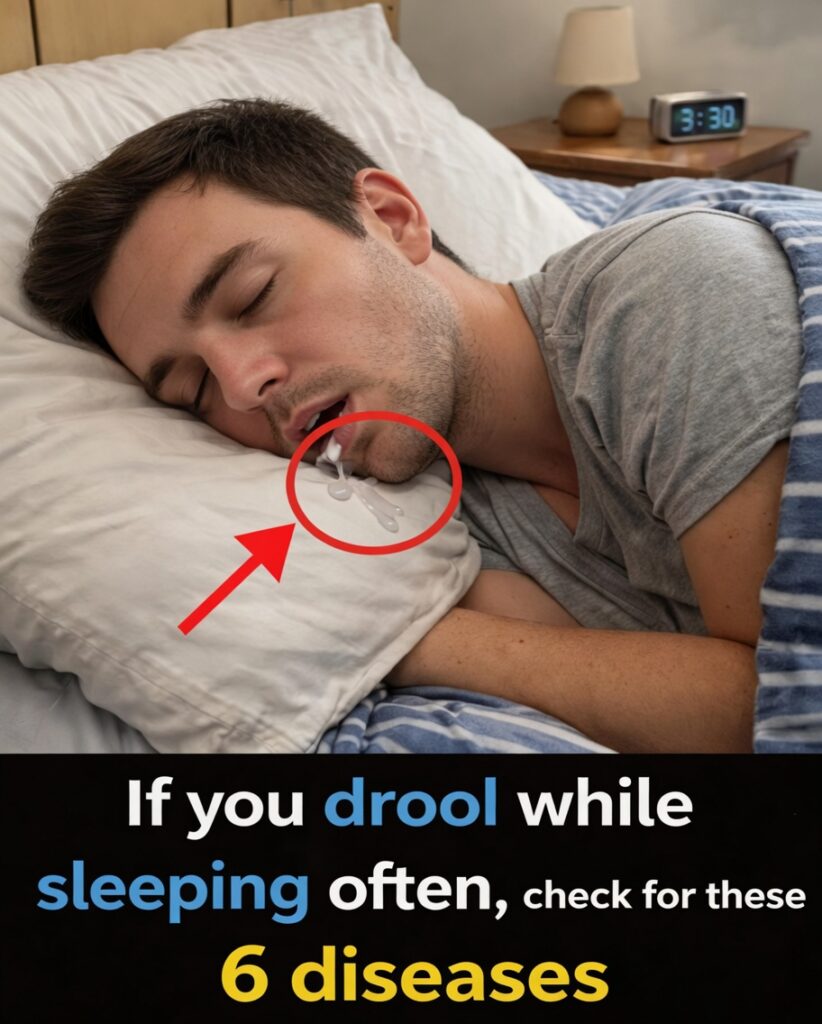
Nighttime Drooling: What It Could Be Telling You About Your Health
Waking up to a damp pillow and a wet patch on your cheek can feel awkward and uncomfortable, especially when it happens night after night. What seems like a small nuisance can slowly affect your sleep quality, leave you groggy in the morning, and even make you self-conscious around a partner. Occasional drooling is common and usually harmless, but when it becomes a regular pattern, it may be your body’s way of signaling that something else is going on.
Paying attention to this “small” habit matters more than it might seem. Below, you’ll find six common health issues that specialists often connect with excessive drooling during sleep, plus straightforward steps you can try right away. Don’t skip the final tip—it’s surprisingly simple and can make a noticeable difference as soon as tonight.
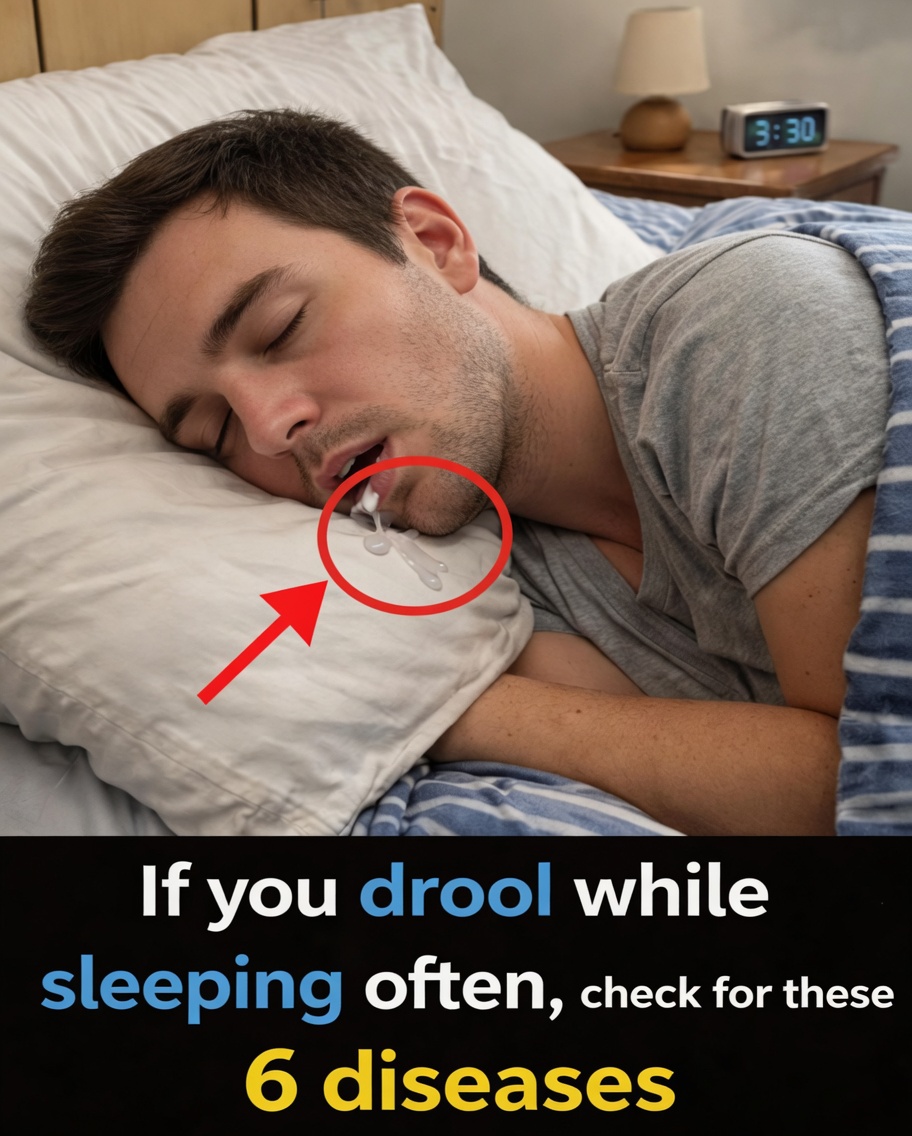
Why You Drool in Your Sleep More Often Than You Think
During deeper stages of sleep, your swallowing reflex naturally slows down while your salivary glands continue to produce spit. Under normal circumstances, your lips stay closed, your muscles manage the saliva effectively, and nothing leaks out. But when anything interferes with your breathing, muscle control, or digestion, that balance can shift and saliva is more likely to escape.
Sleep specialists point out that this change is often linked to everyday factors like your sleep posture, as well as ongoing health issues that may need attention. The encouraging part: once you understand the underlying cause, you can start making targeted changes.
6 Common Causes of Excessive Drooling While Sleeping
1. Sleep Apnea
Sleep apnea is a condition in which your breathing repeatedly stops or becomes very shallow during the night, often because your airway narrows or collapses. When that happens, many people instinctively switch to breathing through their mouth to get enough air. An open mouth makes it much easier for saliva to spill out, soaking the pillow before you realize it.
Frequent drooling can be one of the subtle warning signs of sleep apnea. Other clues include loud snoring, waking up gasping or choking, and feeling exhausted despite spending plenty of time in bed. Medical centers note that treating the underlying breathing issue—whether through lifestyle changes, devices, or other therapies—often reduces drooling dramatically.
2. Gastroesophageal Reflux Disease (GERD)
GERD occurs when stomach acid flows backward into the esophagus, which is more likely when you’re lying flat. In response, your body often produces extra saliva to help dilute and wash away the acid. That surge in saliva can easily leak out of your mouth while you sleep, leading to noticeable drooling in the morning.
Typical GERD symptoms include heartburn, chest discomfort, or a sour taste in the mouth. However, nighttime reflux can be more subtle, primarily showing up as drooling or a cough when you lie down. Sleep and digestive studies repeatedly show that the horizontal position can worsen reflux, turning a “quiet” digestive problem into a very visible nighttime symptom.
3. Neurological Conditions
Certain neurological disorders that affect muscle control and coordination—such as Parkinson’s disease, the aftermath of a stroke, cerebral palsy, or ALS—can make it harder for the muscles in the mouth, tongue, and throat to manage saliva effectively. Even in early stages, the swallowing reflex may become slower or less efficient.
Specialists explain that this often happens because the nerves that guide facial and oral muscles are not communicating as strongly or as smoothly as they should. While these conditions can sound serious, many people manage them well with appropriate treatment and support. Noticing increased drooling, especially if it’s new or worsening, can be a useful prompt to discuss changes with a healthcare professional.
4. Sinus Infections and Allergies
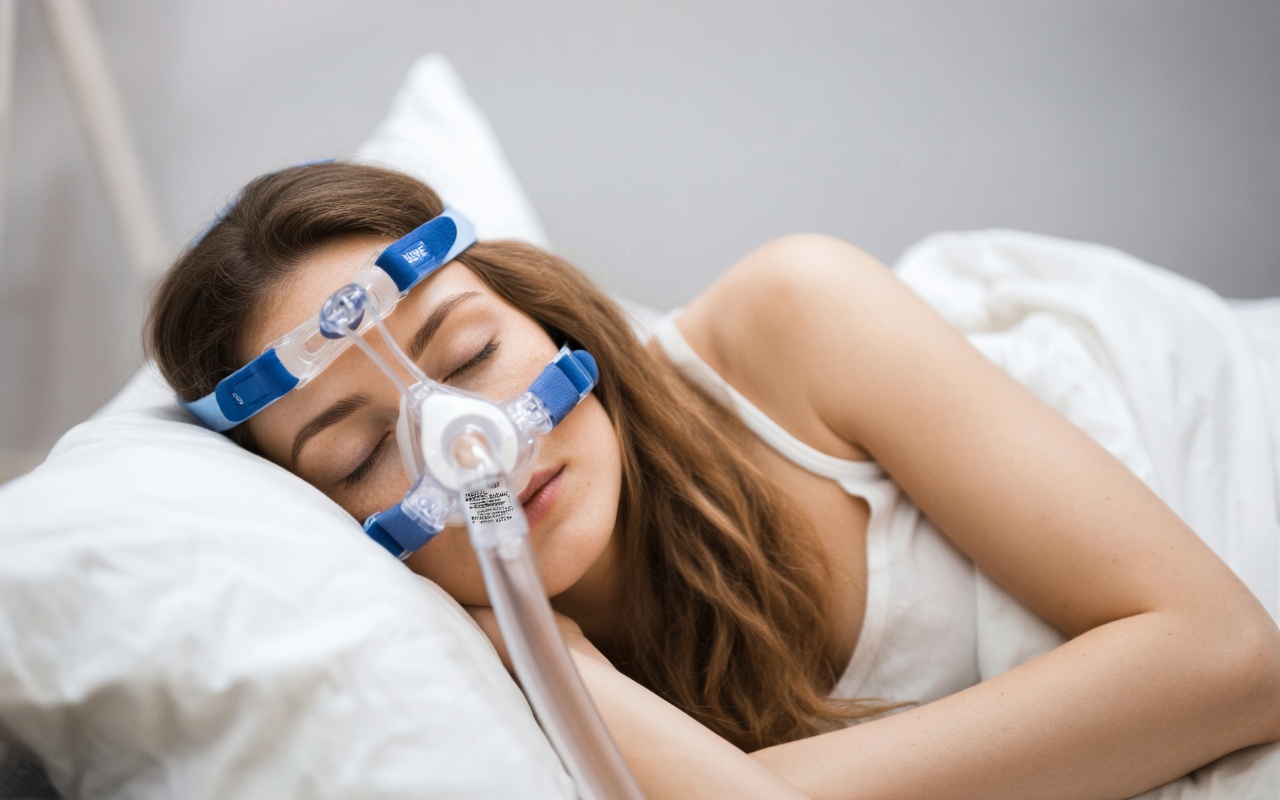
When your nose is congested from seasonal allergies, a sinus infection, or a lingering cold, breathing through your nose becomes difficult. As a result, you switch to mouth breathing—especially at night. Once your mouth falls open, gravity takes over and saliva has a clear path onto your pillow.
Sleep organizations emphasize that swollen or inflamed sinus passages disrupt normal airflow, and this pattern often repeats every allergy season or during upper respiratory infections. Clearing nasal congestion, even with simple home remedies, can quickly reduce mouth breathing and cut down on nighttime drooling for many people.
5. Tonsillitis or Other Throat Infections
Inflamed tonsils, strep throat, and other infections in the throat area can make swallowing painful or uncomfortable. When swallowing becomes difficult, your body may unconsciously avoid it, allowing saliva to collect in the mouth. During sleep, that extra saliva will often flow out, leading to noticeable drooling.
Dental infections, such as abscessed teeth, can trigger a similar response by causing pain and swelling in the mouth. These infections often come with additional symptoms like sore throat, fever, swollen glands, or difficulty swallowing. In some cases, though, drooling may show up before other signs become obvious. Treating the underlying infection typically reduces drooling as the irritation resolves.
6. Side Effects of Medications
A number of prescription drugs can increase saliva production or affect the muscles that help keep your lips closed and your swallowing reflex on track. Medications prescribed for neurological conditions, mental health disorders, and even certain pain medications are common examples.
Because your body is more relaxed at night, these side effects can be most noticeable while you sleep. If you recently started a new medication—or changed the dose of one you already take—and then noticed your drooling increase, the timing may not be a coincidence. Many people find that discussing the issue with their healthcare provider leads to simple adjustments in type, dosage, or schedule that reduce drooling while maintaining the benefits of the treatment.
Quick Self-Check: Signs You Should Pay Closer Attention
You may want to take a more careful look at your nighttime drooling if you notice several of these patterns:
- Your pillow is wet or damp most mornings.
- You snore loudly or your partner says you stop breathing at times.
- You wake up choking, gasping, or coughing during the night.
- Heartburn, chest burning, or a sour taste often shows up when you lie down.
- You feel unusually tired, foggy, or irritable despite getting “enough” hours of sleep.
- You’ve had ongoing sinus congestion, allergies, or a stubborn cold.
- Swallowing feels strange or uncomfortable, or your throat stays sore.
If more than one of these sounds familiar, the steps below can help you take action with more confidence.
Easy Changes to Reduce Nighttime Drooling Starting Tonight
You don’t need advanced equipment or complicated routines to begin. Try incorporating some of these practical adjustments:
- Slightly raise the head of your bed or use a wedge pillow to improve airway alignment and reduce acid reflux.
- Experiment with sleeping on your back rather than your stomach or side to encourage your mouth to stay closed.
- Use a saline nasal spray, nasal rinse, or humidifier before bed if congestion is common for you.
- Avoid large, heavy, or spicy meals within a few hours of bedtime to lessen reflux risk.
- Stick to a consistent sleep schedule and calming pre-bed routine to support deeper, more stable sleep.
- Keep a simple symptom journal for a week, noting your sleep position, medications, congestion, reflux, and drooling intensity to share with a healthcare provider if needed.

These small changes often lead to noticeable improvements, even while you explore possible medical causes with a professional.
When to See a Doctor About Drooling in Your Sleep
Consider bringing up nighttime drooling with a doctor or other qualified healthcare provider if:
- It happens most nights and seems to be getting worse.
- It’s accompanied by loud snoring, gasping, or pauses in breathing.
- You experience persistent heartburn, reflux, or chest discomfort at night.
- You feel chronically tired or unrefreshed, even after long sleep.
- You have difficulty swallowing, frequent sore throats, or unexplained weight changes.
- You’re on medications known to affect saliva and you’ve noticed a significant change.
A basic physical exam, sleep study, allergy testing, or evaluation for reflux or neurological issues can often pinpoint the cause and guide you to effective solutions. Identifying the reason sooner usually means better sleep—and drier pillows—sooner as well.
Final Thoughts: Drier Pillows and Better Sleep Are Possible
Regular drooling while you sleep isn’t something you have to simply tolerate or feel embarrassed about. In many cases, it’s a gentle signal to check in on your breathing, digestion, nasal health, or medication side effects. By staying curious, making small changes, and seeking medical guidance when needed, most people can reduce nighttime drooling and wake up feeling more rested and confident.
Remember that simple strategy hinted at earlier? For many, slightly elevating the head of the bed—just a couple of inches—can calm reflux, improve airflow, and noticeably cut back on drooling. It’s an easy experiment to try tonight and watch how your mornings begin to change.
FAQ
Is occasional drooling while sleeping normal?
Yes. Mild drooling during deep sleep is very common and usually not a problem. It becomes more important to investigate when drooling is heavy, frequent, or associated with other symptoms like snoring, fatigue, or reflux.
Can changing my sleeping position really make a difference?
Yes. Sleeping on your back with a supportive pillow can reduce mouth breathing and help keep saliva inside the mouth. Many sleep specialists recommend experimenting with position and pillow height as a first, simple step.
What if my medication seems to be causing more saliva and drooling?
Do not stop your medication on your own. Talk with your healthcare provider about what you’re noticing. They may adjust the dose, change the timing, or switch to an alternative medication that’s less likely to cause excessive salivation.
This content is for informational purposes only and does not replace professional medical advice, diagnosis, or treatment. Always consult a qualified healthcare provider with questions about your symptoms, medications, or health conditions.