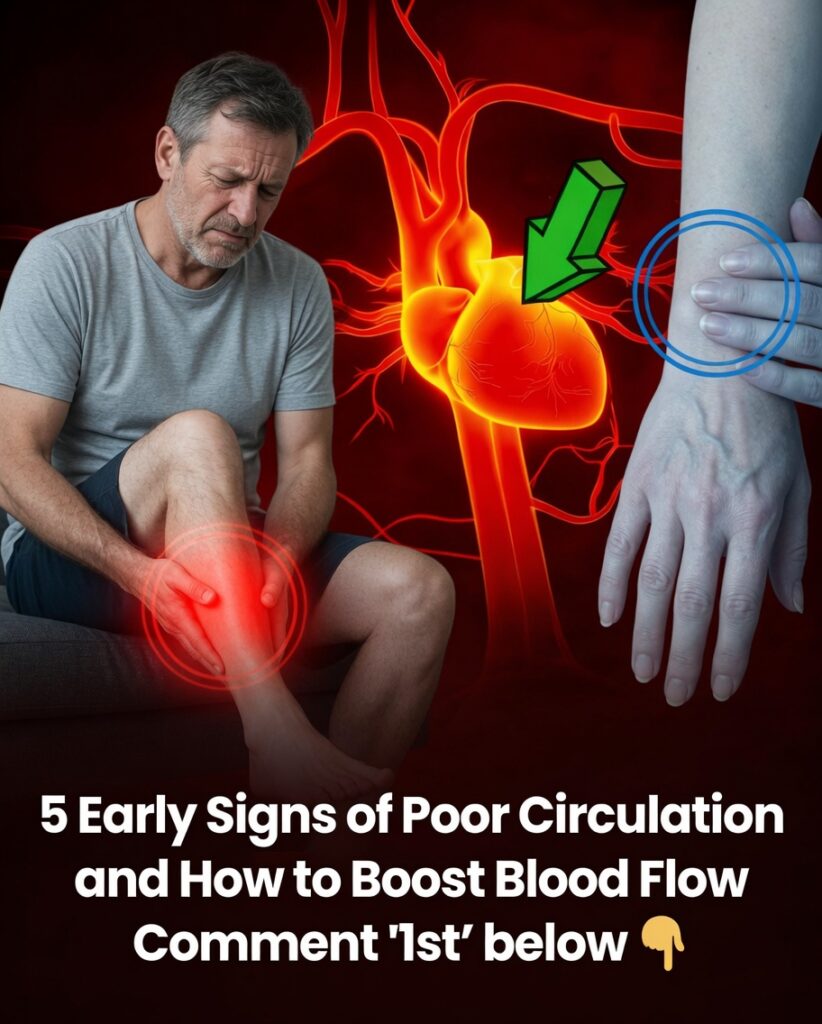
How Poor Circulation Quietly Drains Your Energy
That persistent tingling in your legs or those always-cold hands and feet can slowly turn simple tasks into exhausting challenges. When blood does not flow efficiently, everyday activities like walking, concentrating, or even falling asleep can feel harder than they should. Over time, this discomfort often creates stress, frustration, and worry about your long-term health.
The good news: there are straightforward lifestyle habits that can naturally support healthier blood flow—without complicated routines or drastic changes. Stay with this guide, because at the end you’ll learn about one simple daily habit that makes all these strategies work even better.
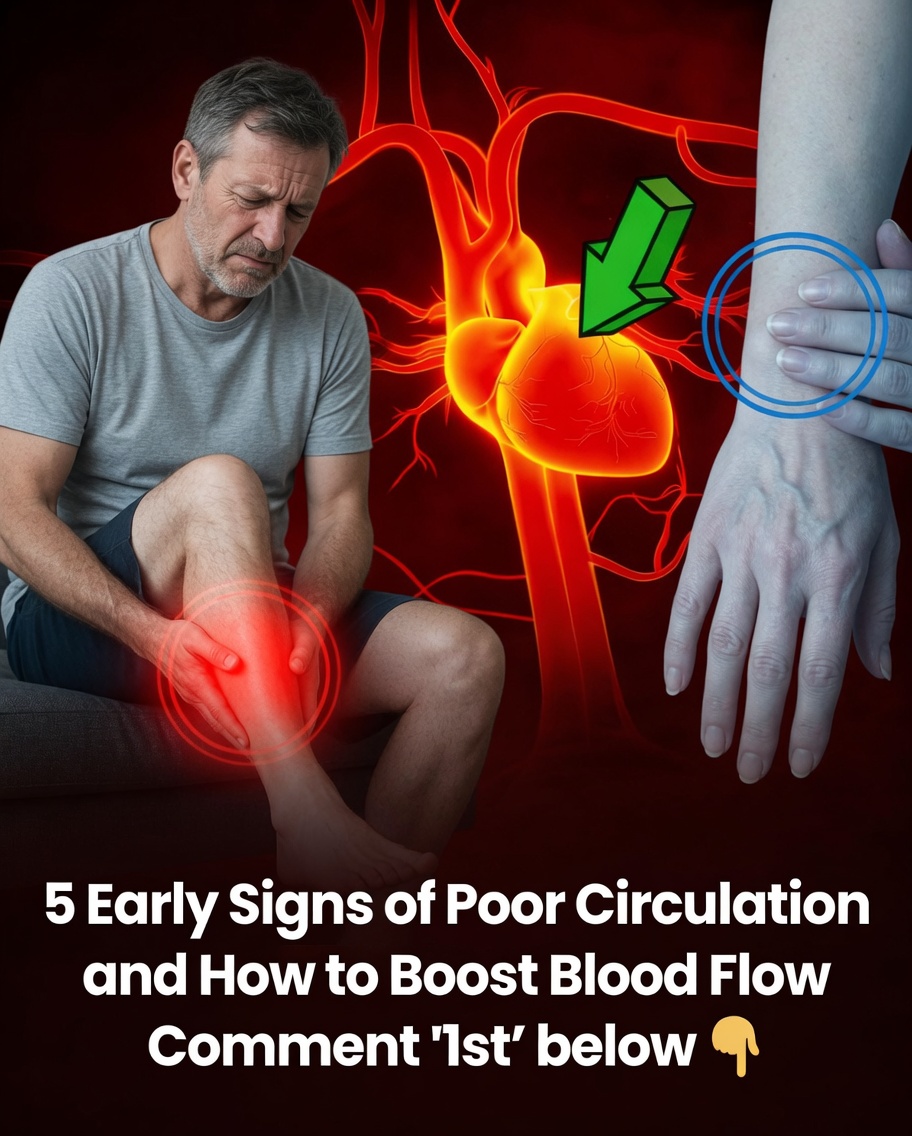
Understanding How Poor Circulation Affects Daily Life
Poor circulation occurs when blood moves too slowly or inefficiently through your body. This makes it harder for oxygen and nutrients to reach your tissues, often leaving you feeling tired, uncomfortable, and less confident in your normal routine.
Many people only recognize circulation problems after they begin to interfere with work performance, time with family, or favorite activities. Research from major health organizations shows that everyday habits—such as movement, diet, and smoking—play a major role in how circulation changes over time.
What many people overlook is that early awareness makes a big difference. When you notice the first signs of poor circulation, you can start making gentle, practical adjustments that help support better blood flow in a natural way.
Poor circulation influences everything from your energy and mood to your sleep quality—but small, consistent changes can noticeably improve your overall comfort.
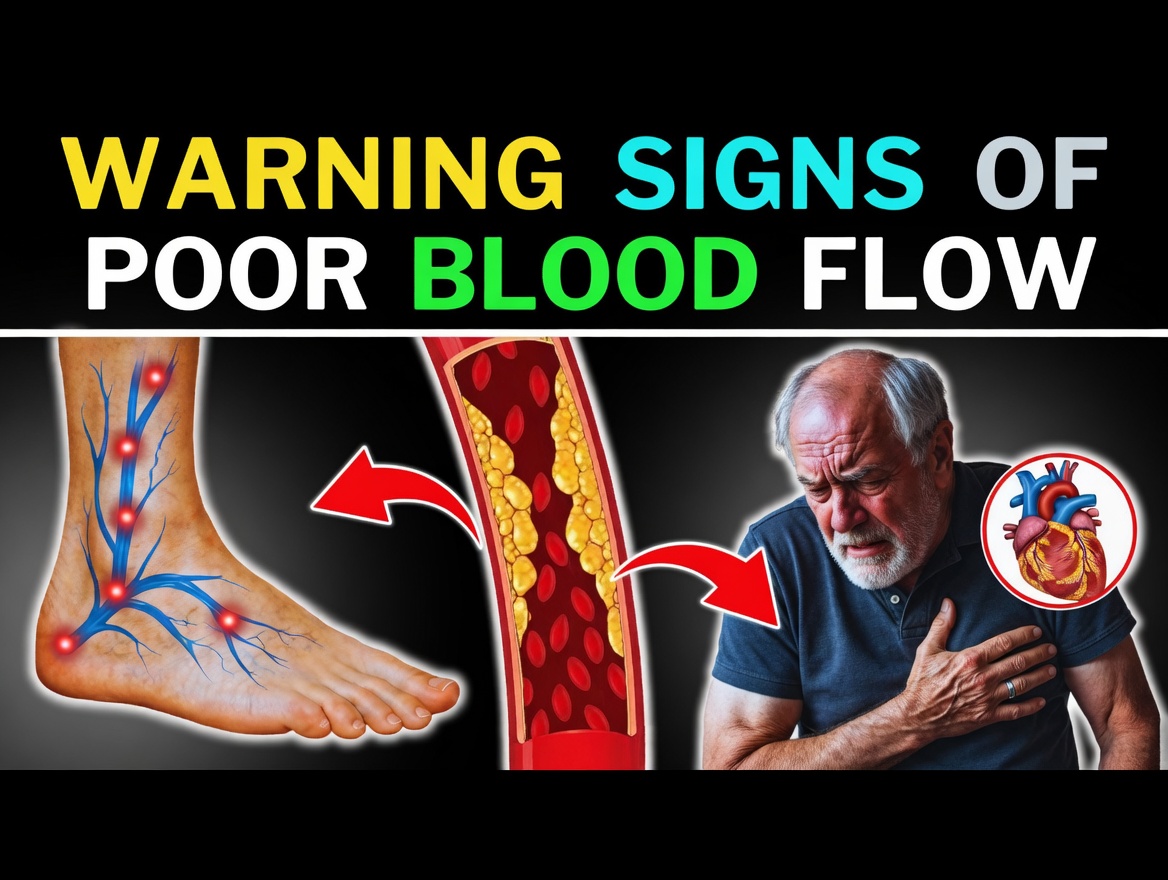
5 Early Signs of Poor Circulation You Should Not Ignore
Circulation problems often begin with subtle signals that gradually limit your freedom and peace of mind. Recognizing these early signs of poor circulation makes it easier to take action and focus on ways to improve blood flow naturally.
Each sign can bring its own challenges—affecting how you sleep, how you work, and how confident you feel in your body.
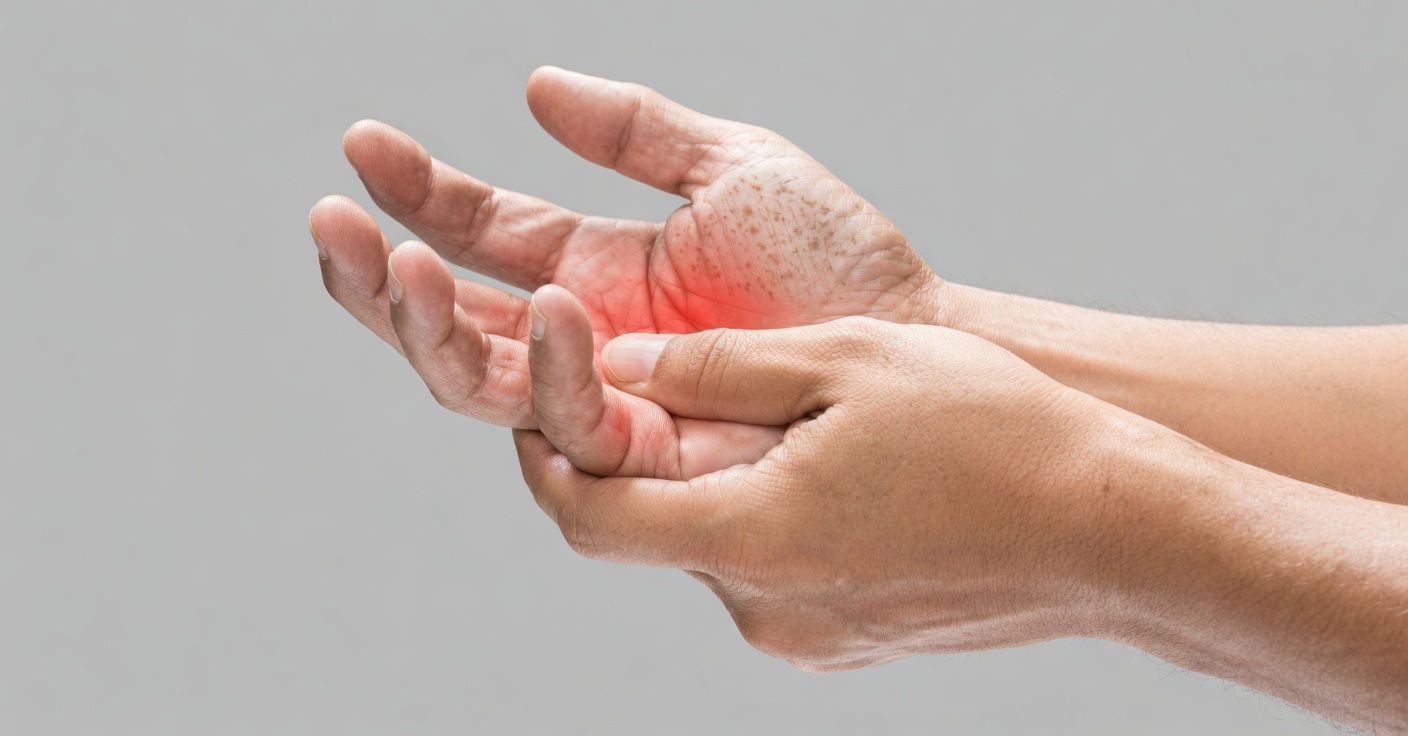
1. Tingling or Numbness in Hands and Feet
That pins-and-needles feeling can make walking or holding objects feel awkward and distracting. When circulation is reduced, nerves receive less oxygen, which can create tingling, numbness, or a “falling asleep” sensation in your extremities. Many people find it harder to stay focused or enjoy hobbies when this discomfort keeps showing up.
2. Cold Hands and Feet
If your hands and feet stay cold even in warm rooms, poor circulation may be a factor. Limited blood flow means less warm blood reaches the surface of your skin, leaving you chilled and uncomfortable. This can disturb restful sleep and make social situations or outdoor activities feel less enjoyable.
3. Leg Pain or Cramping When Walking
Leg pain, cramping, or heaviness after walking short distances can be a red flag for poor circulation. When muscles do not receive enough oxygen during movement, they fatigue quickly and may ache or tighten. This can create a frustrating cycle where you avoid walking or exercising, even though movement is one of the best ways to help circulation.
4. Hair Loss on the Lower Legs
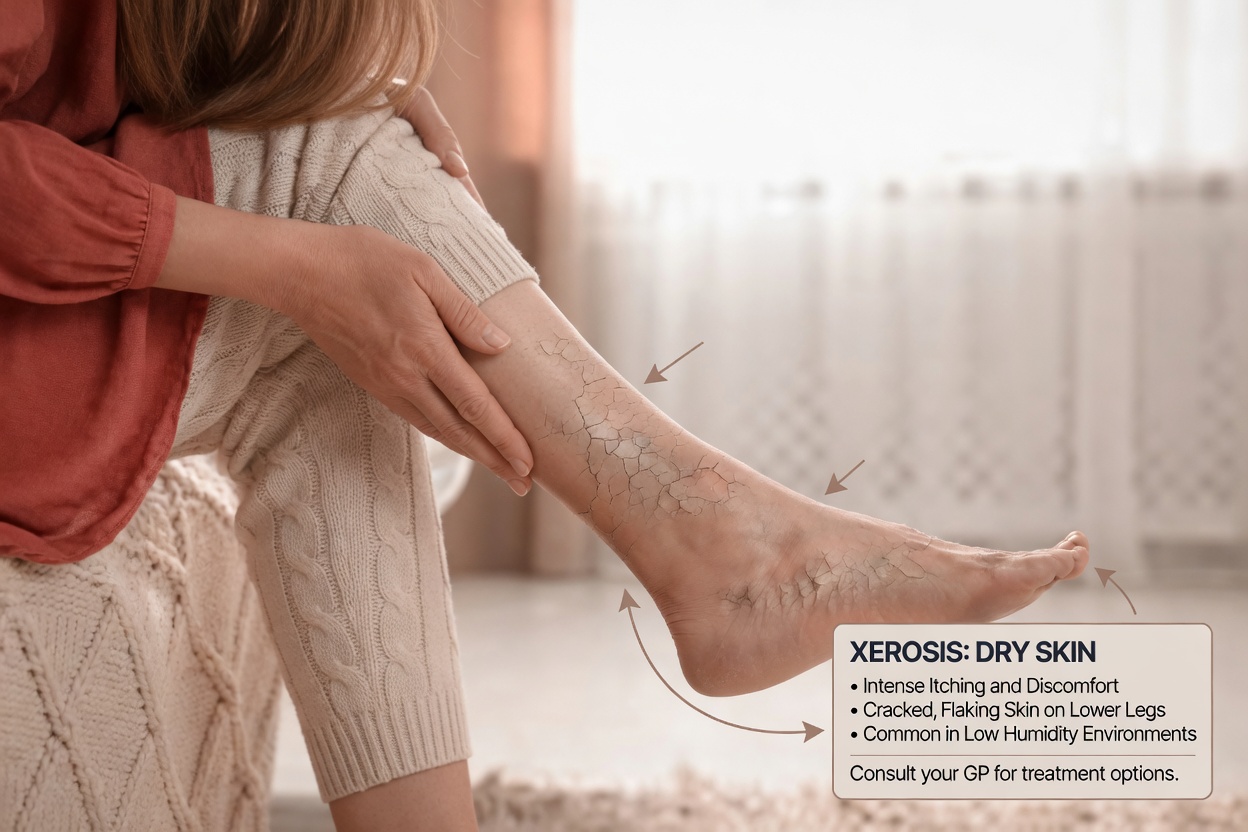
Thinning hair on the lower legs can be more than a cosmetic concern. Reduced blood flow means fewer nutrients reach the skin and hair follicles, which can lead to gradual hair loss in that area. For many people, this visible change is a daily reminder of underlying circulation issues and may increase self-consciousness, especially in warm-weather clothing.
5. Slow Healing or Unusual Fatigue
If small cuts, scrapes, or bruises seem to heal more slowly than before, poor circulation might be involved. Inadequate blood flow can delay the delivery of oxygen and nutrients needed for tissue repair. At the same time, you may notice unusual tiredness, even after routine activities, because your body is working harder to compensate.
Many people dealing with poor circulation report that this combination—slow healing and persistent fatigue—reduces motivation and makes daily tasks feel heavier than they should.
Simple, Actionable Ways to Boost Blood Flow Naturally
Poor circulation does not have to dictate how you feel every day. Practical lifestyle habits can support healthier blood flow from the comfort of your home. Studies consistently show that regular movement and thoughtful nutrition can make a meaningful difference for people managing circulation concerns.
These strategies become even more effective when used together—and they can all fit into a busy schedule.
Here are five easy ways to help improve circulation naturally:
-
Move your body for at least 30 minutes a day
Walking, swimming, or gentle cycling encourages better blood flow, supports heart health, and helps reduce fatigue connected to poor circulation. -
Elevate your legs above heart level for about 15 minutes
Propping your legs up on pillows or a chair can ease swelling and reduce pressure in your lower limbs, especially if you sit or stand for long periods. -
Focus on colorful fruits and vegetables
Foods rich in antioxidants—such as berries, citrus fruits, leafy greens, and peppers—help support blood vessel health and protect against damage linked to poor circulation. -
Stay well hydrated throughout the day
Drinking enough water helps your blood maintain a smoother consistency, making it easier for your heart to pump and improving overall circulation. -
Avoid smoking and maintain a healthy weight
Smoking and excess weight can narrow or strain blood vessels, making circulation worse. Reducing or quitting smoking and working toward a balanced weight both support long-term vascular health.
Quick Comparison of Lifestyle Changes for Poor Circulation
Below is a simple overview of how these habits help and how you can start them today:
| Habit to Boost Blood Flow | How It Helps With Poor Circulation | Simple Daily Start |
|---|---|---|
| Regular movement | Increases oxygen delivery and reduces leg discomfort | Take a 10-minute walk after each meal |
| Leg elevation | Decreases fluid buildup and relieves pressure in the legs | Elevate legs for 15 minutes while reading |
| Antioxidant-rich diet | Supports flexible, healthy blood vessels | Add berries or leafy greens to one meal |
| Staying hydrated | Helps blood flow more easily through vessels | Carry a refillable water bottle everywhere |
Combining these approaches often works better than relying on a single change, especially for those already noticing signs of poor circulation.
One Extra Habit That Supercharges All These Tips
There is one simple practice that can enhance every strategy above: mindful, deep breathing.
Slow, controlled breathing helps activate your body’s relaxation response, which can support steadier heart function and more efficient blood flow. When you are calm, your blood vessels are more likely to stay relaxed rather than constricted.
Try this while:
- Walking or gently stretching
- Elevating your legs
- Resting after a meal or before bed
Inhale deeply through your nose for a count of four, hold for four, then exhale slowly through your mouth for a count of six. Repeating this for a few minutes can help you feel more relaxed and may support better circulation over time.
Putting Your Better-Circulation Plan Into Action
Poor circulation can feel discouraging, but you are not powerless. By recognizing the five early signs—tingling or numbness, cold extremities, leg pain, hair loss on the lower legs, and slow healing or fatigue—you can respond sooner rather than later.
Layer in simple habits like daily movement, leg elevation, antioxidant-rich foods, proper hydration, and avoiding smoking. Add mindful breathing to deepen the benefits of each step. Many people report feeling more energized, more comfortable, and more confident after consistently applying these changes.
You do not have to do everything at once. Start with one or two habits that feel easiest today, and build from there for lasting comfort and better blood flow.
Frequently Asked Questions About Poor Circulation
What are common causes of poor circulation?
Poor circulation is often linked to a lack of physical activity, smoking, excess weight, and unbalanced eating patterns. Certain health conditions such as diabetes, high blood pressure, or high cholesterol can also play a role. While some factors require medical care, lifestyle adjustments can still help support better blood flow.
How quickly can you notice improvements in poor circulation?
Many people begin to notice subtle improvements—such as warmer hands and feet, less leg discomfort, or more energy—within a few weeks of practicing healthy habits consistently. However, the timeline varies from person to person, and more severe circulation problems may take longer to change.
When should someone consult a doctor about poor circulation?
You should speak with a healthcare professional if symptoms of poor circulation persist, worsen, or interfere with daily life. Sudden pain, severe leg cramps, significant color changes in the skin, or wounds that do not heal well should be evaluated promptly. A doctor can provide a proper diagnosis and personalized treatment plan.